Alice and Monarch
Our verdict
Alice & Monarch gives Cambridge another Italian address to read through regional cooking rather than generic red-sauce comfort. The useful question is not whether the city needs more Italian food, but which Italy is being interpreted: Roman directness, Tuscan restraint, Neapolitan ease, or the richer northern register associated with Milan and beyond.

Pearl is the En Primeur Club membership app — saves, bookings, and concierge access live there. Same editors, same standards.
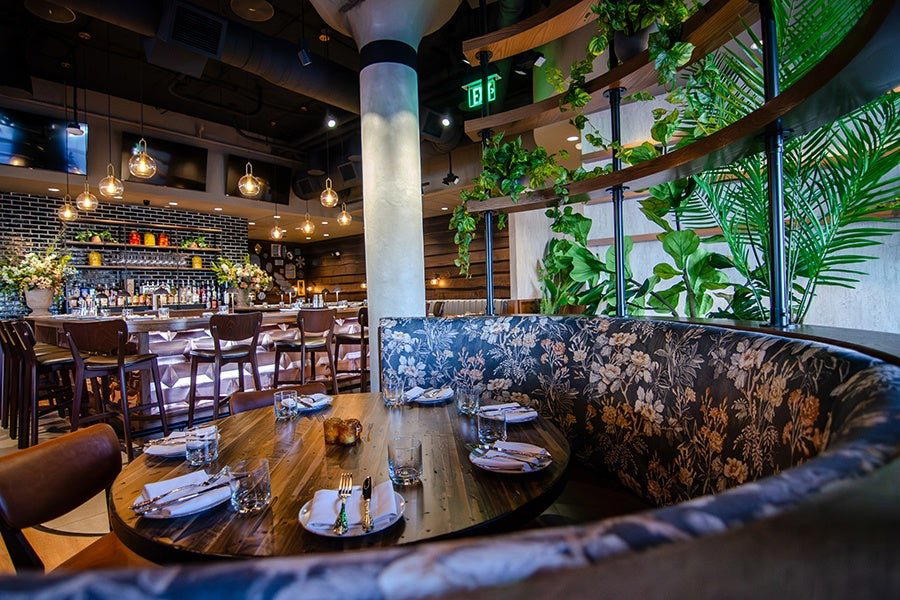
The menu
What to order
- Creste di gallo vodka sauce pasta
- Squid ink linguine with local clams
- Shrimp scampi calzone
- Branzino with caviar white bean ragout
- Baked Alaska with spring pea ice cream
- The Atom hibiscus sorbet & yuzu foam
Cambridge restaurant-going has its own rhythm: students moving quickly between classes, faculty dinners that stretch past the first bottle, visiting parents trying to decode a city that feels both academic and residential. Italian cooking fits that pattern because it can carry several registers at once. A plate of pasta can read casual; a longer meal built around antipasti, secondi and wine can feel calibrated for a slower evening. Alice & Monarch enters that context as an Italian restaurant in a city where the audience is unusually literate, mobile and comparison-minded.
The useful way to read the room is through region rather than through a single catch-all idea of Italian food. Roman cooking prizes directness: cacio e pepe, carbonara, artichokes, bitter greens, offal traditions and a sharp sense of proportion. Tuscan cooking leans on grilled meats, beans, bread, olive oil and a farmhouse logic that can look plain until the ingredients are doing the work. Neapolitan identity brings tomato, dough, seafood and a looser southern warmth. Milanese and northern Italian traditions often carry butter, rice, veal, filled pastas and a colder-weather weight. A Cambridge Italian restaurant has to decide how much of that map it wants to show, and how tightly it wants to edit.
Cambridge Italian dining works when the regional grammar stays visible
American Italian restaurants often blur the country into a single menu language: pasta, chicken, red sauce, tiramisu, Chianti. That can be satisfying, but it tells the reader little about Italy. The more compelling Cambridge version is selective. A Roman-leaning menu should feel taut and savory rather than ornate. A Tuscan-leaning one should resist over-saucing and let bitterness, grill smoke and olive oil carry the plate. A Neapolitan accent should not be reduced to tomato alone; it needs the looseness and coastal brightness that make the south feel different from the center and north.
That regional test matters in Cambridge because the city is not short on diners who travel, read menus closely and notice when an Italian restaurant is using geography as decoration. Italian food here competes less with a single local tradition than with the city’s broader habit of intellectual scrutiny. Nearby dining can swing from everyday café utility to the neighborhood-pub cadence of casual rooms, the broader New American idiom, and immigrant cooking represented across Cambridge. In that setting, Italian cooking needs a point of view, not another broad survey.
What to look for on the table: restraint, pasta logic and regional confidence
The ordering lens should start with structure. Antipasti should set the regional tone rather than simply delay the pasta. If the menu speaks in a Roman accent, salt, pecorino, black pepper and bitter vegetables should appear with discipline. If it moves Tuscan, expect the meal to make sense around bread, beans, greens and grilled elements. If the kitchen points south, acidity and tomato should feel lively rather than heavy. Northern Italian cues are different again: richer fats, rice, filled pasta and sauces with more winter density.
Pasta is the test case because it exposes whether a restaurant understands Italian pacing. In Italy, pasta is rarely the entire argument; it sits between the opening and the main course, or it becomes the meal only when the portioning and sauce make that choice coherent. Cambridge diners often order pasta as an entrée, so the kitchen’s challenge is translation: enough generosity for the American table, enough restraint to keep the dish from collapsing into weight. That balance is where an Italian restaurant earns repeat attention.
Alice & Monarch is therefore most interesting as part of a Cambridge pattern rather than as an isolated address. The city has room for casual cafés, taverns, academic-adjacent dining rooms and special-occasion restaurants, but Italian food occupies a flexible middle position: date night, family dinner, faculty meal, visiting-parent lunch, or a glass of wine with a plate of pasta. The restaurants that last in that lane usually make choices. They do not need to represent every province. They need to make the chosen regions legible.
How it fits into a Cambridge eating itinerary
Within the local restaurant map, Alice & Monarch carries the Italian category marker directly and gives Cambridge diners a focused point of comparison against the city’s broader, unnamed dining landscape.
EP Club’s wider restaurant archive is useful for seeing how regional identity travels across cities: from sake-bar precision and focused rice-based formats to casual Mexican registers, plant-based island cooking, resort dining, Midwestern Italian signals, and luxury Italian dining abroad. Read that way, Alice & Monarch sits inside a broader question every serious Italian restaurant faces outside Italy: which region is being translated, and how clearly does the table say so?
Frequently asked questions
Is Alice & Monarch good for families?
Alice & Monarch’s Italian cuisine in Cambridge points to a style of dining that usually works well for mixed-age groups, especially if the menu includes pasta and shared plates. It reads as more flexible than a tasting-menu room, which often makes it easier for families to use.
How would you describe the vibe at Alice & Monarch?
The available signal is simple: Alice & Monarch is an Italian restaurant in Cambridge. That suggests a dining room shaped by Italian service and menu structure rather than a formal fine-dining format.
What cuisine category does Alice & Monarch fall under?
Alice & Monarch serves Italian cuisine.
How far ahead should I plan for Alice & Monarch?
No reservation window is listed, so the practical answer is to plan based on timing rather than a fixed rule. For a Cambridge Italian spot like Alice & Monarch, peak dinner hours are the moments most likely to need the earliest check-in.
What's Alice & Monarch best at?
Its clearest strength is the Italian brief itself. In Cambridge, that usually means diners should look for a meal built around antipasti, pasta, and a focused Italian menu rather than broad-canvas dining.
Is Alice & Monarch good for vegetarians?
Italian cuisine often suits vegetarian diners, and Alice & Monarch’s Italian focus in Cambridge points in that direction. The useful check is the menu structure, especially pasta and vegetable-led dishes.
Continue exploring
More in Boston
Restaurants in Boston
All restaurants in Boston →
Bars in Boston
All bars in Boston →



Alice and Monarch
The wine
- Wine program
- Curated wine list
- Extensive wine list
- Craft cocktails
- Zero-proof drinks
Details
- Lively
- Cozy
- Romantic
- Trendy
- Intimate
- Sophisticated
- Date Night
- Group Dining
- Celebration
- After Work
- Late Night
- Special Occasion
- Design Destination
- Private Dining
- Standalone
- Craft Cocktails
- Zero Proof
- Extensive Wine List
- Local Sourcing
- A La Carte
- Small Plates
- Cocktails
- Wine
- Vegetarian Friendly
- Pescatarian Friendly
Current opening hours
- Monday
- 12–10 pm
- Tuesday
- 12–10 pm
- Wednesday
- 12–10 pm
- Thursday
- 12–10 pm
- Friday
- 12–11 pm
- Saturday
- 11 am–11 pm
- Sunday
- 11 am–9 pm
Hours can change for holidays and private events. Last verified .
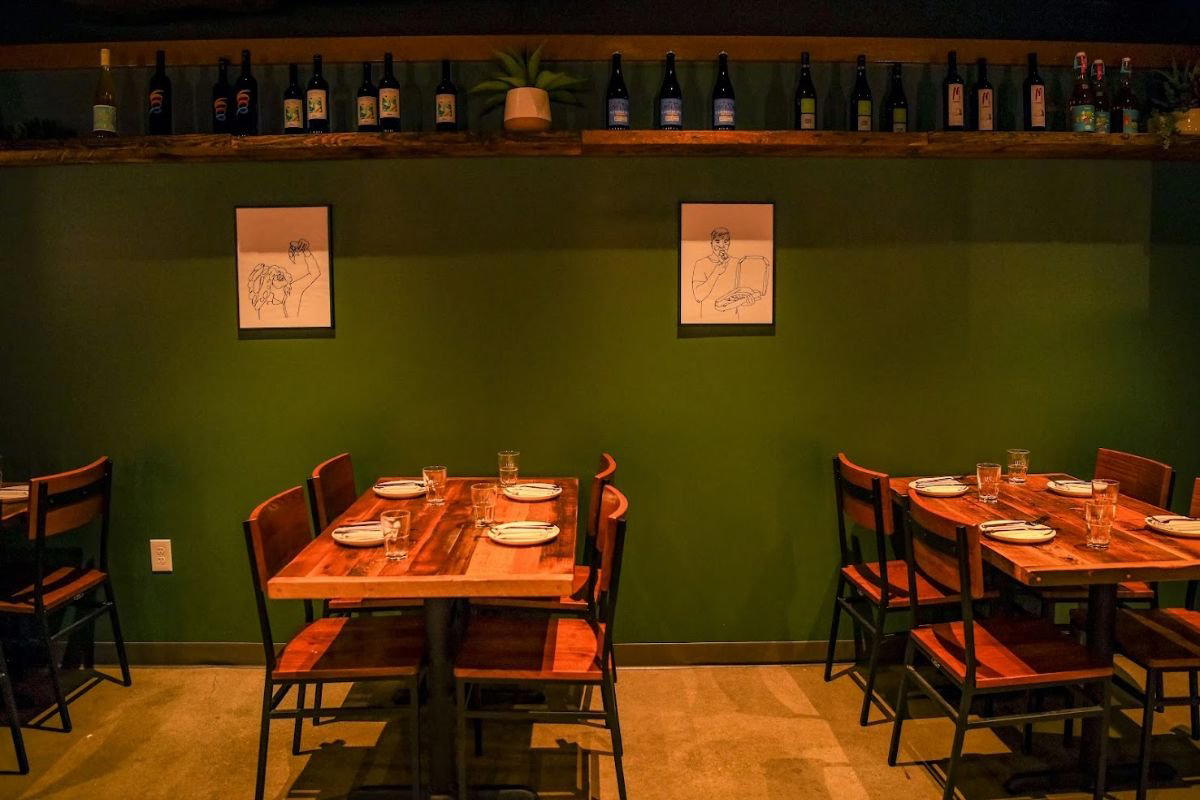
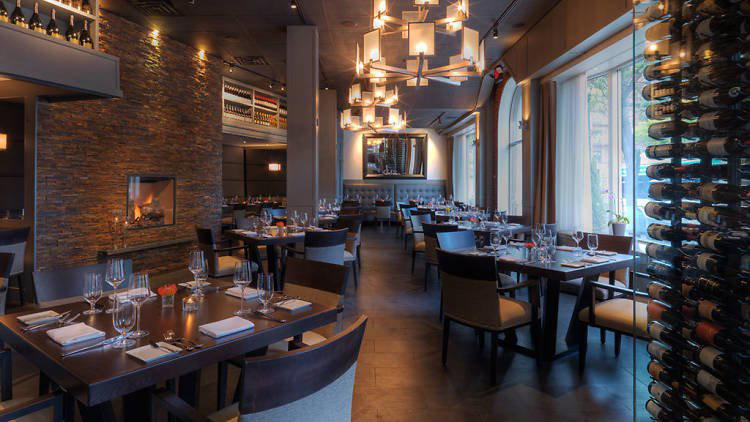
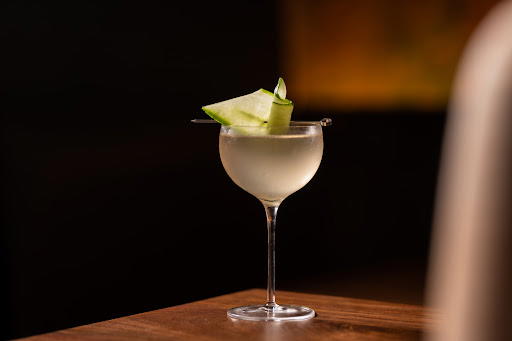
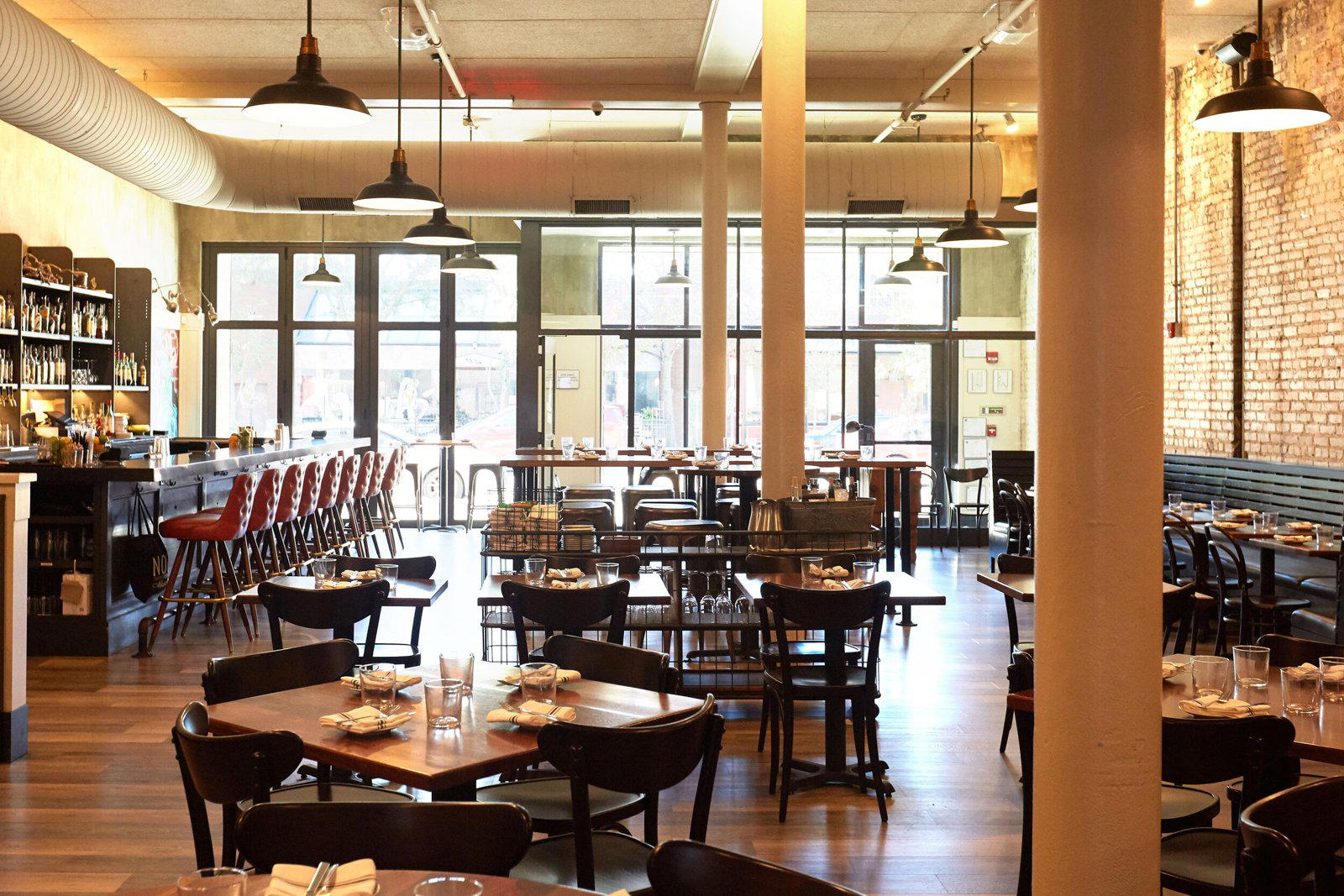
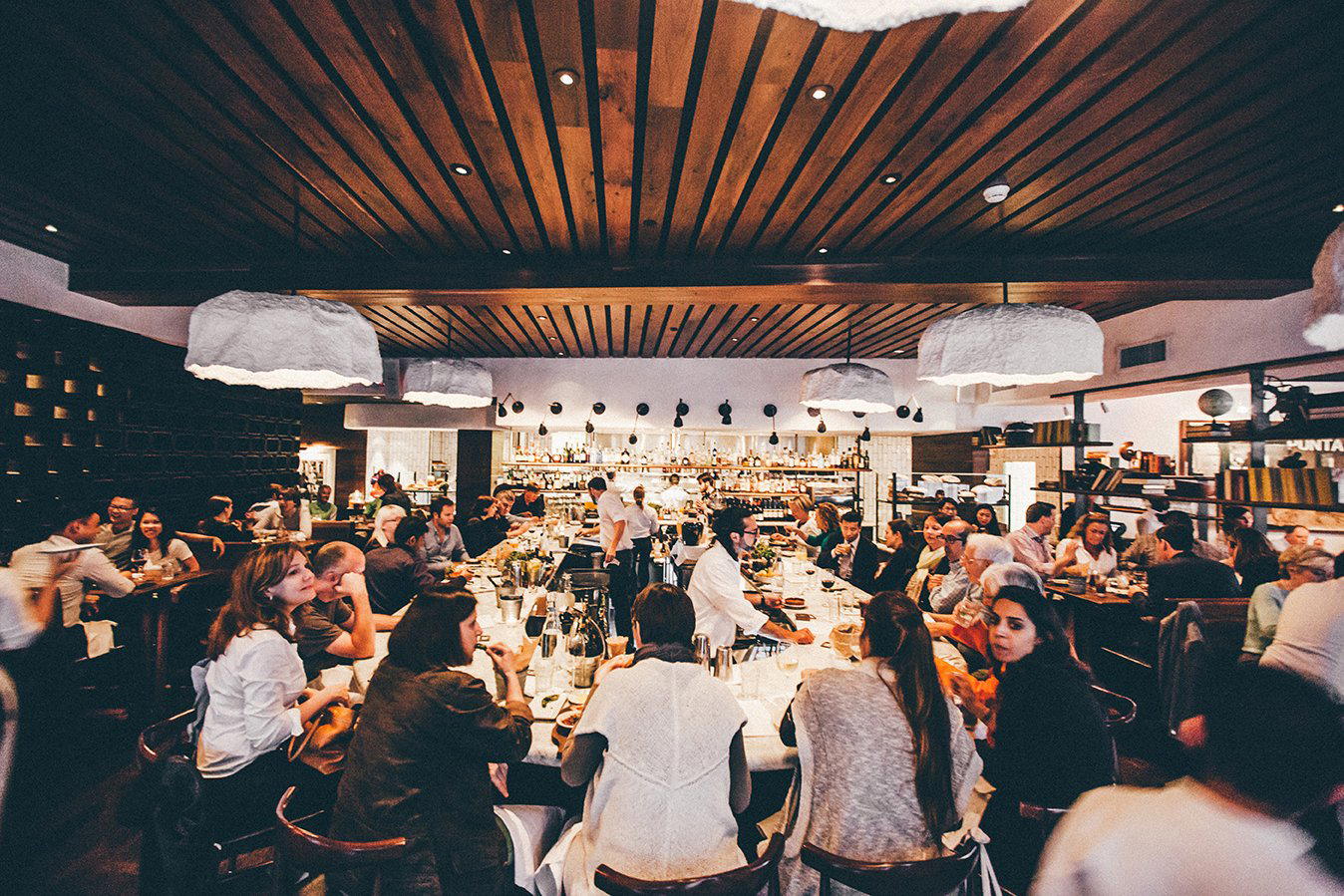
Upstairs at Alice is a warm, lively Italian-Mediterranean taverna with a bustling 110-seat dining room meant for lingering over house-made pastas, wood-fired pizzas, and salumi, while downstairs Monarch is a dimly lit, sultry speakeasy-style dessert and cocktail lounge with playful, experimental drinks and conceptual sweets that feels like a swanky basement hideaway.