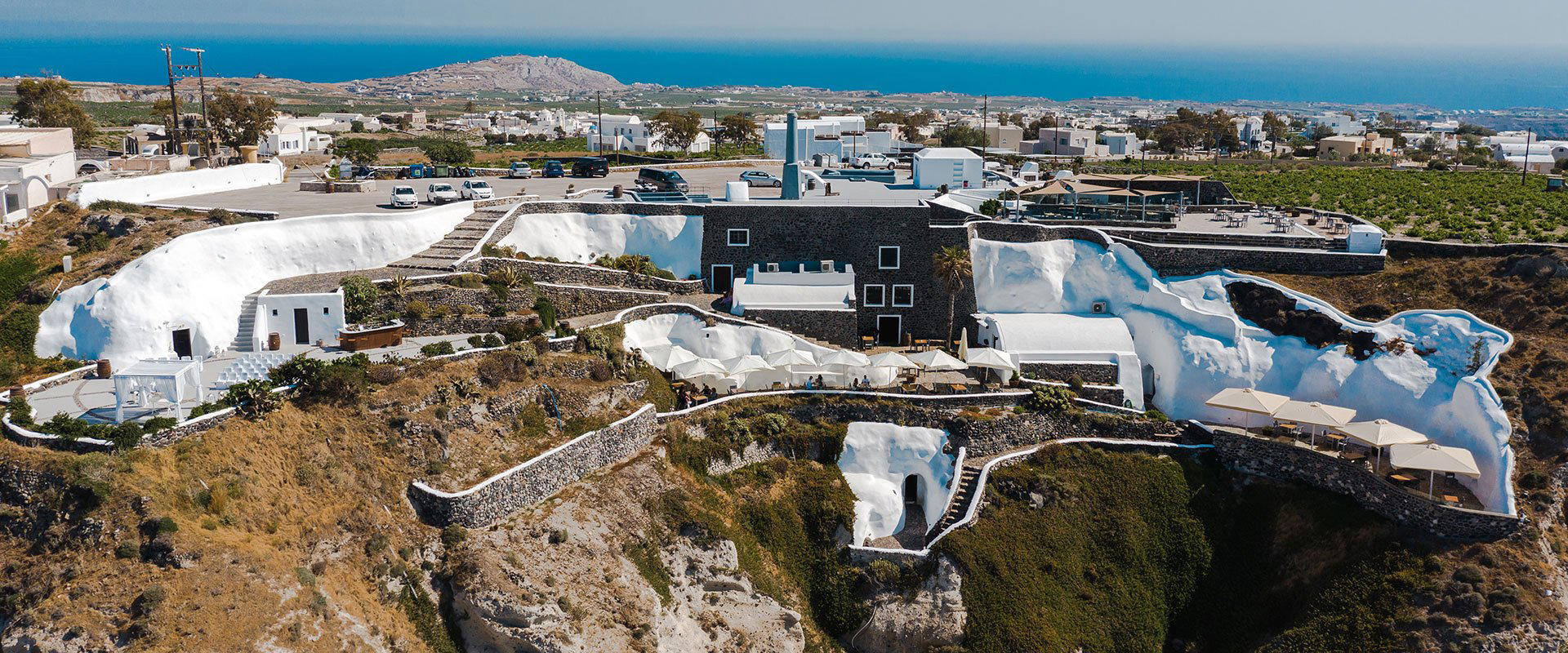
Alati Restaurant belongs to Santorini’s cave-dining tradition rather than its cliff-edge sunset circuit. Set inside a 400-year-old winery cave in Megalohori, it frames island cooking through volcanic agriculture, wine-cave architecture, and the slower village rhythm that separates the interior from the caldera-facing restaurant strip.
Pearl is the En Primeur Club membership app — saves, bookings, and concierge access live there. Same editors, same standards.
- Address
- Megalohori, 9CGJ+6W (400-year-old winery cave)
- Phone
- +302286081796
- Website
- vedema.gr
- Directions
- Get directions
 Saves & bookings on Pearl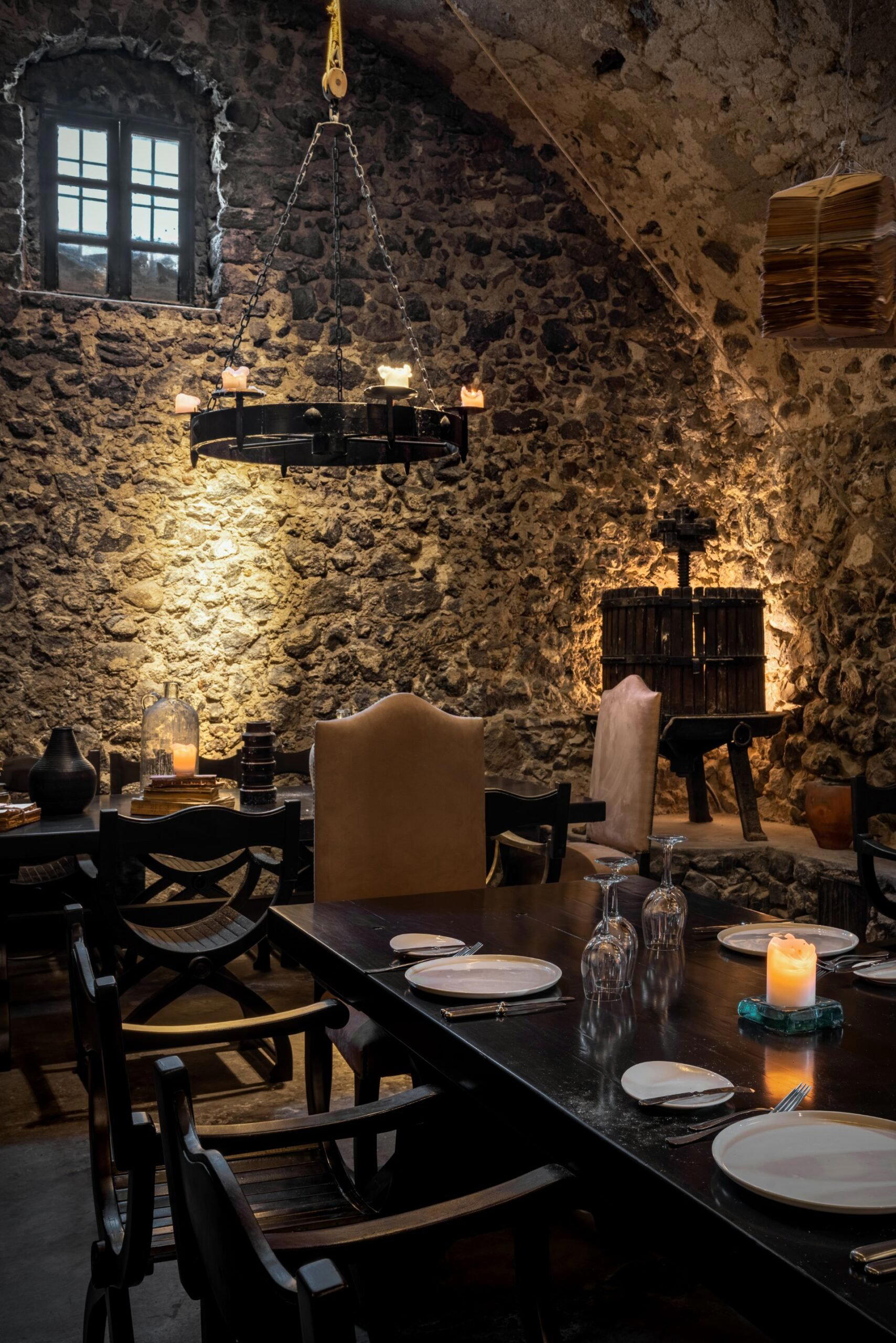
Approaching a cave restaurant in Santorini changes the tempo of dinner before the menu enters the conversation. Santorini’s dining culture does not trade only on the caldera view; it can also work with thick stone, whitewashed lanes, cellar-like atmosphere, and the island’s volcanic character. Alati Restaurant is presented as winery cave dining, a setting that connects the meal to the island’s older associations with vines, cellars, and compact farming rather than the theatre of the sunset terrace.
That distinction matters on Santorini. The island’s dining scene often splits between view-led restaurants and places that draw authority from setting, wine culture, and Cycladic seasonality. In a cave room, the place conversation feels less decorative. The architecture points back to the conditions often associated with Santorini’s food culture in the first place: a volcanic landscape, wind, mineral soil, and preservation habits born from island constraint.
A winery cave shifts the focus from view dining to volcanic produce
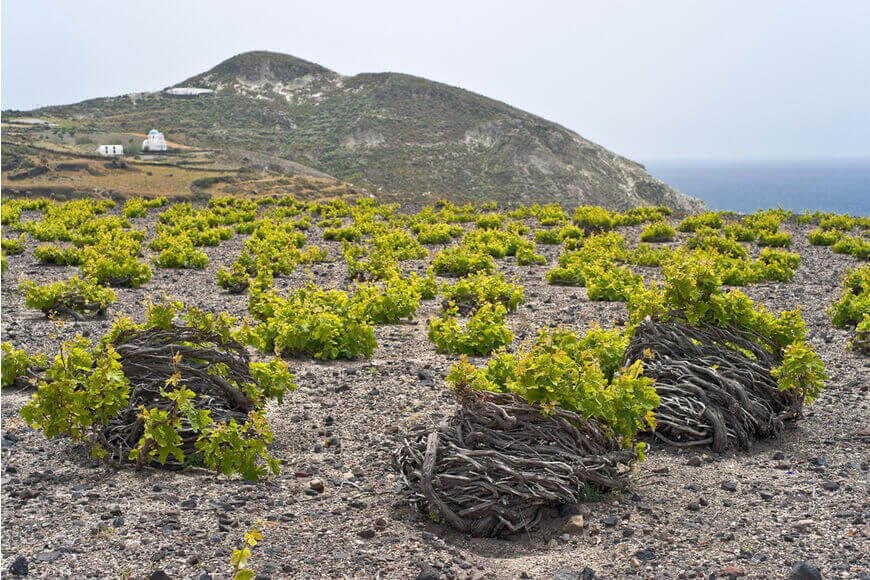
Santorini’s agricultural identity is unusually legible for a small island. Its produce and wine culture are often discussed through concentration, resilience, and the volcanic conditions that shape the island. A restaurant framed around winery cave dining carries that history into the room. The experience is not only about eating in an atmospheric space; it is about understanding why the island’s food culture is so closely tied to salinity, acidity, herbs, and compact flavours rather than lush abundance.
Alati Restaurant is therefore better read against Santorini’s cave-dining and place-led formats than against the island’s poolside or hotel-led tables. Pergola Pool Restaurant, Privé Dining, Trataro Restaurant, NOŪS Pool Bar & Restaurant, and Noūs Vitamin Bar occupy different parts of the local hospitality map, from resort-adjacent ease to private-format dining and lighter daytime service. The Santorini cave context pulls the conversation away from pool decks and toward the island’s older hospitality infrastructure.
For readers building a wider Santorini plan, the useful comparison is not a ranking but a category split. View-led meals give the postcard version of the island; cave and place-led restaurants explain how the island can feel when the architecture, soil, and cellar culture are allowed to lead. EP Club’s broader Santorini coverage maps those choices across Santorini restaurants, Santorini hotels, Santorini bars, Santorini wineries, and Santorini experiences.
Santorini gives dinner a quieter island register
Santorini is one of Greece’s more instructive dining locations because it is not only built around a single sunset money shot. The island rewards slower pacing: lanes, courtyards, cellar-like rooms, and a sense of place that can sit apart from the most view-driven addresses. In that context, a cave restaurant reads as part of the island’s deeper hospitality fabric. The room itself becomes the evidence: thick walls, cellar atmosphere, and the memory of wine production built into the experience.
This is where place becomes more than a backdrop. Santorini’s food culture is inseparable from constraint. The island’s fields have long demanded crops and products that can cope with heat, wind, and poor rainfall; its wine culture developed around resilience as much as pleasure. When a restaurant uses that setting well, the meal does not need elaborate storytelling. The room already explains the logic of the evening: mineral freshness, brined accents, and the sharpness that suits warm island nights.
Travellers comparing Greek island dining should also separate Santorini from other Greek destinations. A Cycladic cave room has little in common with urban dining rooms, coastal resort restaurants, or mainland seaside formats. For parallel island and coastal references, EP Club tracks the broader differences between Aegean dining, resort restaurants, and quieter place-led rooms without treating them as a single category.
How to place it in a Santorini itinerary
Alati Restaurant makes sense for a dinner built around place rather than spectacle. It is not the obvious choice for travellers chasing a caldera-facing table; it is the sharper choice for those who want Santorini’s winery cave atmosphere to shape the evening. That makes it a useful counterweight to days spent around view-led stops or beach-focused dining, especially when the itinerary already includes wineries or unhurried time elsewhere on the island.
The practical decision is simple: choose this style of meal when the room and the island’s agricultural story matter as much as the view. Santorini has enough restaurants that compete on horizon, pool, and hotel polish. A winery cave in Santorini belongs to a different register, one that explains why the island’s food is often most persuasive when it stays close to volcanic context, cellar culture, and the intimate scale that shaped both.
For a fuller island shortlist, compare Alati Restaurant with nearby editorial entries such as Pergola Pool Restaurant, Privé Dining, Trataro Restaurant, NOŪS Pool Bar & Restaurant, and Noūs Vitamin Bar. For a wider lens beyond one venue, contrasting formats across Santorini show how strongly dining context changes once a restaurant is read through category, place, and setting rather than décor alone.
- Bourdeto fish soup
- Lahanodolmades Avgolemono
- Hortopita
- Lamb with chontros wheat and Vinsanto jus
- Baklava dessert
- Chocolate Harmony dessert
Continue exploring
More in Santorini
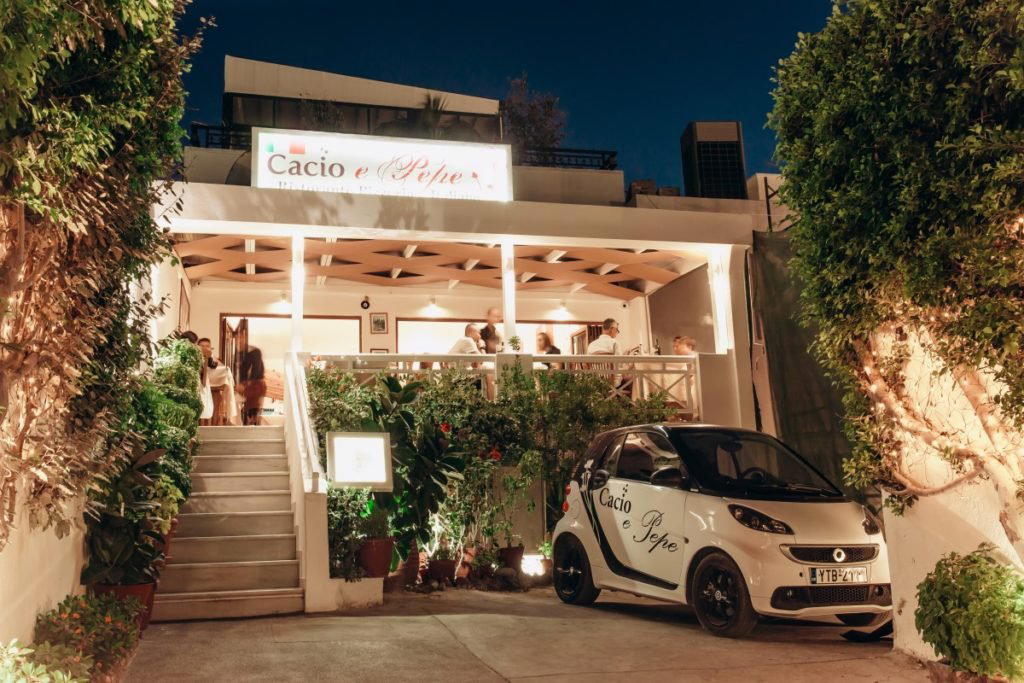
Restaurants in Santorini
Browse all →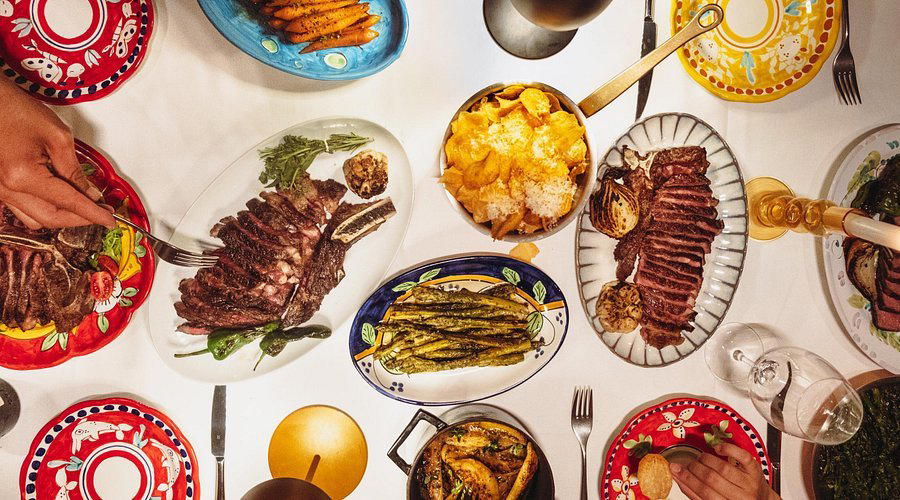
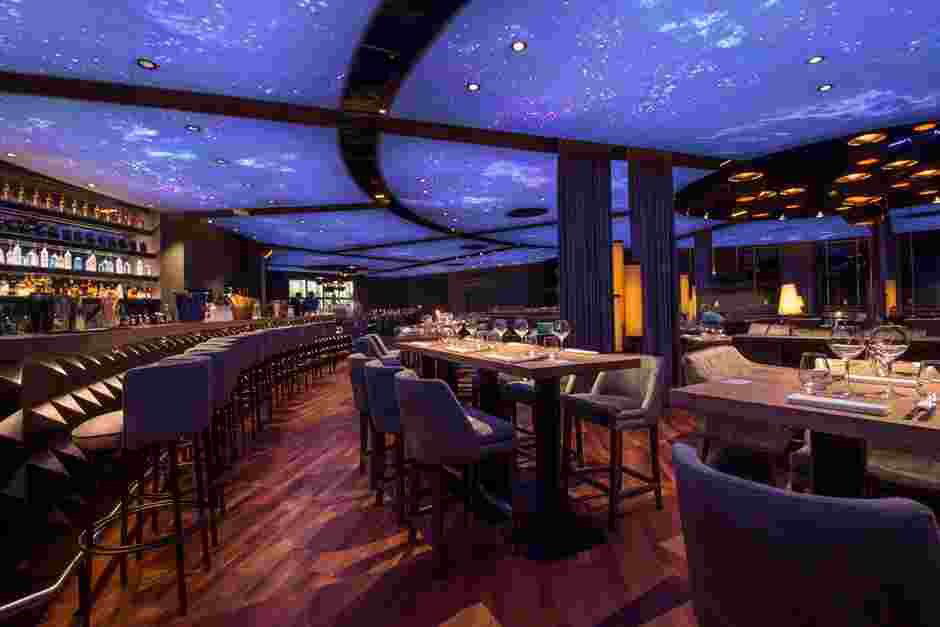
Bars in Santorini
Browse all →
Hotels in Santorini
Browse all →


At a Glance
- Romantic
- Elegant
- Rustic
- Intimate
- Scenic
- Date Night
- Special Occasion
- Celebration
- Business Dinner
- Group Dining
- Private Event
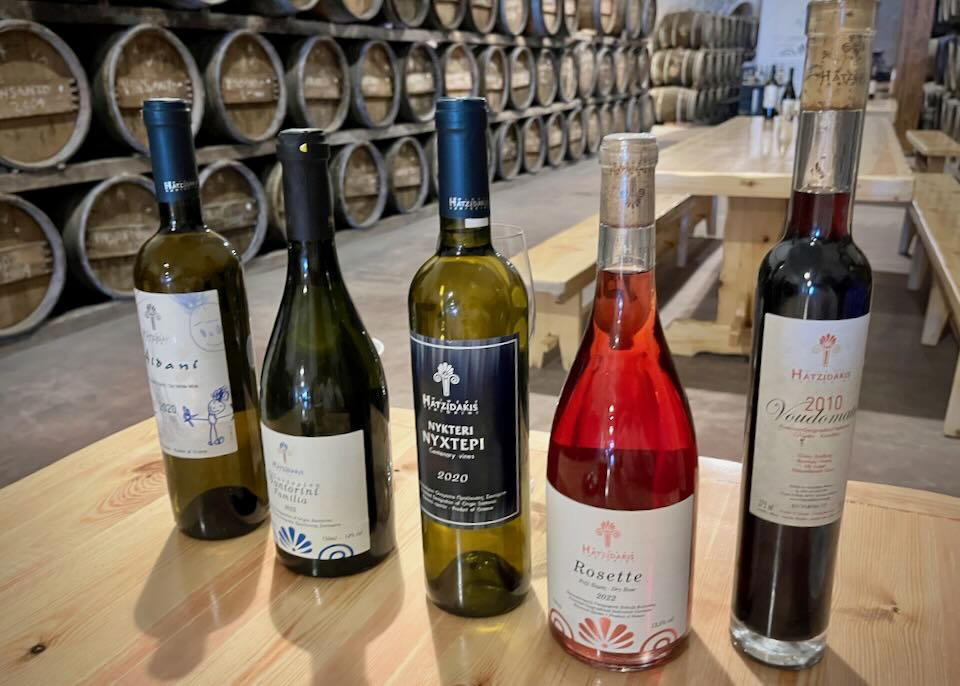
- Wine Cellar
- Terrace
- Historic Building
- Design Destination
- Hotel Restaurant
- Courtyard
- Extensive Wine List
- Craft Cocktails
- Sommelier Led
- Local Sourcing
- Sustainable Seafood
- Farm To Table
- Vineyard
- Garden
Current opening hours
- Monday
- 7–10:30 PM
- Tuesday
- 7–10:30 PM
- Wednesday
- 7–10:30 PM
- Thursday
- 7–10:30 PM
- Friday
- 7–10:30 PM
- Saturday
- 7–10:30 PM
- Sunday
- 7–10:30 PM
Hours can change for holidays and private events. Last verified .
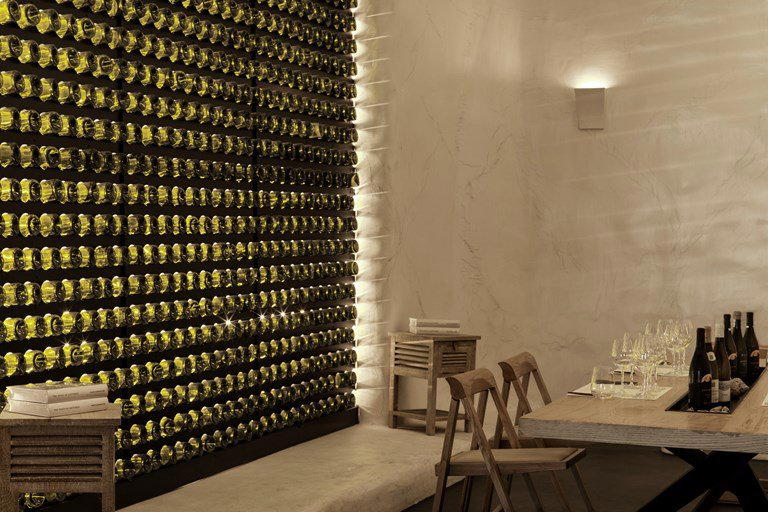
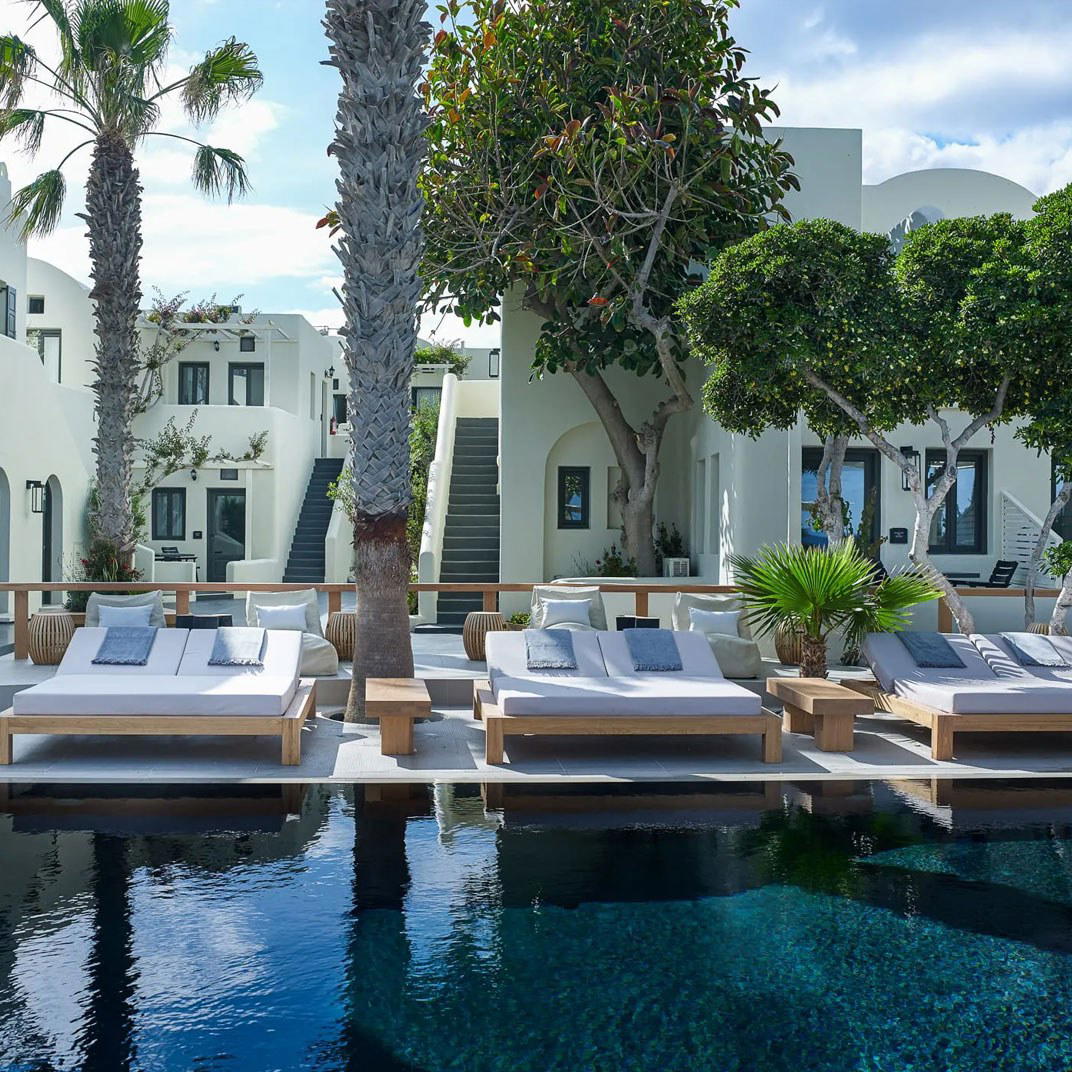
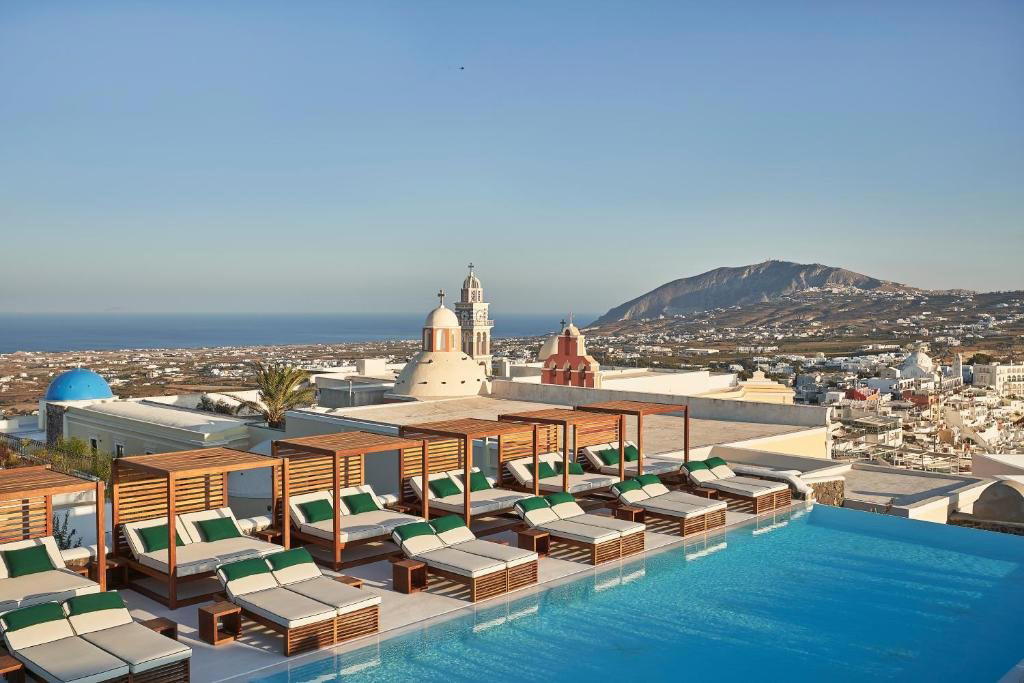
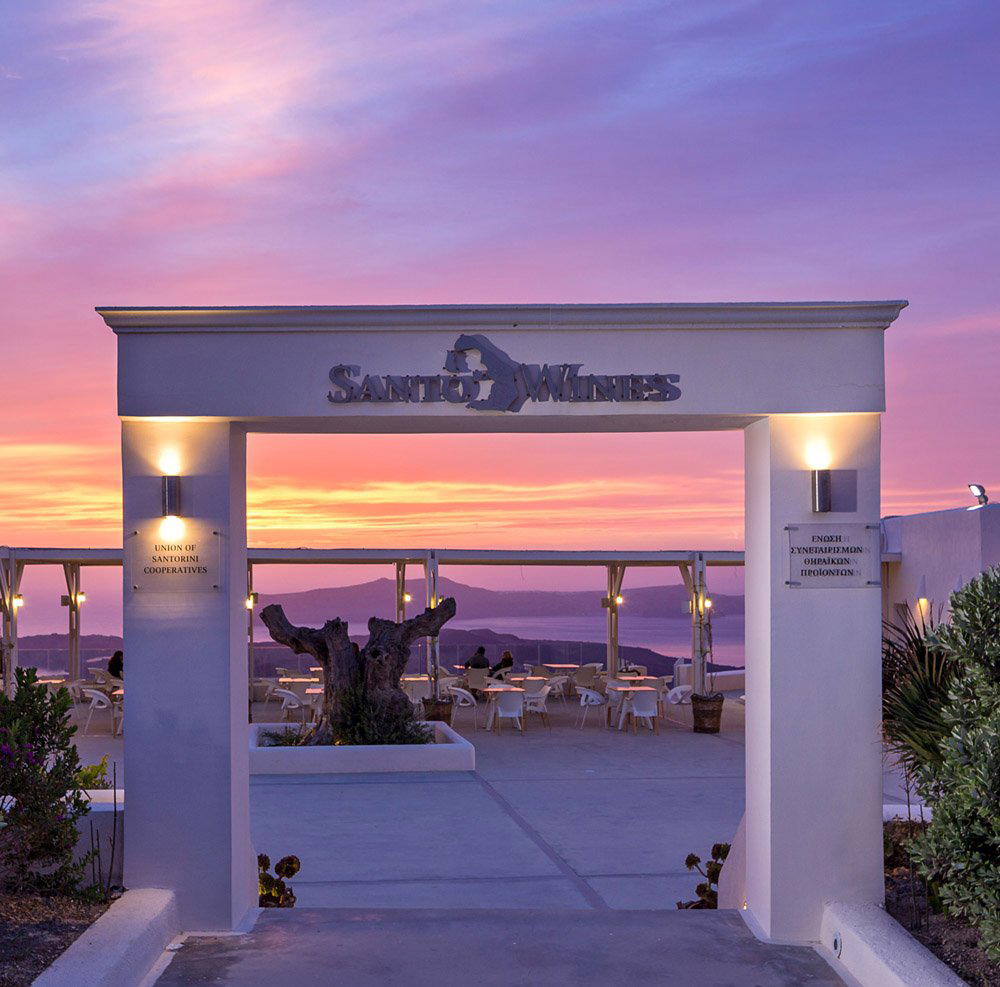
Dimly lit cave interiors with candles and stone walls feel historic and intimate, balanced by a more open, starlit terrace above the winery with views of the village church, vineyards, and medieval surroundings; overall refined yet warmly rustic Greek elegance.
Know Before You Go
- Reservations
- Recommended
- Dress code
- Business casual
- Getting there
- Megalohori, 9CGJ+6W (400-year-old winery cave)