æµ·åºæç«é è±éåº Haidilao Huo Guo @Dataran Pahlawan Melaka Megamall Malaysia
Our verdict
Haidilao's Dataran Pahlawan Melaka outpost brings the chain's precision-sourced hot pot format to Malaysia's most historically layered city. The mall-based location makes it accessible to both locals and the steady stream of tourists passing through Banda Hilir, with the brand's signature broth-and-ingredient model holding consistent against a competitive Malacca dining field. A reliable reference point in a city where independent hawker traditions otherwise dominate.

Pearl is the En Primeur Club membership app, where members save venues, book tables and use the concierge.

Hot Pot in a Heritage City: What Haidilao Means in Malacca
Malacca's dining identity is built on stratification: Peranakan kitchens that have operated for generations, hawker stalls with decades of institutional memory, and a tourist-facing restaurant layer that ranges from dependable to perfunctory. Into this, Haidilao arrives not as a local tradition but as a globally scaled hot pot operation that has made ingredient sourcing and tableside service consistency its commercial proposition. The Dataran Pahlawan Melaka Megamall location, on the Upper Ground Floor at Lot G-060 and G-060a, positions the brand inside one of the city's primary retail anchors on Jalan Merdeka in Banda Hilir, a deliberate placement near the tourist corridor rather than the hawker-heavy interior streets. For context on the wider Malacca scene, see our full Malacca restaurants guide.
Hot pot as a format rewards sourcing discipline more than most cooking styles. The broth is visible, the proteins are unmasked by sauce, and the vegetables arrive raw at the table. There is nowhere to hide a substandard ingredient. Haidilao built its regional reputation, and its expansion across Malaysia, including branches at Queensbay Mall in Bayan Lepas, Perai, and Ipoh's ÆEON Station 18, on the premise that standardising the supply chain at scale produces a more dependable result than many independent operations manage. That argument holds particular weight in a hot pot context.
The Sourcing Argument Behind the Broth
The Haidilao model, developed out of its Sichuan origins, centres on centralised ingredient procurement and broth base standardisation. In practice, this means the mushroom varieties, the beef and lamb cuts, the tofu skins, and the dipping sauce components are sourced and distributed through a logistics chain that aims for consistency across every outlet. For a dining format where the quality of a thin-sliced beef or a hand-rolled fish ball is the entire experience, this supply discipline is the product.
This stands in contrast to how Malaysia's independent hot pot operators typically function, working with local wet market suppliers whose quality fluctuates seasonally and by relationship. Neither model is categorically superior, local sourcing has its own advantages in freshness and regional variety, but Haidilao's approach provides a consistency floor that is meaningful when you are ordering from a menu of thirty-plus raw ingredients. The broth bases, including the signature spicy Sichuan mala and the milder alternatives, are the clearest expression of that centralised approach: they taste the same in Malacca as they do in the brand's other Malaysian locations.
For a contrasting example of how ingredient sourcing works at the premium end of Malaysian fine dining, Dewakan in Kuala Lumpur takes the opposite position, hyper-local, foraged, and single-origin sourcing as a philosophical statement. The Haidilao model is not making that argument; it is making a different one about reliability and scale.
Where This Sits in Malacca's Dining Field
Malacca has no shortage of reasons to eat away from mall environments. The Peranakan tradition, represented at its most careful elsewhere in Malaysia by places like Auntie Gaik Lean's Old School Eatery in George Town, anchors the city's culinary reputation. Street-level cendol, satay celup, and Nyonya kuih are the formats that define Malacca for most visitors. Against that backdrop, a Haidilao outpost in a megamall reads as a different category of proposition entirely: group dining infrastructure rather than local expression.
That framing is not a criticism. Hot pot is structurally a group format. It requires a table large enough to accommodate a pot or split-pot in the centre, individual dipping sauce stations, and a service pace that stretches over ninety minutes to two hours. Malacca's hawker stalls and heritage restaurants rarely offer all three. For tour groups, extended family meals, or any occasion requiring a long, shared table format in an air-conditioned setting, Haidilao at Dataran Pahlawan occupies a position that most of the city's independent dining scene does not compete for.
The mall's location near Jalan Merdeka also places it within reach of the main heritage zone, which means visitors who have spent a morning at A Famosa or the Jonker Walk area can reach Dataran Pahlawan without significant additional transit. Planning a broader Malaysia dining itinerary might also include Bismillah Cendol in Taiping or DIN by Din Tai Fung in Sepang for a fuller picture of how the country's food culture spans from street level to chain restaurant to fine dining.
Service Format and the Haidilao Proposition
Haidilao's service model is one of the most discussed aspects of the brand internationally. The chain trained a generation of diners in Southeast Asia to expect tableside dipping sauce construction, free snacks during wait times, and a level of attentiveness that most casual dining operations do not approach. This service intensity is itself a form of product differentiation, distinct from the food sourcing argument but inseparable from the overall experience.
For comparison, the precision-sourced and technically disciplined end of global dining, places like Le Bernardin in New York City or Lazy Bear in San Francisco, operates on similar principles of consistency and craft, just at a different price point and through a radically different format. The comparison is not equivalence; it is a structural observation about what it means to build a dining operation around a repeatable standard rather than improvisation. Haidilao makes that argument at accessible price points and mall-accessible locations, which is its own form of discipline.
Other parts of Malaysia's dining scene that occupy distinct format niches include Lavo and Lavo Gallery in Petaling Jaya, Christoph's in Penang, and Al-Sultan Restaurant in Shah Alam, each anchoring a different tier and tradition within the country's diverse food culture. At the luxury accommodation end, The Dining Room at The Datai Langkawi and The Datai Langkawi in Kedah represent Malaysia's resort dining tradition, and CRC Restaurant in Georgetown offers a different angle on Chinese-heritage seafood dining in the region.
Haidilao Huo Guo at Dataran Pahlawan Melaka Megamall sits at Lot G-060 and G-060a, Upper Ground Floor, Jalan Merdeka, Banda Hilir, Malacca. For current hours, booking availability, and menu specifics, the Dataran Pahlawan Melaka Megamall information desk or the Haidilao Malaysia central contact channels are the appropriate starting points, as venue-specific operational details were not available at time of publication. The Queensbay Mall branch in Bayan Lepas operates under the same brand standards and can provide a reference for format expectations.
Frequently asked questions
Is Haidilao Huo Guo at Dataran Pahlawan Melaka Megamall child-friendly?
Haidilao's format translates well for families with children. The hot pot structure allows each person to cook at their own pace and adjust ingredients to preference, which suits mixed-age groups. The mall setting at Dataran Pahlawan Megamall on Jalan Merdeka, Malacca also means pushchair access and proximity to other facilities. The chain has built a regional reputation for attentive tableside service, which typically extends to accommodating younger diners.
What is the atmosphere like at Haidilao Huo Guo at Dataran Pahlawan Melaka Megamall?
The outlet sits on the Upper Ground Floor of Dataran Pahlawan Megamall in Banda Hilir, Malacca, placing it firmly in a contemporary mall environment rather than a heritage-quarter setting. Inside, Haidilao locations typically run at high volume with bright lighting, active floor staff, and the constant motion of a tableside service model the brand is known for internationally. It reads as lively and functional rather than intimate.
What dish is Haidilao Huo Guo at Dataran Pahlawan Melaka Megamall famous for?
Haidilao's identity is built around its hot pot format, specifically the broth bases produced through centralised procurement from its Sichuan-origin supply chain. The split-pot option, allowing diners to choose two broth styles in a single pot, is among the most requested configurations across Haidilao locations in Malaysia. Side preparations such as handmade noodle pulling, performed tableside by staff, have also drawn attention to the brand in Southeast Asia.
How does Haidilao Malacca compare to local alternatives for a hot pot meal in the city?
Malacca's dining identity leans heavily on Peranakan traditions and long-running hawker operations, so Haidilao at Dataran Pahlawan Megamall occupies a distinct position as the city's highest-profile branded hot pot chain. For diners specifically seeking the Haidilao service model, including queuing systems, branded waiting-area amenities, and standardised broth quality, this Banda Hilir location is the primary option. It sits at Lot G-060 and G-060a on the Upper Ground Floor of the Megamall, which offers convenient access from central Malacca.
In Context: Similar Options
| Venue | Cuisine | Price | Awards | Notes |
|---|---|---|---|---|
| æµ·åºæç«é è±éåº Haidilao Huo Guo @Dataran Pahlawan Melaka Megamall MalaysiaThis venue (the venue you are viewing) | Chinese Hot Pot | $10–20 | Not listed | Not listed |
| Dewakan | Modern Malaysian Fine Dining | $150–200 | 2 Michelin Stars · World's 50 Best #62 | Malaysian |
| Beta | Modern Malaysian Fine Dining | $100–150 | 1 Michelin Star · La Liste Top Restaurants | Malaysian |
| Au Jardin | Modern European with Local Accents | $200–300 | 1 Michelin Star · World's 50 Best #39 | European Contemporary |
| Auntie Gaik Lean's Old School Eatery | Peranakan (Nyonya) | $10–20 | 1 Michelin Star | Peranakan |
| DC. by Darren Chin | French Contemporary Fine Dining | Not listed | 1 Michelin Star · La Liste Top Restaurants | French Contemporary |
Continue exploring
More in Malacca
Restaurants in Malacca
All restaurants in Malacca →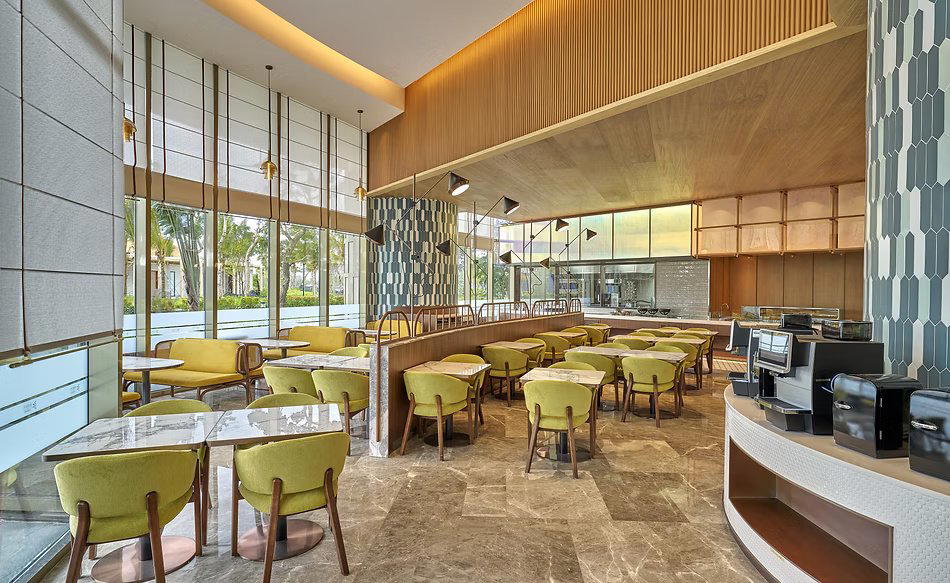


Details
- Modern
- Lively
- Group Dining
- Family
- Casual Hangout
- Standalone
- A La Carte
- Family Style
- Vegetarian Friendly
Modern, bustling hot pot restaurant atmosphere.