ACHI – The Omakase Experience
Our verdict
ACHI – The Omakase Experience brings a six-seat counter format to St Louis, a city better known for Italian rooms, steakhouse tradition, and neighborhood taverns than tightly scaled sushi service. Its appeal rests on intimacy and sourcing discipline: omakase only works when rice, fish handling, pacing, and restraint are treated as the meal’s structure rather than decoration.

Pearl is the En Primeur Club membership app — saves, bookings, and concierge access live there. Same editors, same standards.
- Address
- 100 Carondelet Plaza, St. Louis, MO 63105 (Intimate 6-seat counter)
- Directions
- Get directions
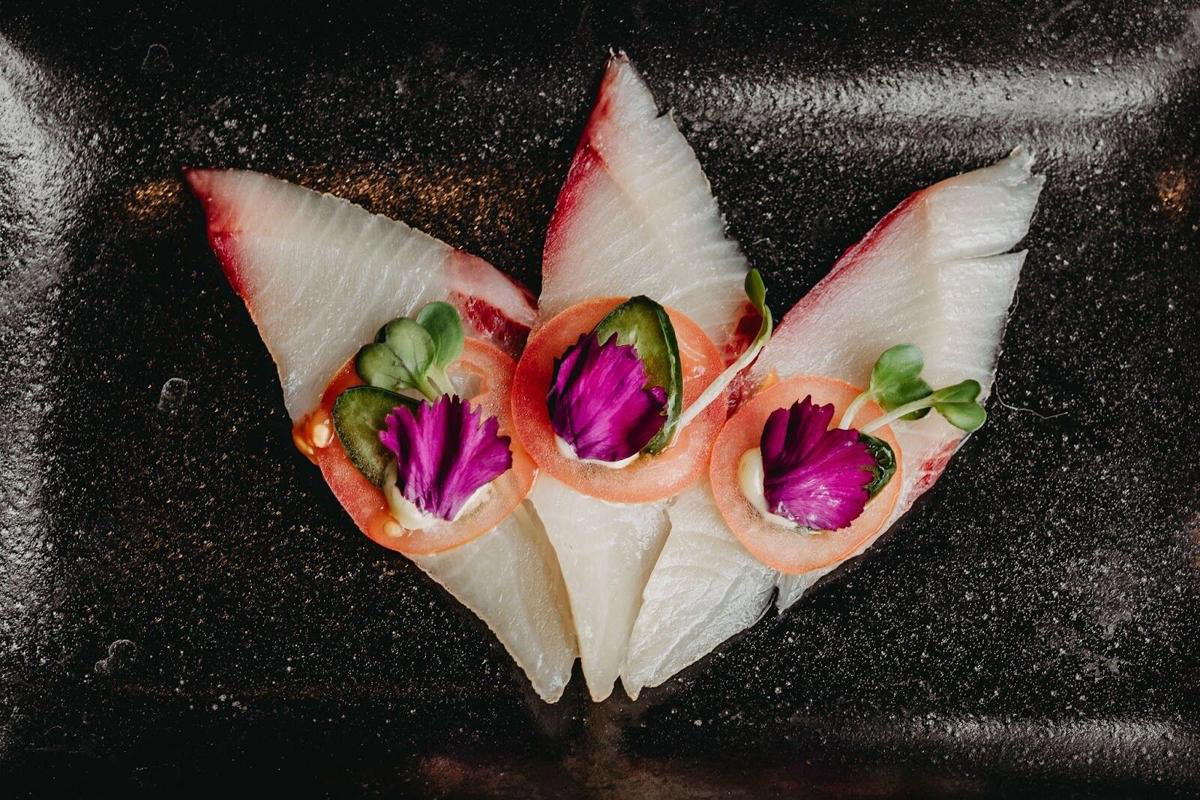
The menu
What to order
- 10-course tasting menu
- Omakase nigiri
- Seasonal fish from Japan and beyond
The room’s defining fact is intimacy: an omakase counter in St Louis, where the usual restaurant distance between kitchen and dining room collapses. In St Louis, that matters. The city’s serious dining culture has long favored hospitality with room around it: established dining rooms, regular-filled rooms, clubby service, patio energy, and restaurants built for occasion. A counter format this focused changes the contract. Omakase asks the diner to watch sequence, temperature, knife work, and service decisions at close range, with less room for distraction and less tolerance for excess.
A focused counter in a city built around bigger tables
St Louis has range, but it is not a market defined by this kind of omakase format. The local conversation often moves between old-line dining rooms, suburban occasion restaurants, neighborhood cooking, and looser social restaurants. Other St Louis dining rooms can offer breadth, comfort, or a more flexible night out, but a tightly composed omakase counter sits in a narrower lane. It competes less with casual dining and more with the idea of a reserved tasting format, where the value is concentration rather than choice.
That distinction is not semantic. Omakase depends on trust in pacing and sequence. Ingredient quality may be part of the appeal, but temperature, preparation, seasoning, and the order of service decide whether the meal feels coherent. In a Midwestern city, the format question becomes sharper because the diner is not relying on the automatic glamour that some coastal rooms inherit. A counter like ACHI – The Omakase Experience has to make the case through format discipline: close attention, sharper scrutiny, and a menu structure that puts handling and timing at the center.
Ingredient sourcing is the argument, not the decoration
American omakase has split into two broad camps. One treats luxury as abundance, layering premium cues and spectacle onto nearly every course. The other follows a quieter logic, where the point is not to add but to edit: choose carefully, season with restraint, and let each piece carry a clean reason for being in the sequence. St Louis diners seeking the second camp should pay attention to counter style and pacing before looking for theatrics. A small-room service environment makes repetition difficult to hide and variation easier to read.
The broader comparison is useful without needing to name faraway reference points. In other cities, focused restaurants can build entire propositions around a narrow format, a single ritual, or a carefully edited set of ingredients. The through-line is not cuisine type; it is whether the meal can explain itself through structure rather than slogans. ACHI – The Omakase Experience belongs in that conversation because its appeal rests on concentration: the diner is close to the work, the sequence matters, and the format leaves little space for filler.
For St Louis, ACHI’s significance is partly corrective. The city does not need every ambitious restaurant to mimic coastal tasting-menu behavior, but a small omakase counter gives local diners a different way to evaluate luxury: by editing, pacing, and sequence. That puts it nearer to specialist formats than to broad-menu restaurants. Compared with Casa Don Alfonso in St Louis, where the experience carries a different sense of polish and occasion, this counter asks for a smaller, quieter attention span.
How to read it within a St Louis trip
St Louis dining rhythms suit this format: business dinners, planned evenings, and reserved meals rather than walk-in grazing. Pairing an omakase counter with the city’s wider food culture makes more sense than treating it as a replacement for it. Visitors can use Our full St Louis restaurants guide for the wider dining map, then build around nearby stays through Our full St Louis hotels guide. Drinking plans belong in Our full St Louis bars guide, while broader regional planning sits in Our full St Louis wineries guide and Our full St Louis experiences guide.
The right diner is not simply someone chasing a familiar category. It is someone who wants the St Louis dining scene to be more granular: fewer distractions, closer technique, a meal shaped by sequencing instead of menu breadth. For a contrasting national scan of ingredient-led casual formats, look generally to the way smaller restaurants in other cities use focus, repetition, and restraint to create identity. ACHI belongs to that larger modern category of restaurants where scale is the editorial statement.
Frequently asked questions
Is ACHI – The Omakase Experience suitable for children?
The counter format is set up for a focused omakase service, so it suits adults and older children more than casual family dining. In St Louis, that format usually works best for guests who can sit through a structured meal.
What kind of setting is ACHI – The Omakase Experience?
ACHI is an intimate omakase counter in St Louis. The format is counter-led and tightly composed, which places it closer to a tasting-room experience than a conventional restaurant dining room.
Where is ACHI – The Omakase Experience in St Louis?
St Louis.
Should I book ACHI – The Omakase Experience in advance?
Yes. A focused omakase counter leaves little room for spontaneous walk-ins, especially in a city like St Louis where this format is still relatively scarce. Advance planning is the practical way to secure a place.
What makes ACHI – The Omakase Experience worth seeking out?
The main draw is the format itself: a focused omakase counter in St Louis rather than a larger, more anonymous dining room. For diners who value close attention and a narrow, deliberate service style, that setting carries real appeal.
Can ACHI – The Omakase Experience handle vegetarian requests?
Vegetarian requests should be discussed before booking, because omakase service is usually built around a fixed progression. The counter format at ACHI is tightly controlled, so advance communication matters more than at à la carte places.
Fast Comparison
Comparable venues by cuisine and price in the same metro.
| Venue | Cuisine | Price | Awards |
|---|---|---|---|
| ACHI – The Omakase ExperienceThis venue — the venue you are viewing | Japanese Omakase | $300–500 | Not listed |
| Casa Don Alfonso | Southern Italian & Mediterranean in a Ritz-Carlton setting | $50–100 | Wine Spectator Best of Award of Excellence |
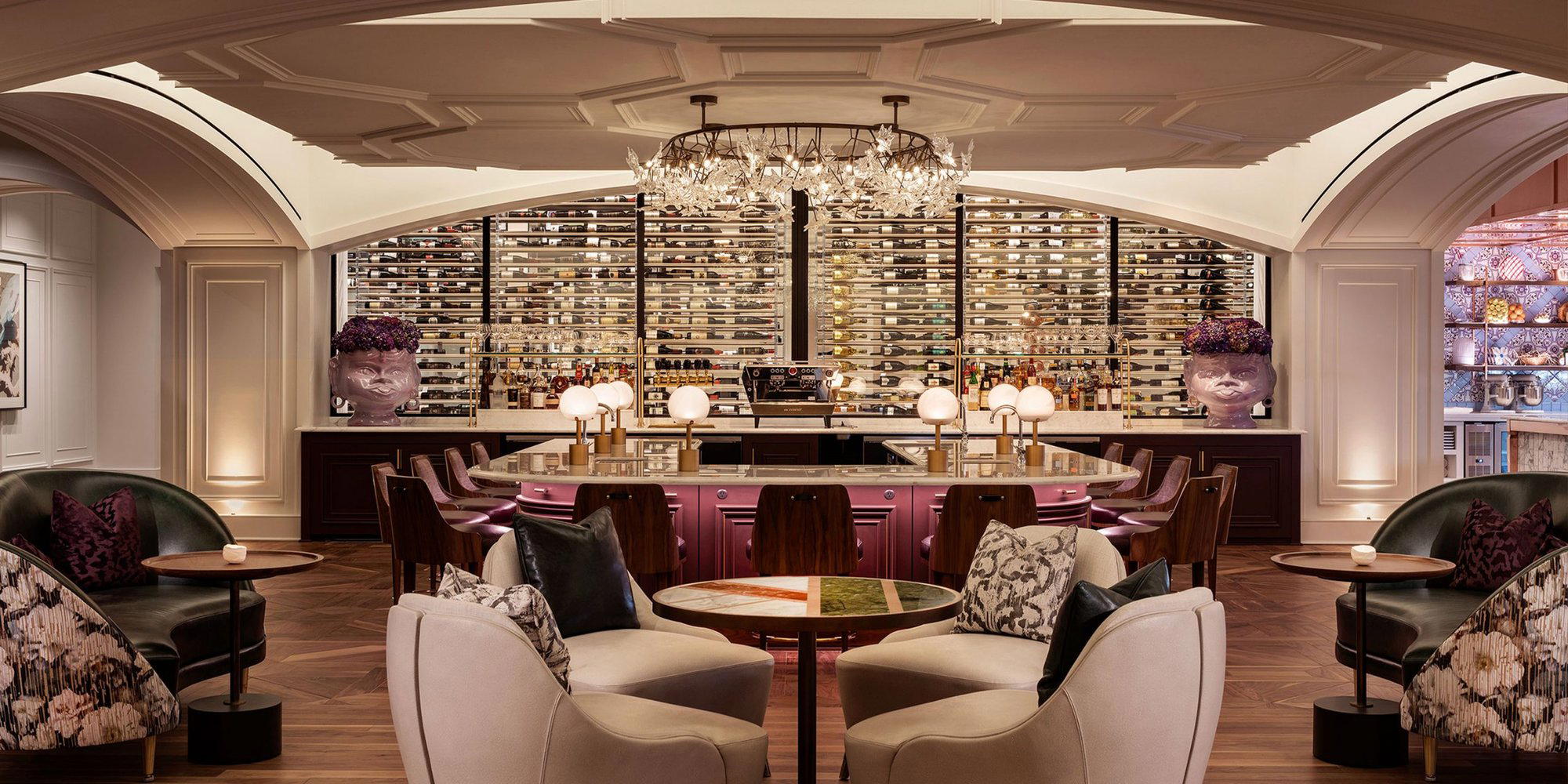
Details
- Intimate
- Elegant
- Sophisticated
- Modern
- Date Night
- Special Occasion
- Business Dinner
- Chefs Counter
- Hotel Restaurant
- Design Destination
- Sake Program
- Sommelier Led
- Local Sourcing
- Sustainable Seafood
- Omakase
- Tasting Menu
- Prix Fixe
- Sake
- Vegan Options
Intimate, chef-driven counter dining with a polished, adventurous omakase feel.