黙熱炒燒烤
黙熱炒燒烤 sits in Heng Ch'un, the gateway town to Kenting National Park at Taiwan's southern tip, where open-flame cooking traditions run deep in the local food culture. The name references the heat and intensity of stir-fry and grilled cooking, formats that define the informal dining scene across this stretch of Pingtung County. Confirmed details on pricing and booking are limited; visiting in person is advisable.
Pearl is the En Primeur Club membership app — saves, bookings, and concierge access live there. Same editors, same standards.
- Address
- Heng-ch’un, 94644
- Directions
- Get directions
 Saves & bookings on Pearl
Fire, Smoke, and the Southern Taiwan Table
At the southern extreme of Taiwan, where the Central Mountain Range tapers into the Hengchun Peninsula and Kenting National Park opens to the Pacific, the local food culture runs on an entirely different register from the fine-dining circuits of Taipei or Taichung. Heng Ch'un is a walled market town, and its eating life is shaped by the rhythms of the peninsula: fishing communities, agricultural produce from the Pingtung plain, and the seasonal flux of visitors heading to the coast. In this context, the open-flame formats of stir-fry and grilled cooking are not a trend or a concept; they are the default grammar of the local table. 黙熱炒燒烤 takes its name directly from that grammar. 黙熱 gestures at a contained, focused heat; 炒燒烤 names the techniques themselves: stir-fry, sear, grill.
Understanding this venue starts with its setting in Heng-ch’un. In Taiwanese towns of this scale, the overlap between 熱炒 (hot-stir street cooking) and 燒烤 (grilled skewer and cut formats) produces a hybrid dining register that is neither a formal restaurant nor a night-market stall. These are typically high-temperature, high-volume operations where the kitchen is visible, the smoke is present, and the ordering is direct. Across Taiwan, 熱炒 culture in particular is tied to communal eating: shared plates, cold beer, and loud tables. The format has deep roots in the country's post-war working-class food culture, and while it has been aestheticised and priced upward in Taipei venues like those you might compare to Golden Formosa Taiwanese Cuisine 金蓬萊遵古台菜餐廳 in 士林, in southern towns it tends to remain closer to its original register: affordable, generous, and centred on proximity to produce.
The Heng Ch'un Context
Heng Ch'un occupies a specific position in Taiwan's food geography. The peninsula's seafood access is direct, with the waters off Kenting producing a different catch profile from northern Taiwan. Pingtung County's agricultural hinterland supplies tropical and subtropical produce that rarely makes it to northern menus in fresh form: certain varieties of papaya, loofah, longan, and specific alliums that inform local seasoning. When 熱炒 and 燒烤 operations in this area are at their leading, they are essentially conducting a rapid, high-heat translation of that hyper-local supply chain onto the plate.
The town itself is a contrast in pace. During peak season, particularly around the Lunar New Year and the summer months when Kenting draws large domestic crowds, Heng Ch'un's streets compress with visitors, and the food operations that serve them scale accordingly. Outside those windows, the town returns to a quieter rhythm that suits more considered eating. For anyone arriving from the north of Taiwan, the adjustment is not just geographic but atmospheric: the humidity is higher, the pace slower, and the food correspondingly more focused on freshness and fire than on elaborate preparation. Venues like JL Studio in Taichung or logy in Taipei represent one pole of the Taiwanese dining spectrum; what Heng Ch'un offers is the other: cooking with fewer intermediary steps between source and heat.
Reading the Name, Reading the Format
The Chinese characters in 黙熱炒燒烤 are worth parsing because they say something about the intended register. 黙 carries a sense of silence or inwardness, an unusual modifier for a cooking style associated with noise and spectacle. Paired with 熱 (heat), it suggests something closer to concentrated intensity than theatrical performance: fire used with focus rather than for display. Whether that reading is reflected in the actual operation or is simply a naming choice is not stated in the record, but it distinguishes this venue nominally from the more boisterous 熱炒 joints common to the format.
炒燒烤 combination in the name signals a kitchen that likely spans at least two distinct technique registers. Stir-fry (炒) requires a wok at extreme heat, constant motion, and timing precision. Grilling (燒烤) is slower and more exposed, relying on the relationship between distance from the heat source and the cut or marination of the protein. Operations that run both well typically have clear station separation in the kitchen and a menu architecture that assigns different proteins and vegetables to each technique based on texture and fat content. In the 熱炒 context, this often means seafood and offal going into the wok, while larger cuts, skewers, and marinated meats migrate to the grill.
Where This Sits in Southern Taiwan's Dining Range
Southern Taiwan's food scene operates at a different register from the Michelin-tracked northern cities. GEN in Kaohsiung and A Xia in Tainan represent the formal end of the southern dining range, operating at price and format levels comparable to Taipei's recognised tables. Heng Ch'un, further south still, has a food culture that sits below that tier in price and formality but not necessarily in quality of ingredient. The peninsula's access to both marine and agricultural supply is a structural advantage, and the leading informal operations in towns like this capitalise on it without the overhead of formal service formats.
For comparison within the immediate area, 六木無煙燒烤 墾丁旗艦店 represents a different approach to the same grilled-meat territory: a larger, more structured operation with smokeless-grill infrastructure that suits the indoor dining preferences of a broader visitor demographic. The two venues occupy different positions within the same general format, which is itself a telling sign of how even within a small town the 燒烤 category has differentiated.
For anyone building a wider itinerary through Taiwan's less-documented eating towns, Chenggong Douhua in Chenggong and Ah Zhen Rou Bao in Lukang represent a similar register of local specificity over formality. The full picture of Taiwan's non-metropolitan food culture is better mapped through venues like these than through the award-circuit tables, important as those are. See our full Heng Ch'un restaurants guide for broader context across the town's eating options.
Planning a Visit
黙熱炒燒烤 is casual and walk-in friendly. The address places it within Heng Ch'un's 94644 postal district, inside the old walled town area or its immediate surrounds. For operations in this format and location, walk-in is the standard mode of entry; reservations, if accepted at all, are typically made by phone on the day. Given the seasonal demand peaks in Heng Ch'un, arriving early in the evening during high season is the practical way to secure a table without extended waiting. The venue carries no current phone or website listing, so one reliable approach is to ask locally on arrival in the town, where this kind of operation tends to be well known among residents even when it has minimal online presence.
Heng Ch'un is approximately 30 kilometres south of Fangliao Station on the Taiwan Railways network, the southern terminus of the western main line. From there, local bus connections or taxi are the standard access route to the town centre. Most visitors arriving for Kenting pass through Heng Ch'un directly; the old town's east or south gates are useful orientation landmarks for finding addresses within the 94644 area.
Cost Snapshot
Comparable venues nearby, for context on price, style, and recognition.
| Venue | Cuisine | Price | Notes |
|---|---|---|---|
| 黙熱炒燒烤This venue — the venue you are viewing | 墾丁大街, Korean BBQ Hot Stir-fry | $ | Not listed |
| 六木無煙燒肉 墾丁旗艦店 | 墾丁大街, 日式無煙燒肉 | $$ | Not listed |
| Gao Xiong Po Po Shaved Ice | Yancheng, Taiwanese Shaved Ice | $ | Not listed |
| Old Arbor Freshly Marinated Dried Tofu | Taoyuan, Taiwanese Dried Tofu Specialty | $ | Not listed |
| ç´ çæå°éµæ¿ç | Not listed | $ | Taoyuan District, ç´ çæå°éµæ¿ç |
| 店小二魯肉飯 | Not listed | $ | Sanchong District, Taiwanese Braised Small Intestine |
Continue exploring
More in Heng Ch Un
Restaurants in Heng Ch Un
Browse all →

Bars in Heng Ch Un
Browse all →

At a Glance
- Lively
- Cozy
- Casual Hangout
- Standalone
- Beer Program
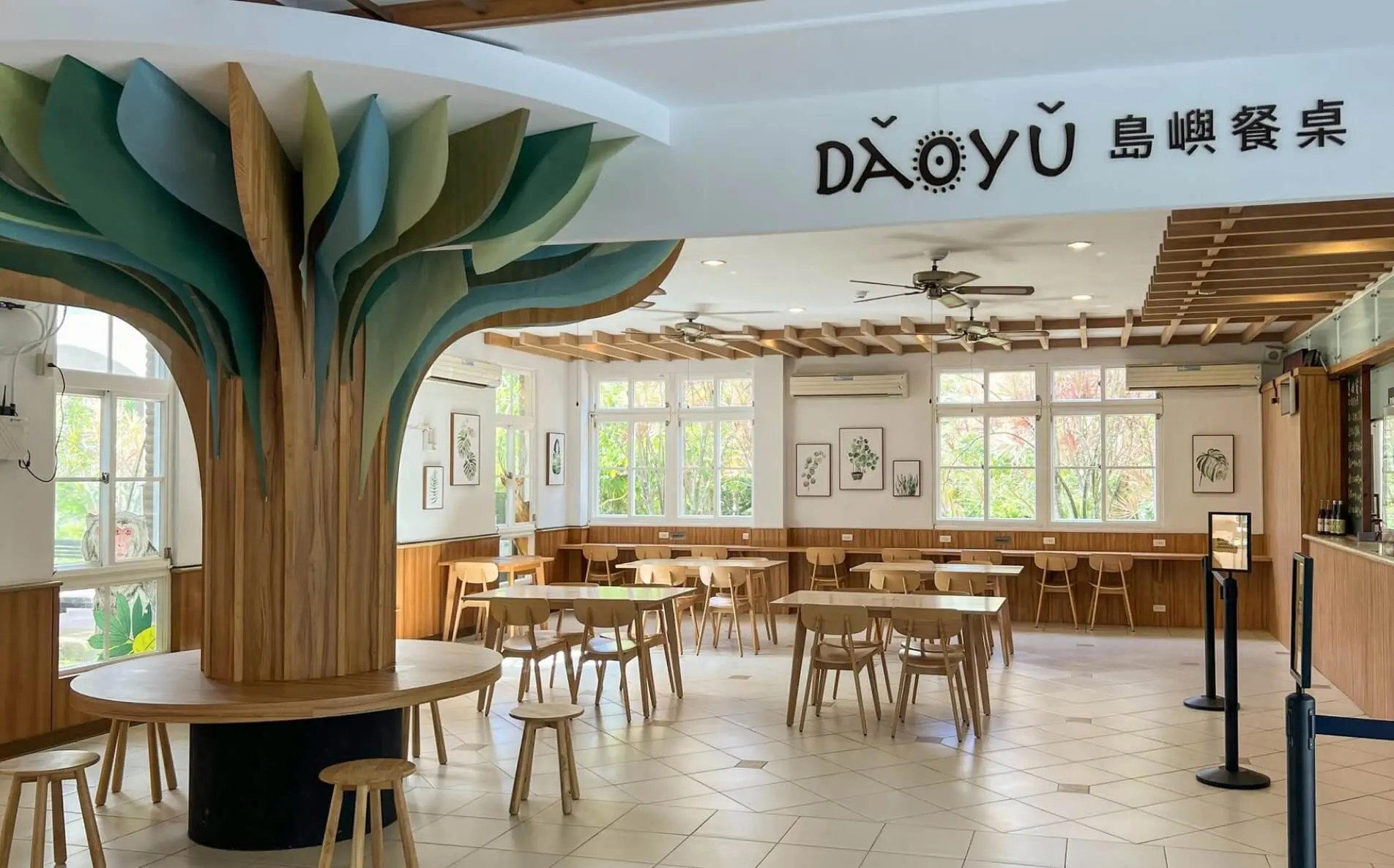
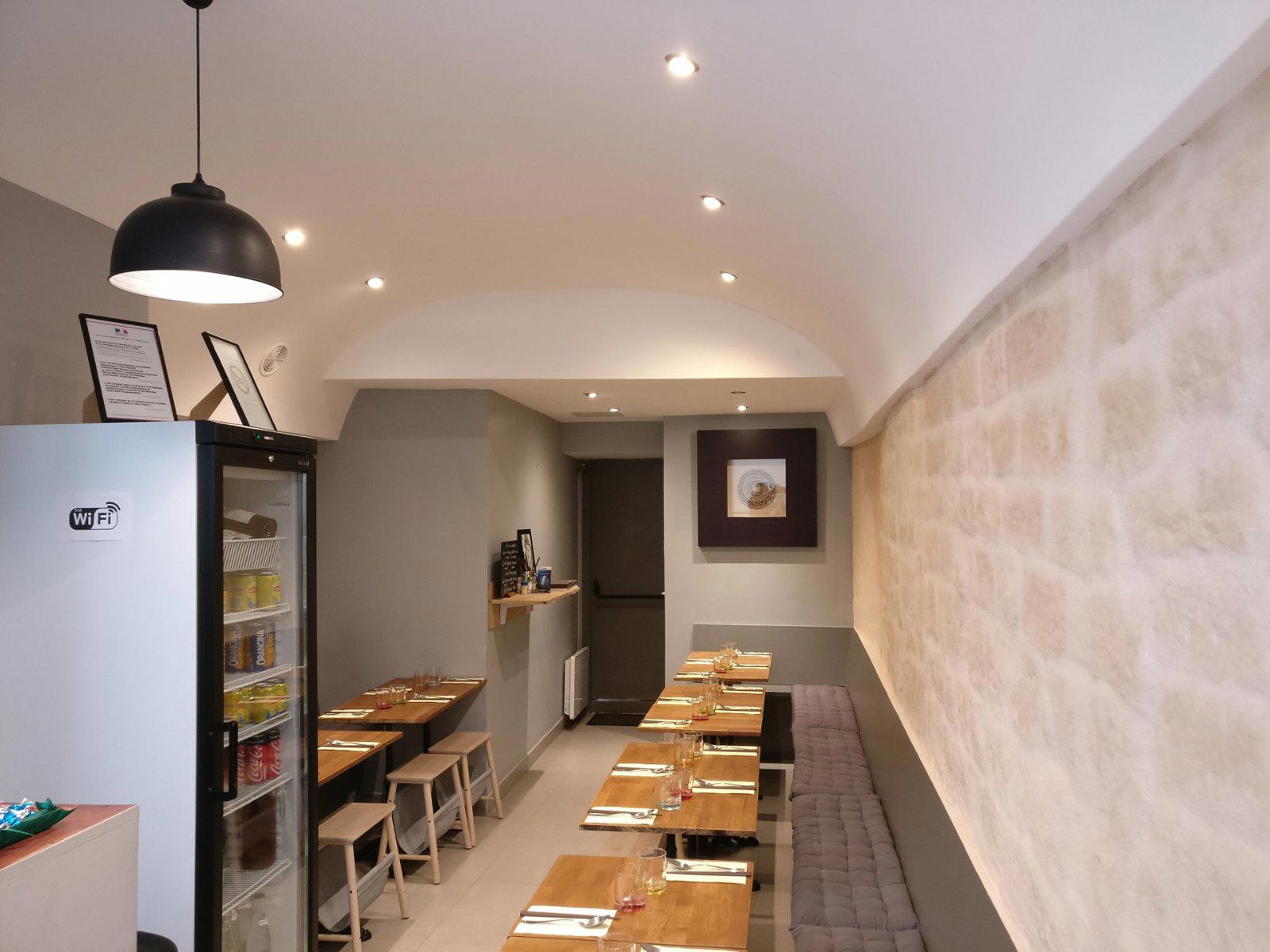
店內簡約輕工業風,寬敞舒適座位乾淨整潔。