← Guides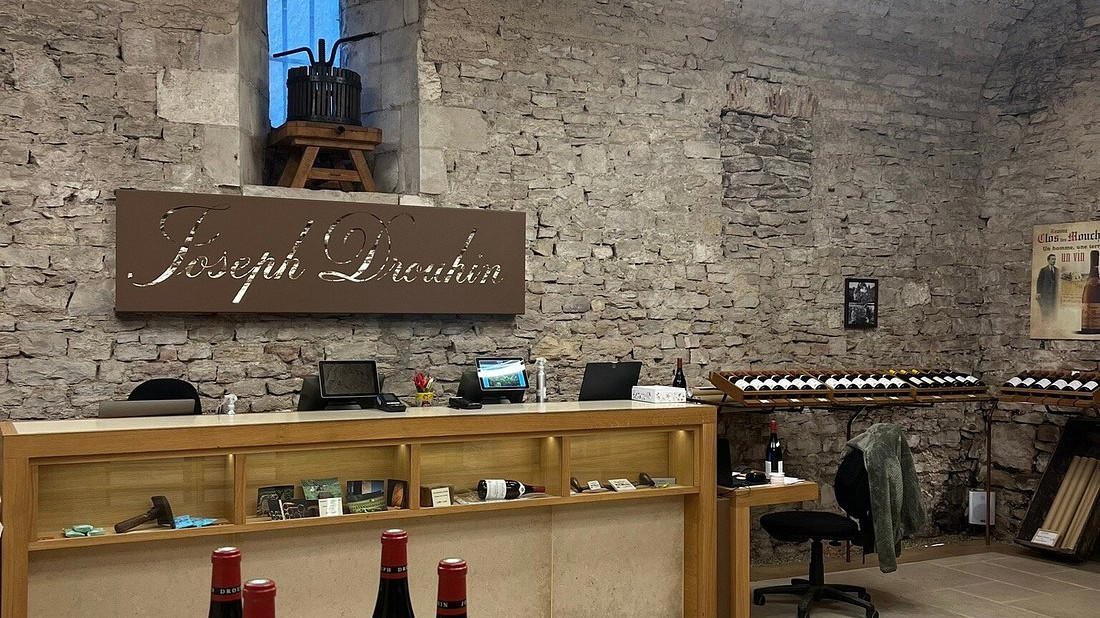
Plan your Beaune wine cellar tours around Joseph Drouhin's medieval limestone cellars, with practical guidance on booking, timing, access, and nearby alternatives.
Plan your Beaune wine cellar tours around Joseph Drouhin's medieval limestone cellars, with practical guidance on booking, timing, access, and nearby alternatives.
Cool limestone, barrel oak, and the muffled sound of Beaune overhead set the tone in Maison Joseph Drouhin's cellars. The passages run under the medieval streets of Beaune itself, some dating to the 12th century, others to the 14th, all carved into the limestone that also gives the Côte d'Or its particular mineral signature. Getting inside is possible, but it is not a walk-in proposition. Drouhin does not operate a public tasting room in the way a Napa estate might; visits are arranged in advance, typically through the maison directly or via a guided tour operator, and availability in peak season, July through September, tightens considerably. The maison does not publish a fixed online booking calendar with open slots, so confirm current availability and format directly with Drouhin before building a Beaune wine cellar tours itinerary around the visit.
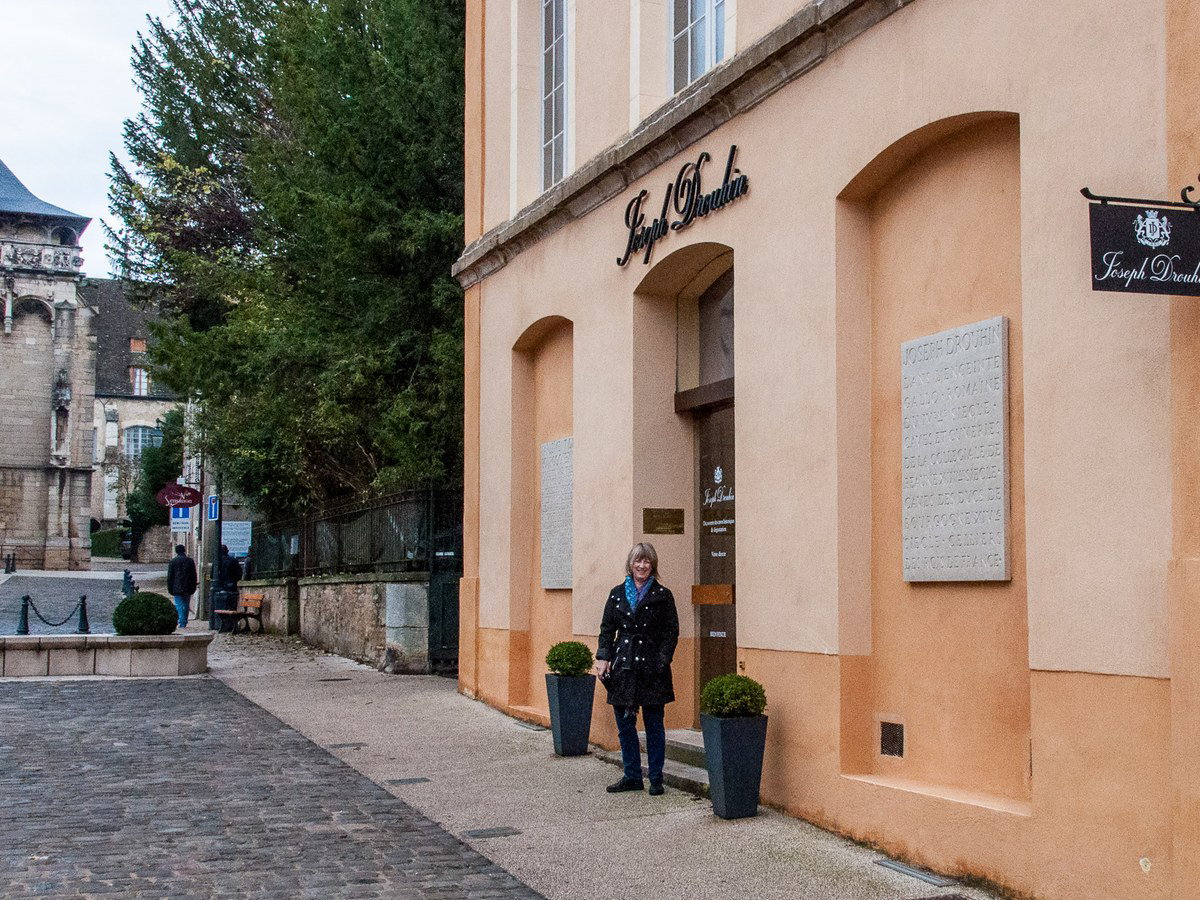
Drouhin is a working négociant-éleveur, not a hospitality business. The cellars beneath the maison's historic headquarters, facing the Collégiale Notre-Dame, are active production and storage spaces, housing wines across multiple appellations from Chablis to Chassagne-Montrachet. If you want a quiet, guided look at a working Burgundy house rather than a casual tasting counter, this is the right kind of appointment to pursue. Foot traffic competes with the daily rhythm of a house that produces across sought-after appellations, including Chambolle-Musigny, Gevrey-Chambertin, and their own Domaine de Vaudon in Chablis.
Beaune itself draws visitors from across the wine world, particularly around the Hospices de Beaune auction each November, among the more watched annual events on the Burgundy calendar. During that window, and across the summer harvest period, any cellar access at a house of Drouhin's standing becomes competitive. The maison is not a small domaine with a single winemaker answering emails; it is a fourth-generation family business with international distribution, and cellar visits are allocated accordingly.
The other constraint is the nature of the cellars themselves. Medieval vaulted passages are not infinitely scalable. Group sizes are limited by the physical space, and the experience is guided; you are not wandering independently through the casks.
One direct route is contacting Drouhin's hospitality team by email at visite@drouhin.com.1 The maison accepts visit requests from individuals and small groups, though the format, whether a cellar walk, a tasting, or a combined experience, varies and is confirmed at the time of booking. There is no live availability calendar or open online booking portal, so plan for correspondence rather than click-to-book.
The guided cellar visit runs at fixed times, 10:00 am, 2:00 pm, and 4:00 pm, Monday to Saturday; the maison is closed Sundays.2 The standard guided visit is priced at €38 per person and includes a personalized promenade through the ancient cellars followed by a tasting of six emblematic wines.2 Duration ranges from one to three hours depending on format.2
For travelers who prefer a structured approach, several Beaune-based tour operators and wine travel specialists include Drouhin cellar access as part of curated itineraries. This route can help if you are building a multi-day Burgundy program; operators with established relationships at the maison may have access to formats not listed publicly. Ask exactly what is included before you commit: a cellar walk without tasting is a different experience from a guided tasting of current releases across appellations.
Trade visitors, sommeliers, merchants, and importers typically access Drouhin through their commercial relationship with the house or via the importer network. If you have a connection through a wine merchant who carries Drouhin, activate that relationship before you travel.
There is no verified third-party platform, such as Resy, Tock, or Viator with confirmed live inventory, that the maison uses as its primary booking surface for cellar visits. Confirm the current booking method directly with the maison before planning around any specific format.
The maison does not publish a release schedule for visit slots, so there is no verified drop time to target. What the Burgundy calendar does tell you is when to avoid leaving your request to the last minute.
November: The Hospices de Beaune auction draws the global wine trade to Beaune for the third weekend of the month. Cellar access across the négociant houses is at its most competitive during this period. If you want to visit during auction week, reach out well in advance, and accept that a confirmed slot is not guaranteed. The maison does not publish a specific lead-time requirement; confirm directly what they need.
July, September: Peak tourist season in Burgundy. Beaune fills with visitors, and the maisons field more requests than they can accommodate. Harvest, typically September into October, adds operational pressure; the cellars are working spaces, and visits may be limited or paused during active harvest activity.
January, March: The quietest window. The trade has dispersed after the en primeur and auction season, tourist volumes are low, and the maison is more likely to have flexibility. If your schedule allows a winter visit, this is when the odds improve, and the experience has its own pull: the cellars lit against the cold, the wines resting in barrel.
April, June: A reasonable middle ground. Spring in Burgundy is active but not yet at summer intensity. Primeur tastings draw trade visitors in the spring, so early April can be busy; May and June tend to be more accessible for individual visitors.
Think of cellar access at a house like Drouhin the way you would think about a wine allocation: the relationship precedes the bottle. These practical angles are worth considering before you send the email.
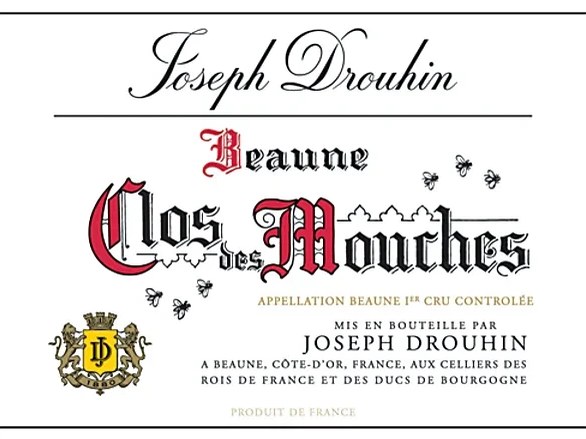
Buy the wines first. If you have a merchant relationship with a Drouhin stockist, particularly one who carries the domaine wines from Chambolle or the Beaune Premier Cru Clos des Mouches, mention it when you reach out. The maison is more likely to prioritize visitors who are already part of the commercial ecosystem.
Be specific in your request. A vague inquiry such as "we'd love to visit" is easier to defer than a specific one such as "we are a group of four, visiting Beaune 14 to 16 March, interested in a cellar walk and tasting of the current Beaune Premier Cru range." Specificity tells the hospitality team what they can actually offer you.
Contact early. The maison does not publish a minimum lead time; for peak-season visits, reach out as far ahead as your schedule allows. For quieter periods, confirm directly what they require.
Consider the trade angle. If you are a sommelier or work in the wine trade, say so. Drouhin's hospitality, like most Burgundy maisons, is calibrated partly toward the trade relationships that sustain their allocation model.
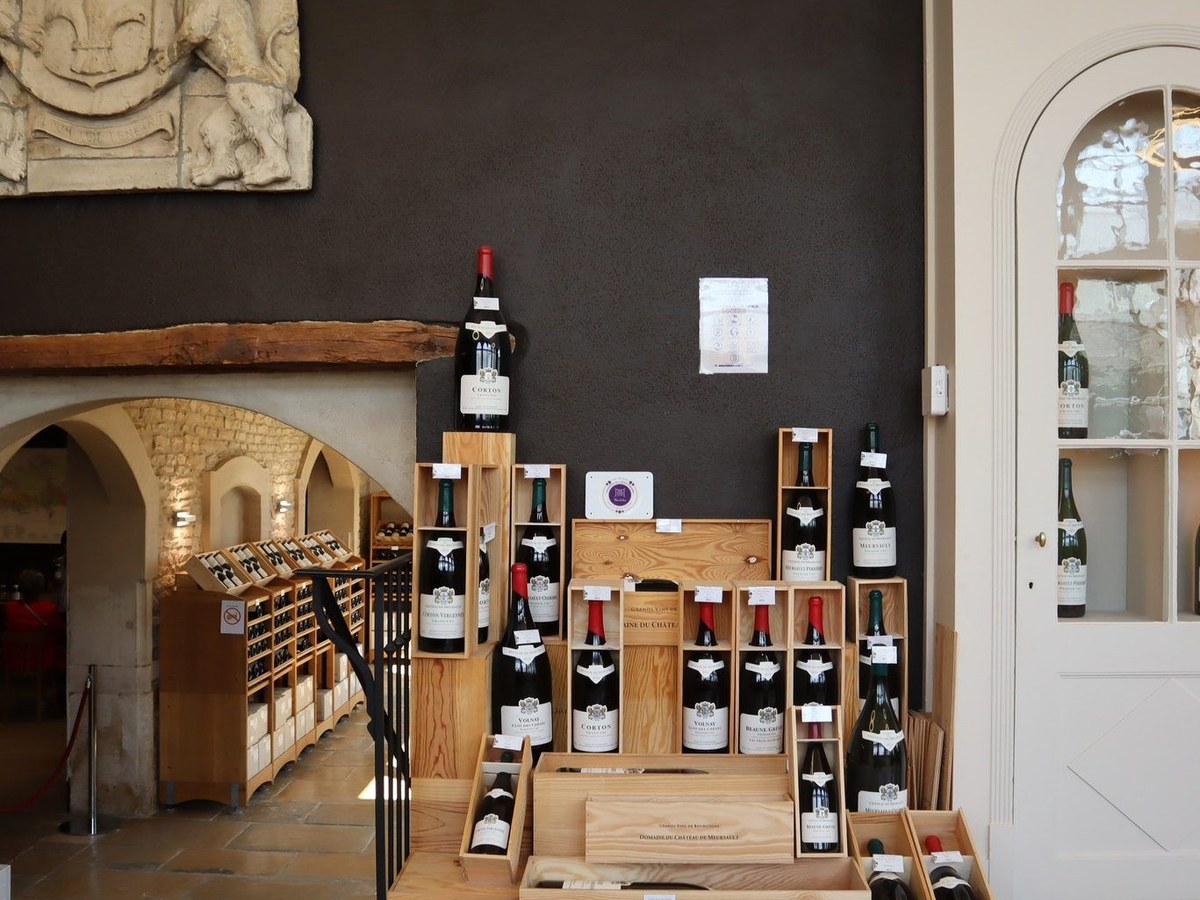
The Oenothèque as an entry point.The Oenothèque Joseph Drouhin, located at 1 Cour du Parlement de Bourgogne, is open from 9:30 am to 6:00 pm, Monday to Saturday,2 and requires no appointment. It carries more than 60 wine references, including older vintages and larger formats,2 a useful way to engage with the portfolio and build a relationship with the maison before pursuing a full cellar visit.
The passages move through different centuries of construction, Gallo-Roman foundations, medieval vaulting, later additions, and the effect is of descending through the geological and architectural strata of Burgundy at once. The limestone walls that hold the temperature steady are the same formation that runs beneath the vineyards of the Côte de Beaune above.
Visits are guided by a member of the maison's team and move through the barrel cellars where wines from across the Drouhin portfolio rest in oak. The house calibrates its oak approach by appellation; village and Premier Cru wines see less new wood than the Grand Cru bottlings. You are likely to see barrels from multiple appellations in close proximity: a Puligny-Montrachet alongside a Gevrey-Chambertin, the geography of the Côte d'Or compressed into a single vaulted room.
The standard guided tour runs approximately 90 minutes, including the tasting component.1 Group visits are available,2 though the medieval passages limit group size by their physical dimensions. Expect a working cellar rather than a polished showroom: barrel oak, cool stone, and the city above softened by centuries of limestone.
The tasting component, when included, typically covers a selection of current releases, often spanning both the Côte de Beaune and Côte de Nuits, and may include wines from Domaine Drouhin Oregon if the format allows. The Beaune Premier Cru Clos des Mouches, one of the maison's signature wines produced from their own vines, is a reasonable expectation for a tasting of this kind, though the specific lineup is confirmed at the time of booking.
Who you share the visit with depends on the format. Individual and small-group visits arranged directly tend to be private or near-private. Tour-operator formats may combine you with other guests, potentially including trade visitors, collectors, or wine-focused travelers from across Europe and North America. The Hospices week brings a notably international crowd; a January visit is more likely to be just your party and a guide.
| Venue | Access Difficulty | Booking Method | Lead Time | Public Booking Platform | Tasting Included |
|---|---|---|---|---|---|
| Joseph Drouhin | Moderate, High | Direct contact (visite@drouhin.com) / tour operator | Confirm with maison; earlier is better in peak season | None verified | Varies by format; confirm when booking |
| Bouchard Père & Fils | Moderate | Direct / tour operators | N/A, confirm with venue | N/A | Typically yes |
| Louis Jadot | Moderate | Direct contact | N/A, confirm with venue | N/A | Varies |
| Patriarche Père & Fils | Lower (more public-facing) | Walk-in / direct booking | Shorter; more accessible | More accessible than négociant peers | Yes, self-guided tasting format available |
| Château de Meursault | Moderate | Direct / online | N/A, confirm with venue | Some online booking available | Yes |
Patriarche Père & Fils, Beaune. One accessible cellar experience in Beaune proper, Patriarche operates one of the largest cellars in Burgundy and offers a more public-facing visit format, including self-guided options with tasting. Choose it if you need lower booking friction or want a first look at Beaune cellar architecture.
Bouchard Père & Fils, Beaune. Another historic négociant with cellars in the Château de Beaune. Bouchard's portfolio includes significant Premier and Grand Cru holdings, and their cellar visits offer comparable depth of Burgundy history. Contact directly to arrange; the format is similar to Drouhin's in terms of guided access.
Domaine de la Vougeraie, Vougeot. If what you want is domaine-level access rather than négociant scale, Vougeraie, owned by the Boisset family, offers visits to their cellars in the Côte de Nuits. The wines span from Bourgogne Blanc through to Bonnes-Mares Grand Cru, and the setting in Vougeot is a short drive from Beaune.
Château de Meursault. For a Côte de Beaune experience with a strong white wine focus, Meursault's château cellars are worth considering. The estate produces across Meursault, Puligny, and Volnay, and the visit format is more structured for individual travelers than some of the larger négociant houses.
The Drouhin cellar visit rewards visitors who already have a relationship with the wines: collectors who have followed the Clos des Mouches across vintages, sommeliers building a Burgundy reference point, or travelers for whom the medieval infrastructure of the Côte d'Or is as interesting as the liquid in the barrel. It is not the right choice for someone new to Burgundy who wants a gentle introduction; Patriarche or Château de Meursault will serve that purpose better and with less planning friction.
The visit is particularly well-suited to a multi-day Beaune itinerary built around the Hospices auction, a spring primeur trip, or a harvest-adjacent visit in late September. Pairing the cellar walk with a meal at one of Beaune's serious tables, L'Écusson or Le Bénaton, both within walking distance of the maison, turns the experience into a full day anchored in the Côte de Beaune. Solo travelers and couples will find the direct-contact route more flexible than groups; larger parties, six or more, should work through a tour operator and reach out earlier.
Yes, if you treat it as an allocation problem rather than a tourist booking. The cellars beneath the former Parliament of Burgundy are among the more historically layered in Beaune, and a guided visit at €38 per person gives you access to six emblematic wines in the space where they are made,2 a different experience from buying a bottle at retail, and for anyone serious about Burgundy, worth the planning effort.
The practical reality is that Drouhin does not make this easy by design. There is no live booking calendar, no platform integration, and no guaranteed format. You contact the maison at visite@drouhin.com,1 state your case specifically, and plan well ahead, particularly for peak season or Hospices week. If the timing doesn't align, Bouchard Père & Fils and Château de Meursault offer comparable cellar depth with somewhat lower access friction.
For the visitor who plans ahead and contacts the maison directly, the cellars are accessible. For the traveler who decides on a Tuesday to visit on Thursday, Patriarche is the more practical call. Either way, the Oenothèque on the Cour du Parlement de Bourgogne is open without an appointment, a useful fallback and, for many visitors, a satisfying destination in its own right.
Burgundy rewards the prepared, and Drouhin's cellars, carved into the same limestone that runs beneath Chambolle and Gevrey, are among the better reasons to prepare well before you arrive.
No. Drouhin does not operate a walk-in tasting room. Cellar visits are by appointment only at fixed times, 10:00 am, 2:00 pm, and 4:00 pm, Monday to Saturday, and arriving without a confirmed booking is unlikely to result in access, particularly during peak season. The Oenothèque Joseph Drouhin, however, is open without an appointment from 9:30 am to 6:00 pm, Monday to Saturday.
The maison does not publish a specific lead-time requirement. Seasonal demand, peak summer and Hospices de Beaune week in November being particularly competitive windows, means earlier contact is always safer. For January through March visits, shorter lead times may be sufficient, but confirm directly with the maison at visite@drouhin.com what they currently need.
The standard guided visit includes a tasting of six emblematic wines, though the specific lineup is confirmed at the time of booking and varies by format. The Beaune Premier Cru Clos des Mouches is one of the maison's signature wines and a reasonable expectation for a full tasting visit, but ask explicitly when arranging your visit.
The visit is best suited to visitors who already have some familiarity with Burgundy's appellations and the Drouhin portfolio. For a first introduction to Beaune's cellar culture, Patriarche Père & Fils offers a more accessible format with a self-guided option and lower booking friction.
January through March offers the lowest competition for visit slots and a quieter, more focused experience. July through September is peak tourist season and one difficult window. The Hospices de Beaune auction in November draws the global wine trade to Beaune, making cellar access across the major maisons highly competitive; contact the maison well in advance if you want to visit during that period, and confirm what lead time they require.
Get the App
Take the shortlist into the En Primeur Club app for concierge access, saved places, and the next step after discovery.
Get Exclusive AccessMore from the editors