← Guides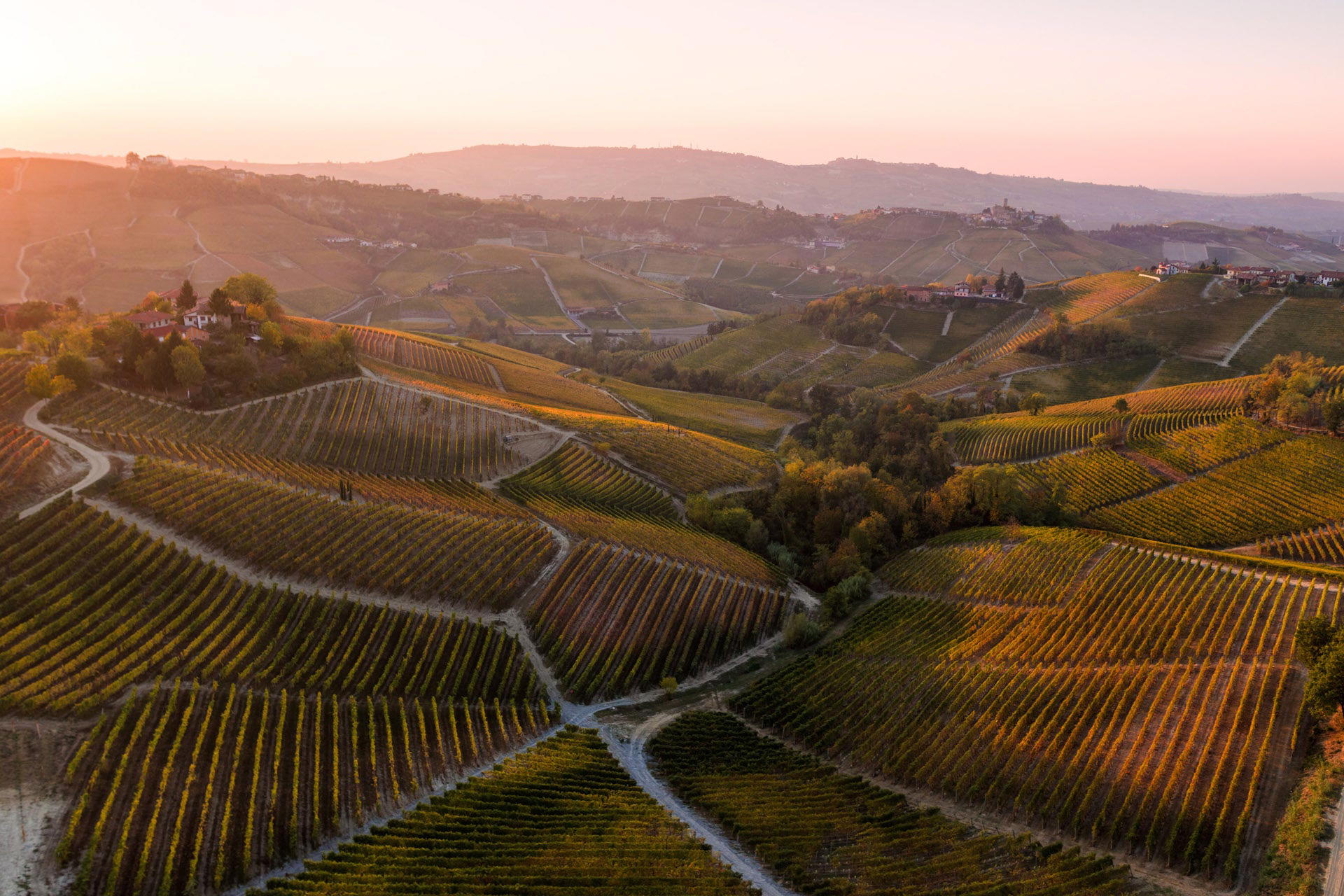
Piedmont’s 14 wine consortia agreed to a planned Extended Geographical Mention, letting Piemonte appear on regional wine labels.
Piedmont’s 14 wine consortia agreed to a planned Extended Geographical Mention, letting Piemonte appear on regional wine labels.
Piedmont’s planned Extended Geographical Mention is expected before the end of the year, giving the name Piemonte a place on any wine label from the region if the announced agreement proceeds as outlined by Piemonte Land of Wine. The Piemonte label change, called Menzione Geografica Allargata, arrives as Italian appellations keep adding narrower origin cues, from Barolo and Barbaresco crus to Vino Nobile di Montepulciano’s 12 Pievi.
The move adds a broader regional marker to a system already rich in appellation, commune and named-site detail. Piedmont has fine-wine recognition through Barolo and Barbaresco, and many of its other denominations are less familiar to buyers in Tokyo, New York or London. Piemonte on the label gives those bottles a regional signal before the smaller appellation name does the rest of the work.
Piemonte Land of Wine announced that Piedmont’s consortia agreed to allow the name Piemonte to appear on any label of wine from the region. The organisation represents Piedmont’s 14 wine consortia, and the new term is called the Extended Geographical Mention, or Menzione Geografica Allargata.
The planned Piemonte label change matters because Piedmont’s existing vocabulary can already carry several origin cues on a single bottle. A wine may lead with a denomination that collectors know immediately, such as Barolo or Barbaresco, or with a name that sits outside the first scan of many export buyers. The new regional wording gives both types of producer access to Piemonte as a shared reference point.
That shared reference point does not erase appellation detail. A bottle carrying Piemonte would still need its denomination to identify Barolo, Barbaresco, Freisa di Chieri, Pinerolese or another wine from the region. The regional mention can make the first sort faster between a familiar Nebbiolo allocation and a less familiar Piedmont name while leaving the serious decision to producer, appellation and vintage.
Francesco Monchiero, president of Piemonte Land of Wine, framed the issue around recognition outside Piedmont’s production areas. Monchiero told Decanter, "Some people in Tokyo or New York might know what Barolo refers to, but who knows about Freisa di Chieri or Pinerolese?"1
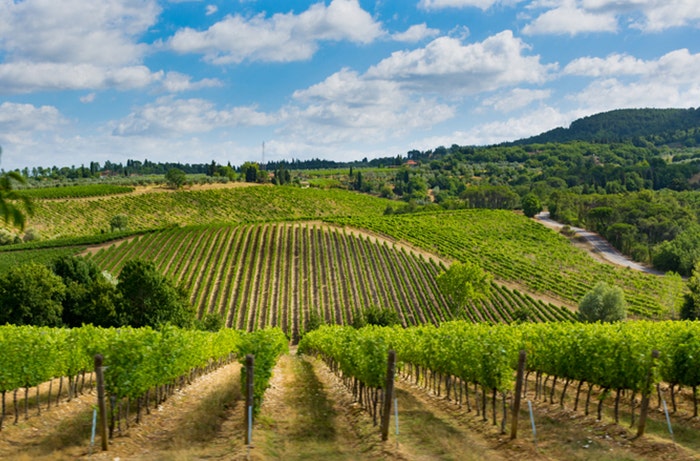
The change would give lesser-known names like Freisa di Chieri and Pinerolese a first point of recognition in markets like Tokyo and New York. Barolo and Barbaresco carry immediate meaning for many fine-wine buyers, and Freisa di Chieri and Pinerolese require more regional literacy. Piemonte gives those lesser-known names a first point of recognition in markets where a label may have only a few seconds to earn attention.
The agreement across 14 consortia also gives the move weight beyond a single appellation. Piedmont’s producers have spent years building value through precise origin, and this new regional mention works in the opposite direction on the map, from the small place back to the larger one.
For collectors, Piemonte is an insider label change to understand before bottles begin carrying the term. Piemonte may become a more visible cue on lists and shelves, especially for denominations that do not enjoy Barolo’s name recognition. The label will still depend on the denomination line, producer name and vintage for cellar decisions.
Burgundy faced a related label problem more than two decades ago. Vins de Bourgogne introduced compulsory additional labelling terms in 2002, requiring Vin de Bourgogne to appear on bottles whatever the appellation level, or Grand Vin de Bourgogne for Village, Premier Cru and Grand Cru appellations.
The Burgundy precedent matters because the region has long influenced the way European wine regions think about named sites. Its hierarchy gives climats and appellations a central role, and the 2002 requirement kept Bourgogne visible on the bottle. The broader regional term helps place the wine before the detailed geography begins.
Piedmont’s Extended Geographical Mention addresses a similar consumer problem. As fine-wine regions add smaller place names, labels become more precise and harder to decode at speed. Piemonte on the label can serve as the first coordinate, while the appellation and any named origin supply the deeper information.
The collector’s discipline remains unchanged. A broad regional mention does not replace the rest of the label. The denomination remains especially important when the bottle comes from outside the-known Piedmont names.
Piedmont’s regional move arrives as Italian denominations continue to add smaller geographical units. Producers of Vino Nobile di Montepulciano announced the introduction of 12 Pievi subzones into production regulations, named after the area’s historical parishes. Barbaresco introduced Additional Geographical Mentions in 2007, followed by Barolo in 2010.
Other Italian regions have followed the same movement toward more exact origin language. Soave, Roero and Conegliano Valdobbiadene Prosecco Superiore with its Rive are cited as examples of territorial subdivision. Beyond Italy, Rioja’s Viñedos Singulares is one of Europe’s prominent examples of the same single-vineyard impulse.
The numbers explain why broader regional names are becoming useful again. Barolo and Barbaresco together have nearly 240 labellable crus, Soave has around 33, and Conegliano Valdobbiadene has 43. Franciacorta is planning to introduce 134 labellable geographical units in an area described as roughly 10 times smaller than Champagne.
The planned change gives the region a way to preserve specificity while making the first read less opaque. A restaurant guest may know Piemonte, Barolo or Barbaresco, then hesitate over a denomination that has not yet entered their buying vocabulary.
Vino Nobile di Montepulciano offers a recent Italian comparison. In 2021, the denomination allowed winemakers to add Toscana to labels. Andrea Rossi, president of the local Vino Nobile di Montepulciano consortium, said the Toscana mention helped increase sales by an additional 20% since implementation.
That 20% figure gives Piedmont’s decision a useful benchmark. Vino Nobile di Montepulciano did not abandon its denomination when Toscana appeared on labels, and its producers have also announced 12 Pievi subzones for more precise origin. The label can carry a recognisable regional name and a narrower territorial cue at the same time.
Sicily offers another working model. DOC Sicilia regulations permit the name Sicilia to be combined with 10 regional denominations, including Etna, Eloro and Monreale. The regional name helps a drinker place the wine immediately, while the smaller denomination keeps the territorial identity visible for those who want to go deeper.
Piedmont’s case is different because Barolo and Barbaresco already sit among Italy’s most visible fine-wine names. The opportunity lies with the broader family of Piedmont denominations, especially those that can benefit from being tied more clearly to Piemonte on a front or back label. The regional name is a starting signal rather than the final buying argument.
The reading sequence starts with Piemonte and then moves directly to the denomination. If the change appears on bottles before the end of the year as expected, the regional term will identify the wine’s broad origin. It will not identify whether the bottle belongs with Barolo, Barbaresco, Ghemme, Freisa di Chieri, Pinerolese or another Piedmont wine.
That distinction matters on restaurant lists and in cellars. A sommelier may be able to present a less familiar Piedmont denomination with a clearer regional anchor, and a collector may be more willing to pause over a name outside the usual Nebbiolo circuit. The same question applies to serious Italian wine: which producer, which appellation, which vintage, and which named place if the label gives one.
Barolo and Barbaresco’s nearly 240 labellable crus and Franciacorta’s planned 134 geographical units show why the issue matters to buyers. Barolo and Barbaresco create a high-resolution map for Nebbiolo drinkers. Franciacorta’s planned 134 geographical units show how far the appetite for subdivision can go. Piemonte on a label moves in the other direction, giving drinkers a larger word to hold while the smaller names multiply.
If Piemonte begins appearing across denominations as planned, the region will have a new tool for export recognition. If Piemonte begins appearing across denominations as planned, the region will have a new tool for export recognition, and particularly useful bottles will make both levels of origin legible: Piemonte first, then the appellation, producer and site that decide cellar placement.
Get the App
Take the shortlist into the En Primeur Club app for concierge access, saved places, and the next step after discovery.
Get Exclusive AccessMore from the editors