← Guides
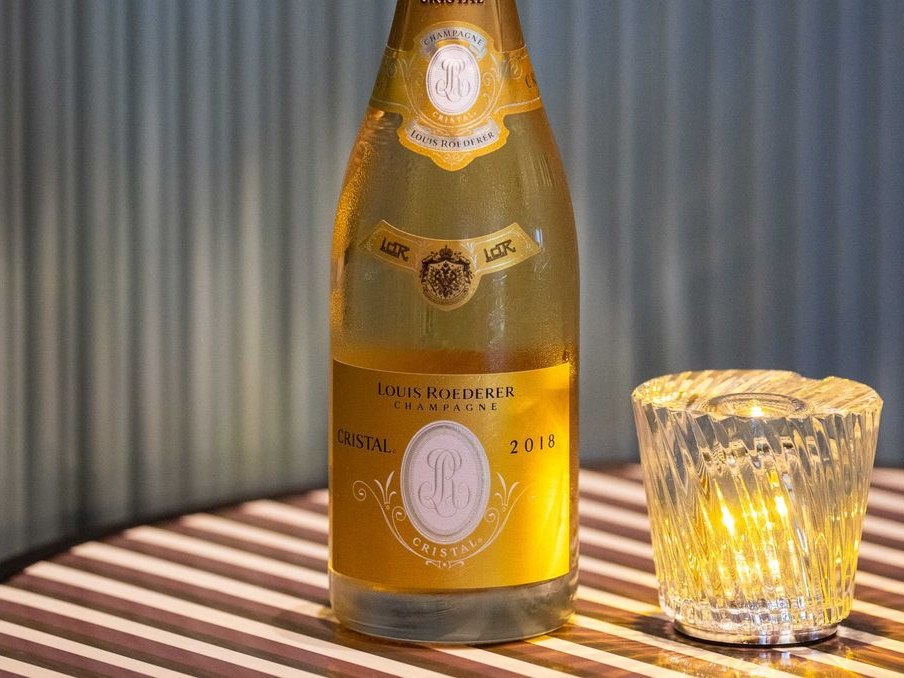
Louis Roederer marks 250 years with Cristal 2018, a Reims anniversary release tied to Cristal’s 1876 origin for Tsar Alexander II.
Louis Roederer marks 250 years with Cristal 2018, a Reims anniversary release tied to Cristal’s 1876 origin for Tsar Alexander II.
The Cristal 2018 release gives Louis Roederer ’s 250th anniversary its collector anchor: a new vintage of the Reims house’s flagship cuvée arriving as Cristal itself marks 150 years. Louis Roederer, founded in 1776 as Dubois Père & Fils and renamed after Louis Roederer in 1833, is using the anniversary year to frame Cristal 2018 alongside older releases from 2008 and 2002 (Wikipedia3).
Cristal 2018 arrives as Louis Roederer marks 250 years in 2026 and Cristal reaches its 150th anniversary. Louis Roederer celebrates 250 years in 2026, while Cristal, created in 1876 for Tsar Alexander II, reaches its 150th anniversary. Champagne houses seldom align a new prestige-cuvée vintage with such a clear historical marker.
The wine also lands in a vintage that demanded selection. The 2018 harvest began in August, and the year is remembered at Roederer for bountiful generosity. Cristal depends on concentration, freshness and length. Jean-Baptiste Lécaillon, Roederer’s cellar master, did not make Blanc de Blancs in 2018 and used that Chardonnay for Cristal instead.
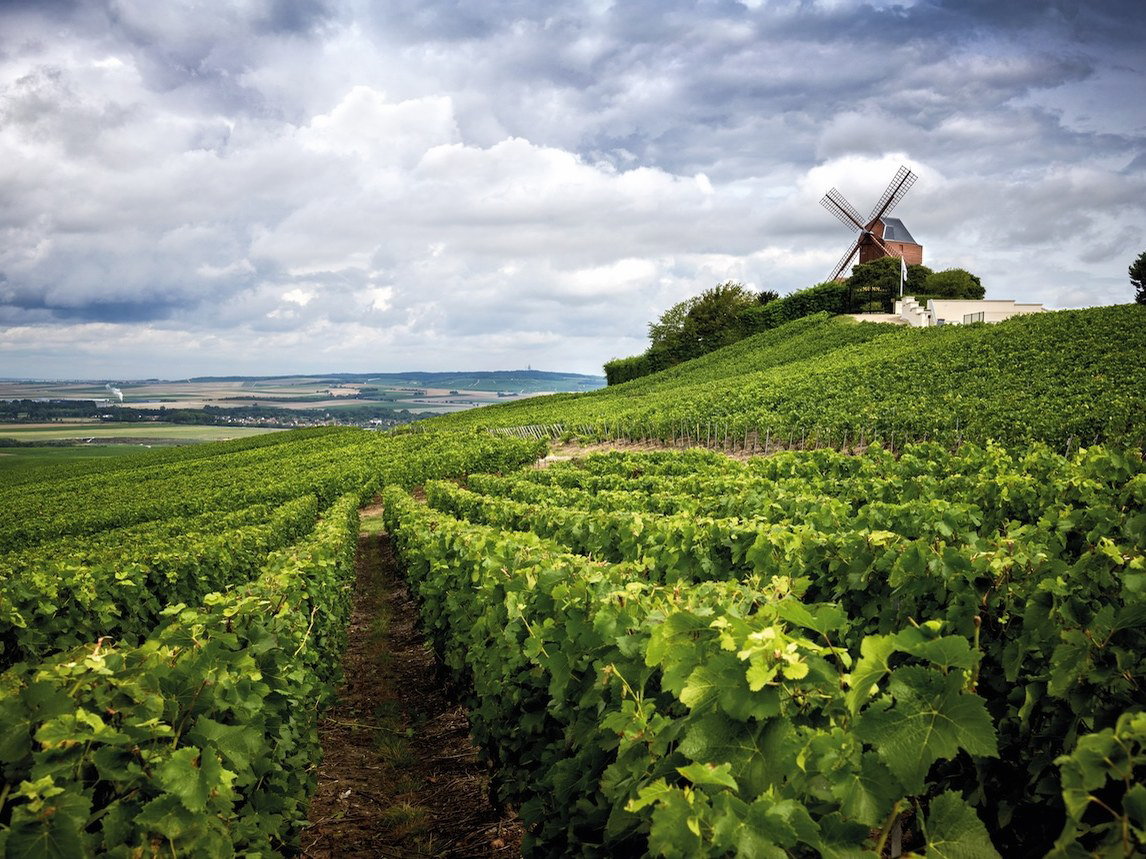
Roederer drew on Chardonnay that might otherwise have gone into a separate house cuvée, pairing it with Pinot Noir resources from Verzenay and Verzy in the northern Montagne de Reims. Verzy is fresh and chalky.
The anniversary bottle also has a practical market signal. Cristal 2018 Champagne is listed at $349.00. In a release season crowded with vintage Champagne, a price tag attached to Roederer’s 250-year milestone gives the bottle a clearer position on a collector’s spreadsheet (Millesima Usa4).
Frédéric Rouzaud became CEO of the Roederer Group in 2006. Frédéric Rouzaud, CEO of Louis Roederer, became CEO of the Roederer Group in 2006, inheriting a house with vineyards across Champagne and beyond (Winespectator5).
The longer family story is not a straight line of comfort. “When my grandmother inherited the house in 1932 it was nearly bankrupt,” said Frédéric Rouzaud.1 That grandmother was Camille Olry-Roederer, the last family member with Roederer in her name to head the company, before Jean-Claude Rouzaud and then Frédéric Rouzaud.
Roederer has more ownership of its grape supply than any other major Champagne house, and its single-vintage wines come entirely from house-owned vineyards. In a region where the relationship between houses and growers defines style as much as cellar technique, that degree of supply control gives Lécaillon and his team room to make hard vintage decisions.
Roederer’s estate now extends beyond Champagne into California, Provence, Bordeaux and Burgundy. The entire estate is worked under organic or biodynamic viticulture, and Louis Roederer received the Robert Parker Green Emblem in 2021. Organic and biodynamic farming at this scale requires decisions made years before a harvest (Wikipedia3).
The location also matters. Louis Roederer is based in Reims, the northern Champagne city with cellar visits and restaurant lists tied to the region’s hierarchy.
The 2018 vintage pushed Roederer toward stricter choices. The harvest began in August, and the crop’s generosity created a question for a wine built for decades in bottle: which parcels had the depth and line to carry the Cristal name?

“We had to look for freshness…there were plots lacking salinity, a bit diluted, and we needed more depth and concentration,” said Jean-Baptiste Lécaillon.2 Jean-Baptiste Lécaillon said they needed freshness, salinity, depth and concentration.
Lécaillon’s answer was to redirect Chardonnay that would normally have supported Roederer’s Blanc de Blancs. The house did not make Blanc de Blancs in 2018, and that fruit helped shape Cristal instead. The blend also drew on younger-vine Pinot Noir from Verzy, described in the release coverage as a route toward a cooler, more mineral expression.
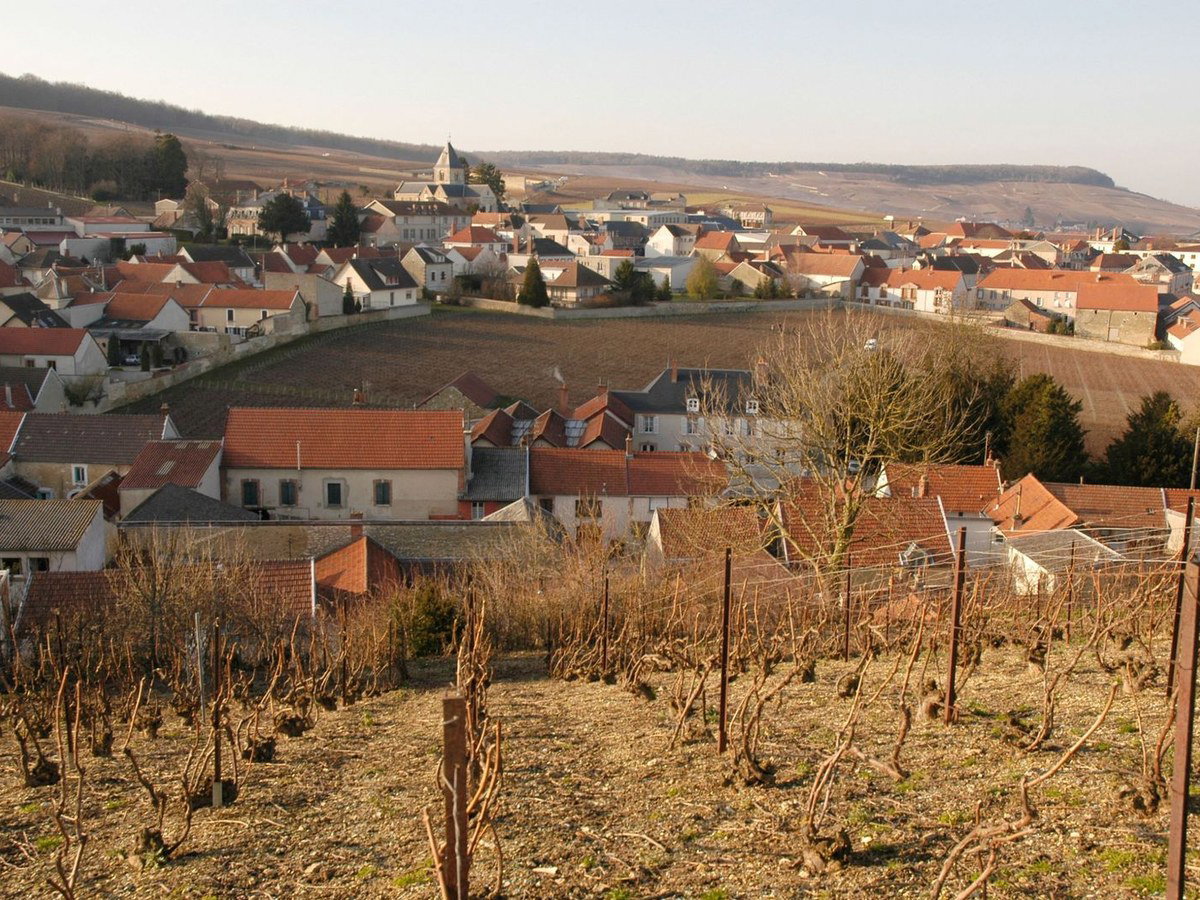
The source vineyards are central to the style. Roederer’s 2018 Cristal highlights Pinot Noir resources in Verzenay and Verzy, two grand cru villages in the northern Montagne de Reims. That part of Champagne gives Cristal 2018 its structural spine within Roederer’s own vineyard holdings, while Chardonnay provides the necessary lift in a generous year.
Cristal 2018 is compared with the tighter 2016 and the more classical 2013. Cristal 2018 carries the substance and tension needed for long cellaring, while showing a different register from the preceding Cristal releases now entering collector circulation.
Roederer is also marking the anniversary with long-aged Cristal releases, including Late Release bottlings from 2008 and 2002 Cristal Rosé Vinothèque.
The 2008 white and rosé Late Release bottlings use poignettage, a technique in which bottles are shaken while ageing on lees every three months. Poignettage aims to add savoury depth and texture during the lees stage.
The 2002 Cristal Rosé Vinothèque goes further in its ageing program. The bottle receives a longer period of shaking, described as four to five years, followed by 11 years on lees and seven on cork. Those numbers give the release its own drinking context, because the wine has already spent a large part of its life under Roederer’s control before reaching a private cellar.
The cuvée relies heavily on Pinot Noir from the grand cru village of Aÿ, with colour and aroma extracted through gentle infusion without the addition of a finished red wine to the blend.
Roederer is showing the new wine beside bottles that have already moved through extended ageing, including formats where lees contact and cork time shape texture.
Cristal has global recognition, and an anniversary release tied to a 250-year house milestone will draw attention from Champagne buyers who usually wait for a critic score, a restaurant placement or a late-release offer. The $349.00 listing precedes secondary-market pricing and private offers.
Cristal 2018 is described in the release coverage as having enough substance and tension to last for decades alongside top vintages.
The anniversary calendar includes the new Cristal 2018 release, 2008 Late Release bottlings and 2002 Cristal Rosé Vinothèque. A cellar that already holds Cristal 2012, 2013 or 2016 can use 2018 to compare the way Roederer handled a generous harvest, then use the 2008 and 2002 releases to understand how the house frames maturity under its own regime.
Reims remains the practical base. Louis Roederer’s home city is part of Champagne’s house culture, while the northern Montagne de Reims villages of Verzenay and Verzy place Cristal 2018 in vineyard geography. Aÿ is central to Cristal Rosé and its Pinot Noir source.
Roederer’s next chapter is its handling of future warm and generous vintages under Jean-Baptiste Lécaillon. Cristal 2018 shows a house using vineyard ownership, organic and biodynamic farming, and the freedom to redirect Chardonnay when the vintage demands it, which is exactly the kind of decision that will separate anniversary bottles from wines that keep earning space in serious cellars.
Get the App
Take the shortlist into the En Primeur Club app for concierge access, saved places, and the next step after discovery.
Get Exclusive AccessMore from the editors