← Guides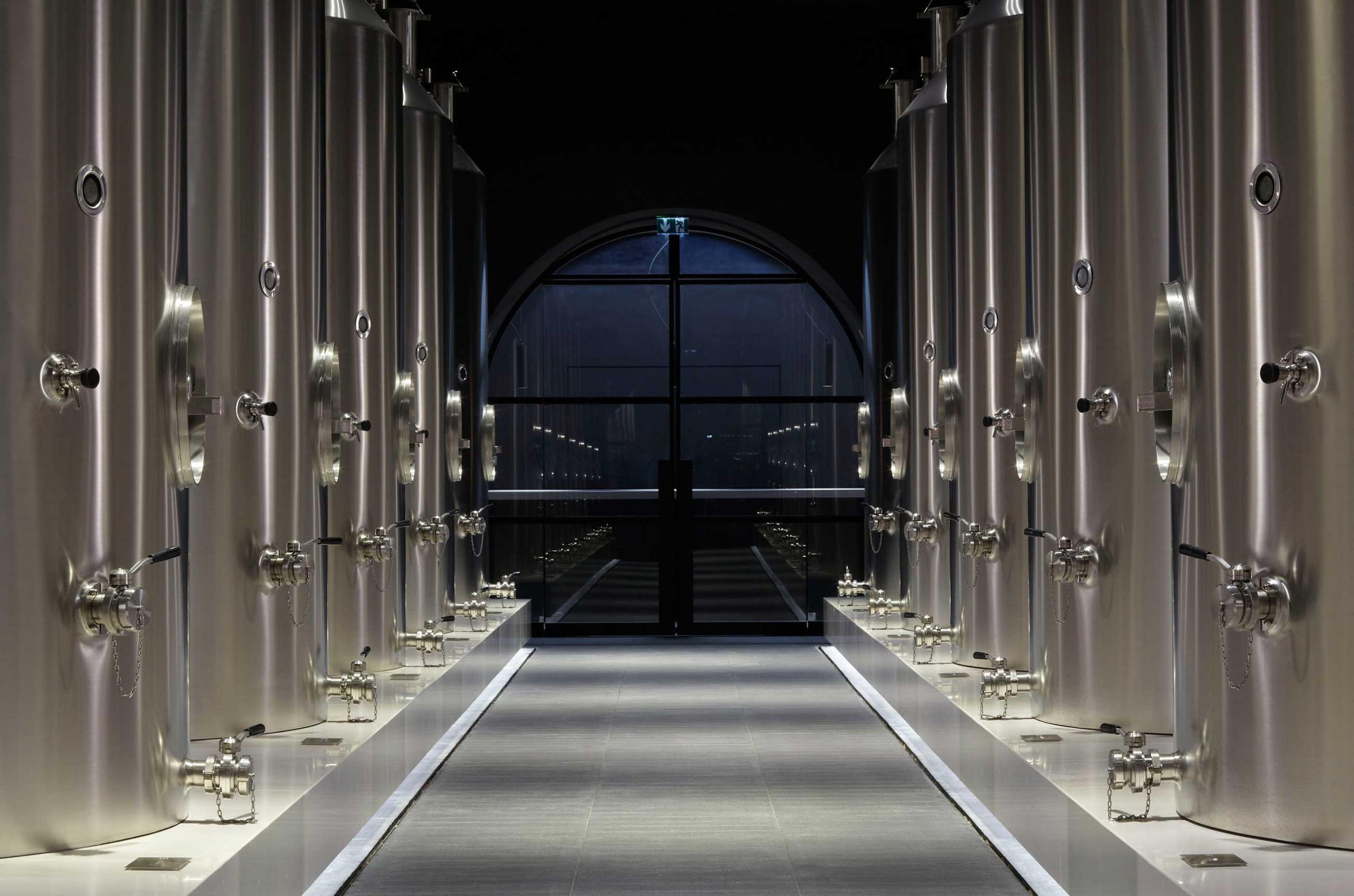
Wine Enthusiast honors Laurent-Perrier, the Tours-sur-Marne house Bernard de Nonancourt took over in 1948.
Wine Enthusiast honors Laurent-Perrier, the Tours-sur-Marne house Bernard de Nonancourt took over in 1948.
Champagne Laurent-Perrier is Wine Enthusiast’s European Winery of the Year, and the honor reaches back to 1948, when Bernard de Nonancourt took over the Tours-sur-Marne house. This Laurent-Perrier European Winery recognition reads most clearly through the wines he put into motion, Grand Siècle in 1959, Cuvée Rosé a decade later, Ultra Brut, and a stainless-steel vinification approach credited with shaping the house’s bright, precise style.
For collectors who already understand Champagne by house signature rather than label hierarchy alone, the Wine Star Award gives Laurent-Perrier a timely frame. It places current releases, from the non-vintage cuvées to Grand Siècle and the new Héritage Brut, inside a lineage of technical decisions made to preserve purity, elegance, precision and finesse in the glass.
Wine Enthusiast’s European Winery of the Year honor lands on a house with an unusually clear through-line: a family in Tours-sur-Marne, a postwar leader with a defined style, and a portfolio built around Champagne without excess weight. Laurent-Perrier’s recognition celebrates a producer whose choices shaped how many serious drinkers now read Champagne, through freshness, texture, dosage, reserve strategy and cuvée architecture.
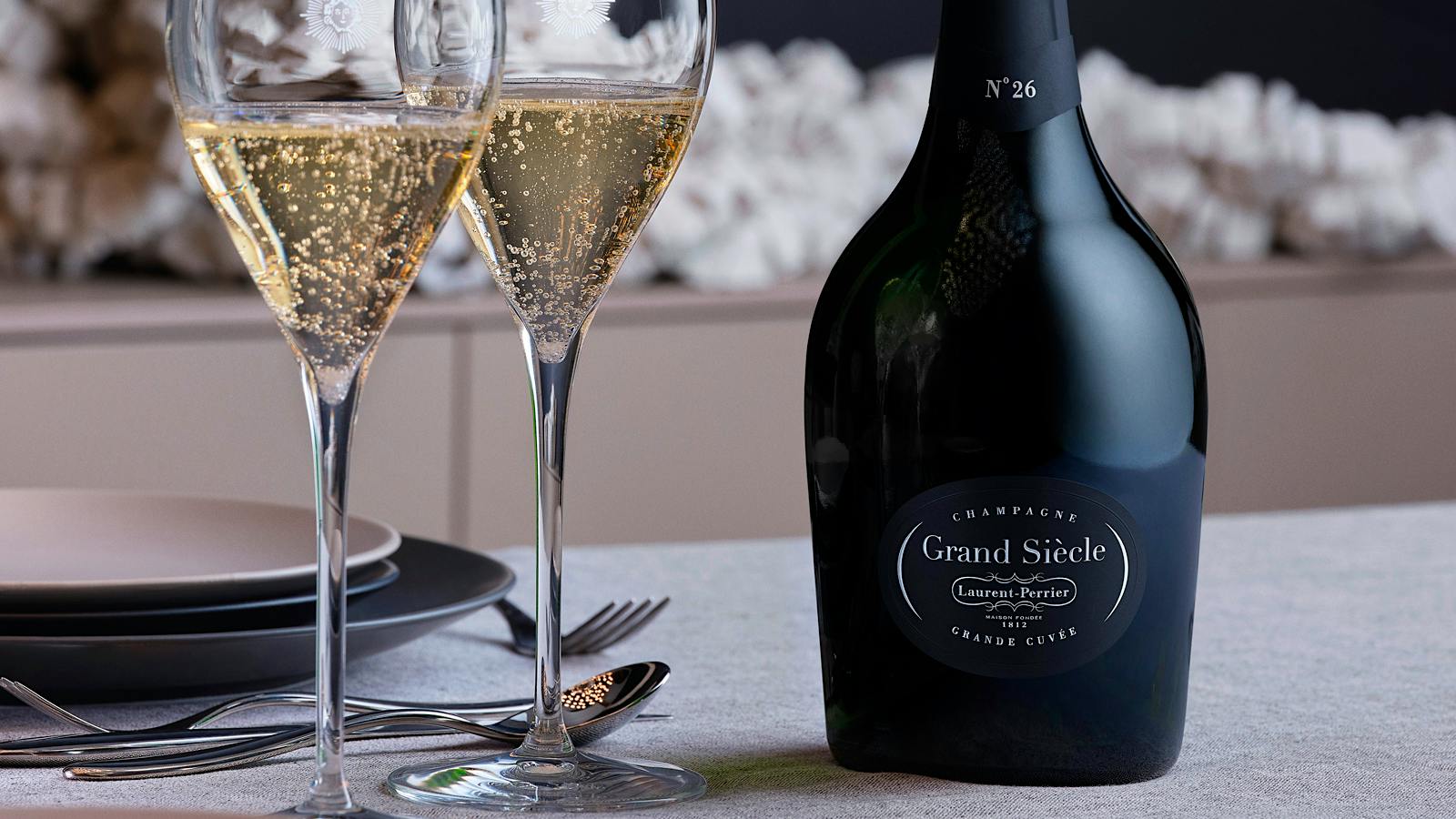
With Laurent-Perrier, the award directs attention to the house’s internal logic: stainless steel for brightness and precision, Grand Siècle as a prestige cuvée assembled from notable years, Cuvée Rosé through maceration of Pinot Noir, and Ultra Brut as an early articulation of non-dosage Champagne.
Many collectors are looking beyond single-vintage Champagne as the only cellar marker. The cuvée is built around the pursuit of a complete expression rather than the weather of one year.
Laurent-Perrier belongs to Champagne, but the village name matters because the house’s identity has been shaped through family stewardship and cellar decisions rather than a generic regional gloss.
Bernard de Nonancourt took over Laurent-Perrier in 1948 and became CEO at the age of just 28.
De Nonancourt envisioned a refreshing Champagne style defined by purity and elegance. Laurent-Perrier credits him with pioneering stainless-steel vinification at the house, a technical choice linked to the bright and precise character of the wines. Stainless steel keeps the style focused on fruit clarity and aromatic definition rather than oxidative breadth.
Grand Siècle followed in 1959. The collector implication is direct: Grand Siècle asks to be understood as an exercise in blending intelligence, not as a dated trophy tied to one harvest.
Cuvée Rosé arrived a decade after Grand Siècle, made through the maceration of Pinot Noir. That method matters because it places color, aroma and structure in the hands of skin contact rather than a simpler color adjustment. In a cellar lineup, Cuvée Rosé signals the house’s willingness to let Pinot Noir speak through texture and extraction while staying within Laurent-Perrier’s disciplined frame.
Ultra Brut reflects Laurent-Perrier's longer pursuit of precision in non-dosage Champagne. De Nonancourt’s vineyard knowledge led him to pioneer the style, which Wine Enthusiast links to the rise of the non-dosage category. Laurent-Perrier’s place in brut nature and zero-dosage Champagne predates the current fashion for low-dosage wines. The house’s Ultra Brut history belongs to a longer pursuit of precision rather than a recent stylistic pivot.
Alexandra Pereyre de Nonancourt and Stéphanie Meneux de Nonancourt now lead Laurent-Perrier. The present house is still measured through decisions in the cellar, the range and the glass.
“Our father taught us to question the ordinary while honoring the people, terroir, and traditions that came before us,” said Stéphanie Meneux de Nonancourt.1 At Laurent-Perrier, stainless steel, Grand Siècle, Cuvée Rosé and Ultra Brut all came from a house culture that treated change as a way to clarify style.
Stéphanie also framed the Wine Enthusiast honor as belonging to the entire Laurent-Perrier family, crediting the growers who tend the vineyards, the chefs de cave and winemaking team, and the house’s partners in the United States.
Olivier Vigneron is Laurent-Perrier’s Cellar Master, and his role sits at the practical center of that continuity. The award may arrive with family names at the front, but the wines reach the table through the work of the cellar team and the growers whose fruit must fit the house’s pursuit of precision and finesse. In Champagne, that chain of responsibility is often where a familiar label either remains focused or drifts into repetition.
Lucie Pereyre de Nonancourt arrived in September 2019. Alexandra’s eldest daughter, who represents Grand Siècle around the world. For a prestige cuvée built on an idea rather than a single vintage declaration, that ambassadorial role matters: Grand Siècle requires explanation, context and patient comparative tasting (Laurent Perrier2).
Launched in 1959, it stands apart from the conventional single-vintage prestige cue by assembling notable years. Grand Siècle is a prestige cuvée built from the blender’s pursuit of harmony across years rather than the signature of one harvest.
Cuvée Rosé deserves a separate place in the conversation because Laurent-Perrier makes it through maceration of Pinot Noir. The method is demanding, and it gives the wine its identity through contact with skins rather than a shortcut of color. Pinot Noir rosé Champagne can sit comfortably with richer fish, poultry, charcuterie and dishes where red-fruit tone and freshness matter at the same time.
Ultra Brut speaks to a different audience, the drinker who pays attention to dosage and texture. Laurent-Perrier’s role in the non-dosage category gives Ultra Brut historical weight within the portfolio. In a tasting sequence, it can clarify the house’s appetite for precision because the wine has less sweetness to round its edges.
The new Héritage Brut adds a current marker to the range. Wine Enthusiast places it alongside the non-vintage cuvées and Grand Siècle as part of a signature of precision and finesse. Héritage Brut sits beside the established cuvées as Laurent-Perrier extends its house style beyond legacy labels.
The non-vintage cuvées remain essential because Champagne houses reveal their discipline most often through repeatable signatures. Laurent-Perrier’s award covers the range as a whole, with Grand Siècle at the summit but not alone in the analysis.
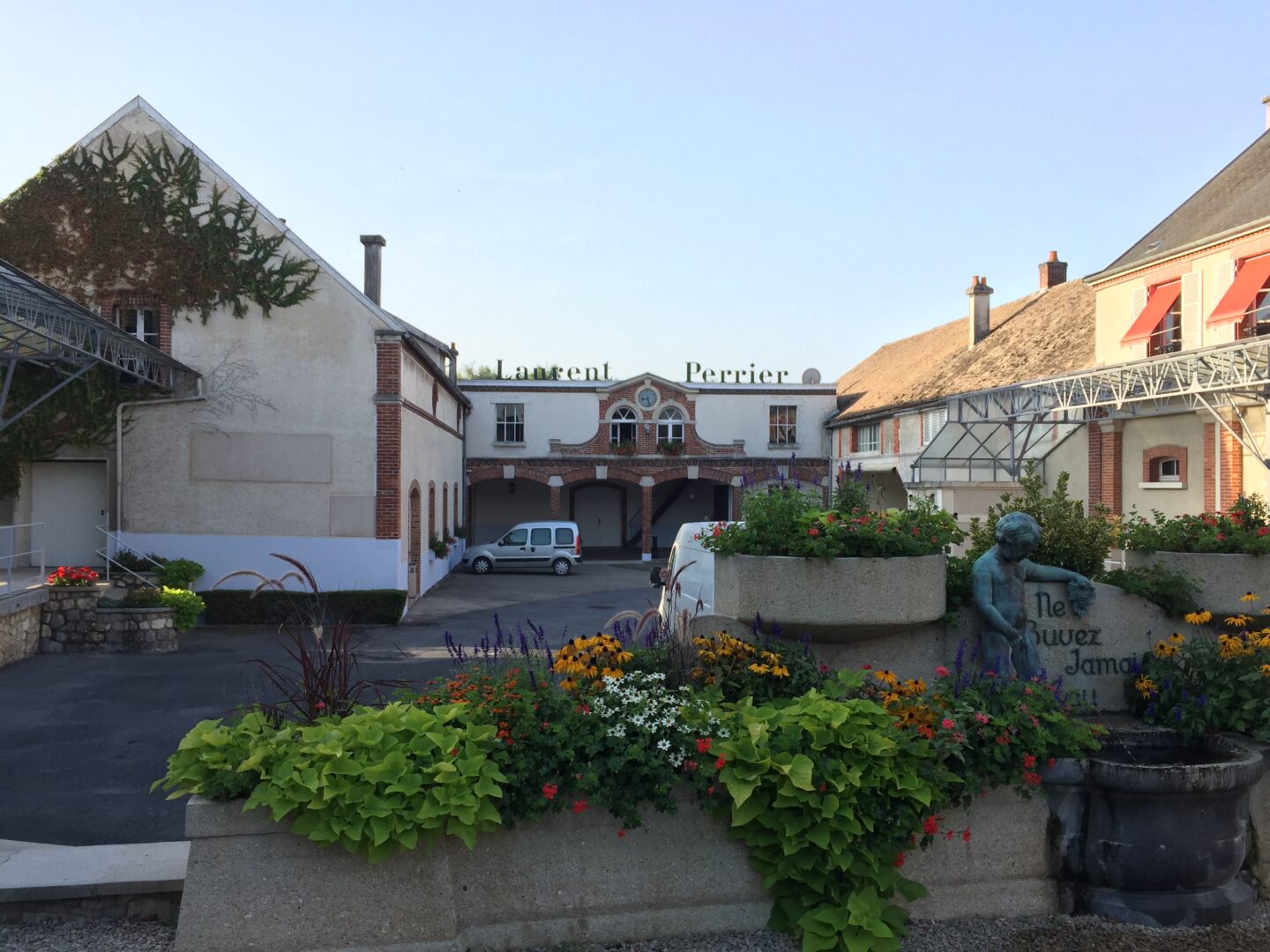
Laurent-Perrier’s story begins well before Bernard de Nonancourt. André-Michel Pierlot settled in Tours-sur-Marne in 1812 as a champagne wine merchant, after work as a cooper and bottler in Chigny-les-Roses. Mathilde-Emilie Perrier later took over the company after Eugène Laurent died in 1887, adding her surname to his and giving the house the Veuve Laurent-Perrier name. Those details matter because the current award rests on a house with long family continuity, then a decisive post-1948 period of technical and stylistic definition (Laurent Perrier2).
The non-vintage cuvées show the house signature. Ultra Brut shows the house’s approach to dosage and mineral line. Grand Siècle can show its structure alongside food without competing sweetness or heavy sauce.
The Laurent-Perrier European Winery honor will not reduce the house to one release or one cellar trophy. The Laurent-Perrier European Winery honor highlights the decisions behind the labels: stainless steel, multi-year prestige blending and macerated Pinot Noir rosé. Alexandra Pereyre de Nonancourt, Stéphanie Meneux de Nonancourt, Olivier Vigneron and the wider Laurent-Perrier team carry the house’s precision and finesse across generations.
Wine Enthusiast named Champagne Laurent-Perrier its European Winery of the Year. The article covers the house’s post-1948 evolution, including stainless-steel vinification, Grand Siècle, Cuvée Rosé and Ultra Brut.
The award highlights Grand Siècle as one of Bernard de Nonancourt’s defining contributions to the house. Launched in 1959, it was conceived as a prestige cuvée assembled from notable years rather than a single vintage.
Laurent-Perrier is based in Tours-sur-Marne.
Laurent-Perrier’s style is bright, precise, pure, elegant and fresh. Its use of stainless-steel vinification is a key technical choice supporting fruit clarity and aromatic definition.
Get the App
Take the shortlist into the En Primeur Club app for concierge access, saved places, and the next step after discovery.
Get Exclusive AccessMore from the editors