← Guides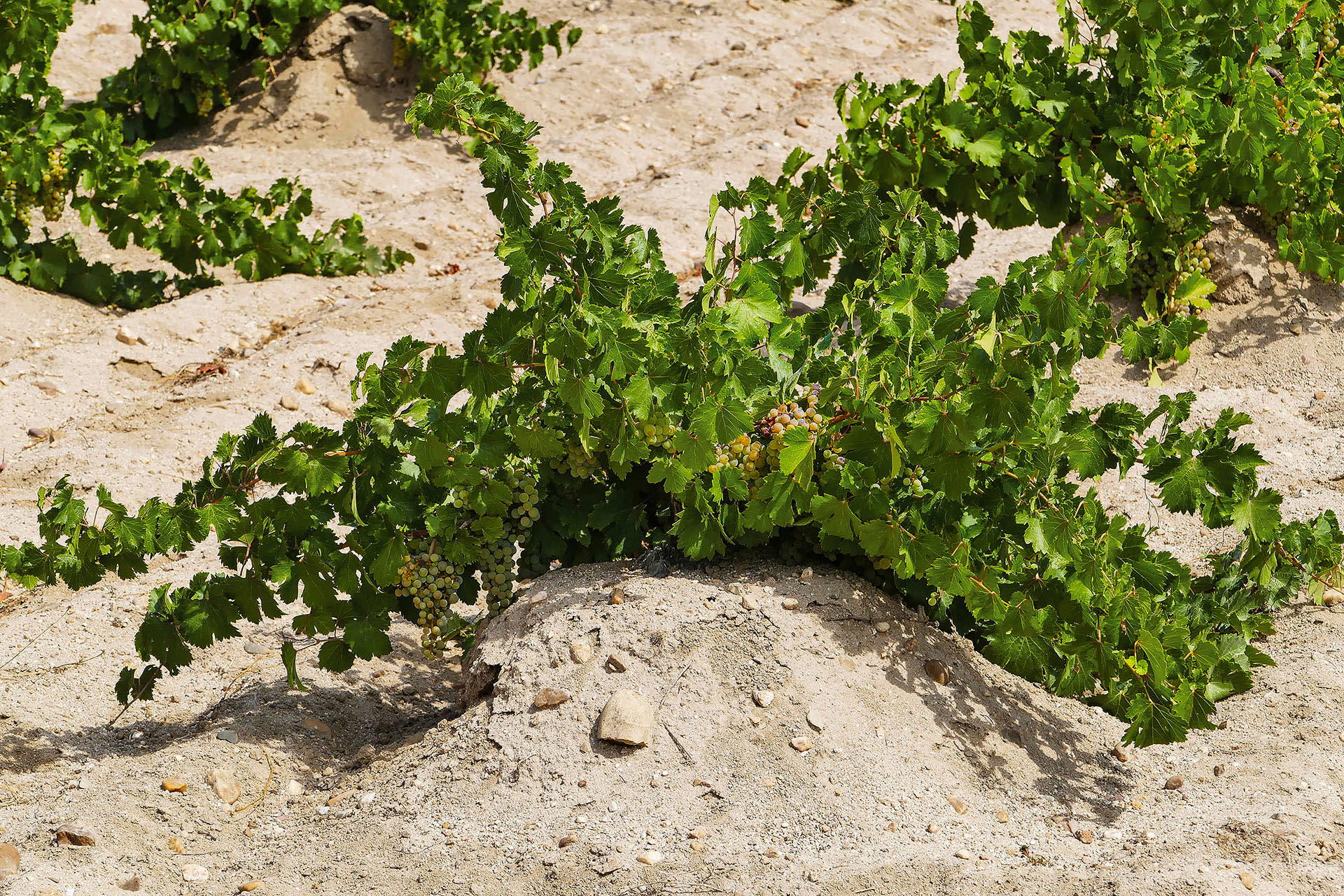
Caíño Blanco nearly disappeared 45 years ago; its Rías Baixas revival now gives collectors a sharper lens on Spain’s white wines.
Caíño Blanco nearly disappeared 45 years ago; its Rías Baixas revival now gives collectors a sharper lens on Spain’s white wines.
A parcel of Caíño Blanco vines at Bodegas Terras Gauda in O Rosal now carries the weight of a grape that, around 45 years ago, was approaching extinction. Caíño Blanco, a white wine variety in Spain’s Rías Baixas, returned to sharper focus on Thursday 5 November 2026, when Ferran Centelles wrote about “the king that almost disappeared” for JancisRobinson.com (JancisRobinson.com1).
Centelles says Caíño Blanco’s decline was not because people disliked the wines. That distinction matters for anyone reading Spain’s white-wine future through rescued local varieties rather than familiar names alone.
Caíño Blanco enters the conversation through Rías Baixas, the Galician region that gives the story a precise address rather than a romantic blur.
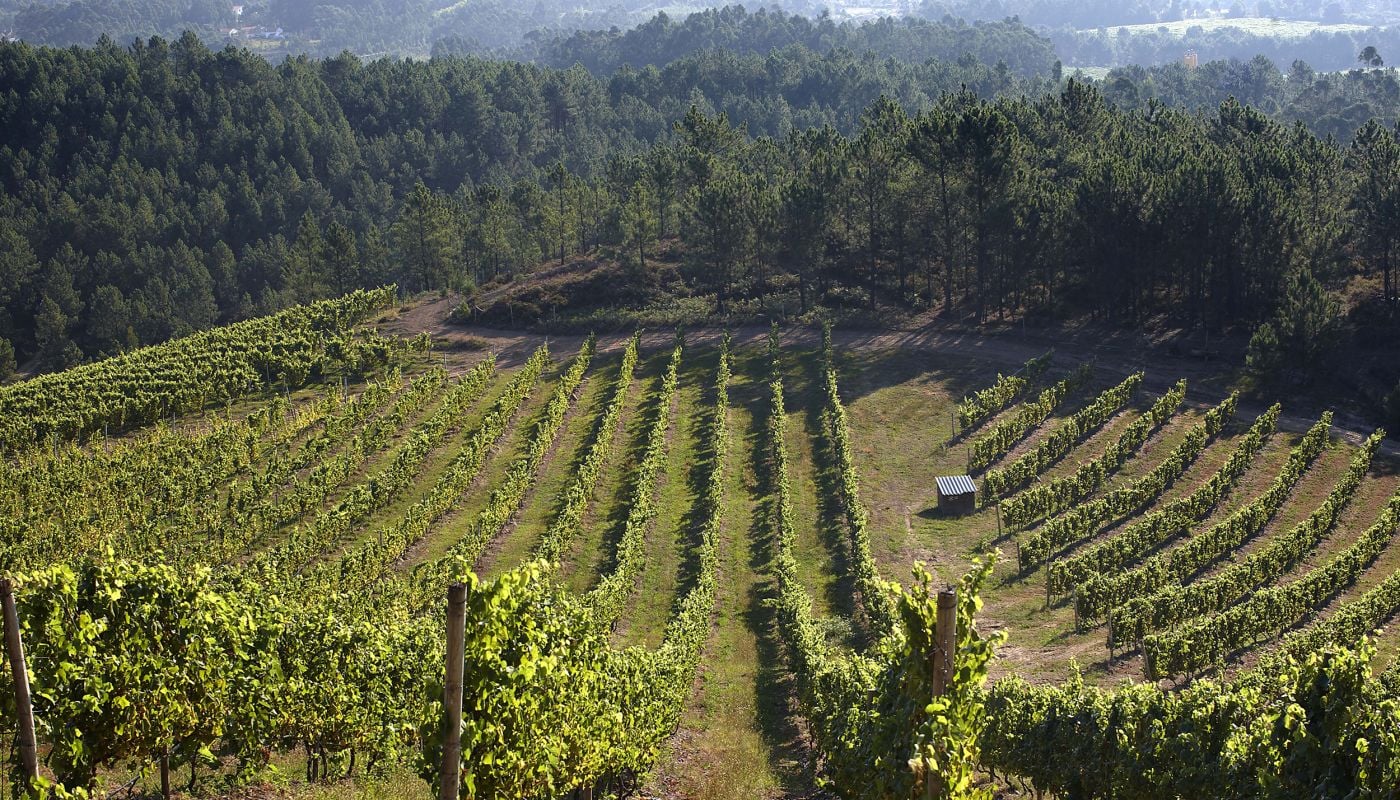
That specificity matters because rescued grapes can be flattened into novelty when writers detach them from producers and places. Here the anchors are visible: Bodegas Terras Gauda, O Rosal, Rías Baixas and Galicia in northwestern Spain. For a white-wine itinerary, those names matter more than an abstract promise of rarity.
A piece published on Thursday 5 November 2026 gives Caíño Blanco a current reason to re-enter the cellar conversation, rather than relying only on nostalgia. The grape’s scarcity is not historical decoration; a variety that was approaching extinction around 45 years ago sits within living memory for many wine professionals.
The strongest credential in the story arrives through hospitality. Centelles recalls that in 1999, Eloy Sánchez, one of the sommeliers at elBulli, presented Terras Gauda to guests with the words: “Let me introduce you to a gem of Spanish wine, Terras Gauda, a wine from Rías Baixas made from Albariño, Loureiro and Caíño Blanco.” That sentence gives Caíño Blanco a service history beside Albariño and Loureiro, in a dining room serious gastronomes still reference (JancisRobinson.com1).
If you are building a Rías Baixas short list, start with the producer, the subzone and the blend role before you treat rarity as a buying reason. Caíño Blanco earns attention here through Terras Gauda, O Rosal and the elBulli memory from 1999.
Centelles states that Caíño Blanco was approaching extinction, and that its decline was not because people disliked the wines.
Caíño Blanco’s survival turns on growers, merchants, sommeliers and the labels a region chooses to keep in view. A variety can fade because growers stop maintaining it, because merchants find easier names to sell, because sommeliers stop saying the grape aloud, or because a region’s story narrows around a smaller set of labels. None of those pressures requires the wine itself to lack merit.
In this case, the chain includes Bodegas Terras Gauda in O Rosal, Eloy Sánchez at elBulli in 1999 and Ferran Centelles writing in 2026.
Scarcity gives the story urgency, but scarcity alone is a poor buying criterion. Caíño Blanco is stronger as a subject because the story does not float free of place. It returns to Rías Baixas, and more specifically to O Rosal and Bodegas Terras Gauda.
The 1999 Terras Gauda presentation also suggests that Caíño Blanco had a role in a wine designed for the table. The grape was not hidden behind a house name in that recollection. It was part of the wine’s identity, named beside Albariño and Loureiro for guests who were listening closely.
That act of naming has consequences. A local variety survives more convincingly when professionals use its name in front of drinkers, rather than leaving it buried in cellar notes. Eloy Sánchez named Caíño Blanco as part of the Terras Gauda blend, and that gave the grape a presence in a moment of service that Centelles still recalls decades later.
Spain’s white-wine conversation already has established reference points, but Caíño Blanco shows why the next layer of interest may come from varieties recovered from the edge. A rescued grape changes the collector’s question: not only whether the wine is rare, but whether its survival has a producer, a place and a role in the glass.
That question suits Rías Baixas because the region provides both familiarity and precision. Caíño Blanco connects the Galician frame to O Rosal and Bodegas Terras Gauda. The story becomes a map of preservation rather than a list of grapes.
Travelers in Galicia can ask better questions about local whites: which grapes are named, which subzones appear, and which producers give the wine a clear address.
A revived local variety needs stronger evidence than novelty, because scarcity can mislead. In the Caíño Blanco case, the evidence stacks in a useful way: a near-extinction timeline, a regional revival in Rías Baixas, a parcel at Bodegas Terras Gauda in O Rosal and a remembered elBulli service moment from 1999. That combination gives the grape a credible present without requiring invented production figures or unsupported tasting claims.
Spain’s rescued whites have a broader lesson. Rarity should start the inquiry, not end it. A grape with a fragile past becomes serious when it has a producer, a place and a reason to be poured by someone who can name it. Caíño Blanco provides that framework through Terras Gauda and Rías Baixas.
Do not chase every unfamiliar grape as if obscurity were a score. Look for the supporting architecture: appellation or region, subzone, producer, blend role and a documented moment in the wine’s modern life. Caíño Blanco earns attention because its story supplies those details.
Bodegas Terras Gauda matters in this discussion because the Caíño Blanco story needs a winery, not just a variety name. The article image identifies a parcel of Caíño Blanco vines at Bodegas Terras Gauda in O Rosal, giving the grape a visible modern anchor within Rías Baixas.
The Terras Gauda bottle remembered from 1999 adds a second anchor. That blend matters because Caíño Blanco appears beside grapes with their own identities rather than as an unnamed component. A serious sommelier chose to say the name to guests.
That detail has real use for readers who buy wine through restaurant lists. A lesser-seen grape often reaches its audience through service before it reaches a collector’s cellar. If a sommelier can place Caíño Blanco in a blend and connect it to Rías Baixas, the guest receives more than a glass of white wine. The guest receives a route back to Galicia, O Rosal and the producer that kept the variety visible.
Terras Gauda also gives the grape an itinerary point for readers who travel. The story does not require a claim about broad plantings, production volumes or vineyard statistics. It gives one concrete place: a parcel of Caíño Blanco vines at Bodegas Terras Gauda in the O Rosal subzone. In premium wine travel, one precise address usually has more value than a dozen vague regional promises.
The elBulli connection should not be inflated beyond what Centelles recalls. It does not turn Caíño Blanco into a trophy wine by itself. It does show that the grape had a place in a gastronomic white from Rías Baixas that a sommelier introduced to guests in 1999. Service at elBulli in 1999 put Caíño Blanco back in a sommelier’s hand.
Caíño Blanco asks collectors to treat survival as information. The grape nearly disappeared even though drinkers did not reject the wines. That question belongs in any serious reading of Spain’s white-wine future.
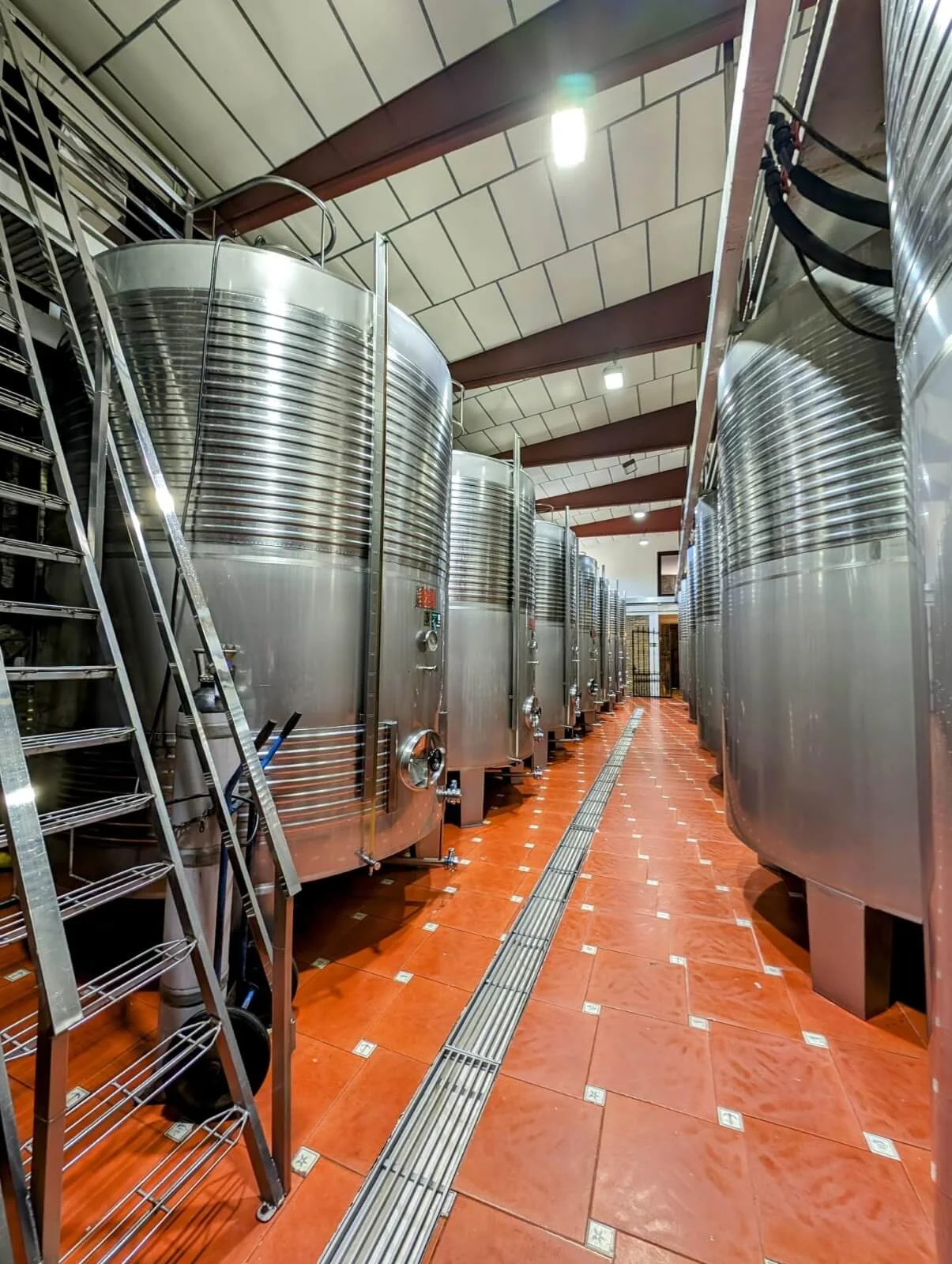
The strongest counter-argument is simple: one grape, one producer image and one 1999 service memory cannot carry an entire national story. That objection is fair. Caíño Blanco should not be inflated into a universal answer for Spanish white wine. Its current public case rests on specific anchors: Rías Baixas, Bodegas Terras Gauda, O Rosal, the elBulli memory and Centelles’s 2026 article.
Those limits make the example sharper. The verified story includes a grape approaching extinction, a decline not explained by drinkers disliking the wines, a Rías Baixas revival frame and a Terras Gauda connection that reaches back to a 1999 dining-room presentation.
Collectors can use that template elsewhere. When a revived grape appears on a list, ask whether the wine gives you a place and a producer. Ask whether the variety is named because it matters to the wine, or because rarity is being used as decoration. Ask whether the bottle belongs to a regional story you can follow over time.
A route through Galicia becomes more rewarding when it moves from general regional identity to particular grapes and subzones. O Rosal and Bodegas Terras Gauda give Caíño Blanco that precision. The point is to taste with enough context to understand why a nearly lost grape has returned to the conversation.
Caíño Blanco belongs on a watchlist, not in a frenzy. Follow the producers who name it clearly, the restaurants that can explain it without flattening it into novelty, and the writers who connect it to place rather than myth. That is how a rescued variety becomes useful to a serious drinker.
Caíño Blanco matters because its story breaks the simple link between fame and quality. Caíño Blanco was approaching extinction, and Centelles makes clear that this was not because people disliked the wines. In 2026, the grape returns to view through a parcel at Bodegas Terras Gauda in O Rosal and a renewed discussion of its resurrection in Rías Baixas.
Particularly rewarding bottles will not always be the ones with the easiest names; they may be the wines that preserve a grape, a subzone and a service memory in the same glass. Watch Caíño Blanco because it shows how a rescued variety can move from near-disappearance to a credible place in the cellar conversation.
Tagged
Get the App
Take the shortlist into the En Primeur Club app for concierge access, saved places, and the next step after discovery.
Get Exclusive AccessMore from the editors