← Guides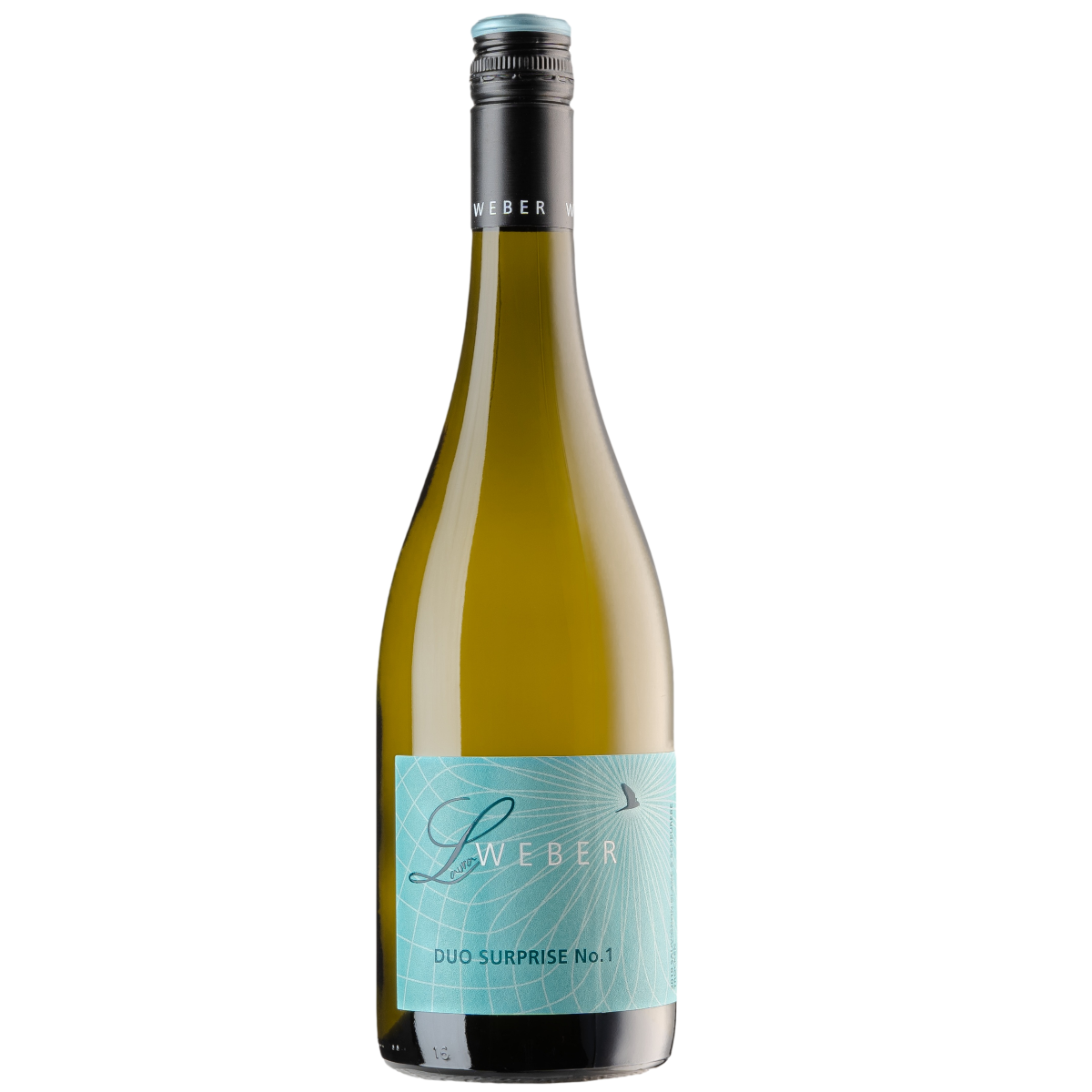
Andrew Jefford’s six-domain Generation Riesling tour finds Germany’s under-35 growers answering a hard market with variety and verve.
Andrew Jefford’s six-domain Generation Riesling tour finds Germany’s under-35 growers answering a hard market with variety and verve.
Andrew Jefford’s early summer 2026 Generation Riesling tour is worth reading for its cellar detail: six German domains inside the under-35 grower group, founded in 2006, are working beyond the old single-variety shorthand with broader grape ranges, natural wine, orange wine, Piwi varieties and non-alcoholic ferments, even as the national market tightens. Germany lost 1,300 hectares of vines in 2025, wine sales in German supermarkets fell 7% during the same 12 months, and bulk Rheinhessen Riesling reached 80 cents per litre, a price Decanter described as below cost.
Jefford brings a long palate to that story. The English journalist, poet and writer, born in 1956, turned from publishing to wine articles and books in 1988, wrote for The Evening Standard from 1992 to 2002, contributed wine and travel writing to The Financial Times from 2003 to 2021, and now writes a monthly column as a Contributing Editor to Decanter. He has judged every Decanter World Wine Awards edition since 2004 and became one of its co-chairs in 2018.
Generation Riesling began in 2006, initially to challenge dated perceptions of German wine in the UK market, and Jefford’s early summer 2026 itinerary took him through six domains within that cohort.
The age limit gives the tasting table its urgency. A 34-year-old winemaker cannot build a reputation inside Generation Riesling by waiting for three slow decades of inherited authority. The group asks its members to show their work while they still qualify, whether that means Riesling from a named Nahe vineyard, Spätburgunder from older Pinot Noir vines, an orange wine, a Piwi cuvée, or a non-alcoholic ferment built from grape juice and verjus.
Jefford’s six-domain visit found young hands pouring from cellars with deeper family roots. The people presenting the wines were young, while the families behind some domains stretched back through several generations. He found the newest domain run by the third generation of the same family and the oldest run by the 13th generation.
Generation Riesling does not read as a novelty shelf. It includes estates where succession has already happened, where the next decision-maker is visible in the cellar, and where the tasting list often reaches beyond the single-variety assumptions many drinkers still attach to Germany.
German supermarket wine sales, the channel where Germans buy most of their wine, fell 7% in the same 12-month period.
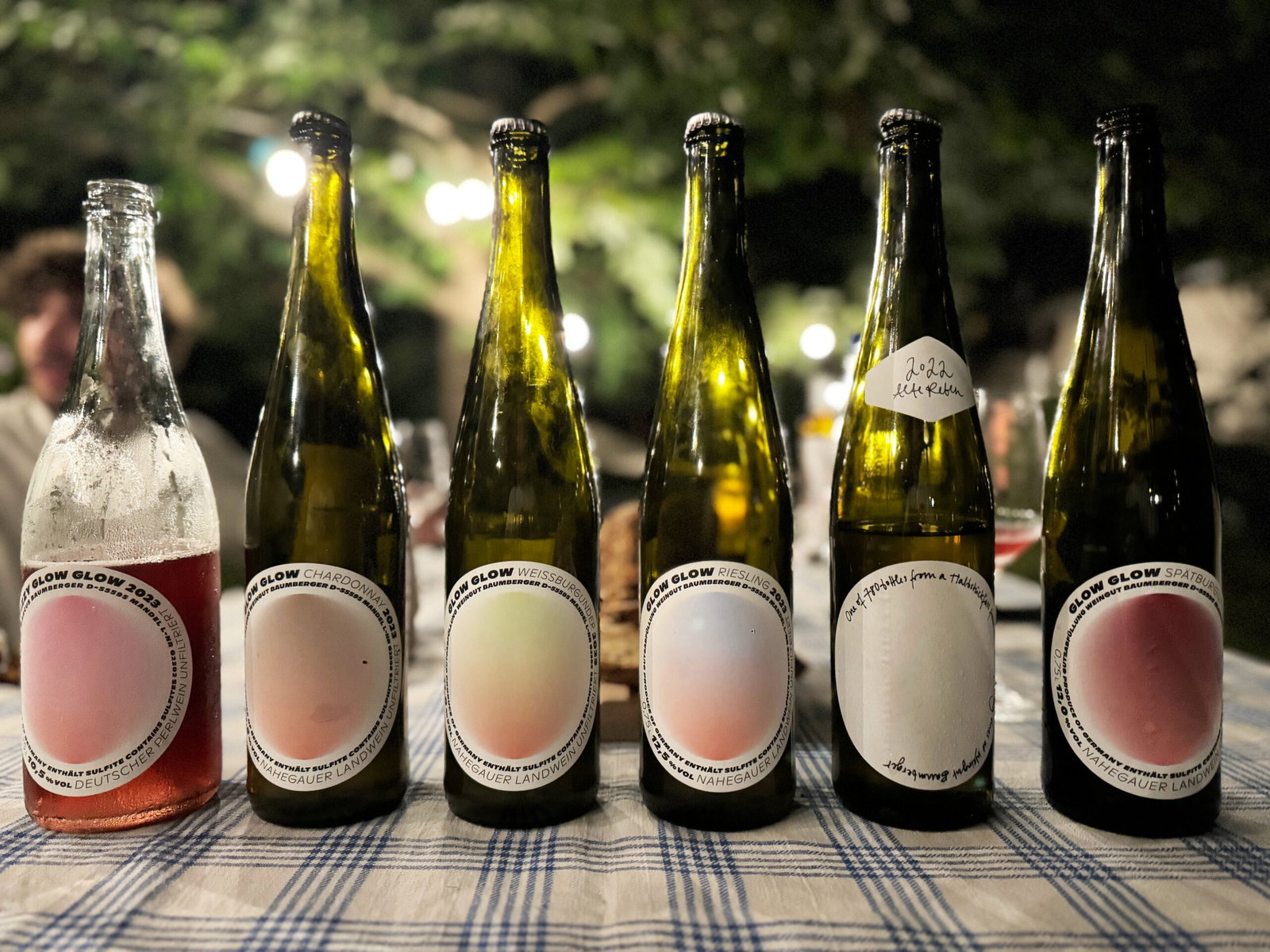
Pauline Baumberger of the Nahe domain associated with the Glow Glow label gave Jefford the figure that makes the vineyard pressure plain.
"The price of bulk Rheinhessen Riesling, said Pauline Baumberger of the eponymous Nahe domain (which only sells bottled wine, all natural, under the Glow Glow label) was 80 cents/litre, well below cost price."
, Pauline Baumberger, winemaker, Decanter1
Baumberger also told Jefford that many older farmers expected vines to provide retirement income. In Mandel, the Baumbergers’ village in the Nahe, the village once had 500 hectares of vines, and only 110 hectares remain.
Germany’s contraction sits inside a wider European pullback. Jefford placed the German figure beside France’s almost 28,000 hectares earmarked for grubbing up in 2026, a comparison that makes the German younger generation look less like a lifestyle movement and more like an agricultural answer to a demand problem.
Young growers are experimenting under price pressure, succession pressure and vineyard-area pressure. The wines emerging from Generation Riesling have to earn space in tasting rooms, on restaurant lists and in export markets without relying on the old promise that Riesling alone will carry the conversation.
Jefford expected diversity in Rheinhessen, Germany’s largest wine region, where he described rolling hills, loess and clay soils, and mixed agriculture as conditions that encourage grower ingenuity. Bastianshauser Hof in Rheinhessen grows 15 different grape varieties. Victoria Bretz’s winery in the same region grows 18. Laura Weber in the Nahe grows 17.
Those numbers change the rhythm of a German estate visit. Jefford found sparkling wine, whites, reds, pink wines and blends at every winery he visited. Many estates also poured natural wines, orange wines and wines made from new disease-resistant Piwi varieties.
Jefford still identifies Riesling as the variety behind most of the country’s leading wines. The Generation Riesling cellars he visited poured Riesling beside other grapes and formats.
Laura Weber gives the clearest Nahe example. She produces Rieslings from Monziger Halenberg and Frühlingplätzchen. Her 44-wine list also includes Sauvignon Gris, Bacchus, a blend of Sauvignon and Scheurebe called Surprise, Dornfelder, Frühburgunder and Spätburgunder.
The Bretz family takes range to another scale in Rheinhessen’s Bechtolsheim. Jefford noted that the family offers 86 different wines, and he added that the domaine makes a good living from wines selling at less than €10 a bottle.
Duo Surprise blends Scheurebe and Sauvignon Blanc, and it sits at 12.5% alcohol. Jefford loved Weber’s Nahe Riesling classics, then chose the Duo Surprise to illustrate imagination at work.
Scheurebe brings grapefruit and rose aromas, while Sauvignon Blanc brings what Jefford called lively vegetal wealth to the palate. The Scheurebe perfumes then lift the wine further, giving the blend a late-summer register without reducing it to a simple aromatic novelty.
The Monziger Halenberg and Frühlingplätzchen Rieslings anchor Weber’s work in Nahe classicism, while Duo Surprise No1 Trocken 2025 shows how a younger German winemaker can place Scheurebe and Sauvignon Blanc into a dry table wine.
Jefford’s Generation Riesling visit found young cellars keeping the grammar of German wine while widening the vocabulary. Riesling from named vineyards remained on the table, and so did Bacchus, Sauvignon Gris, Frühburgunder, orange wine and Piwi varieties.
Jefford’s strongest surprise came from the non-alcoholic alternatives. In the Nahe, Forster produces a grape-based kombucha with carrot, tea and lemon mint. The Baumberger family makes a blend of grape juice and verjus with lemon-balm and wormwood tea, then adds lacto-fermented raspberry juice.
Those ingredient lists separate these drinks from the dealcoholised bottles that disappoint through a missing centre. The result, in his account, avoids the gap that often appears when alcohol has been removed from a conventional wine.
A serious wine program now needs non-alcoholic pairings that can sit beside Riesling, Pinot Noir and sparkling wine with the same care. Forster and Baumberger show one route: build the drink from grape-based materials and named botanicals instead of mimicking a finished wine.
The question for a restaurant or estate tasting is practical. Can a non-alcoholic pour carry enough acidity, bitterness, aroma and texture to work with food? A kombucha with carrot, tea and lemon mint, or a grape juice and verjus blend with lemon-balm, wormwood tea and lacto-fermented raspberry juice, gives a sommelier more pairing language than a neutral alcohol-free white.
Younger growers are testing drinks that fit their vineyard material, their visitors and the changed drinking habits they see in front of them.
Jefford’s authority here comes from accumulated range. He grew up in Norfolk, studied English at the University of Reading with First Class Honours, and completed an MA at the University of East Anglia on the 19th and 20th Century novel, awarded With Distinction. Before wine writing, he worked as an editor with Paul Hamlyn’s Octopus Group (Wikipedia2).
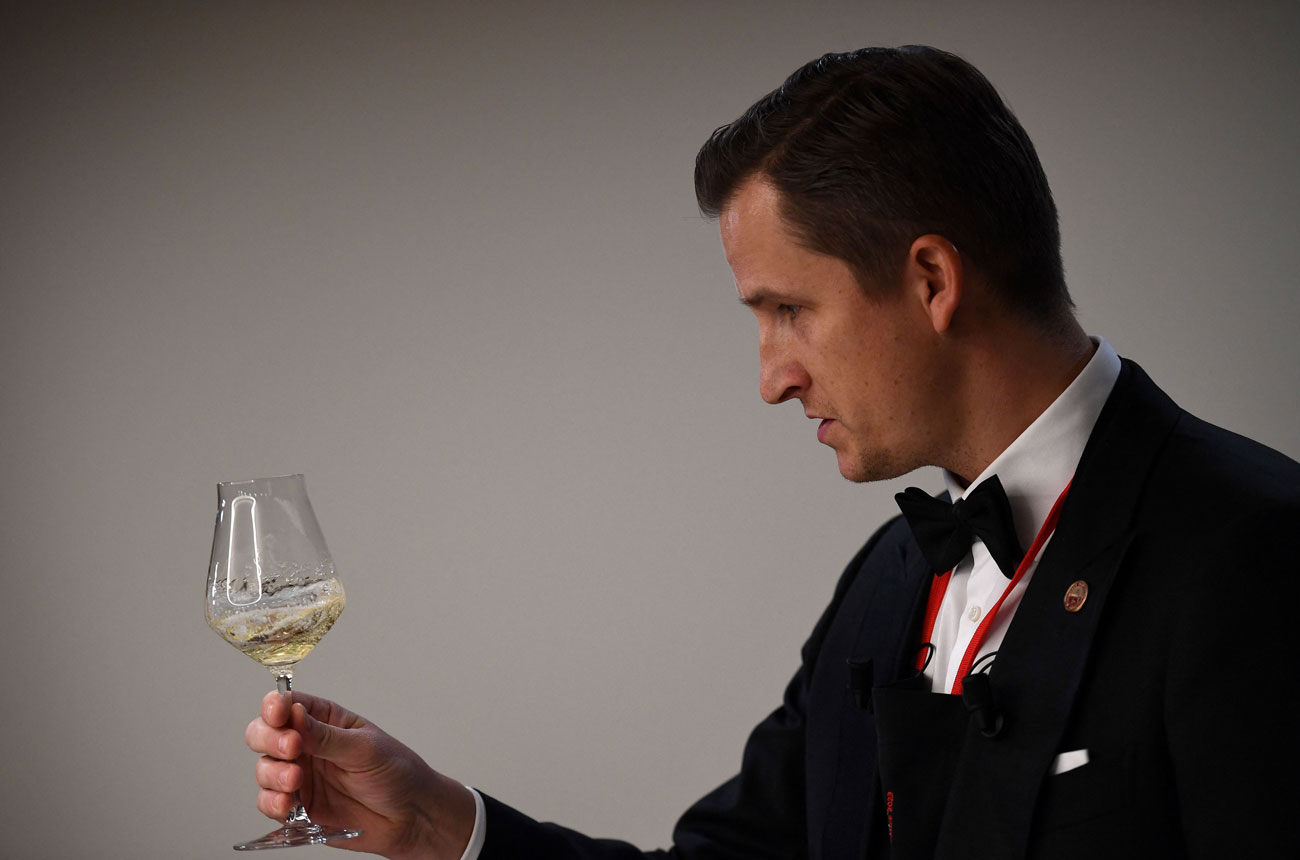
His wine career has crossed newspapers, radio, books, judging panels and academic advisory work. He worked as an occasional presenter for BBC Radio Four’s The Food Programme and other BBC Radio Three and Radio Four programmes from 1992 to 2007. His books include The New France, Peat Smoke and Spirit, Andrew Jefford’s Wine Course and Drinking With The Valkyries (Wikipedia2).
That background helps explain why his Generation Riesling conclusion touches rules as closely as flavors. He contrasted Germany’s room for grape-variety and style experimentation with France, where creative blends can cost a producer appellation status and push the wine into IGP or Vin de France categories. Germany’s younger growers, in his telling, can range more freely without severing the wine from its place.
Jefford closed the Decanter column with the line: “don’t throttle your youngsters with rules, or poison them with tradition. Imagination tastes good, too.”Decanter1
Bastianshauser Hof grows 15 varieties. Victoria Bretz grows 18. Laura Weber grows 17 and pours Riesling from Monziger Halenberg beside Scheurebe, Sauvignon Blanc, Bacchus and Pinot-family reds. Forster and Baumberger build non-alcoholic drinks from grape material, herbs, tea and fermentation.
Laura Weber’s list links Nahe Riesling classics with blends such as Duo Surprise No1 Trocken 2025. Pauline Baumberger and the Glow Glow label make natural wines from a Nahe family working in Mandel, where vineyard area has fallen from 500 hectares to 110. Bastianshauser Hof, Victoria Bretz and the Bretz family are Rheinhessen cellars where variety count shapes the tasting.
In the Nahe, steep slopes, lower yields and cool conditions sit alongside Laura Weber’s 17 varieties and the non-alcoholic ferments at Forster and Baumberger. In Rheinhessen, estates such as Bastianshauser Hof, Victoria Bretz and the Bretz family have ranges that can run from sparkling wine to reds, pink wines, Piwi cuvées and an 86-wine family list.
A 7% fall in supermarket wine sales and 1,300 hectares of lost vines in 2025 give young growers fewer illusions about easy demand. The response Jefford found was a wider cellar door, with Riesling still present and more grapes, colors and ferments joining the pour.
Generation Riesling’s age limit means the cast will keep changing. Members leave at 35, new growers arrive, and the next tasting list will carry different blends and different Piwi experiments under the same market pressure. Jefford’s 2026 tour captured a generation while it still qualified for the name, and Germany’s next serious bottles may come from the same cellars after the membership badge has already passed to someone younger.
Get the App
Take the shortlist into the En Primeur Club app for concierge access, saved places, and the next step after discovery.
Get Exclusive AccessMore from the editors