← Guides
Albania’s 3,000-year wine story is gaining pace as native grapes, new vineyards and record tourism pull collectors toward Tirana.
Albania’s 3,000-year wine story is gaining pace as native grapes, new vineyards and record tourism pull collectors toward Tirana.
Arben Canollari’s old Shesh vineyard still carries concrete posts fitted with lethal spikes, a communist-era defence against parachutists, while Shesh i Zi and Shesh i Bardhë vines grow between them west of Tirana. Albanian wine producers are rebuilding a 3,000-year wine culture around native grapes, with vineyard plantings rising from fewer than 3,000 ha in 2010 to more than 10,500 ha today. Annual production reached approximately 220,000 hectolitres in 2024, about 29 million standard bottles, and Albania recorded 12.4 million international tourists in 2025.
Albania’s wine revival began almost from scratch in the 2000s after more than 400 years of Ottoman rule, phylloxera, two World Wars and the communist regime left the sector fragmented. Between 2000 and 2016, grape production jumped over 250 percent, and in 2022 Albania produced 3.03 million liters of wine, with much of it consumed inside the country.
The country now has about 70 registered wineries, and about 20 of them account for most production. That concentration gives the current wave a clear shape: a small group of Albanian wine producers is setting the pace for vineyard investment, indigenous grape work and the first serious wine-tourism routes from Tirana.
Native varieties account for 80 percent of Albania’s vineyard plantings, and more than 21 autochthonous cultivars are listed in the national register. Shesh i Zi and Shesh i Bardhë alone account for about 35 percent of total vines.
Flori Uka, sommelier and winemaker at Uka Farm, frames the challenge through the restaurant and wine-list culture that visitors encounter first. “The wine imported from Europe, mainly Italy, is holding back our true potential,” said Flori Uka.3
Shesh gives Albania its most direct line between place name and grape name. Shesh i Zi and Shesh i Bardhë have grown for hundreds of years around the village of Shesh, west of Tirana.
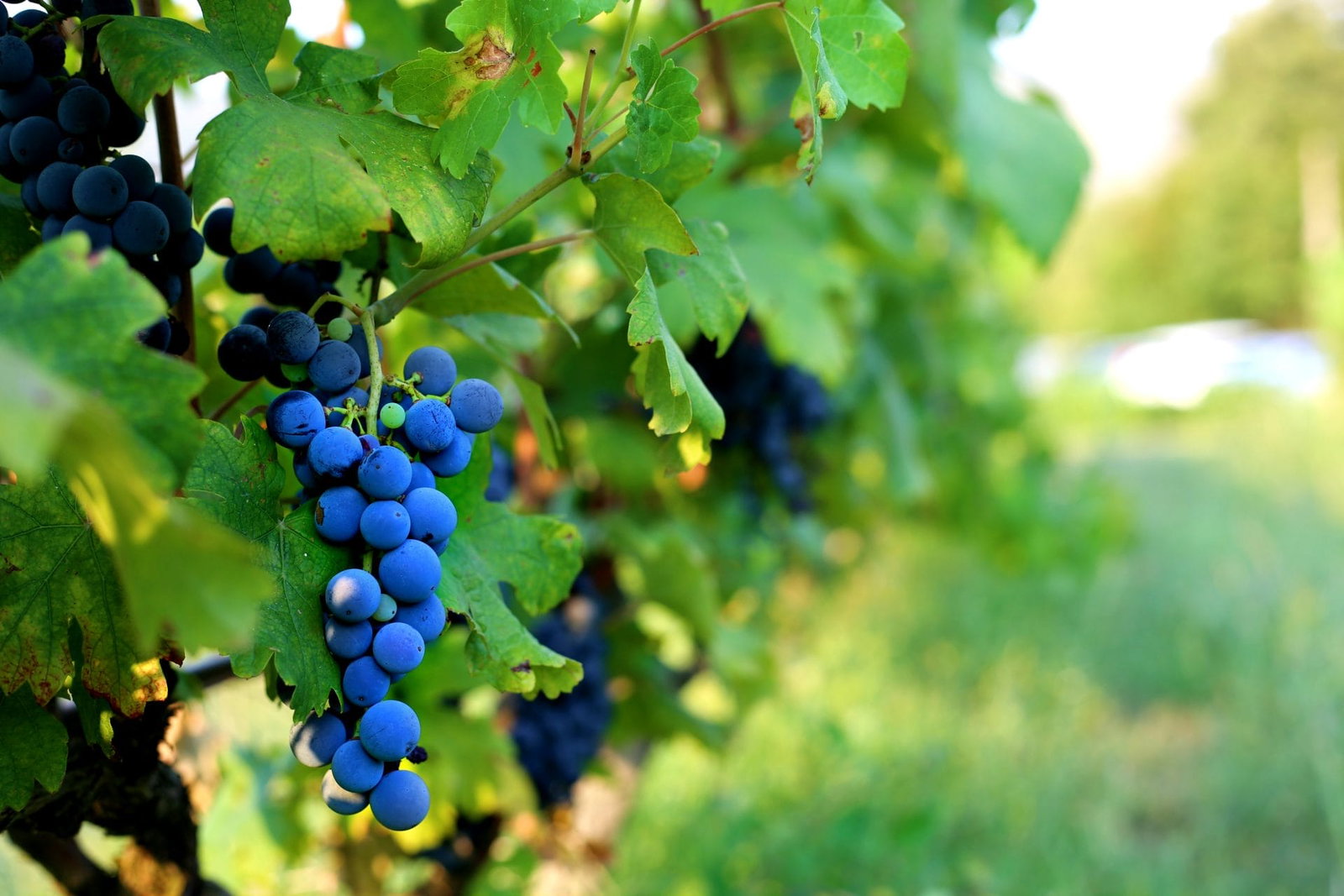
Shesh i Bardhë is Albania’s most widely planted white-wine grape, producing fresh wines with citrus, apple and herbal character. Shesh i Zi is especially widely planted native red grape, giving medium-bodied wines with plum and berry notes. Those descriptors help place Shesh beside, rather than behind, the Mediterranean reds and whites collectors already understand.
Kallmet carries the red-wine conversation north. It is regarded as Albania’s premier red grape, rich in flavour, structured and capable of producing ageworthy wines, with an association around Shkodër and Lezhë. Kallmet has acidity, structure and savory depth in a Balkan register distinct from Nebbiolo, Xinomavro or Etna Rosso.
The white side extends beyond Shesh i Bardhë. Debine e Bardhë is a key white-wine grape in southern Albania around Përmet, known for refreshing acidity and suitability for sparkling wines. Pulës, grown in the Berat region, is an ancient white variety with golden colour, bright acidity, floral aromas, stone fruit, citrus and white flowers. Vlosh, found predominantly near Vlorë, brings lively acidity, dark-fruit aromas and earthy minerality, while Serinë appears increasingly in high-end blends, adding delicacy, floral and honey aromas, and a touch of sweetness.
"One important and most exciting thing that pretty much all winemakers are agreeing on is the fact that they need to focus on native grape varieties"
, Bujar Yuri Tukuli, Albanian wine ambassador and founder of Dita Vera, Research Citation4
The strongest Albanian wine proposition centers on bottles that put Shesh, Kallmet, Pulës, Debine e Bardhë, Vlosh, Serinë or Ceruja on the label or in the blend.
Canollari’s project near Shesh gives the revival a physical anchor: 10 ha of old vines surrounded by a planned 40 ha of new vineyards, backed by a €2 million investment, and the old vineyard carries Shesh i Zi and Shesh i Bardhë.
About 70 percent of Canollari’s vine area is devoted to local varieties and grapes Albania claims as its own, including Kallmet, also known as Kadarka or Gamza. The remaining 30 percent includes international vines. The whites include Sauvignon Blanc, Chardonnay, Pinot Blanc, Gewürztraminer and Malvasia, while the reds include Pinot Noir, Corvina, Rondinella and Molinara, the Italian varieties destined for an Amarone-style wine.
Canollari also grows Bordeaux red grapes, including Carmenère, Cabernet Franc, Cabernet Sauvignon and Merlot. He argues that these grapes belong within Albania’s historic wine story, while Shesh and Kallmet carry the identity of the place in the local share of the vineyard.
The vineyard’s wartime concrete and living vines make a precise Albanian image: old Shesh plantings threaded through remnants of Enver Hoxha’s isolationist state. The bunkers and defensive posts still mark fields and beaches across the country, while new vineyard plantings show where private capital is moving now. Canollari’s €2 million spend is small by Bordeaux château standards, and his project adds 40 ha of new vineyards around old Shesh vines in a country with roughly 220,000 hectolitres of annual production.
Uka Farm, near Tirana’s international airport, gives visiting wine drinkers the clearest route from airport arrival to Albanian glass. Professor Rexhep Uka, a former Albanian Minister of Agriculture and an entomologist, founded the farm in 1996. His son, Flori Uka, now runs the biodynamic winery and farm-to-table restaurant.
Flori Uka sources indigenous grapes from more than 200 families in remote villages throughout Albania, and Uka Farm’s main grape varieties include Kallmet, Ceruja, Pulës, Shesh i Zi and Shesh i Bardhë.
The agricultural setting is part of the wine. “Since a good part of [this area is] planted with vineyards and olive trees, usually the residents also use [their land] for pastures for domestic animals and raising bees,” said Dashamir Elezi.4 Uka Farm sits inside a mixed farming culture.
The farm-to-table restaurant gives Albania’s wine tourism a practical front door. Many wine tours leave from Tirana, and Uka Farm’s location near the international airport makes it a natural first or last stop on a wine-focused itinerary. A tasting here can connect Kallmet, Pulës and Shesh to the foods and farming systems that keep those grapes in circulation.
Uka Farm’s importance extends beyond individual bottles. The 200-family network shows how a small producer can work beyond estate-owned vineyard limits while keeping indigenous grapes visible. In a country where about 20 wineries drive most production, that kind of sourcing can decide whether rare cultivars remain local curiosities or reach serious wine lists.
Kantina Braha enters the Albanian conversation through Rodolfo Rizzi, its general manager. Rizzi identifies a structural problem for the country’s wine sector: Albania lacks officially delimited wine regions.
Albania is generally divided into four broad wine regions based on elevation, while its countryside combines Adriatic coastal plains, limestone hills, river valleys and mountainous elevations reaching over 1,000 m. The country has the raw geographic variation that wine drinkers recognize, and the formal regional language remains unfinished.
Kantina Ilir in Elbasan works with Merlot, Chardonnay and Gewürztraminer, varieties that many travelers can decode without guidance. The strategic risk for Albanian wine producers is letting those familiar names crowd out Shesh i Zi, Shesh i Bardhë, Kallmet and Pulës on menus built for tourists.
"The second-worst thing we did after communism was bringing in a lot of grape varieties from Italy and from France"
, Bujar Yuri Tukuli, Albanian wine ambassador and founder of Dita Vera, Research Citation4
Many Albanian producers studied winemaking in Italy, Greece, France and Germany, and that training has influenced wines made from both international and indigenous grapes. Strong outcome is a Pulës, Shesh i Bardhë or Kallmet made with the precision those international cellar experiences can bring.
Albania’s 12.4 million international tourists in 2025 give the wine sector a ready audience. The Albanian Riviera, with Ksamil, Himara, Saranda, Vlora, Dhermi and Borsh, already draws beach travelers, and its hotels and restaurants can turn local wines into memories carried home in checked luggage and restaurant conversations.
Italian wines currently dominate many lists across the country, and Albania’s own producers need placements where visitors actually dine. If Shesh i Bardhë appears by the glass in Tirana, or Kallmet sits beside grilled meat along the Riviera, the country’s native grapes gain advocates faster than export campaigns can create them.
EU integration adds another clock. Albania’s full EU membership is slated around 2030, and Rizzi expects the lack of officially delimited regions to change during that run-in. The next several years could bring clearer regional labelling, better export access and tighter expectations around origin.
Canollari is tied to Shesh, old vines and the €2 million expansion around the village. Uka Farm is tied to Kallmet, Ceruja, Pulës, Shesh i Zi and Shesh i Bardhë, plus its 200-family sourcing network and restaurant near Tirana’s airport. Kantina Braha is tied to the regional-delimitation conversation, and Kantina Ilir shows how international varieties still shape how many visitors first enter Albanian wine.
The next chapter will depend on whether restaurants, importers and travelers ask for Shesh i Zi, Shesh i Bardhë, Kallmet and Pulës by name before EU-era regional labels arrive around 2030.
Get the App
Take the shortlist into the En Primeur Club app for concierge access, saved places, and the next step after discovery.
Get Exclusive AccessMore from the editors