Sushi One
Sushi One occupies a South Virginia Street address in Reno that places it squarely in the city's mid-corridor dining belt, where Japanese concepts compete on value, freshness sourcing, and format. Against peers like Kuma Sushi and Hinoki Sushi, it draws a local following looking for accessible omakase-adjacent eating without the downtown premium. Plan visits on weekdays for the least friction.

Pearl is the En Primeur Club membership app, where members save venues, book tables and use the concierge.
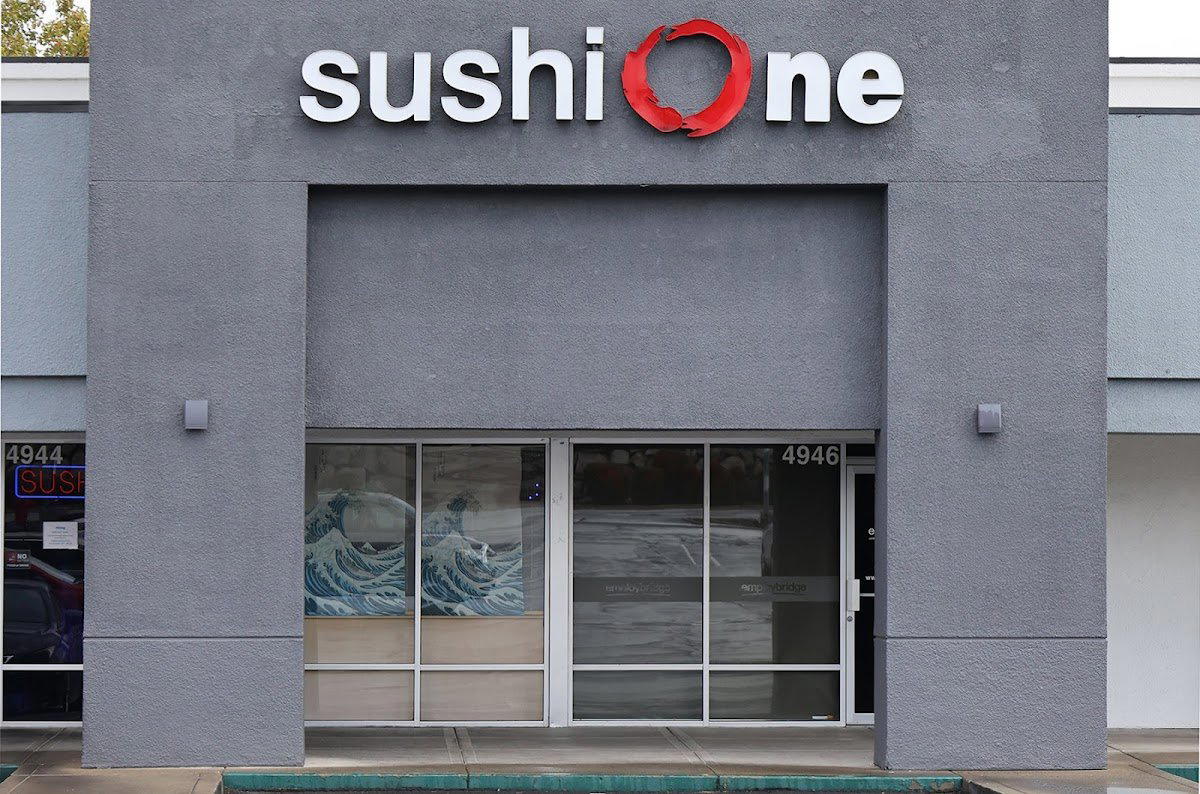
South Virginia Street and the Sushi Tier It Represents
Reno's dining identity has shifted considerably over the past decade. The casino-corridor dominance that once defined eating out in the city has loosened, and a secondary belt running along South Virginia Street now houses a range of mid-market concepts spanning Japanese, Mexican, and European formats. Sushi sits in a particular spot within that mix: high enough in perceived formality to carry a price premium over fast-casual, accessible enough to draw regulars rather than occasion-only visitors. Sushi One, at 4944 S Virginia St, occupies exactly that positioning, operating in a stretch of Reno where the competition is real and the diner is informed. For the broader context on how this fits into the city's eating scene, the full Reno restaurants guide maps the neighbourhood spread with more granularity.
The Sustainability Question in Sushi Sourcing
Japanese cuisine in the United States carries a sourcing tension that few other categories face at the same intensity. Sushi depends on fish that is either flown in from Japan, sourced domestically from Pacific fisheries, or drawn from farmed stocks, and each of those supply chains carries a different environmental profile. The better mid-market sushi operations in American cities have moved, over the past several years, toward more transparent sourcing language: noting wild-caught versus farmed, specifying regions of origin for tuna and salmon, and in some cases substituting conventional bluefin with albacore or yellowfin to reduce pressure on overfished stocks.
This shift is not cosmetic. Monterey Bay Aquarium's Seafood Watch programme, which rates commercial fish species by sustainability criteria, has pushed many operators to reconsider menu composition. The choices visible on a sushi menu, what appears, what doesn't, what is described in terms of origin, function as a legible signal of how seriously an operation engages with these questions. Reno's sushi market, which includes competitors like Arario Midtown on the broader mid-market dining circuit, has not historically been the most vocal about sourcing ethics, but that is beginning to change as diner expectations migrate westward from coastal markets.
For context, compare the sourcing conversation in cities with deeper seafood cultures. Honolulu's bar and dining scene, where operations like Bar Leather Apron sit alongside Japanese-influenced concepts, treats proximity to Pacific fisheries as both an advantage and a responsibility. Reno, landlocked and reliant on distribution networks, faces a structurally harder version of the same problem. How a sushi operation in Nevada handles that constraint tells you something meaningful about its priorities.
Format and What It Implies About the Experience
The sushi format spectrum in American cities now runs from conveyor-belt casual at one end to multi-course omakase at the other, with a broad middle tier of à la carte Japanese restaurants that offer both nigiri and rolls alongside hot dishes. This middle tier is where most American sushi diners eat most of the time, and it is where South Virginia Street concepts like Sushi One operate. The format is familiar: you order from a menu, rolls and nigiri are priced individually or in sets, and the kitchen balances throughput with quality rather than treating each piece as a studied composition.
That format has real advantages. It is approachable for diners who are not sushi specialists, it allows for group dining without the rigid sequencing of omakase, and it keeps price points manageable. The trade-off is that sourcing and preparation discipline is harder to maintain at volume, which is precisely why the sustainability question is more pointed in this tier than at high-end omakase counters where a chef controls every element of the supply chain personally.
Reno's broader dining belt offers comparisons worth making. The French bistro tradition represented at Beaujolais Bistro and the Mexican street-food format at Antojitos Colibrí both operate in the same mid-market tier, and each faces its own version of the sourcing and provenance question. Across American dining cities, the bars and restaurants taking those questions most seriously are often the ones building the most durable reputations: Kumiko in Chicago, Jewel of the South in New Orleans, and ABV in San Francisco all demonstrate that considered sourcing and format discipline can coexist without pricing out the mid-market diner.
Peer Context: How Sushi One Sits in the Reno Japanese Dining Set
Among Reno's Japanese concepts, Sushi One operates alongside Kuma Sushi and Hinoki Sushi in the mid-market bracket. These operations compete on freshness perception, menu range, and value rather than on chef credentials or omakase exclusivity. In that competitive set, differentiation comes from consistency, sourcing transparency, and the degree to which the kitchen maintains quality across its full menu rather than only on premium items. The dining belt on South Virginia also includes Spanish and Italian formats, Centro Bar & Kitchen operates in the same corridor, meaning the competition for repeat diners is cross-category as much as it is within the Japanese tier.
For comparison with Japanese-influenced drinking and dining culture at the premium end, Kumiko in Chicago represents what happens when Japanese technique meets serious cocktail programming and sourcing rigour. The Parlour in Frankfurt and Julep in Houston show how considered programming at a mid-market price point can build lasting credibility. Superbueno in New York City demonstrates similar discipline in a different cuisine category. The thread connecting those operations is intentionality: they know what they are, they source accordingly, and they deliver consistently. That is the standard against which any sushi operation in the mid-market tier is implicitly measured.
Planning a Visit: Practical Notes
Sushi One sits at 4944 S Virginia St in Reno's south corridor, accessible by car with parking available along the commercial strip. Weekday visits tend to carry less friction than weekend evenings in this corridor, where the mid-market dining density means parking and wait times compress. For a broader sense of how to structure a Reno dining itinerary around this address, the full Reno restaurants guide covers the neighbourhood-level distribution of options in useful detail.
A Tight Comparison
A quick snapshot of similar venues for side-by-side context.
| Venue | Price |
|---|---|
| Sushi OneThis venue (the venue you are viewing) | $20–30 |
| Liberty Food & Wine Exchange | $30–50 |
| DOPO Pizza & Pasta | $30–50 |
| Hinoki Sushi | $20–30 |
Continue exploring
More in Reno
Bars in Reno
All bars in Reno →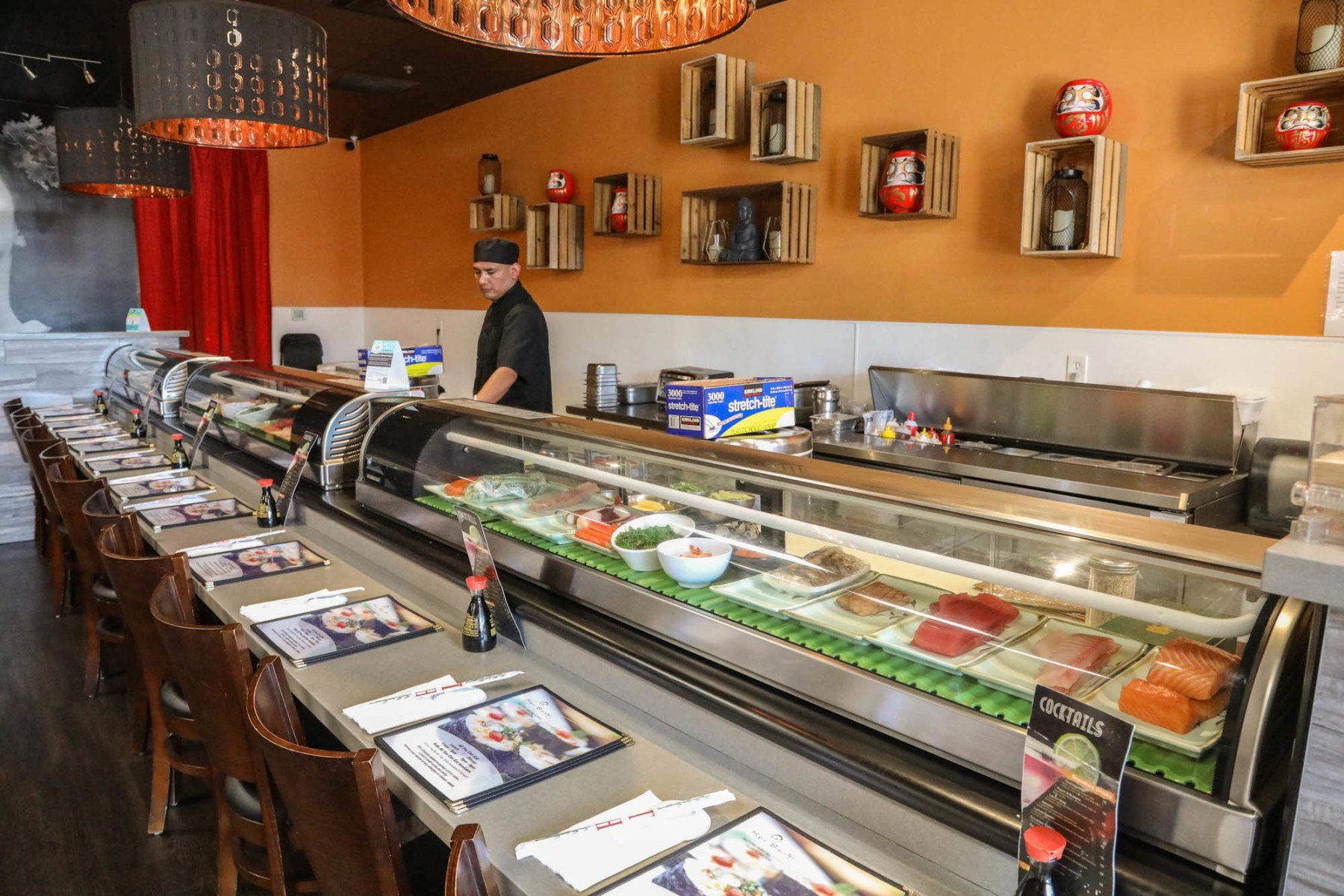
Restaurants in Reno
All restaurants in Reno →
Details
- Cozy
- Intimate
- Casual Hangout
- Group Outing
- Standalone
- Seated Bar
- Booth Seating
- Sake
Current opening hours
- Monday
- 11 AM–9 PM
- Tuesday
- 11 AM–9 PM
- Wednesday
- 11 AM–9 PM
- Thursday
- 11 AM–9 PM
- Friday
- 11 AM–9 PM
- Saturday
- 11 AM–9 PM
- Sunday
- 11 AM–9 PM
Hours can change for holidays and private events. Last verified .
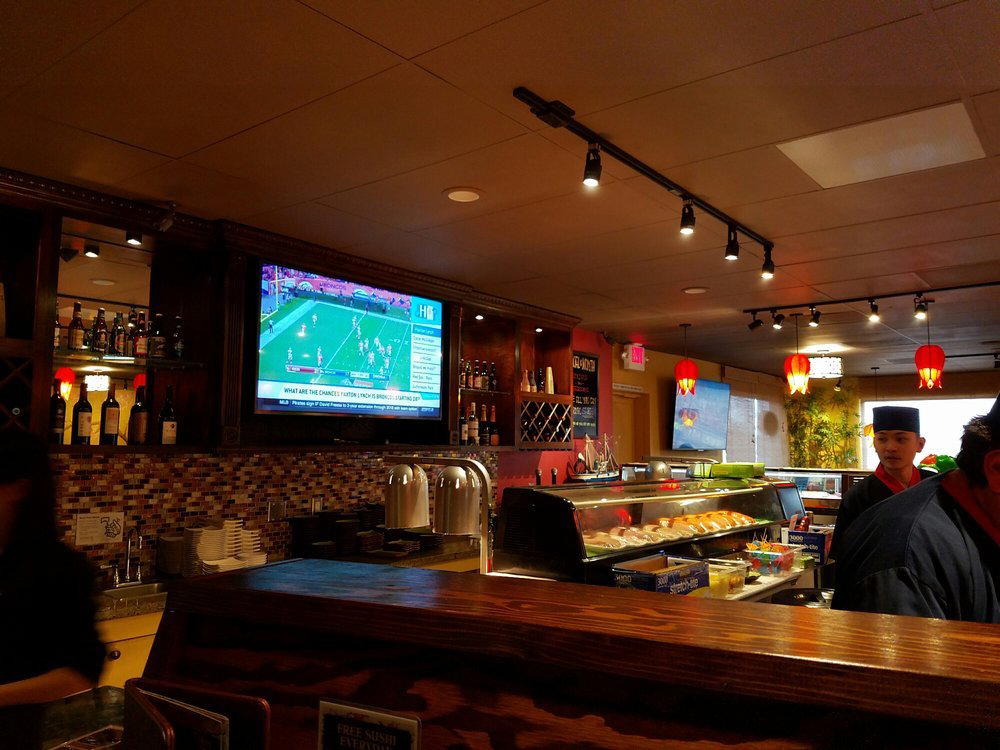
Small, simple, clean, and quiet setting with friendly staff and table service.