The Depot Craft Brewery & Distillery
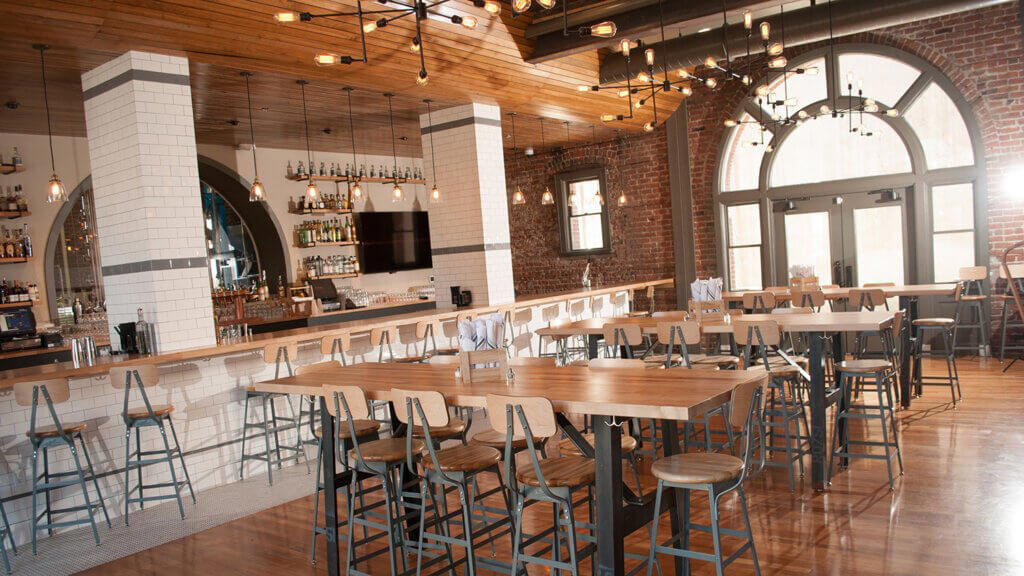
Set in a converted railroad depot in downtown Reno, The Depot Craft Brewery & Distillery operates where brewing and distilling share the same industrial-era floor space. The address at 325 E 4th St places it inside Reno's emerging downtown corridor, where the city's craft beverage scene has gradually shifted from novelty to something more considered. For visitors tracking that shift, it's a useful anchor point.

Pearl is the En Primeur Club membership app, where members save venues, book tables and use the concierge.
Where the Rails Used to Run: Reno's Craft Brewery and Distillery Scene
Downtown Reno's relationship with repurposed industrial space has defined much of the city's post-casino cultural identity. Across the United States, the craft brewery and distillery movement has consistently favored these kinds of buildings, warehouses, machine shops, transit infrastructure, not for superficial reasons of aesthetic, but because high ceilings, open floor plans, and load-bearing history suit the scale of fermentation tanks and copper stills. The Depot Craft Brewery & Distillery, located at 325 E 4th St, occupies a former railroad depot, and that provenance matters more than it might first appear. Railroad depots were the original public gathering spaces of mid-size American cities: transactional, democratic, and built for volume. A craft brewery in that shell carries some of that civic weight forward.
Reno's downtown drinking scene has expanded considerably over the past decade, moving beyond the casino corridor into blocks where independent operators now set the tone. The 4th Street address places The Depot within walking distance of a cluster of venues that together give the city's independent food and beverage sector a recognizable geography. For context on how that broader scene fits together, our full Reno restaurants guide maps the key neighborhoods and operators.
The Dual Program: Brewing and Distilling Under One Roof
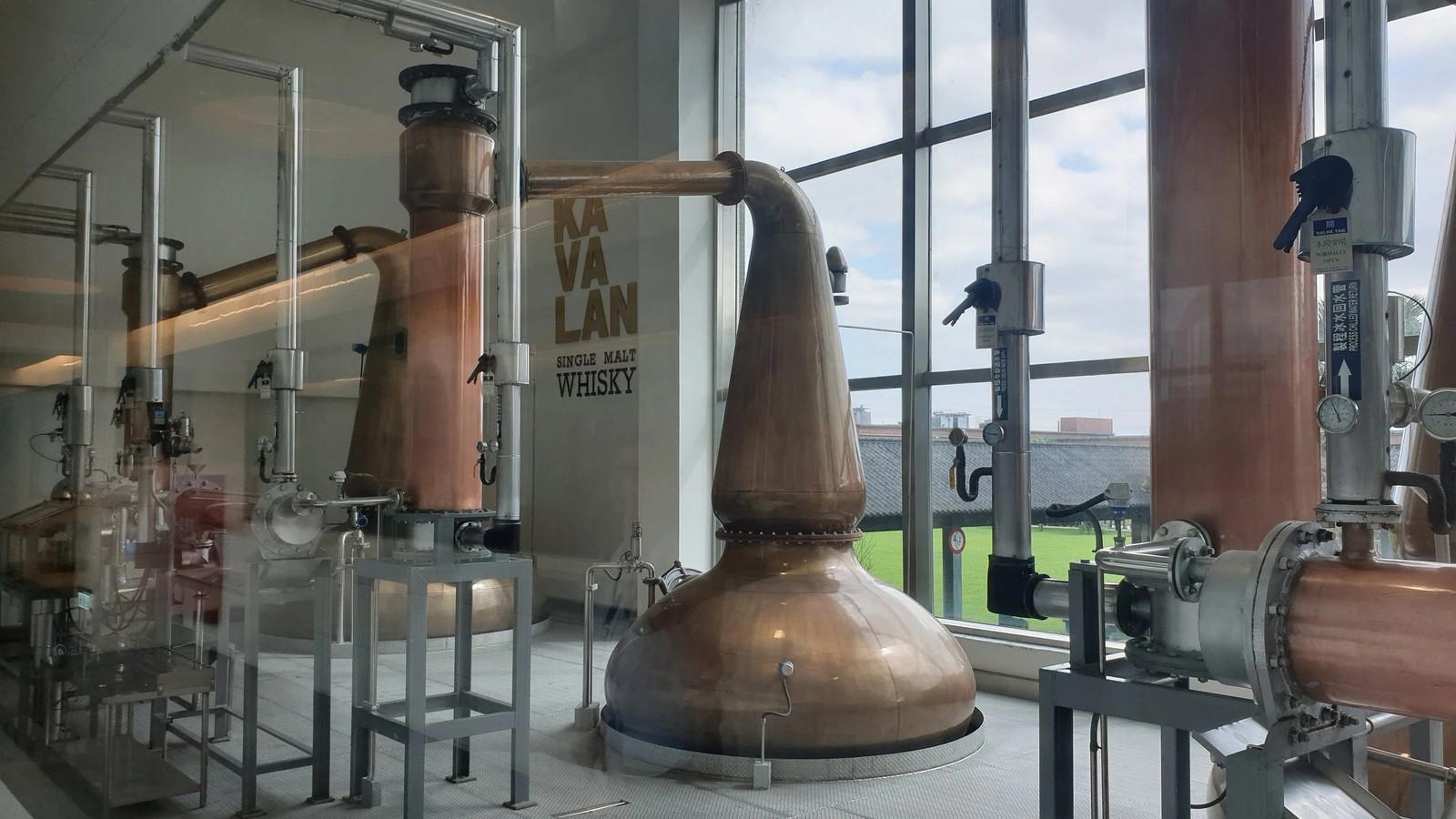
The combination of a craft brewery and distillery in a single operation is less common than it might appear. Most American craft producers specialize in one category, partly because licensing structures, equipment costs, and production timelines differ significantly between fermentation and distillation. A venue that runs both programs is making a deliberate statement about range, and it draws a different kind of drinker, one who may start with a house lager and finish with a barrel-aged spirit, or who comes specifically to compare the house grain-to-glass whiskey against a hopped ale brewed from similar source material.
This dual-format model places The Depot in a specific competitive tier. It's not a taproom with a few cocktails, and it's not a cocktail bar that happens to stock craft beer. The distinction matters for how you approach a visit. If you're tracking American craft beverage culture in secondary cities, markets where the scene is less saturated than Portland or Denver but more developed than it was five years ago, Reno is a reasonable test case, and operations that span both categories are worth attention as indicators of where local demand sits.
For reference on what a technically focused cocktail program looks like at the sharper end of the national spectrum, Kumiko in Chicago and Bar Leather Apron in Honolulu represent the kind of precision-led bartending that defines the upper bracket. Jewel of the South in New Orleans and Julep in Houston anchor the historically grounded end of American cocktail culture, where house spirits and regional identity drive the program. The Depot operates at a different register, less formal, more rooted in the Reno community, but understanding that broader national context helps locate what a local craft operation of this type is working toward.
The Cocktail Angle: House Spirits and What They Signal
When a distillery runs its own bar program, the most useful question to ask is how the house spirits are actually used. In many operations, the distillery output gets siphoned into simple serves, a spirit forward, a basic highball, because the production side hasn't yet matured enough to support complex cocktail work. In more developed programs, the house spirits become the foundation for a drinks list that reflects genuine creative intent: barrel selection, botanical sourcing, and a coherent flavor architecture that runs from the still to the glass.
The Depot's position as both brewery and distillery gives the bar program an unusually broad ingredient palette. House ales and lagers can appear as modifiers or bases in beer cocktails, a format that has gained traction in American craft venues over the past several years as bartenders look for ways to integrate both sides of a dual production facility. Spirit-forward cocktails built on house whiskey or gin, meanwhile, allow the distilling program to prove its quality in context rather than in isolation.
Nationally, the move toward transparency in craft spirit production, provenance labeling, grain sourcing, distillation method disclosure, has changed how engaged drinkers evaluate what's in the glass. ABV in San Francisco and Superbueno in New York City represent venues where ingredient sourcing is part of the editorial identity of the drinks list. The Parlour in Frankfurt shows how that same transparency translates in a European context. Whether The Depot has moved its program to that level of disclosure is a question worth asking on arrival.
Reno Context: How The Depot Sits in the Local Scene
Reno's independent bar and restaurant operators have been building a distinct identity for long enough that the city's scene now has internal differentiation. Arario Midtown and Centro Bar & Kitchen represent the city's more cocktail-focused end, while Beaujolais Bistro holds the wine-and-food corner of the market. Antojitos Colibrí works a different register entirely. The Depot occupies the craft production niche, a venue where the drink in your hand was made on the premises, and where the building itself is part of the argument for being there.
That combination of production transparency, architectural character, and downtown positioning gives The Depot a different kind of draw than a conventional bar. Visitors arriving in Reno during the warmer months, when the city's outdoor events calendar is active and the gaming district feels particularly transient, tend to find the craft beverage corridor around 4th Street a useful counterweight, quieter in pace, more locally rooted in character.
Planning a Visit
The Depot is located at 325 E 4th St in downtown Reno, within walking distance of the central casino corridor but far enough removed to feel like a different part of the city. As with most craft brewery and distillery venues, arriving mid-week or early in the evening on weekends tends to offer a more considered experience, less volume, more opportunity to engage with the bar program at its own pace.
Peers in This Market
A compact comparison to help you place this venue among nearby peers.
| Venue | Price |
|---|---|
| The Depot Craft Brewery & DistilleryThis venue (the venue you are viewing) | $20–30 |
| Liberty Food & Wine Exchange | $30–50 |
| DOPO Pizza & Pasta | $30–50 |
| Hinoki Sushi | $20–30 |
The Depot Craft Brewery & Distillery
Featured Guides

Continue exploring
More in Reno
Bars in Reno
All bars in Reno →
Restaurants in Reno
All restaurants in Reno →

The Depot Craft Brewery & Distillery
The drinks
- Craft beer
Signature drinks: Ranch Hand, The Voyager, The American.
Details
- Industrial
- Rustic
- Historic
- Group Outing
- Casual Hangout
- Historic Building
- Live Music
- Outdoor Terrace
- Lounge Seating
- Craft Beer
Current opening hours
- Monday
- Closed
- Tuesday
- 3–9 PM
- Wednesday
- 3–9 PM
- Thursday
- 3–9 PM
- Friday
- 11 AM–10 PM
- Saturday
- 11 AM–10 PM
- Sunday
- 11 AM–9 PM
Hours can change for holidays and private events. Hours as of .
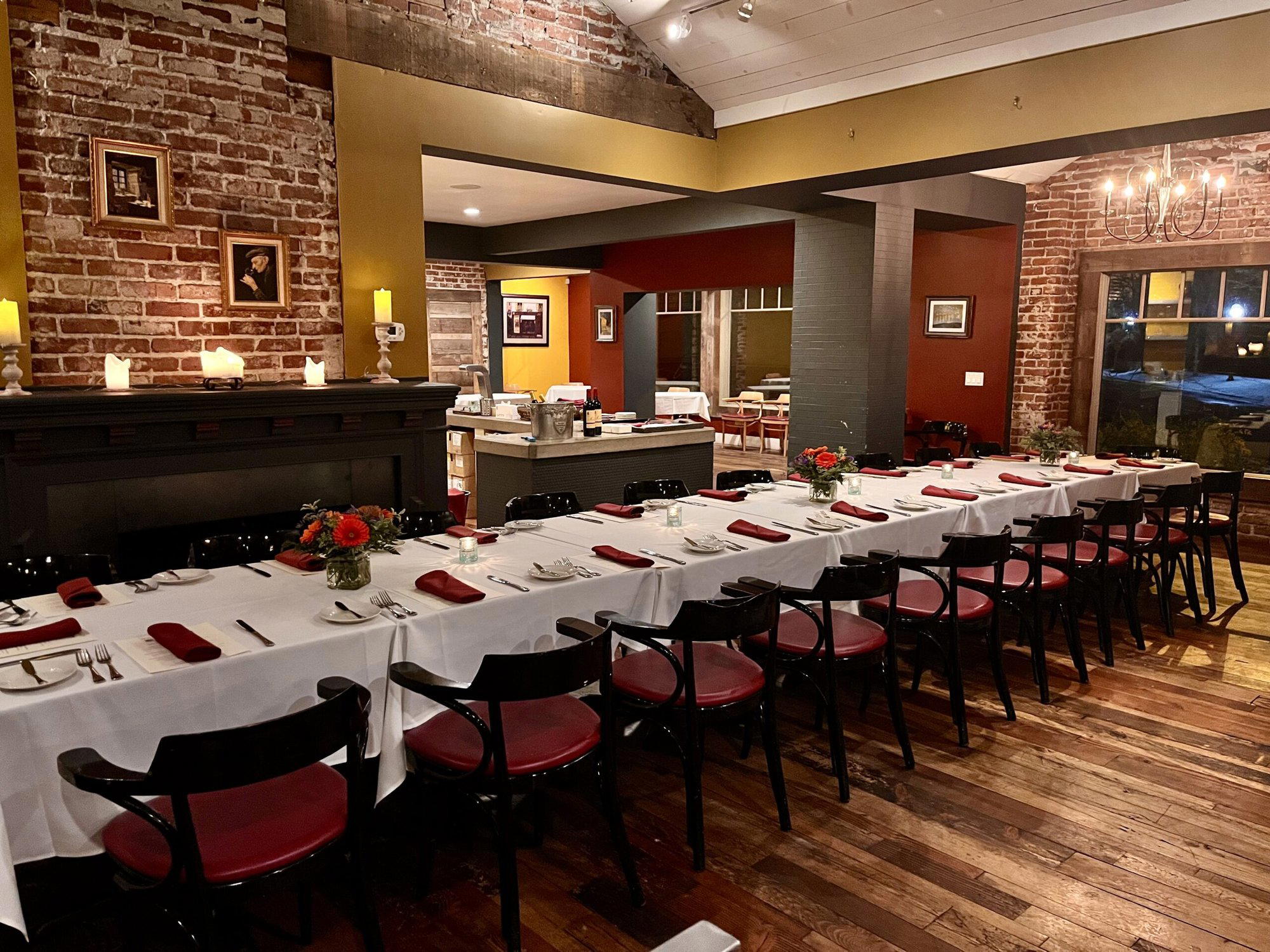
Historic industrial charm with exposed brick and barrels, blending tradition and innovation in a lively atmosphere.