Mama Mia
The restaurant has tracked alongside that neighbourhood's evolution, adjusting its offer as the surrounding community has grown and diversified. For regulars, it functions as a consistent neighbourhood anchor in a part of Houston that outsiders rarely map.

Pearl is the En Primeur Club membership app — saves, bookings, and concierge access live there. Same editors, same standards.
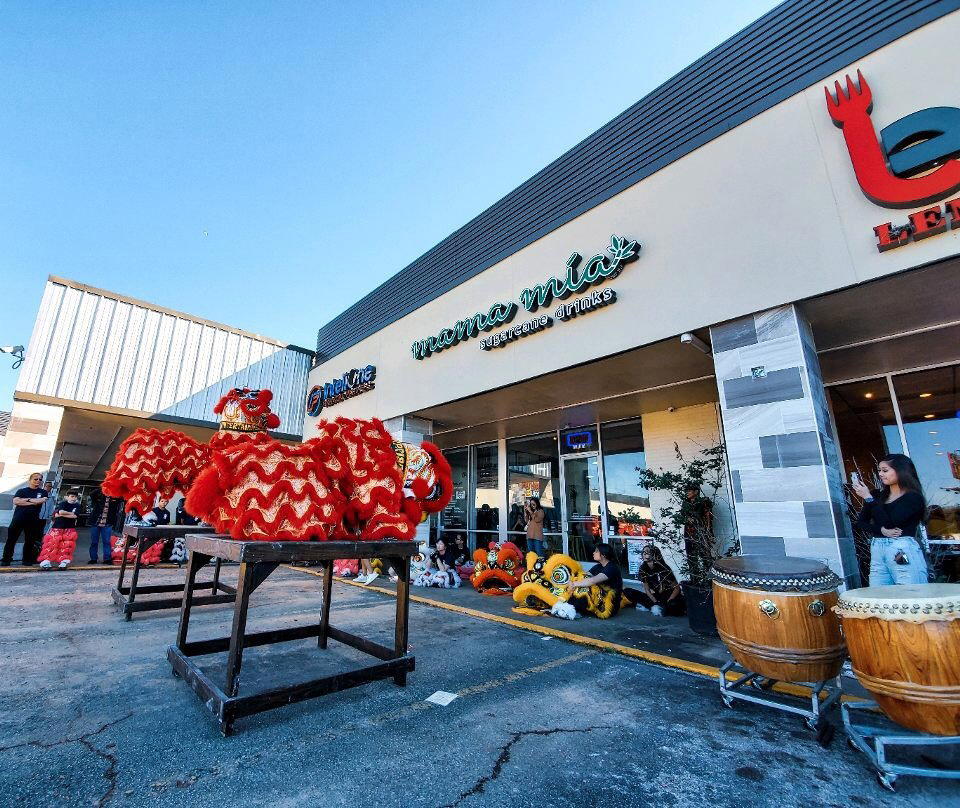
Mama Mia has occupied this stretch long enough to have watched several cycles of the neighbourhood change around it. In a corridor where rent economics and community loyalty both drive decisions, longevity signals something about how the restaurant has calibrated itself over time. There is no single cuisine that defines it, and there is no hospitality industry infrastructure propping restaurants up with expense-account traffic. The clientele is predominantly local, predominantly repeat, and predominantly value-conscious in the sense that they know exactly what a dish should taste like and how much it should cost. This creates a feedback loop that either sharpens a kitchen or exposes it.
What this means for a restaurant like Mama Mia is that any evolution it has undergone has been in direct conversation with that community pressure. The Southwest corridor does not reward restaurants that drift too far from what their regulars expect, but it also does not sustain restaurants that stop moving entirely. The ones that last tend to have found a version of themselves that stays recognisable while absorbing gradual change, whether that is in sourcing, in format, or in the breadth of what they offer.
Houston's dining scene more broadly has shifted considerably over the past decade. The city that once defaulted to Tex-Mex and steakhouses as its primary dining identity now runs one of the more complex multi-cuisine environments in the country, with serious representation across Southeast Asian, Middle Eastern, and Latin American traditions. For the bars and restaurants on the margins of that conversation, places like Julep and Bandista have helped define what considered neighbourhood hospitality looks like in Houston's inner loop and beyond. Southwest Houston runs parallel to that evolution, just with less press coverage and more regulars. Restaurants in this part of Houston do not announce reinventions through press releases. Change tends to show up in the menu gradually, in adjustments to the dining room, or in shifts in the core customer base. The restaurants that navigate those changes without losing their regulars tend to be the ones that understood early what they were actually selling: not just food, but a consistent sense of place for a community that does not have many formal anchors.
That is the context in which Mama Mia operates. The specifics of its current menu, format, and pricing are details that the restaurant communicates directly, but the frame around those details is a neighbourhood that has rewarded adaptation and punished stasis in roughly equal measure.
Across the wider Houston drinking and dining conversation, venues like 1100 Westheimer Rd and 13 Celsius have each built sustained relevance through format clarity rather than novelty. The principle applies beyond bars: restaurants that know what they are, and communicate that clearly to the right audience, tend to outlast the concept-driven openings that arrive with more fanfare. For the full context on where Houston's dining sits right now, our Houston restaurants guide maps the current state across neighbourhoods and categories.
Neighbourhood Dining at This Level Nationally
It is worth placing the Southwest Houston dining environment in a broader American context. The pattern of immigrant-anchored restaurant corridors that operate outside the prestige dining circuit is not unique to Houston, but Houston's version is among the larger and more concentrated examples in the South. Comparable neighbourhood-level seriousness shows up in cities like Chicago, where venues such as Kumiko have helped reframe what neighbourhood-scale precision looks like, or in New Orleans, where Jewel of the South operates with a similar sense of community rootedness. In Honolulu, Bar Leather Apron in Honolulu has built its reputation precisely by serving a local clientele with high consistency rather than chasing a tourist market.
New York's Superbueno, San Francisco's ABV, Washington D.C.'s Allegory, and Frankfurt's The Parlour each represent a similar logic: sustained relevance built on knowing the room and the neighbourhood rather than performing for external validation. Mama Mia operates in the same tradition, in a city and on a corridor that rewards exactly that orientation. For current hours, reservations if applicable, and menu details, contacting the restaurant directly is the most reliable approach, as operational specifics on this corridor can shift seasonally.
Recognition, Side-by-Side
Comparable venues nearby, for context on price, style, and recognition.
| Venue | Cuisine | Price | Notes |
|---|---|---|---|
| Mama MiaThis venue — the venue you are viewing | lounge | Not listed | Not listed |
| Warehouse Live | lounge | $20–30 | Midtown |
| Montrose Cheese & Wine | wine_bar | $20–30 | Montrose |
| Lucille's | lounge | $20–30 | Museum District |
| Ginger Mule | cocktail_bar | $20–30 | Greater Heights |
| London Sizzler | lounge | Not listed | Sharpstown |
Continue exploring
More in Houston
Bars in Houston
All bars in Houston →
Restaurants in Houston
All restaurants in Houston →
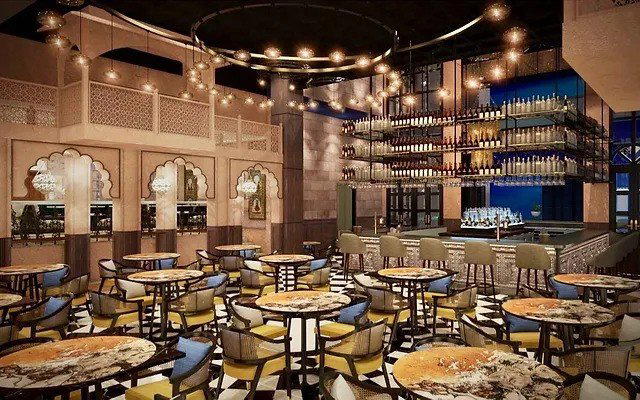
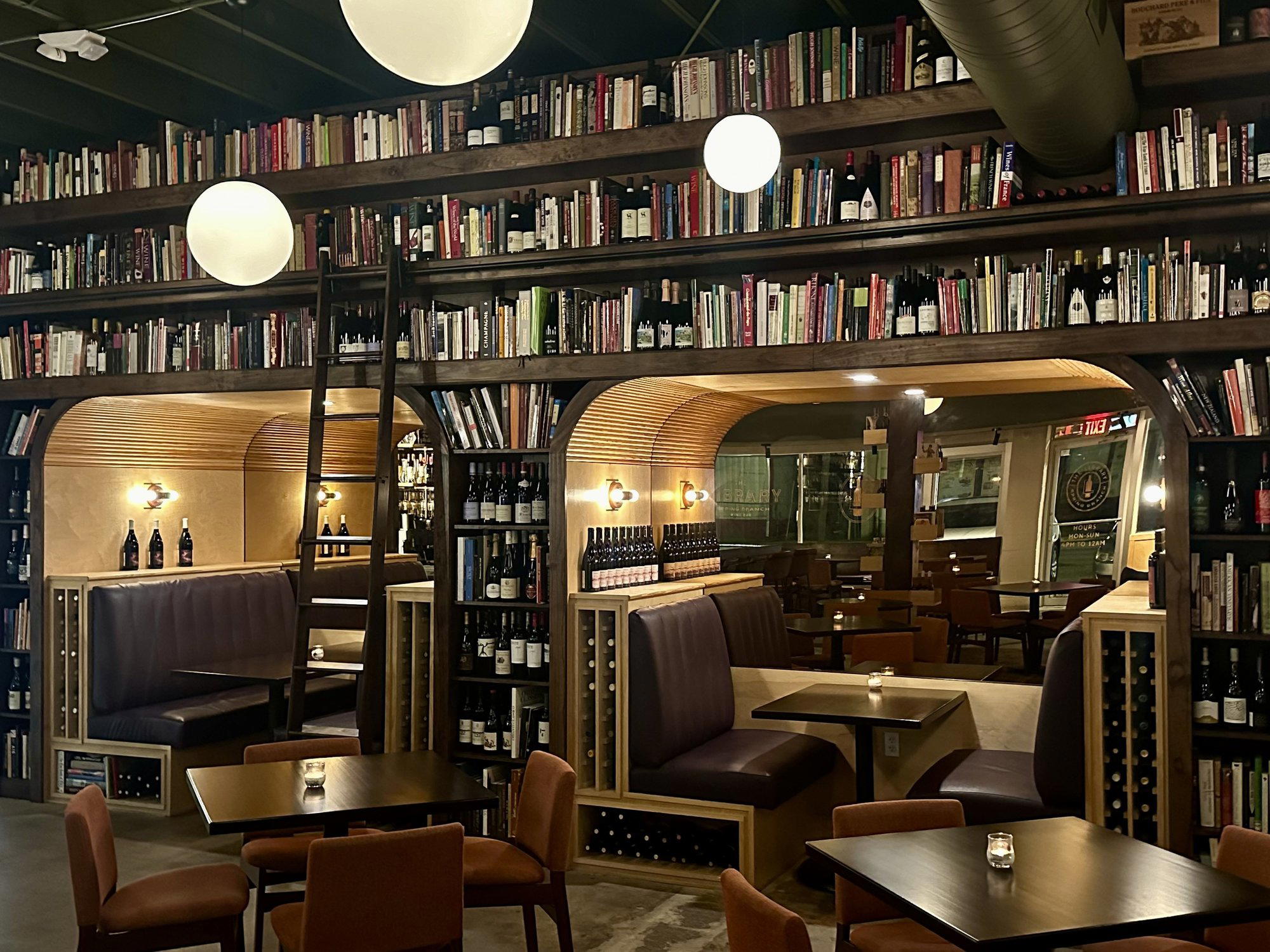
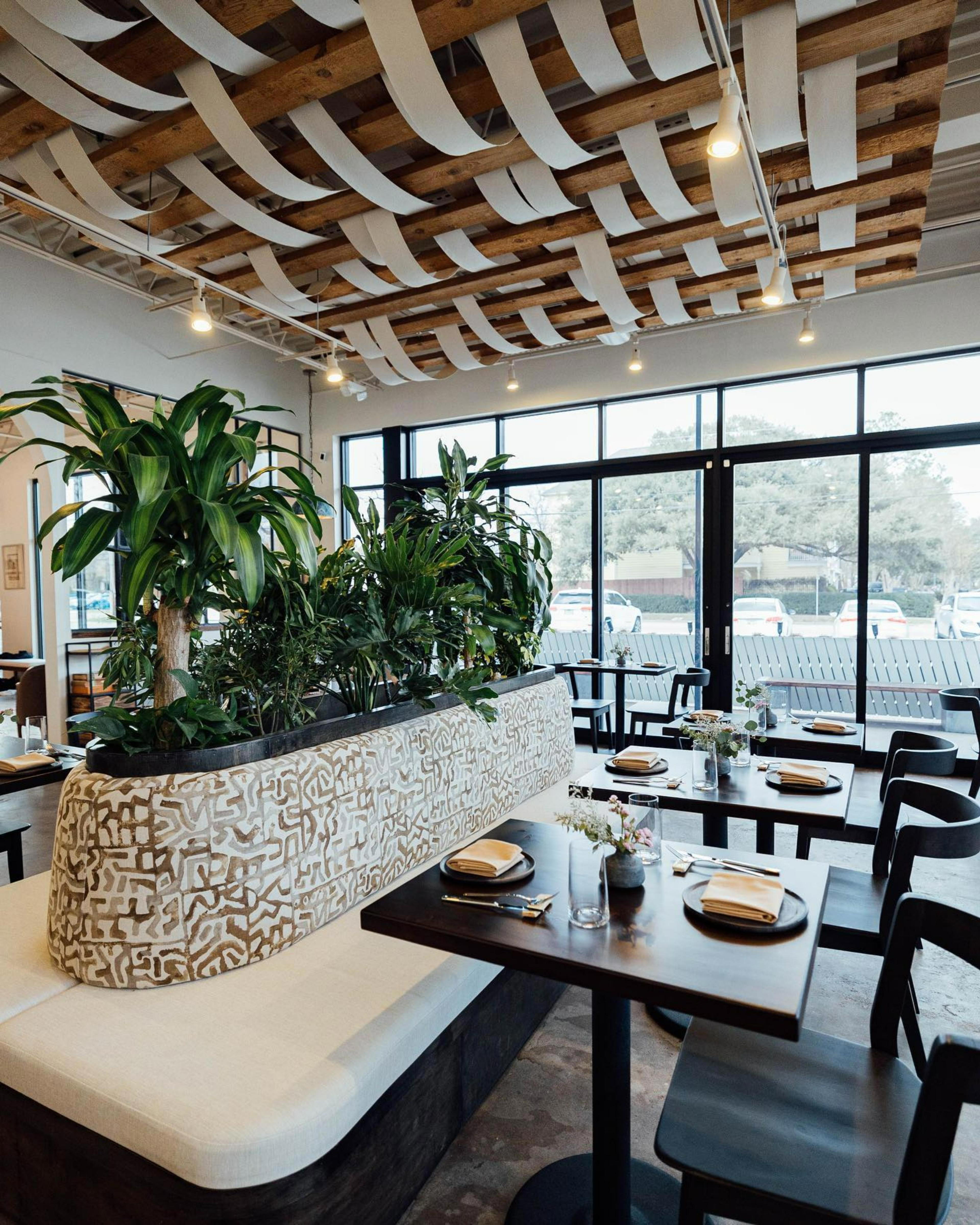
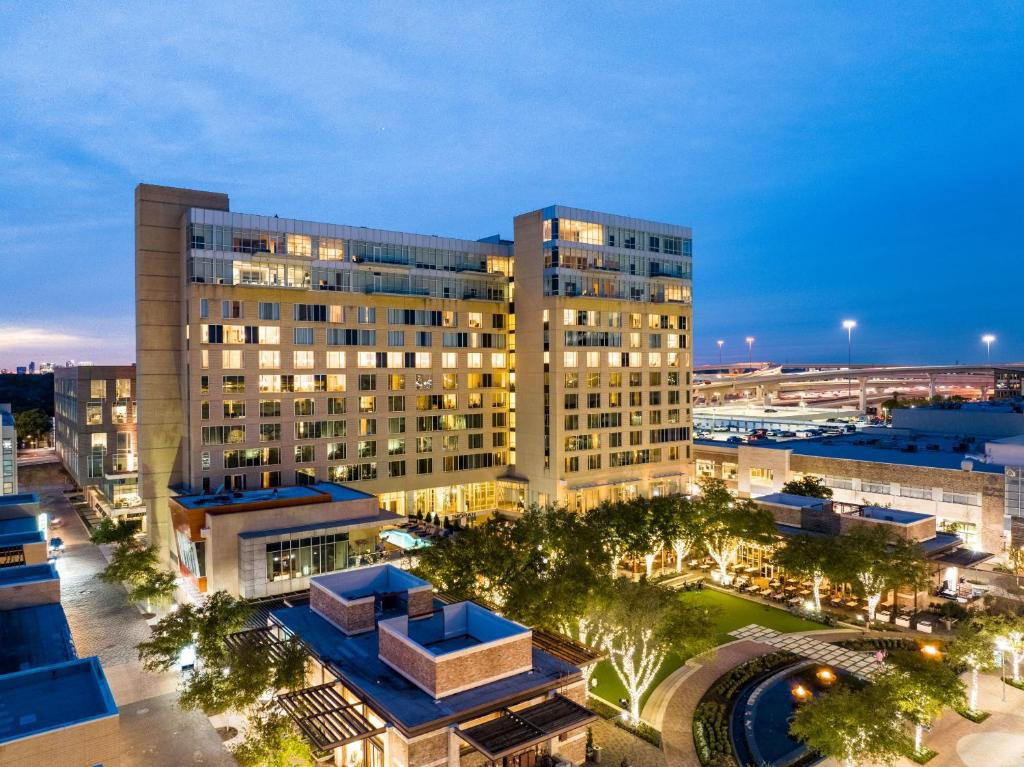
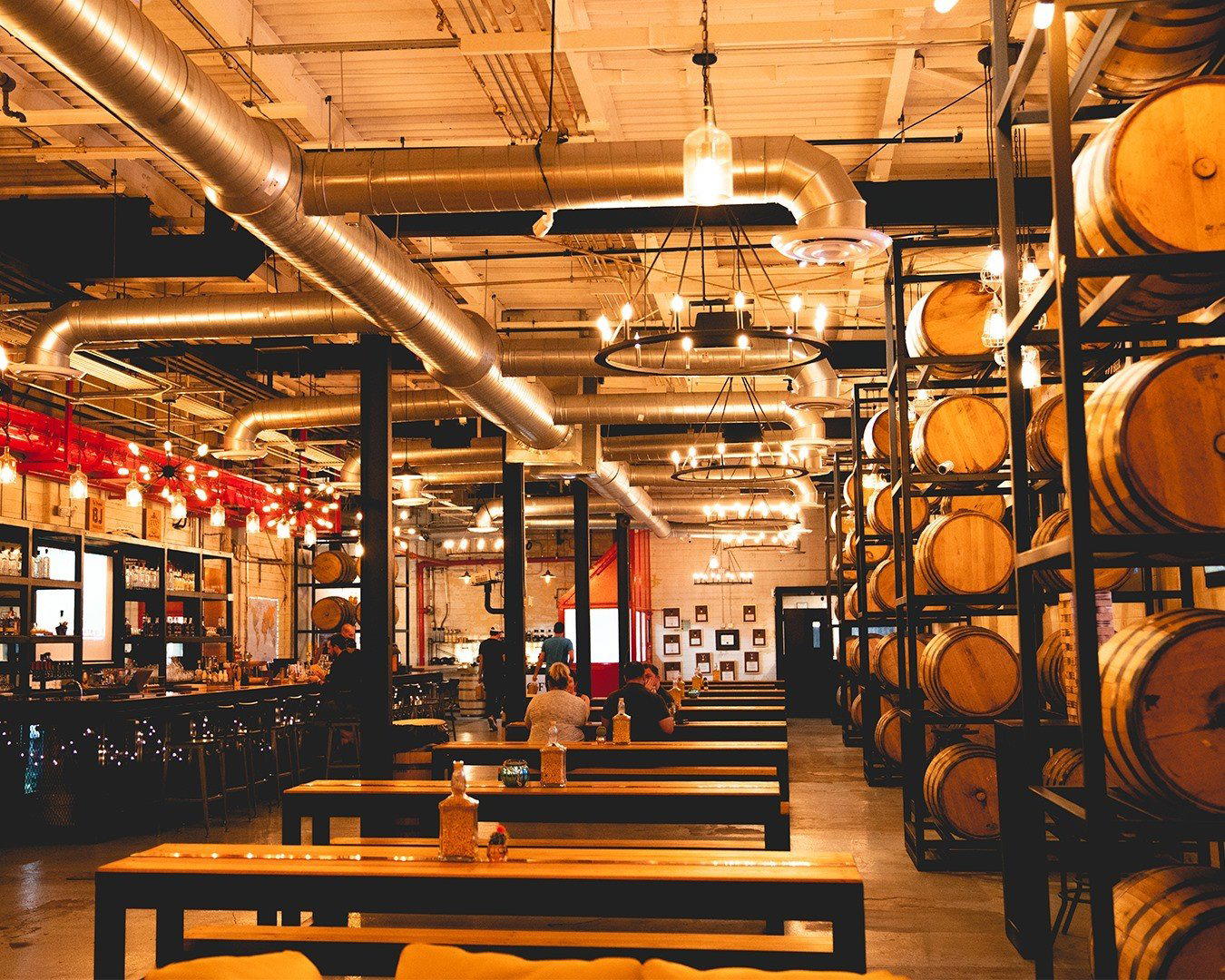
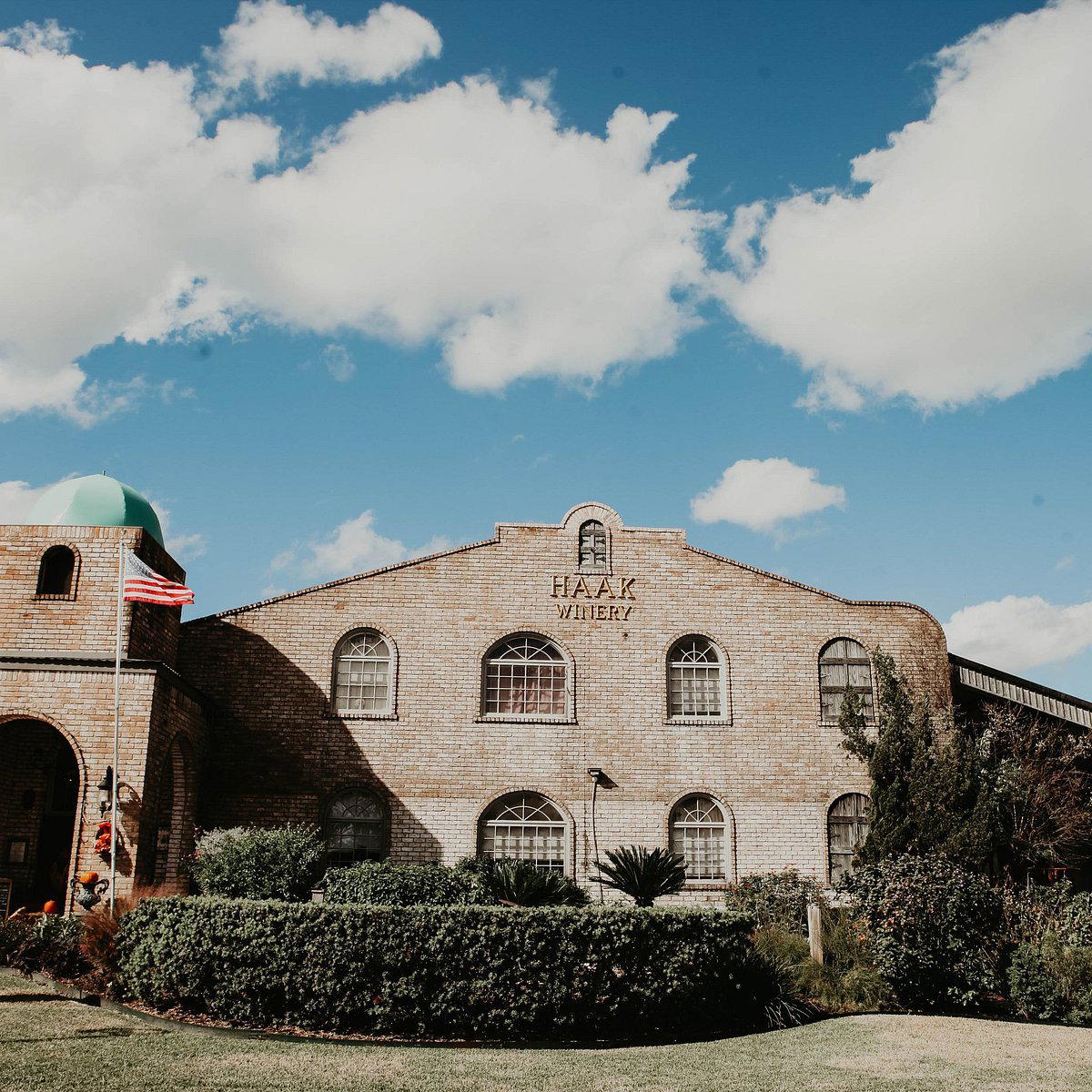
Details
- Lively
- Energetic
- Group Outing
- Celebration
- Special Occasion
- Live Music
- Lounge Seating
Current opening hours
- Monday
- 9 AM–7 PM
- Tuesday
- 9 AM–7 PM
- Wednesday
- 9 AM–7 PM
- Thursday
- 9 AM–7 PM
- Friday
- 9 AM–8 PM
- Saturday
- 9 AM–8 PM
- Sunday
- 9 AM–8 PM
Hours can change for holidays and private events. Last verified .
High-energy party atmosphere with themed decor and entertainment focused on ABBA music and culture