Belden's Bar
Belden's Bar sits at 31 North St in Litchfield, a small-town Connecticut address that reads more like a house call than a conventional night out. Its interest lies in a local bar format: intimate, residential in feel, and better judged against Litchfield’s quieter drinking culture than against big-city cocktail rooms.

Pearl is the En Primeur Club membership app — saves, bookings, and concierge access live there. Same editors, same standards.
- Address
- 31 North St, Litchfield, CT 06759 (within the house)
- Directions
- Get directions
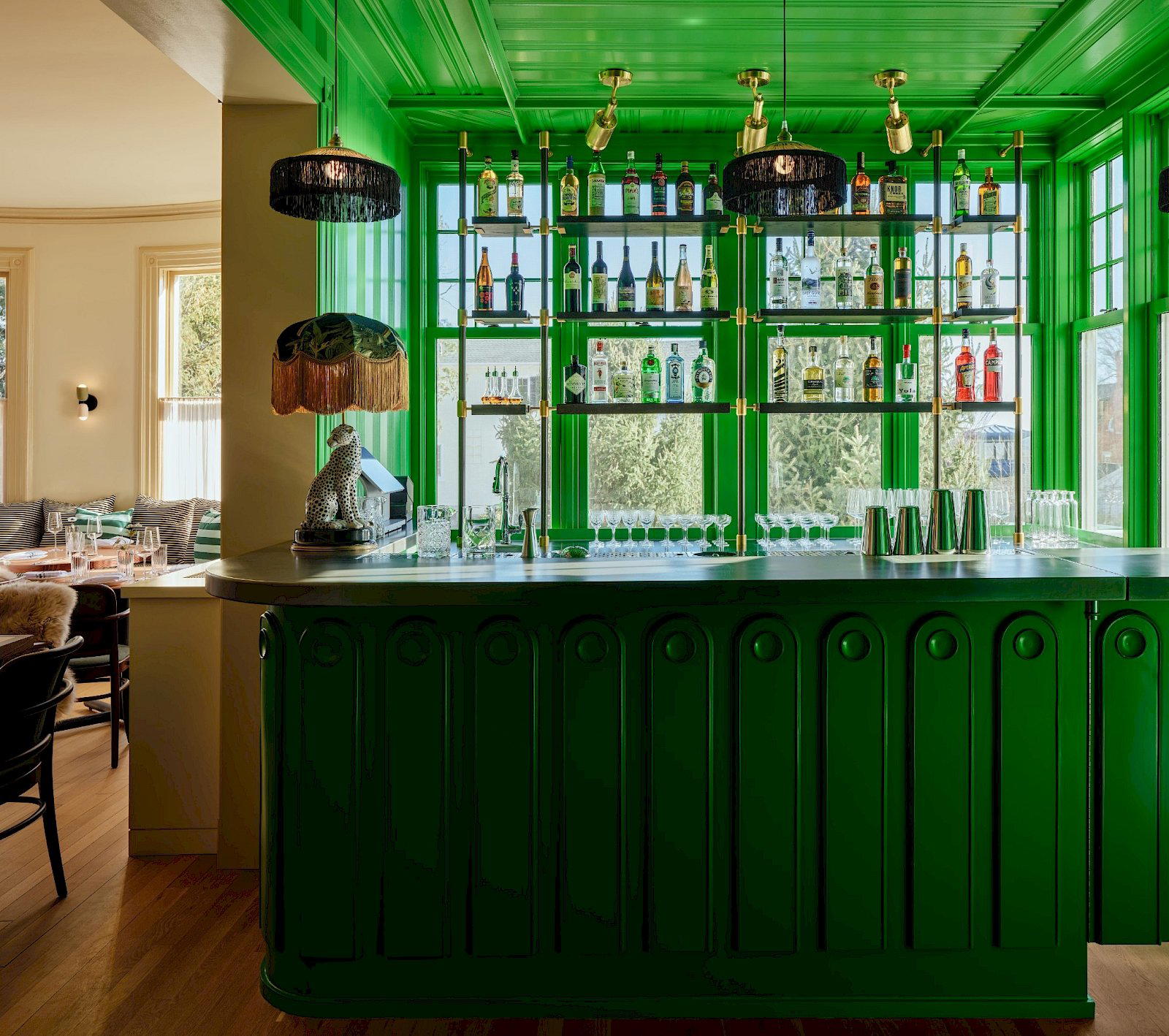
A house address, not a marquee
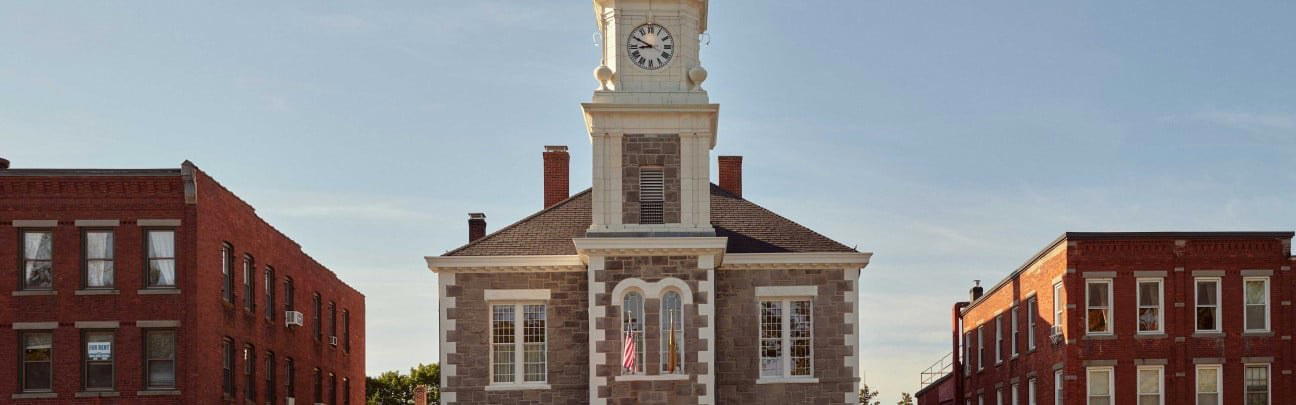
North Street gives this bar its first editorial clue before a glass is mentioned. The address, 31 North St, places the experience within the house rather than in the usual downtown storefront rhythm of polished windows, menu boards, and neon. In Litchfield, where the center of town runs on Federal-era architecture, courthouse gravity, antique-shop browsing, and weekend traffic from New York and the rest of Connecticut, that matters. A bar set within a house shifts the expectation from spectacle to proximity. The approach is quieter, the threshold more domestic, and the night depends less on scale than on how the room controls mood, pace, and conversation.
That residential signal also places Belden's Bar in a different category from the high-output cocktail rooms that dominate larger American cities. In Miami, Café La Trova in Miami turns Cuban cantinero culture into a room built for music and movement. In New Orleans, Jewel of the South in New Orleans works from historic cocktail lineage and dining-room structure. In New York, Martiny’s in New York City belongs to a city where cocktail craft often arrives with reservation pressure, precise technique, and a well-defined service script. Litchfield asks for a different reading. Here, the smaller format is not a limitation by itself; it is the point of comparison.
Set within a house at 31 North St in Litchfield, Belden's Bar is best understood through its residential setting and small-town context.
Why Litchfield changes the bar equation
Litchfield is not a city of late-night density. Its hospitality culture tends to reward places that understand arrival by car, early-evening pacing, rural-weekend itineraries, and visitors who may pair dinner or drinks with an inn stay, a gallery stop, a hike, or a country-house weekend. The bar scene therefore has less in common with neighborhoods built around foot traffic and more in common with destination towns where a single room can carry outsized social weight. A small bar in this setting competes not only with other bars, but with dining rooms, hotel lounges, private homes, and seasonal entertaining.
That is why the house-based location matters more than a generic label would. American cocktail culture in the past decade has split into several recognizable streams: technical bars with lab-like prep, revivalist rooms built around classic recipes, hotel bars trading on design and consistency, and neighborhood bars that care more about repeat use than national attention. Belden's Bar belongs closest to the last category, with a local address and a small-town setting. That should not be mistaken for lack of editorial interest. It means the proper question is not whether it competes with Thunderbolt in Los Angeles or Viceversa in Miami on technique. The sharper question is whether the format serves the town’s drinking rhythm better than a louder, more imported model would.
Rural and small-town bars often work through restraint. The room cannot rely on constant turnover from passing crowds, so comfort, recognition, and timing become central. The menu, if there is a cocktail list, has to read across a broader audience: locals, weekenders, hotel guests, diners finishing nearby, and people who do not want a lecture with their drink. In larger cities, a bartender’s creative vision is often presented through concept, technique, and media-ready signatures. In Litchfield, the more useful creative act is selection: what gets served, what gets left off, and how much ceremony the room can carry without turning awkward.
That distinction is increasingly relevant. Across the United States, ambitious cocktail bars have spent years making technique visible. Happy Accidents in Albuquerque represents a model in which regional personality and cocktail creativity can become the public identity of the venue. Roquette in Seattle sits in a different city culture, where design, neighborhood identity, and bar craft meet in a market with deep food-and-drink literacy. Litchfield is smaller, quieter, and less built around the chase for new menus. A strong cocktail programme here would need to do something subtler: make the room feel composed without making the guest feel processed.
The trust signal is contextual rather than trophy-based: a specific address in a defined town, a house-based setting, and a category position within Litchfield’s limited bar ecosystem. For readers, that is enough to place it as a local-format option rather than a destination for drink collectors chasing named accolades.
Small-room drinking versus destination cocktails
The better comparison for a Litchfield bar is not a global ranking table. It is the difference between a drink that anchors an evening and a drink that functions as a stop within a larger itinerary. In a city, a cocktail bar can be the whole plan: dinner after, another bar after that, taxi at midnight. In Litchfield, the evening often compresses. Dinner reservations, inn check-ins, dark country roads, and seasonal travel patterns make logistics part of taste. A bar that works in this setting has to understand when to be brief, when to slow the table down, and when not to overcomplicate the order.
That makes Belden's Bar more interesting as a case study in scale than as a conventional venue profile. The house location suggests intimacy. Verify current access locally before building an evening around the address, and pair the stop with nearby dining or lodging options rather than treating it as the single fixed point of a trip.
Litchfield County also has a broader hospitality pattern that shapes expectations. The region draws weekend visitors for inns, rural drives, historic villages, farms, and wineries rather than for dense nightlife. A reader comparing categories may find the town’s bar culture easier to understand through the Litchfield experiences guide. The point is not to isolate drinks from the rest of the trip. In this part of Connecticut, the stronger itinerary usually links the bar to dinner, lodging, landscape, and timing.
For cocktail-focused travelers, the decision depends on priorities. If the aim is to compare named programmes with documented awards, public menus, and bartender-led identities, larger cities offer clearer evidence. Café La Trova in Miami, Thunderbolt in Los Angeles, Jewel of the South in New Orleans, and Martiny’s in New York City all sit in markets where cocktail identity is easier to document and compare. If the aim is to understand how drinking culture behaves in a historic Connecticut town, this Litchfield address becomes more relevant. It tells a story about scale, discretion, and the social function of a bar when nightlife is not the town’s main industry.
Planning notes for North Street
The practical detail is simple: the address is 31 North St, Litchfield, CT 06759, within the house. Confirm current access and service details locally before setting an itinerary, especially on weekends, holidays, and high-season periods.
The town’s geography also affects the evening. Litchfield is not built around subway spontaneity or dense ride-hail circulation. A drink stop should be planned with transportation in mind, particularly after dinner or if staying outside the village center. The address is in town. Treat the bar as one part of a compact Litchfield plan rather than a late-night afterthought, and use the broader city guides when matching drinks to a restaurant, hotel, winery, or daytime experience.
Continue exploring
More in Litchfield
Bars in Litchfield
Browse all →
Restaurants in Litchfield
Browse all →
Hotels in Litchfield
Browse all →
Wineries in Litchfield
Browse all →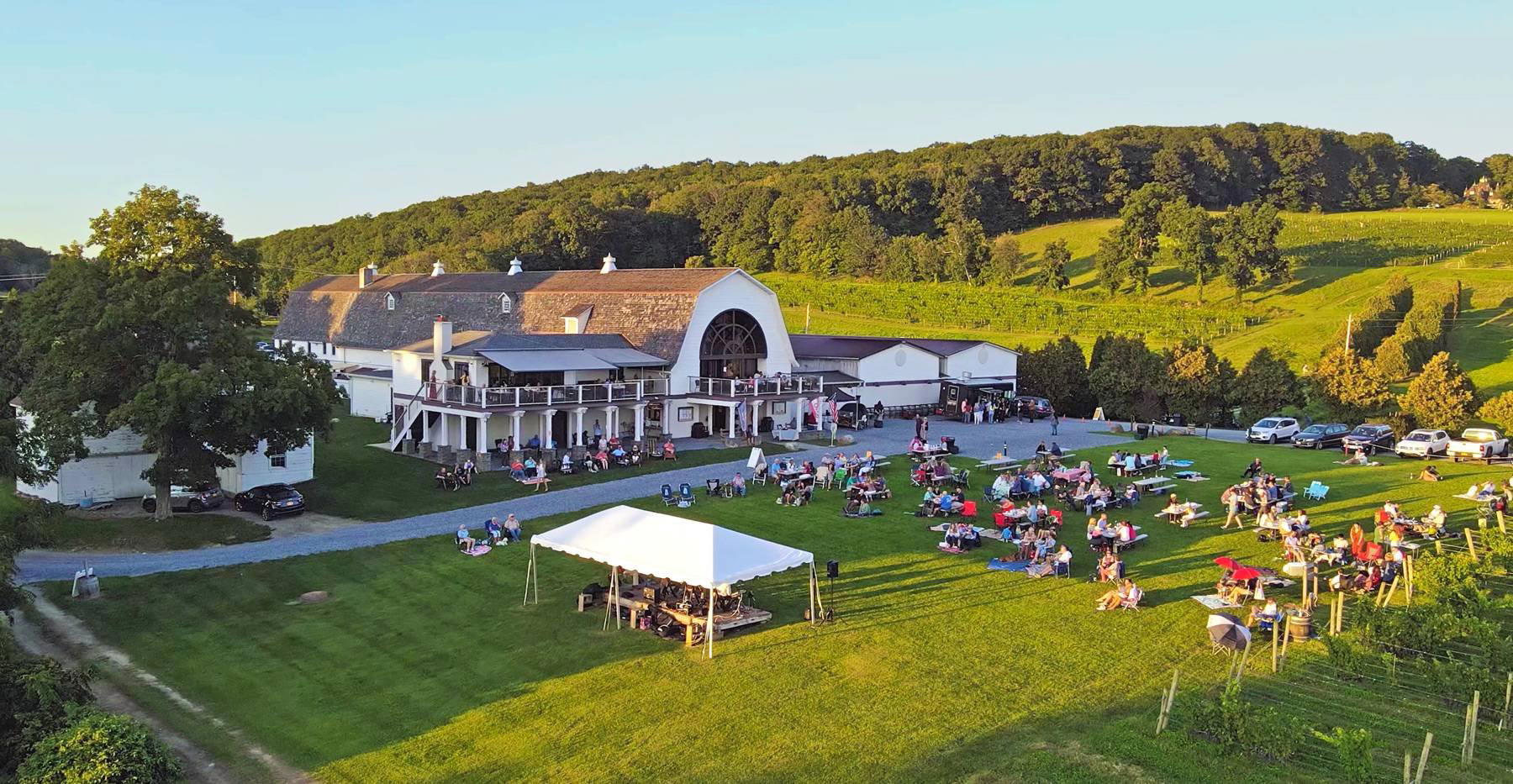
Details
- Intimate
- Cozy
- Sophisticated
- Classic
- Date Night
- After Work
- Solo
- Casual Hangout
- Standalone
- Historic Building
- Seated Bar
- Lounge Seating
- Classic Cocktails
- Craft Cocktails
- Natural Wine
- Conventional Wine
- Craft Beer
- Zero Proof
- Garden
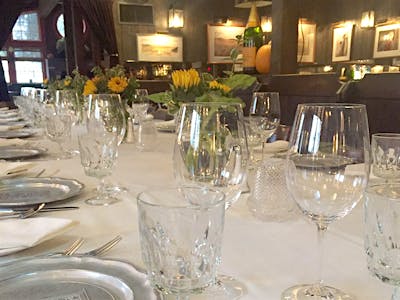
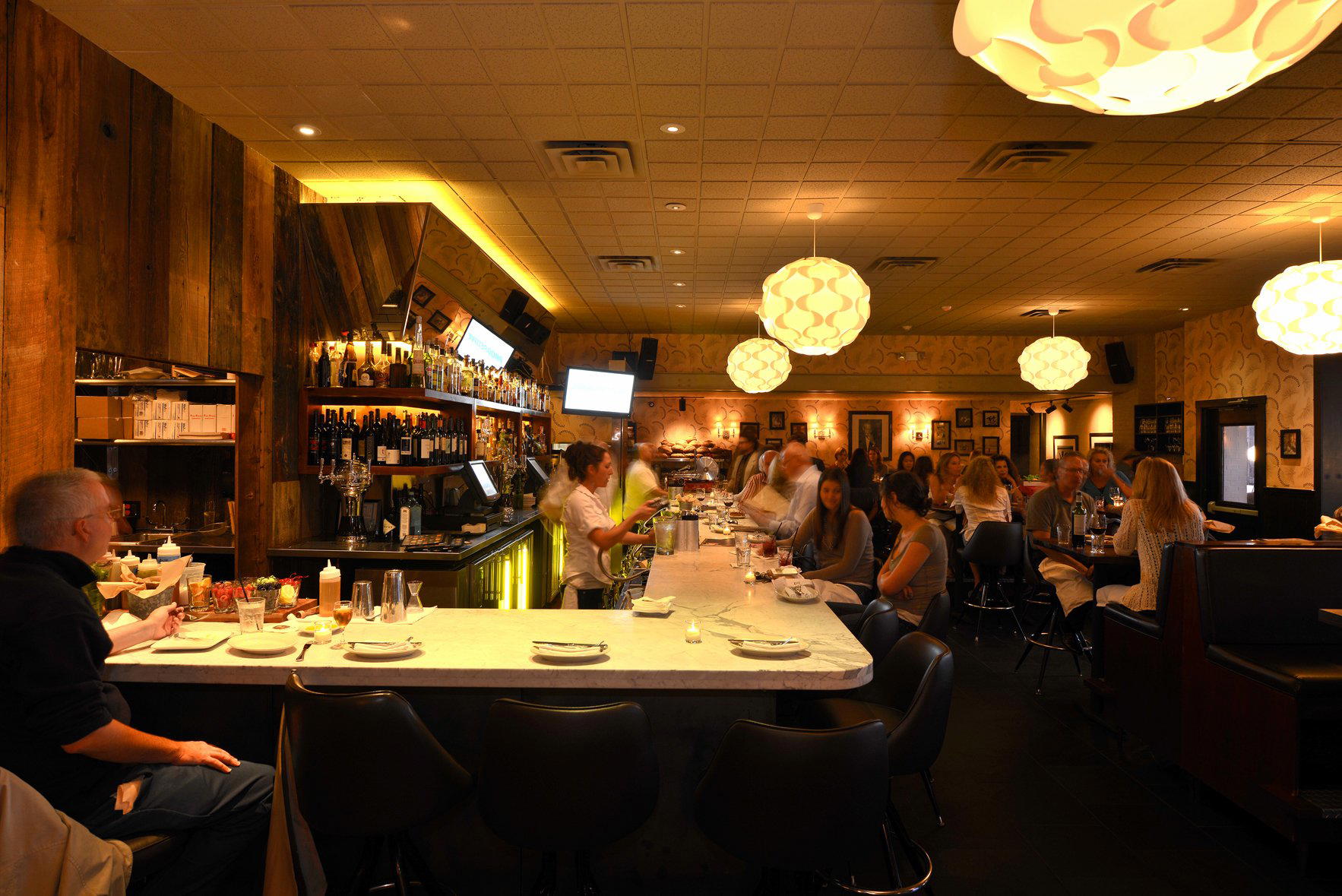
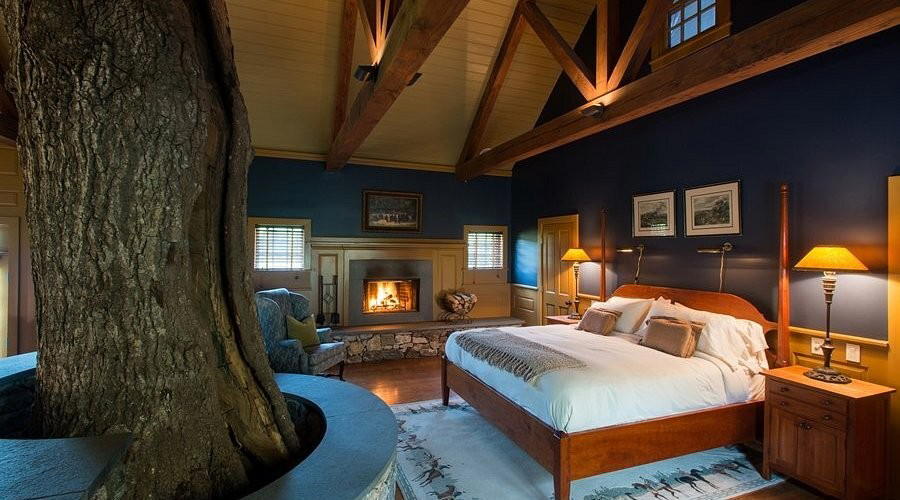
Intimate, jewel-box atmosphere with natural light by day and a chic, alluring cocktail-bar feel by night.