Bar Le Gaspard sits in the high-polish end of Paris drinking culture, at La Réserve on Avenue Gabriel in the 8th arrondissement. With little public operational data available, the useful lens is context: this is a hotel-bar address in a district shaped by palace hospitality, diplomatic traffic, and a cocktail scene increasingly split between grand-room service and technical independent counters.
Pearl is the En Primeur Club membership app — saves, bookings, and concierge access live there. Same editors, same standards.
- Address
- la reserve, 42 Av. Gabriel, 75008 Paris, France
- Phone
- +33 1 58 36 60 50
- Website
- lareserve-paris.com
- Directions
- Get directions
 Saves & bookings on Pearl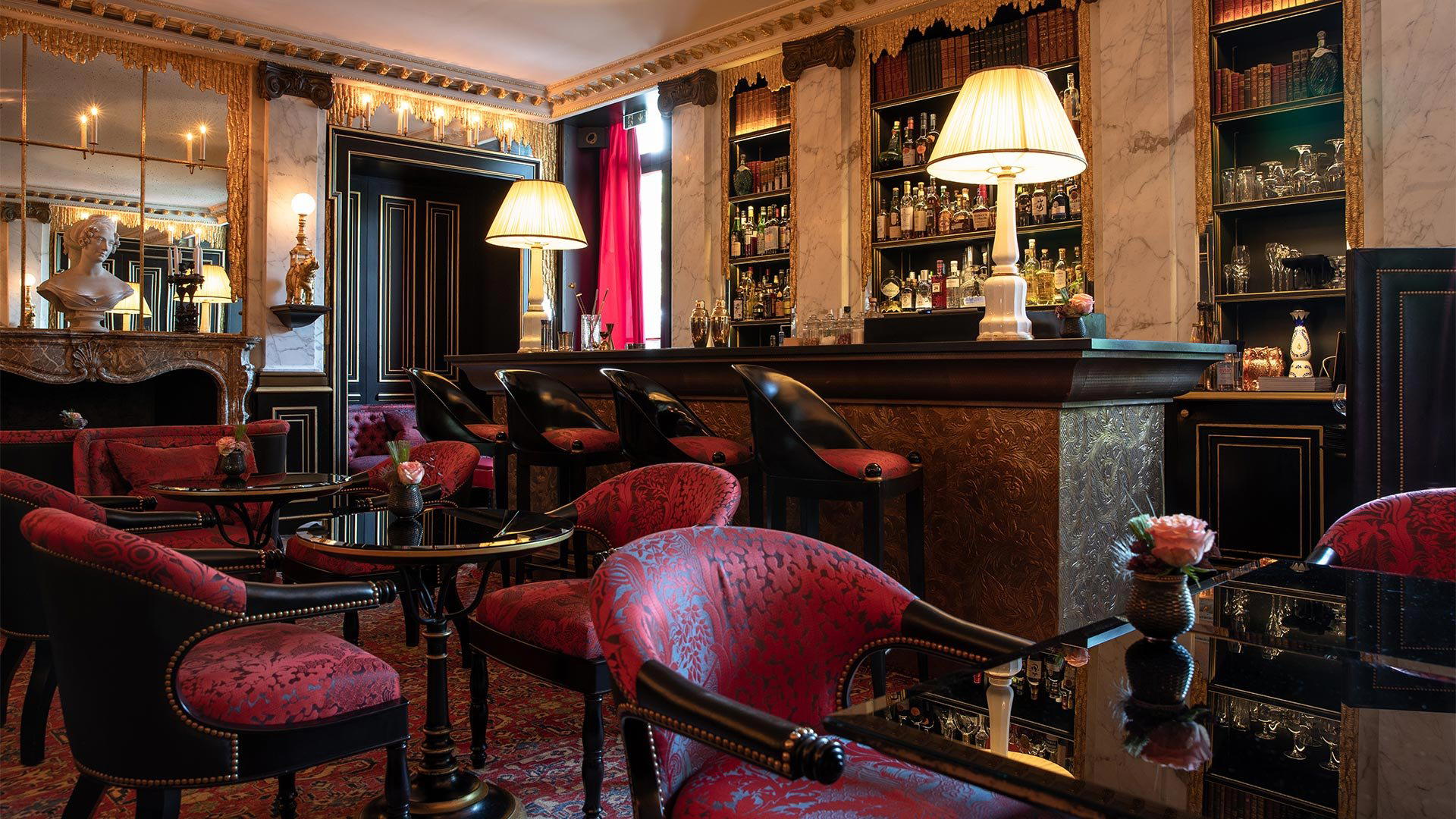
Entering the 8th arrondissement's hotel-bar circuit
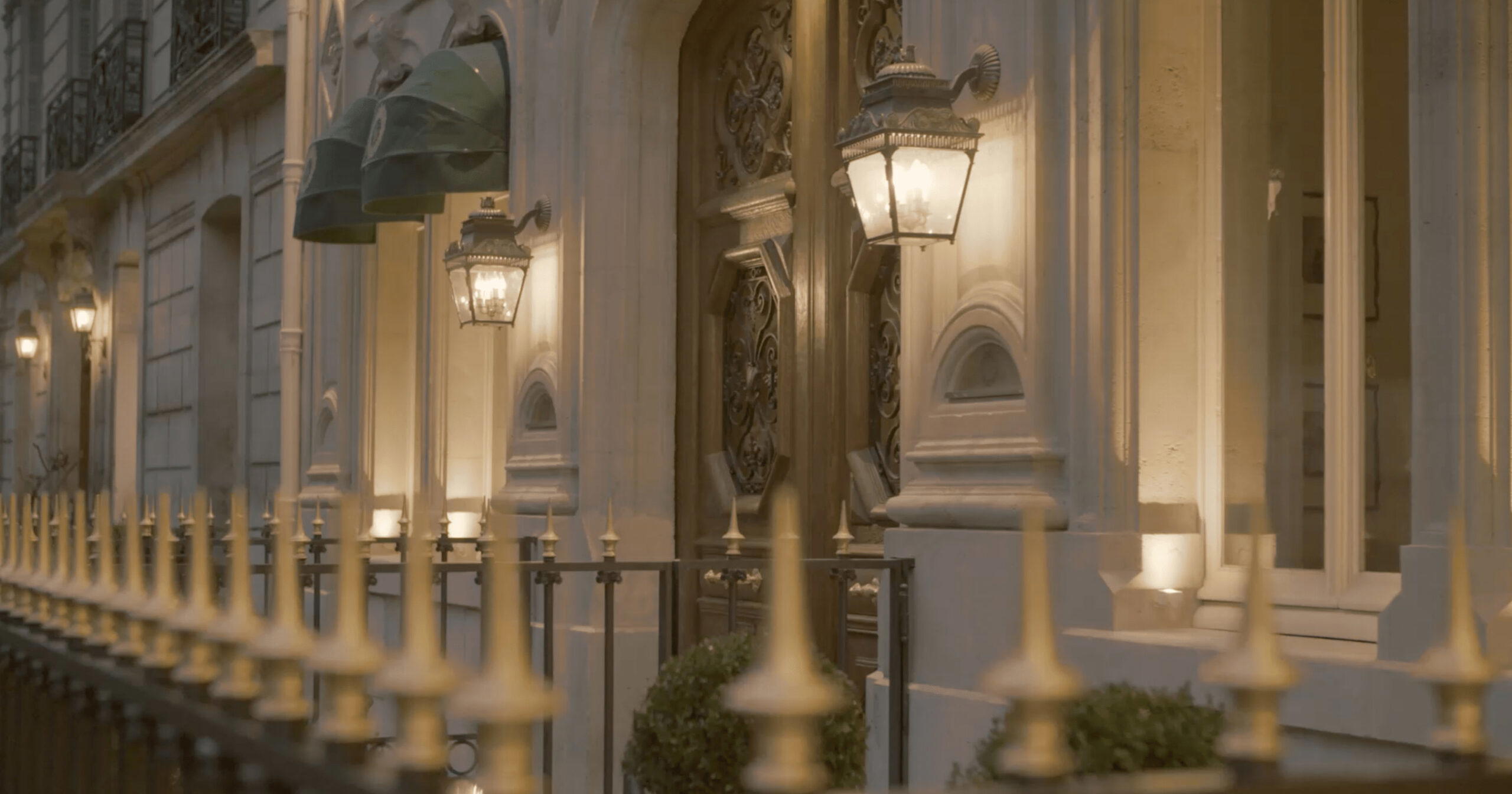
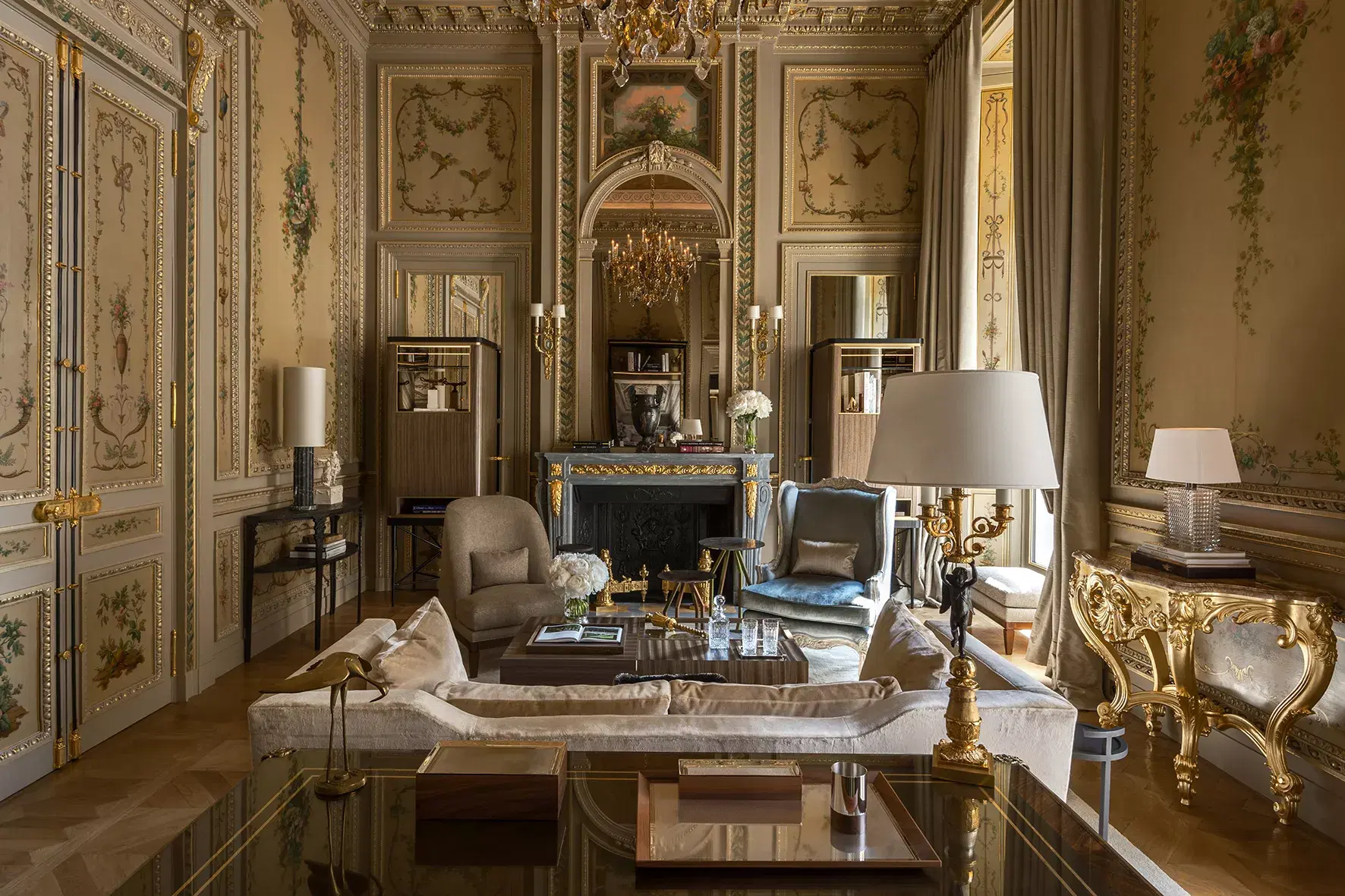
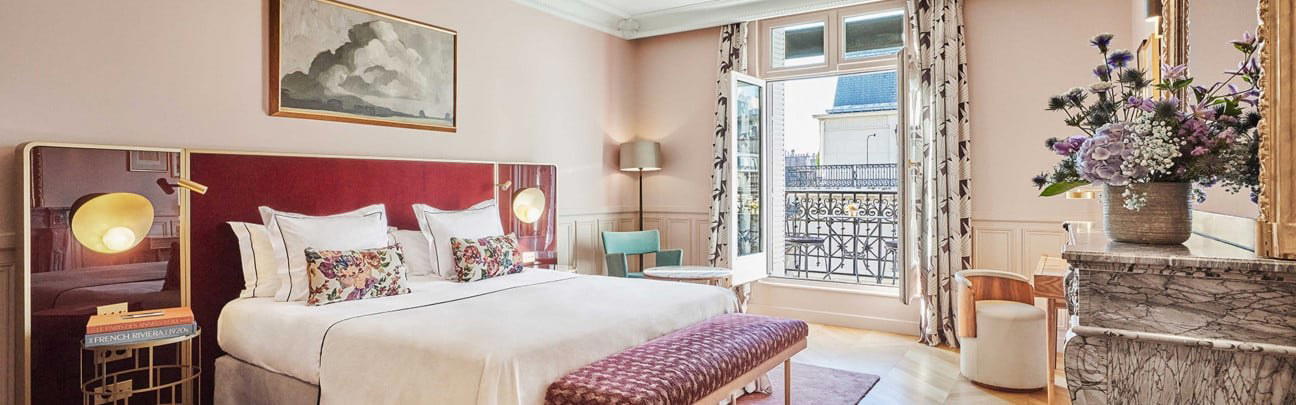
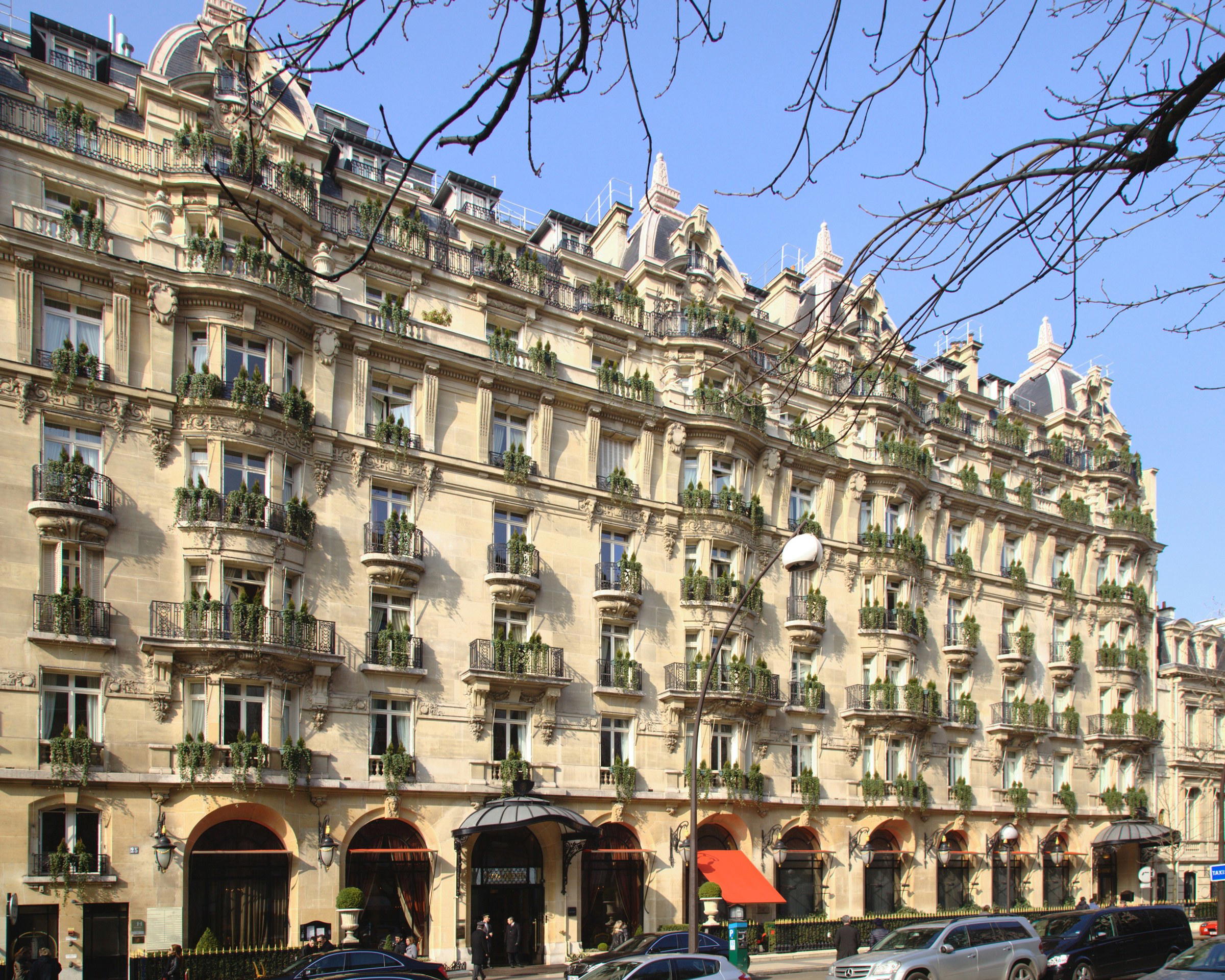
Avenue Gabriel carries a particular kind of Parisian hush. The traffic of the Champs-Élysées is close enough to register, but the immediate mood is quieter: embassy facades, manicured edges of the gardens, and the controlled pace of luxury hotels that do not need to announce themselves from the pavement. Bar Le Gaspard is listed at La Réserve, 42 Av. Gabriel, 75008 Paris, placing it inside one of the capital’s polished hospitality corridors rather than in the louder cocktail quarters of the Marais, Pigalle, or the Canal Saint-Martin axis.
That address matters because Paris bar culture is not a single scene. It has split into several parallel circuits. There are destination cocktail rooms built around technical menus and bartender authorship, represented in different ways by Candelaria, Danico, and Bar Nouveau. There are high-volume glamour rooms, where the drink is only part of a larger social performance, a category in which Buddha Bar remains a useful reference point. Then there is the hotel-bar tradition, where discretion, timing, and service fluency carry as much weight as the recipe in the glass.
Bar Le Gaspard belongs to that last conversation. That absence should not be smoothed over with invented certainty. For a reader comparing Paris bars, the reliable facts are the name, city, country, and address; the editorial value comes from understanding what that address implies.
The craft question in Paris hotel bars
The assigned story here is the bartender’s craft, but craft in a hotel setting is different from craft in a small independent cocktail bar. In an independent counter, authorship often sits in the foreground: clarified serves, house fermentations, restricted menus, and bar teams with visible signatures. In a hotel bar, the work is often less declarative. The bartender has to read the room quickly, handle international drinking habits, and move between classics, low-ABV requests, Champagne calls, and spirit-forward orders without turning each decision into a lecture.
That is why the Paris hotel-bar format rewards restraint. A bartender in this context is judged not only by whether a drink is balanced, but by whether the service rhythm suits the guest’s purpose. A pre-dinner drink before a Michelin-level reservation requires a different cadence from a late-night digestif after a long arrival day. A table of local regulars expects a different register from a hotel guest who wants the bar to translate Paris without requiring research. The craft is partly technical, partly social, and partly logistical.
The city’s newer cocktail bars have helped raise expectations across the board. Paris no longer gets by on the idea that wine and Champagne excuse weak mixed drinks. The last decade has made precision more visible: better ice, cleaner mise en place, more serious non-alcoholic options, and menus that borrow from culinary technique without losing the point of a bar. Hotel bars now have to answer that shift while preserving the older French codes of hospitality: greeting, pacing, table management, and a certain distance that feels deliberate rather than cold.
Against that backdrop, Bar Le Gaspard’s main draw is not a publicly documented award or famous serve. The draw is its position in Paris: a bar at La Réserve’s Avenue Gabriel address, in a district where the guest is paying for composure as much as complexity. That is a narrower claim than saying it has a acclaimed cocktail program, but it is also more useful. For many Paris visitors, the distinction between a craft cocktail destination and a hotel-bar refuge will determine whether the evening works.
How Avenue Gabriel changes the drinking brief
Paris neighbourhoods shape bar behaviour. In the 3rd and 11th arrondissements, a drink often comes attached to restaurant hopping, late dinners, and the city’s younger creative traffic. Around Pigalle, the better cocktail rooms sit near music venues, late-night food, and a more elastic sense of closing time. The 8th arrondissement has a different tempo. Its hotel bars serve guests moving between luxury retail, business appointments, diplomatic buildings, museum visits, and restaurants where the reservation itself may be the anchor of the evening.
That affects what a bar needs to do. It must be suitable for a first drink before dinner without feeling like a staging area. It must work for a nightcap without becoming theatrical. It must offer enough polish for a client meeting while remaining comfortable for a couple that does not want a lobby lounge. The geography of Avenue Gabriel also places the bar near the western edge of central Paris nightlife, which makes it less natural for bar-hopping than the Marais or South Pigalle. The reward is a more contained evening: arrive, settle, drink at a measured pace, then move on to dinner or stay within the hotel orbit.
For readers building a broader Paris plan, the comparison is useful. Our full Paris bars guide is better for mapping the city by drinking style, from independent cocktail counters to hotel rooms and late-night addresses. Our full Paris restaurants guide helps pair a bar stop with dinner rather than treating the drink as an isolated event. For travellers deciding where to stay, Our full Paris hotels guide gives the hospitality context that often explains why certain bars feel formal, quiet, or intensely serviced.
Hotel polish versus cocktail-counter energy
The practical distinction is simple. A cocktail-counter bar asks the guest to pay attention to the bar’s ideas. A hotel bar asks the bar team to pay attention to the guest’s evening. Neither model is inherently stronger; they serve different needs. Paris is strong precisely because both forms now coexist. A visitor can spend one night in a small-format cocktail room where the menu is the point, then spend another in a hotel setting where the pleasure comes from not having to negotiate the room.
That comparison also prevents overclaiming. With no public data supplied for menu, prices, awards, or drink signatures, the responsible assessment is not to rank Bar Le Gaspard against technical cocktail specialists.
Planning the visit without invented certainty
That limits what can be stated responsibly. The safest planning advice is to treat this as a polished hotel-bar setting rather than a casual drop-in dive: check directly with La Réserve before making the bar the anchor of an evening, especially for a pre-dinner window or a late-night drink after a restaurant reservation. In Paris, hotel bars may adjust access, service rhythm, or table availability around private events, hotel occupancy, and seasonal demand.
Timing matters more than many visitors expect. Early evening in the 8th arrondissement often works for a controlled aperitif before dinner, while later hours can depend heavily on the hotel’s internal flow. Without listed hours, the page cannot responsibly recommend a specific arrival time. The more reliable approach is to use the bar as part of a neighbourhood plan rather than a cross-city crawl. Avenue Gabriel suits an evening built around the Champs-Élysées, the Grand Palais area, luxury hotels, or a right-bank dinner reservation. It is less efficient for travellers planning to move between several independent cocktail bars across the city.
For a wider French drinking itinerary, the comparison can extend beyond Paris. La Vertu in Reims sits in a Champagne-region context where wine culture shapes the bar conversation differently. Papa Doble in Montpellier reflects a southern French city with a warmer street-life rhythm and a different relationship to late-night drinking. Even outside France, formats matter: Café La Trova in Miami shows how bartender identity, music, and room energy can sit at the centre of the experience in a way that Paris hotel bars usually keep more contained.
Who this address suits
This is the right type of address for travellers who want the formality of a hotel bar near major right-bank routes, especially when the evening calls for controlled pacing rather than discovery by trial and error. It suits pre-dinner drinks, quiet meetings, and nights when service discretion matters. It is less suited to guests chasing a documented awards list, a named signature drink, or a bartender-led menu with public technical detail.
The same caution applies to price. That general category knowledge is enough to set expectations, but not enough to quote numbers. Readers comparing spend should verify directly before committing, particularly if planning a group visit or a multi-round evening.
Paris context: where else the evening can go
Avenue Gabriel places the bar inside a polished right-bank orbit, but Paris rewards pairing by mood rather than by arrondissement alone. A guest who wants a sharper cocktail-program focus may compare it with Candelaria’s small-room energy or Danico’s design-led approach. A guest who wants a grander room can look toward Buddha Bar’s social scale. A guest seeking newer-generation Paris cocktail culture should look at Bar Nouveau as part of the city’s move toward more transparent, technique-aware drinking.
The wider EP Club Paris ecosystem helps separate those decisions. Our full Paris experiences guide is useful when the drink sits inside a larger cultural itinerary rather than a standalone night. Our full Paris wineries guide covers wine-led planning for readers more interested in bottles, tastings, and producer context than cocktails. The point is not to force every traveller into the same bar route. Paris drinking is now segmented enough that the stronger choice depends on whether the night needs theatre, technical craft, wine intelligence, hotel composure, or late-night momentum.
- Gaspard Martini
- Haathee
- Zanzibar
- Elizabeth
- Tokyo Amber
- Sans Souci
Continue exploring
More in Paris
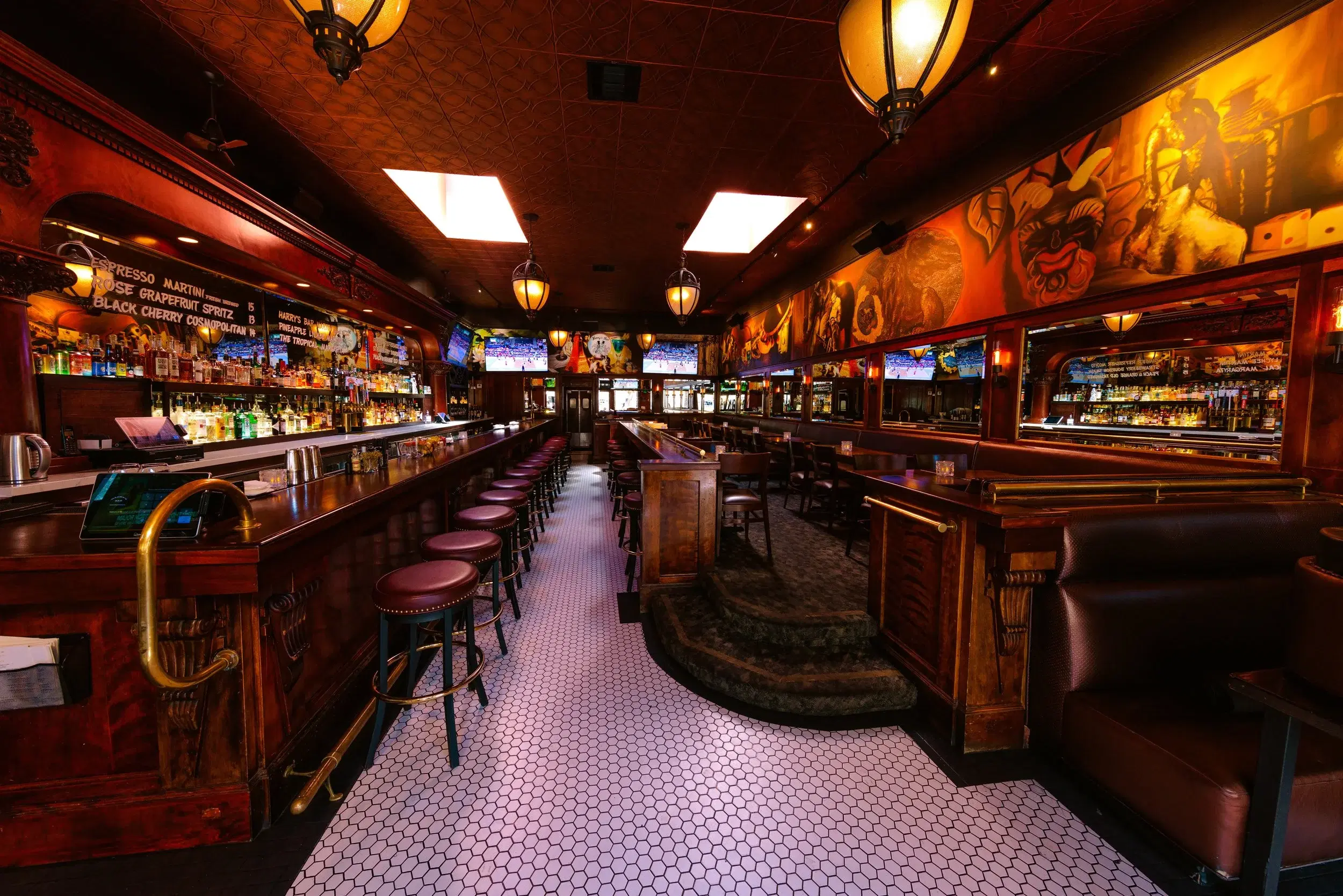
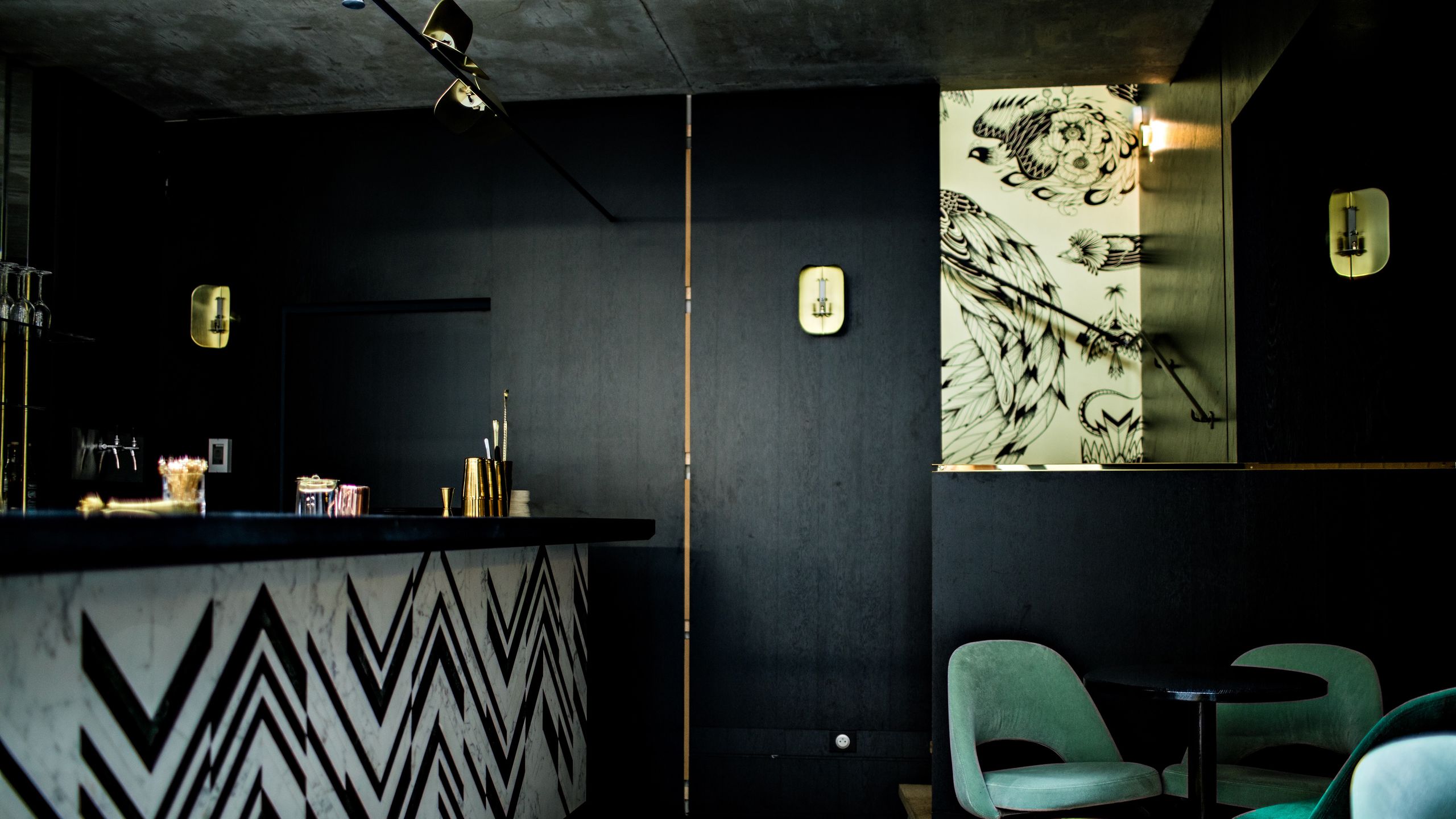
Bars in Paris
Browse all →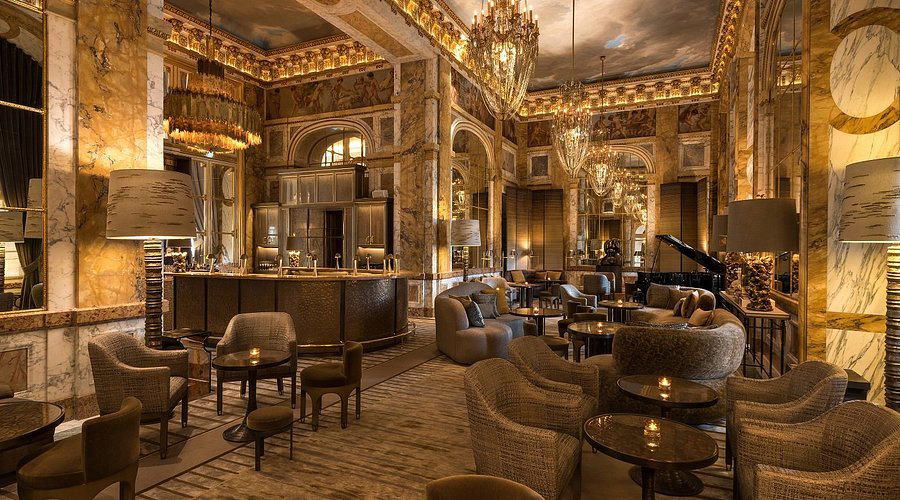
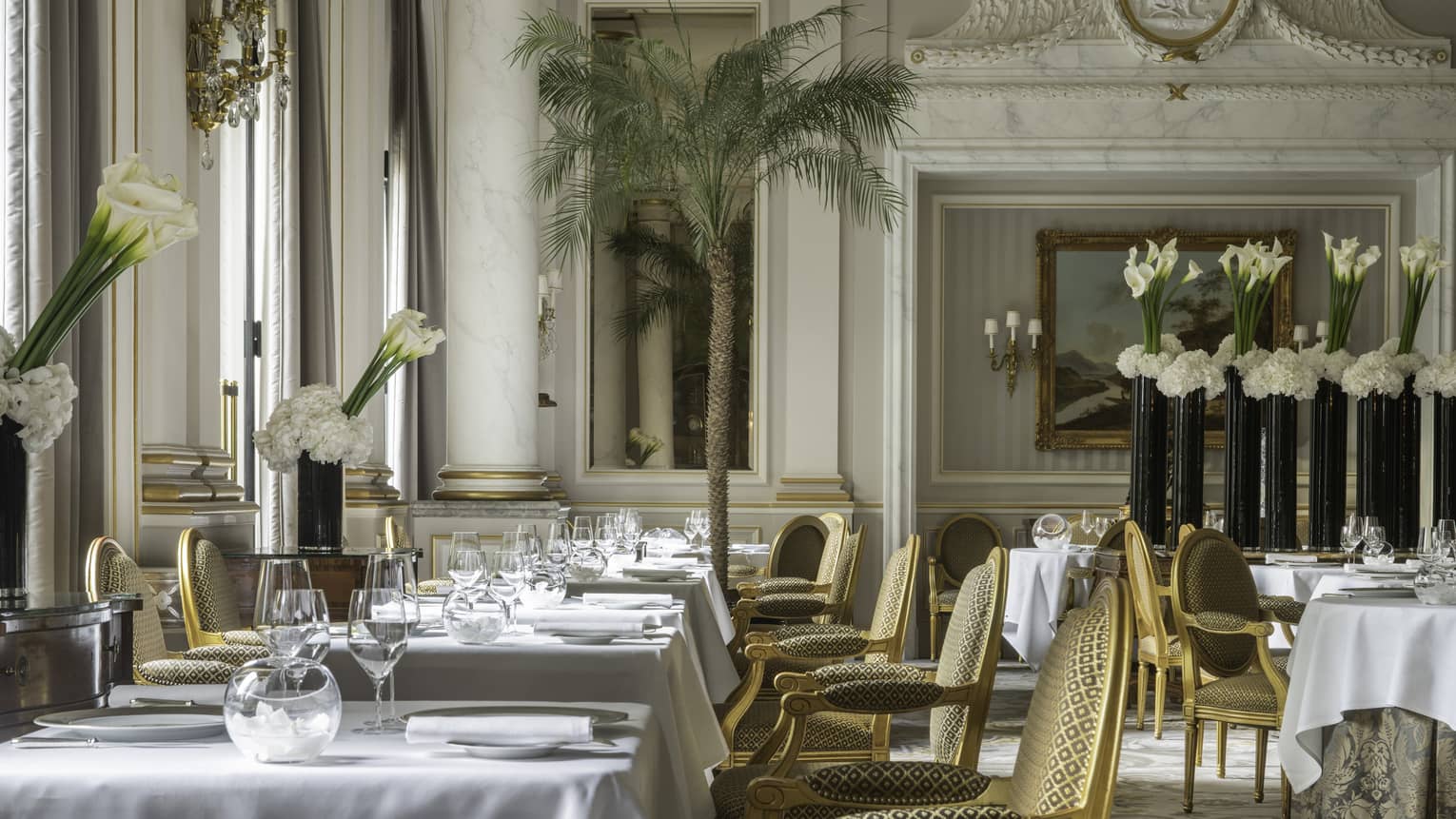
Restaurants in Paris
Browse all →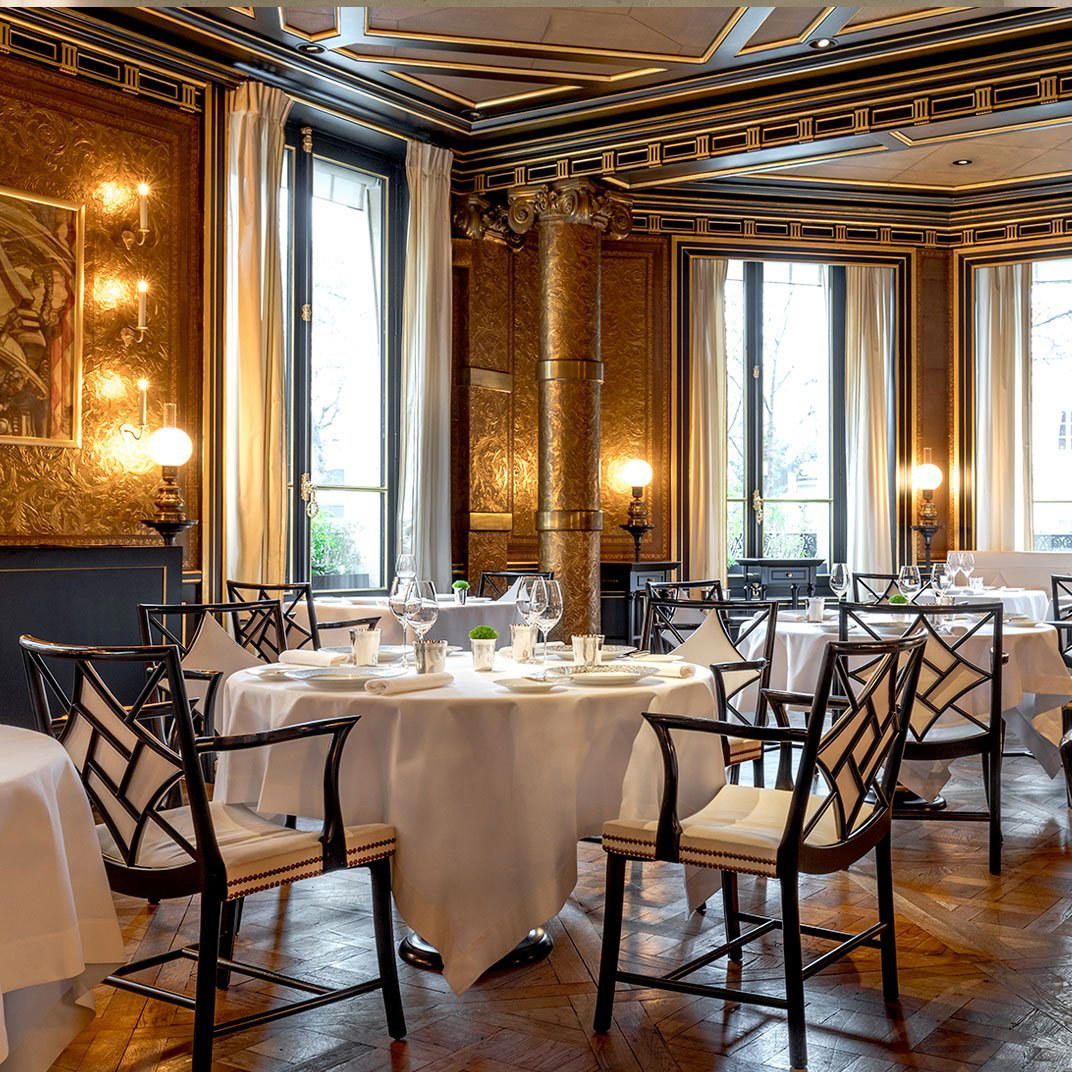
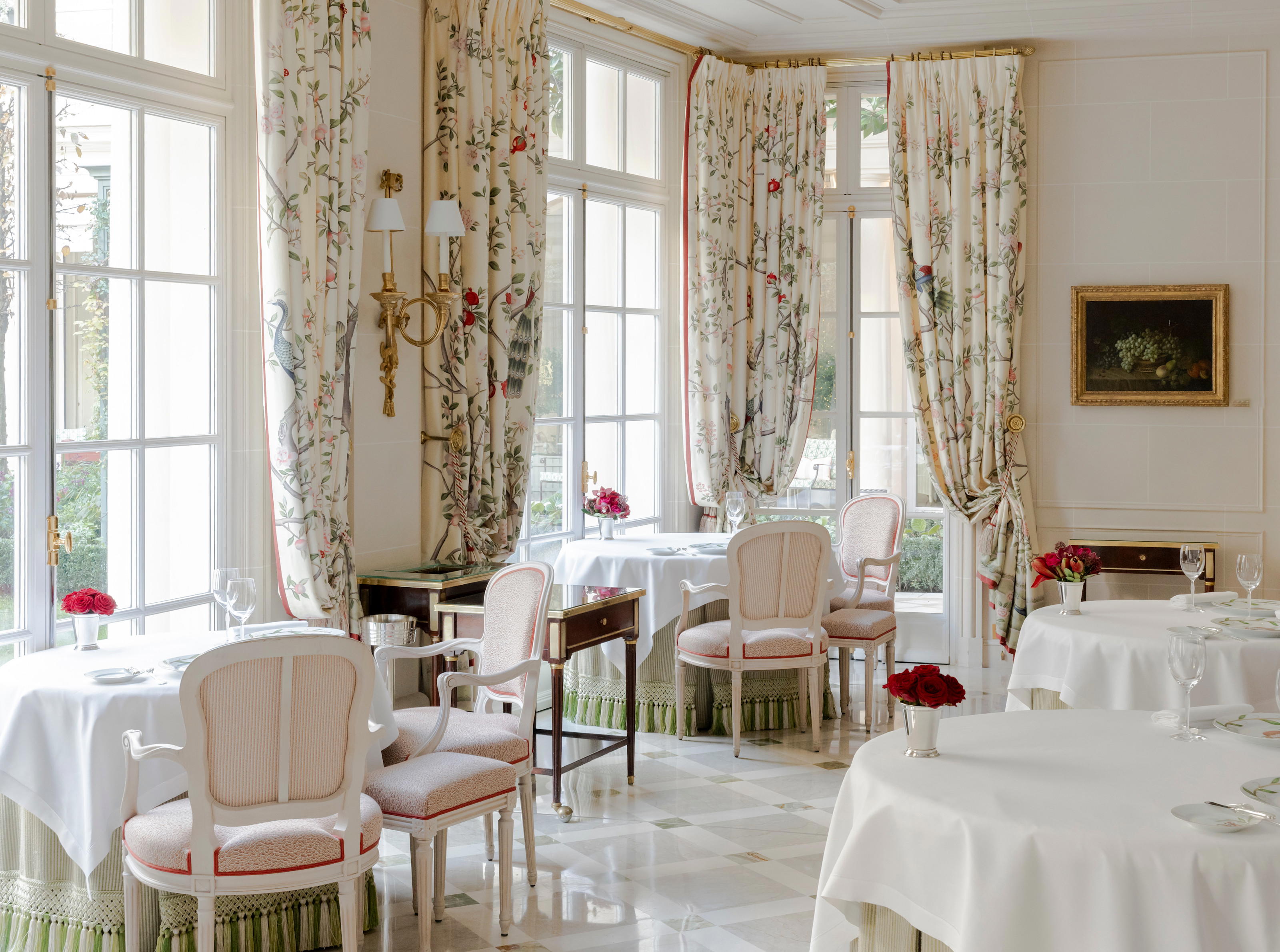

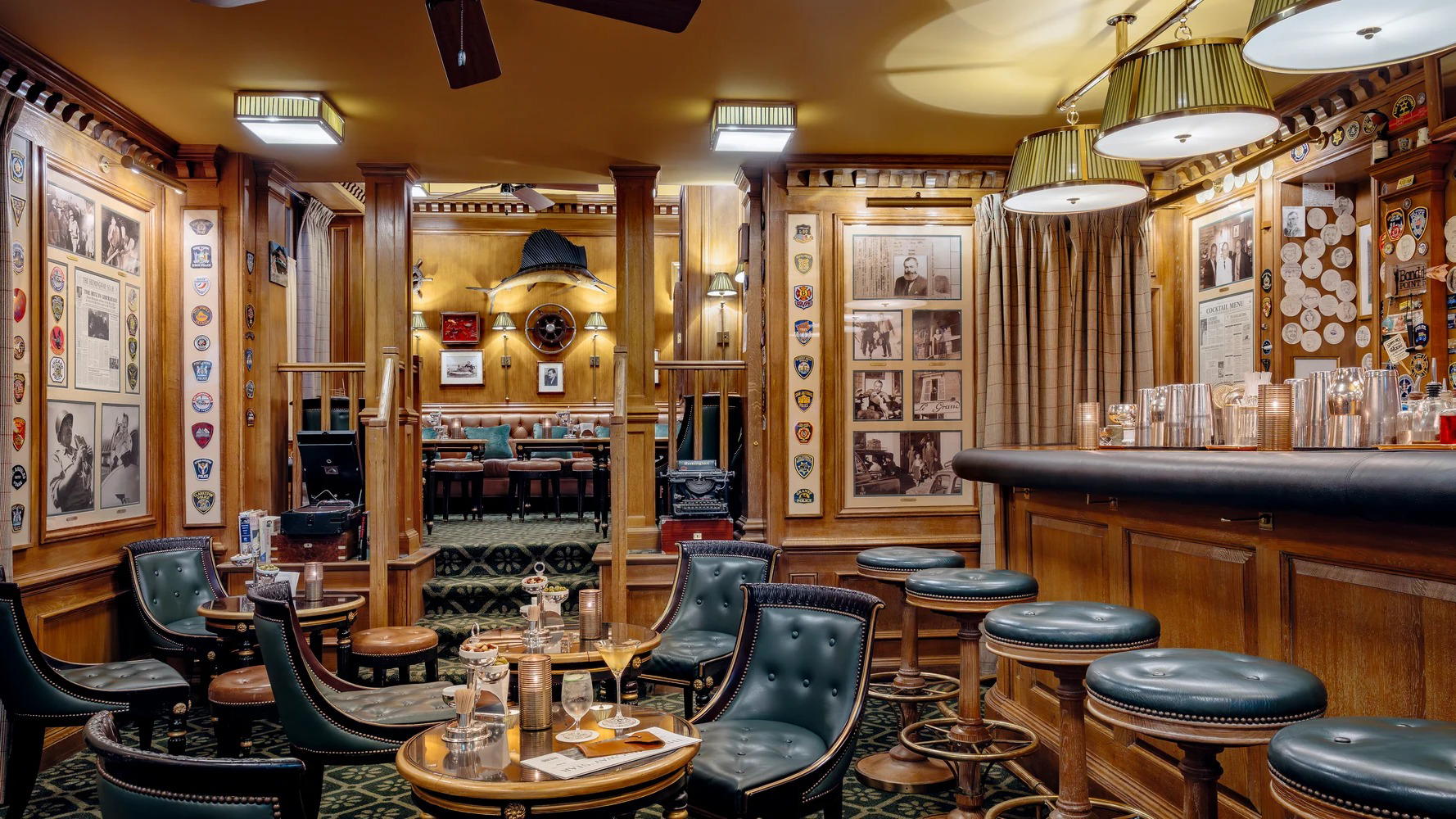
Hotels in Paris
Browse all →



At a Glance
- Elegant
- Sophisticated
- Intimate
- Romantic
- Trendy
- Date Night
- After Work
- Group Outing
- Solo
- Celebration
- Hotel Bar
- Terrace
- Design Destination
- Standalone
- Seated Bar
- Lounge Seating
- Outdoor Terrace
- Classic Cocktails
- Craft Cocktails
- Conventional Wine
- Low Abv
- Zero Proof
- Street Scene
Current opening hours
- Monday
- 10 AM–12 AM
- Tuesday
- 10 AM–1 AM
- Wednesday
- 10 AM–1 AM
- Thursday
- 10 AM–1 AM
- Friday
- 10 AM–1 AM
- Saturday
- 10 AM–1 AM
- Sunday
- 10 AM–12 AM
Hours can change for holidays and private events. Last verified .
Chic, relaxed, and intimate, with a refined hotel-bar atmosphere and a lively summer terrace presence.
Know Before You Go
- Getting there
- la reserve, 42 Av. Gabriel, 75008 Paris, France