Alchemist Club
Below Ground in Central Bohemia There is a particular logic to placing a serious cocktail programme in a basement. The controlled environment, the insulation from street noise, the ceiling that stays close overhead, these are not inconveniences but conditions. The underground bars that have earned sustained recognition globally, from Dear Irving in New York City to Kumiko in Chicago, understand that the room is not incidental to the drink. Alchemist Club, in the basement of a manor house at Mcely 61, operates on the same principle, though its setting is far more unusual than any urban speakeasy. Mcely is not a bar district. It is a village in the Central Bohemian Region, around 60 kilometres east of Prague, and the fact that a cocktail operation has taken root here says something about how the Czech drinks scene is beginning to distribute beyond the capital. The Scene That Produces This Kind of Venue The Czech Republic's cocktail culture has matured considerably over the past decade, largely concentrated in Prague but increasingly finding expression in smaller cities and rural settings. Prague's programme-led bars, among them onesip coffee, which operates at the intersection of coffee and cocktail thinking, represent the urban benchmark. What happens when that ambition moves to a manor house basement in a Bohemian village is a different question entirely. The comparison is instructive: city bars compete on neighbourhood visibility, footfall, and programmatic novelty; a destination bar in a village like Mcely competes on the reason to make the trip. That competition for intentional visits places Alchemist Club in a category occupied by bars attached to countryside properties across Europe, where the cocktail programme functions as an anchor for a longer stay rather than a spontaneous drop-in. The analogy holds internationally, too. Bar Leather Apron in Honolulu built its reputation on the idea that serious drinks can exist outside the obvious metropolitan circuit, and Jewel of the South in New Orleans demonstrates how historical atmosphere and cocktail craft can reinforce each other in ways that a purpose-built bar cannot replicate. A manor basement in Bohemia has the same structural advantage: the space arrives with its own authority. Technique and Setting as a Single Argument The alchemical framing in the name is not arbitrary. It positions the programme within a tradition of bartending that treats the glass as a laboratory, a lineage that runs through the clarified-drink movements in London and New York and finds contemporary expression at venues like Experimental Bistro in Taipei, where technique and concept are inseparable from the menu's identity. Whether Alchemist Club deploys fat-washing, centrifugal clarification, or more classical infusion methods is a detail the programme itself would need to confirm, those specifics matter, and they should not be assumed. What can be said is that the name sets an expectation: this is a programme interested in transformation, in doing something to an ingredient that was not done to it before. Bars that make this claim successfully tend to anchor it in a coherent editorial point of view across the full menu, not just in one or two headline serves. The Parlour in Frankfurt and Superbueno in New York City both demonstrate how a consistent conceptual frame lifts a cocktail list from a collection of drinks into something with an argument. In a rural Bohemian setting, that argument benefits from specificity: local botanicals, regional spirits, or fermentation traditions from the surrounding countryside give the alchemy a geographical anchor that generic international technique cannot provide. Central Bohemia has grain and orchard traditions worth drawing on, and a programme in this location has access to raw material that most urban bars do not. Where Alchemist Club Sits in the Broader Czech Drinks Geography The Czech Republic's drinks scene beyond lager is still calibrating its international profile. Wine bars like Vrbice 345 in Vrbice, itself a rural destination-format operation in the Moravian wine country, suggest that the country is developing a tier of non-urban, destination-driven drinks experiences. Alchemist Club occupies a parallel tier in the cocktail category. Internationally, the closest structural analogies are bars attached to countryside estates or historic properties, where the building provides context that no interior design budget could manufacture. Café La Trova in Miami draws on architectural heritage and cultural memory to give its programme weight; Julep in Houston positions its cocktail identity against a specific regional tradition. The thread connecting these to Alchemist Club is the conviction that place and programme are not separable, that the room makes an argument the drinks then have to honour. Getting There and Planning Your Visit Mcely is not a place you pass through. Reaching the village from Prague takes roughly an hour by car, following routes east toward Nymburk and then into the Bohemian plain. There is no metropolitan public transport connection that makes an evening visit easy, which means Alchemist Club functions almost exclusively as a destination: guests are there because they decided to be there. The manor setting suggests the most logical approach is to plan a stay in the area rather than a single-evening excursion, which positions the bar as one component of a broader engagement with the property and its surroundings. For anyone assembling a Central Bohemia itinerary, the full Mcely restaurants guide provides the wider context for what the village and its manor offer beyond the basement bar. Booking ahead is advisable for any destination-format bar in a low-capacity rural setting; walk-in availability in venues of this character tends to be limited, and the inconvenience of a wasted journey at this distance from the capital makes a confirmed reservation worth the extra step. Specific hours, pricing, and reservation methods are best confirmed directly with the venue before travel. Frequently Asked Questions How would you describe the overall feel of Alchemist Club?The feel is shaped primarily by the setting: a basement within a manor house in a small Bohemian village places it firmly outside the urban cocktail circuit. Without the ambient noise and visual density of a city bar, the room's atmosphere tends toward deliberate and contained. Whether you are arriving from Prague or staying on the property, the context is that of a destination rather than a neighbourhood drop-in, and the experience is scaled accordingly.What do regulars order at Alchemist Club?What the programme's conceptual framing suggests is that the menu rewards guests who engage with the house direction rather than defaulting to standard requests. Bars operating under an alchemical or transformative concept tend to have signature serves built around the techniques that define their identity, those are the drinks worth asking about when you arrive.Is Alchemist Club suitable for an overnight or multi-day visit, and how does it relate to the wider manor property?Given its location in Mcely, approximately 60 kilometres from Prague, Alchemist Club is most practically visited as part of an overnight stay rather than a standalone evening trip. The bar occupies the basement of the manor at Mcely 61, which positions it within a broader property experience.

Pearl is the En Primeur Club membership app, where members save venues, book tables and use the concierge.
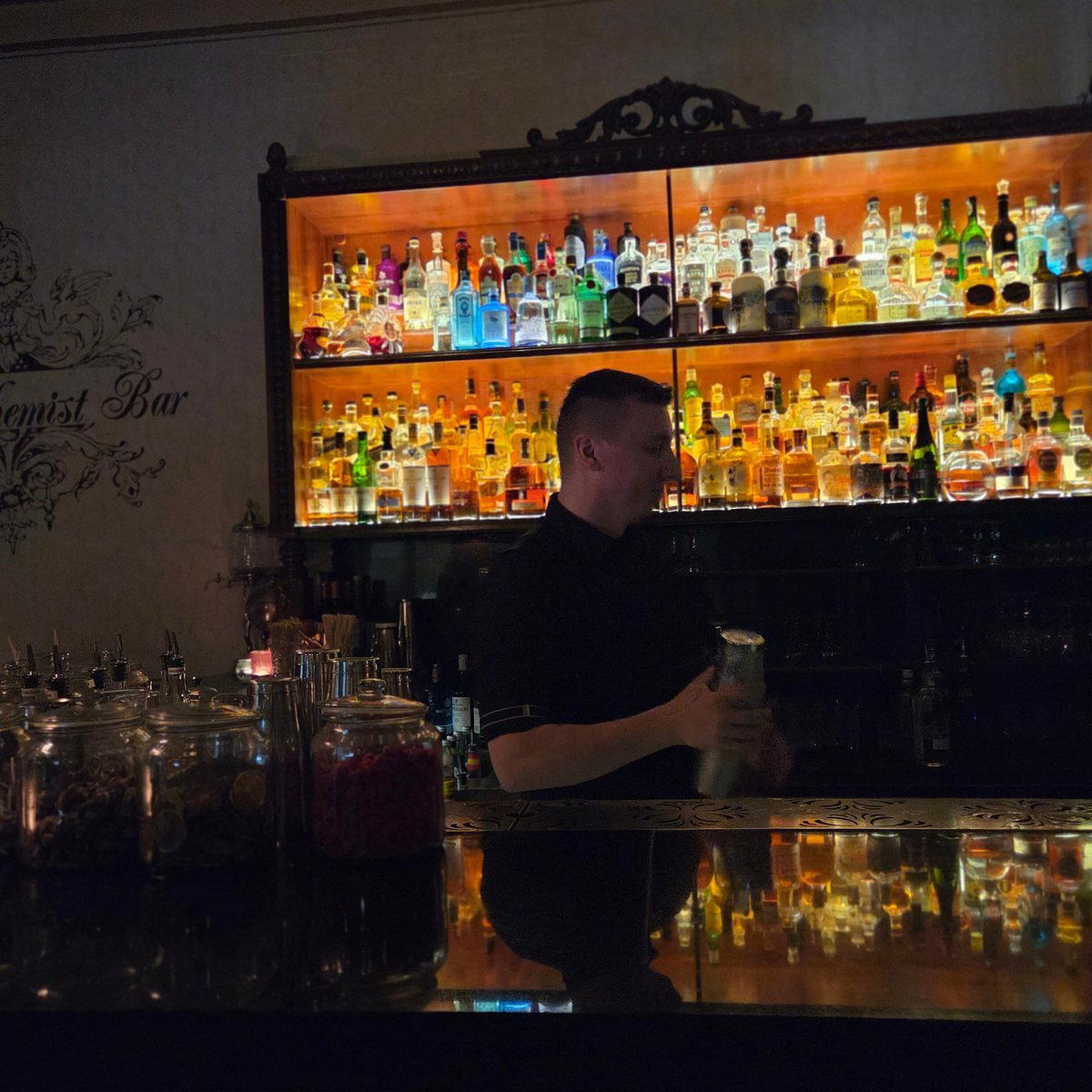
Below Ground in Central Bohemia
There is a particular logic to placing a serious cocktail programme in a basement. The controlled environment, the insulation from street noise, the ceiling that stays close overhead, these are not inconveniences but conditions. The underground bars that have earned sustained recognition globally, from Dear Irving in New York City to Kumiko in Chicago, understand that the room is not incidental to the drink. Alchemist Club, in the basement of a manor house at Mcely 61, operates on the same principle, though its setting is far more unusual than any urban speakeasy. Mcely is not a bar district. It is a village in the Central Bohemian Region, around 60 kilometres east of Prague, and the fact that a cocktail operation has taken root here says something about how the Czech drinks scene is beginning to distribute beyond the capital.
The Scene That Produces This Kind of Venue
The Czech Republic's cocktail culture has matured considerably over the past decade, largely concentrated in Prague but increasingly finding expression in smaller cities and rural settings. Prague's programme-led bars, among them onesip coffee, which operates at the intersection of coffee and cocktail thinking, represent the urban benchmark. What happens when that ambition moves to a manor house basement in a Bohemian village is a different question entirely. The comparison is instructive: city bars compete on neighbourhood visibility, footfall, and programmatic novelty; a destination bar in a village like Mcely competes on the reason to make the trip.
That competition for intentional visits places Alchemist Club in a category occupied by bars attached to countryside properties across Europe, where the cocktail programme functions as an anchor for a longer stay rather than a spontaneous drop-in. The analogy holds internationally, too. Bar Leather Apron in Honolulu built its reputation on the idea that serious drinks can exist outside the obvious metropolitan circuit, and Jewel of the South in New Orleans demonstrates how historical atmosphere and cocktail craft can reinforce each other in ways that a purpose-built bar cannot replicate. A manor basement in Bohemia has the same structural advantage: the space arrives with its own authority.
Technique and Setting as a Single Argument
The alchemical framing in the name is not arbitrary. It positions the programme within a tradition of bartending that treats the glass as a laboratory, a lineage that runs through the clarified-drink movements in London and New York and finds contemporary expression at venues like Experimental Bistro in Taipei, where technique and concept are inseparable from the menu's identity. Whether Alchemist Club deploys fat-washing, centrifugal clarification, or more classical infusion methods is a detail the programme itself would need to confirm, those specifics matter, and they should not be assumed. What can be said is that the name sets an expectation: this is a programme interested in transformation, in doing something to an ingredient that was not done to it before.
Bars that make this claim successfully tend to anchor it in a coherent editorial point of view across the full menu, not just in one or two headline serves. The Parlour in Frankfurt and Superbueno in New York City both demonstrate how a consistent conceptual frame lifts a cocktail list from a collection of drinks into something with an argument. In a rural Bohemian setting, that argument benefits from specificity: local botanicals, regional spirits, or fermentation traditions from the surrounding countryside give the alchemy a geographical anchor that generic international technique cannot provide. Central Bohemia has grain and orchard traditions worth drawing on, and a programme in this location has access to raw material that most urban bars do not.
Where Alchemist Club Sits in the Broader Czech Drinks Geography
The Czech Republic's drinks scene beyond lager is still calibrating its international profile. Wine bars like Vrbice 345 in Vrbice, itself a rural destination-format operation in the Moravian wine country, suggest that the country is developing a tier of non-urban, destination-driven drinks experiences. Alchemist Club occupies a parallel tier in the cocktail category.
Internationally, the closest structural analogies are bars attached to countryside estates or historic properties, where the building provides context that no interior design budget could manufacture. Café La Trova in Miami draws on architectural heritage and cultural memory to give its programme weight; Julep in Houston positions its cocktail identity against a specific regional tradition. The thread connecting these to Alchemist Club is the conviction that place and programme are not separable, that the room makes an argument the drinks then have to honour.
Getting There and Planning Your Visit
Mcely is not a place you pass through. Reaching the village from Prague takes roughly an hour by car, following routes east toward Nymburk and then into the Bohemian plain. There is no metropolitan public transport connection that makes an evening visit easy, which means Alchemist Club functions almost exclusively as a destination: guests are there because they decided to be there. The manor setting suggests the most logical approach is to plan a stay in the area rather than a single-evening excursion, which positions the bar as one component of a broader engagement with the property and its surroundings. For anyone assembling a Central Bohemia itinerary, the full Mcely restaurants guide provides the wider context for what the village and its manor offer beyond the basement bar.
Booking ahead is advisable for any destination-format bar in a low-capacity rural setting; walk-in availability in venues of this character tends to be limited, and the inconvenience of a wasted journey at this distance from the capital makes a confirmed reservation worth the extra step. Specific hours, pricing, and reservation methods are best confirmed directly with the venue before travel.
Continue exploring
More in Mcely
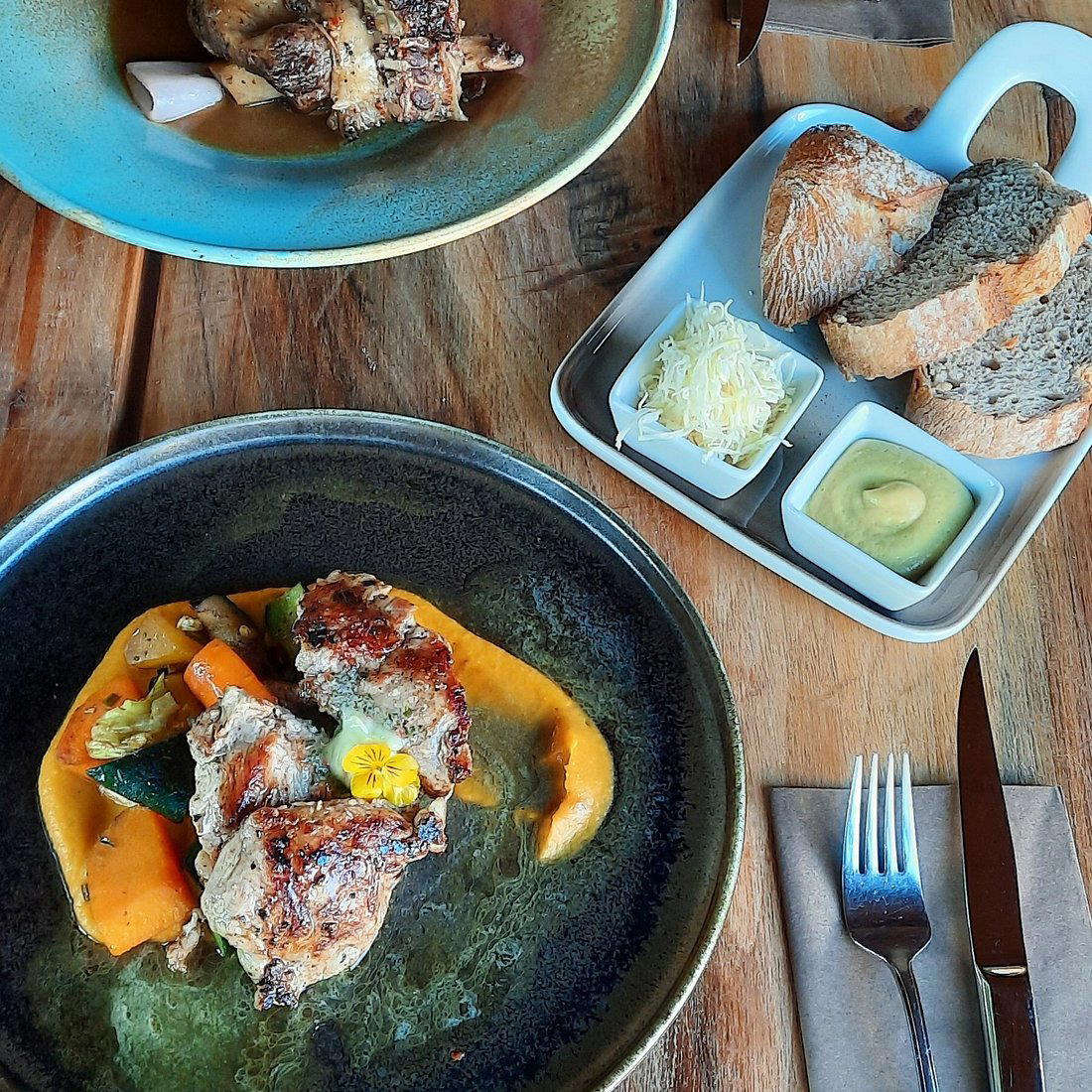
Restaurants in Mcely
All restaurants in Mcely →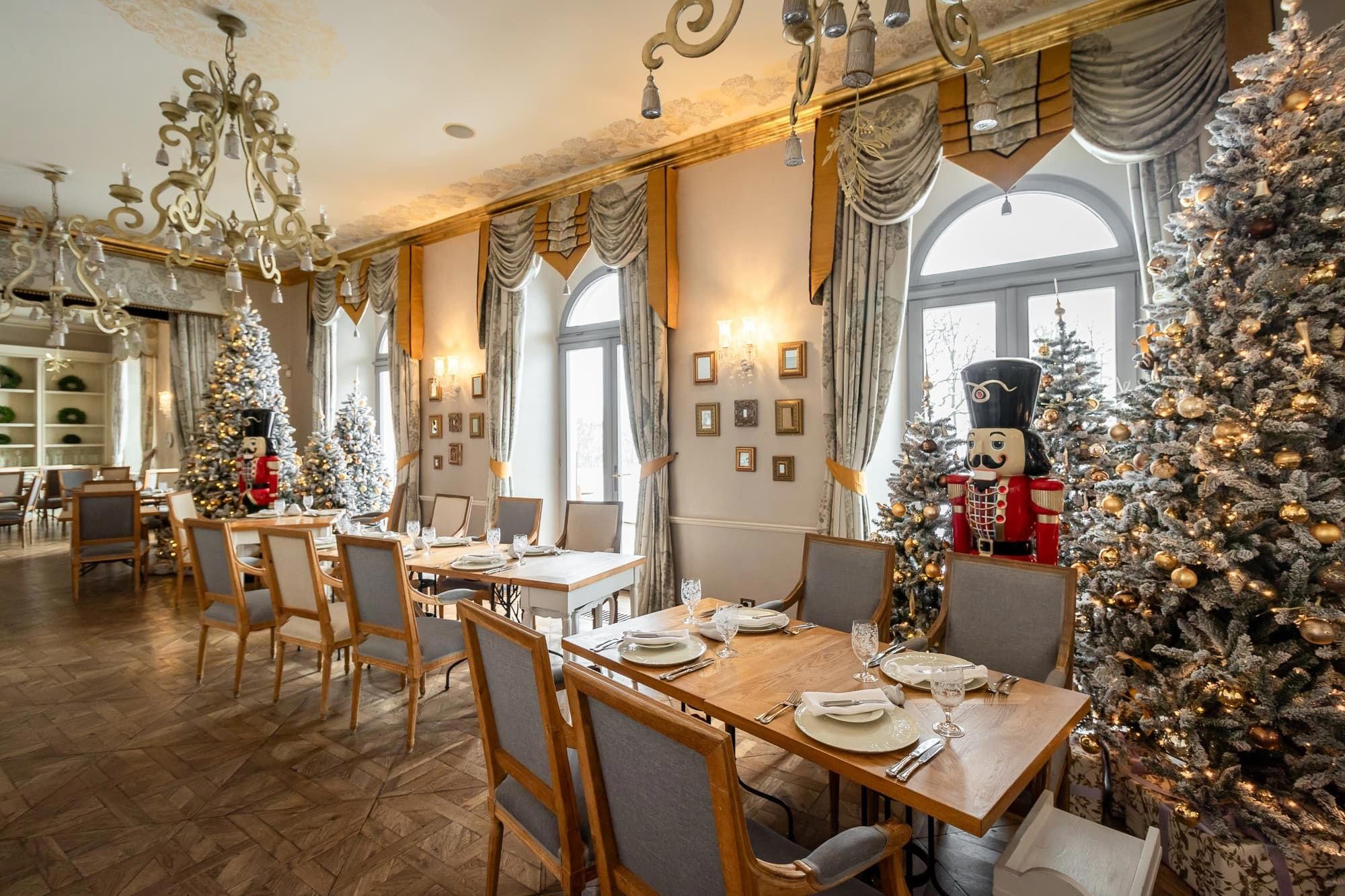

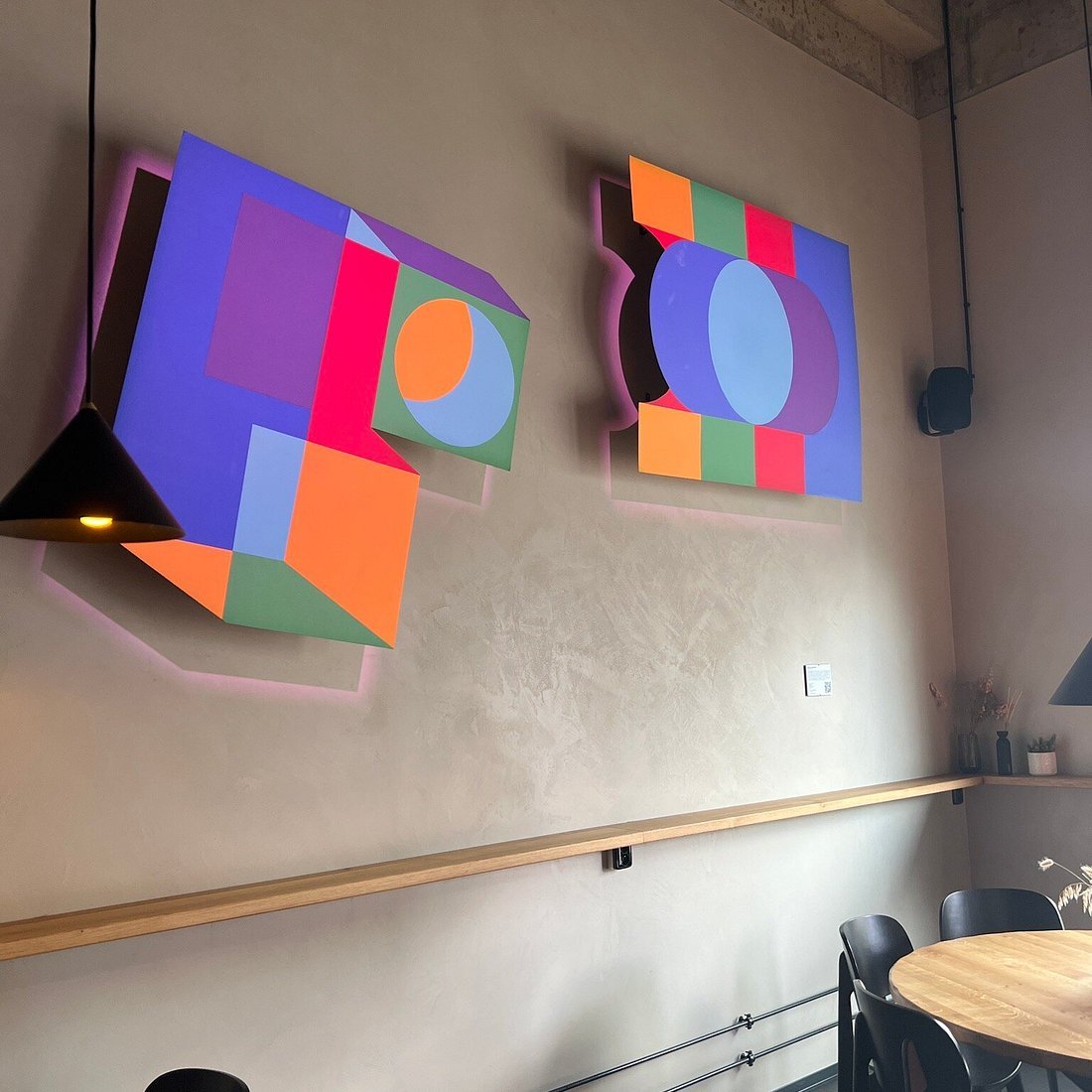
Hotels in Mcely
All hotels in Mcely →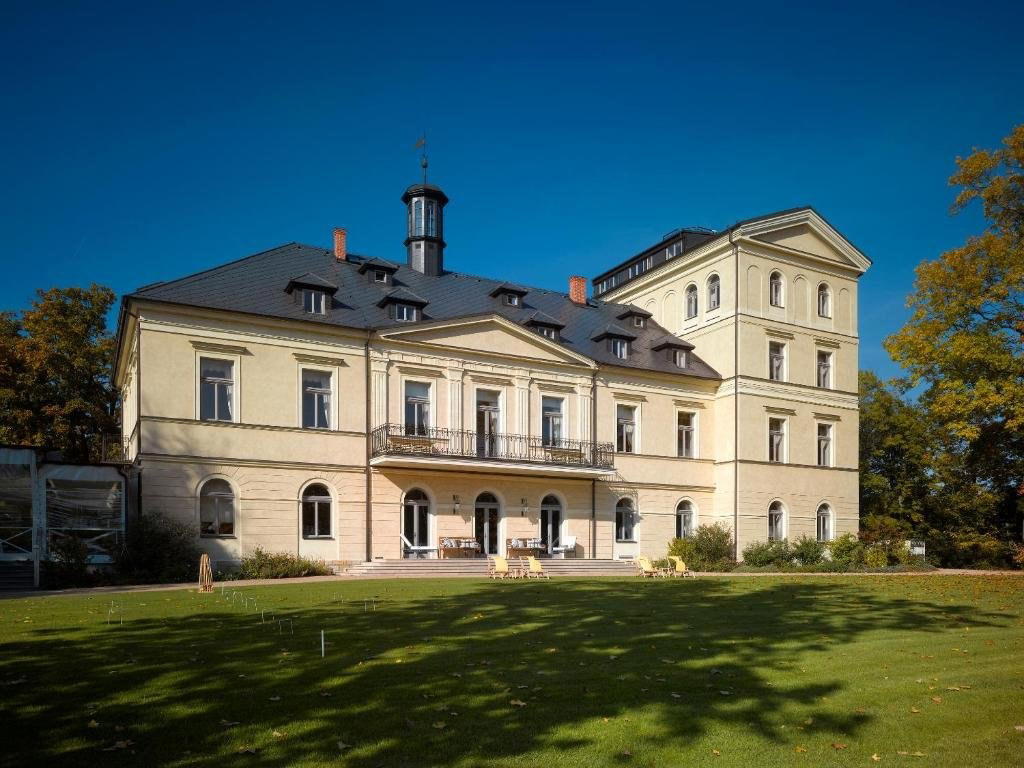
Details
- Cozy
- Classic
- Intimate
- Sophisticated
- Date Night
- After Work
- Special Occasion
- Historic Building
- Standalone
- Seated Bar
- Conventional Wine
- Whiskey
- Garden
Cozy, atmospheric cellar setting with a wine-and-cognac-after-dinner feel, accented by a vintage jukebox and a refined, historic chateau backdrop.