Agave Study at Peacock Alley
Where Agave Meets Serious Curation in Cabo San Lucas The bar programs that have earned lasting attention in Mexico's resort corridors tend to share one quality: they treat agave spirits as a collection rather than a commodity. Cabo San Lucas, historically a town built on frozen margaritas and beach-bucket service, has been developing a narrower tier of rooms where that logic applies. Agave Study at Peacock Alley, set along Cam. del Mar in the Pedregal area, sits inside that emerging cohort. The address alone signals intent: Pedregal is where Cabo's more considered hospitality formats have taken hold, away from the marina-strip density that defines the resort's louder identity. Approaching the room, the architecture of Pedregal does most of the contextual work. The area climbs above the waterline on volcanic rock, giving properties here a physical remove from the more compressed zones closer to the marina. That remove shapes the kind of guest who arrives: less transient, more deliberate. A bar bearing the word "Study" in its name is communicating something about its intended register before a drink is poured. The Back Bar as Editorial Statement In the serious agave bars of Mexico, the back bar functions as an argument. At La Capilla in Tequila, that argument is about heritage and a specific regional identity. At Sabina Sabe in Oaxaca, it's about mezcal in its home territory, surrounded by the producers who define the category. Agave Study at Peacock Alley makes a different case: that a destination resort context does not preclude depth of collection. The agave category in Mexico now spans a documented range of expressions far wider than tequila and mezcal alone. Sotol, raicilla, bacanora, and a growing field of ancestral mezcals from producers outside the regulated DO zones all form part of the conversation in rooms that take the spirit seriously. A bar named explicitly around agave study implies engagement with that breadth, and the curation logic of such a program typically prioritizes producer provenance, production method (wild versus cultivated agave, pit-roasted versus oven-cooked), and regional variation across the country's distilling geography. That framing separates collection-led agave bars from the conventional resort back bar, where bottle selection often reflects distribution relationships more than editorial intent. The distinction matters to the specific type of guest who arrives at a Pedregal address looking for something beyond a standardized tequila-and-soda service. Cabo's Shifting Bar Context Cabo San Lucas sits at an inflection point in its hospitality identity. The resort has long operated as a high-volume leisure destination, with bar programming calibrated accordingly. But a parallel track of more considered rooms has been developing, and the Pedregal zone has been a consistent address for that shift. Bars like Bar Esquina and Campestre occupy different positions in the local scene, and 51 Bar adds another reference point for how the town's serious cocktail programming is distributing itself across formats. The national context adds pressure. Across Mexico, the elevation of agave programming has been rapid and well-documented. Bekeb in San Miguel de Allende and Arca in Tulum represent different nodes of the same movement: rooms where agave functions as a serious collection subject, not a category default. Cabo's version of that movement is younger and smaller, but Agave Study at Peacock Alley occupies a legible position within it. The comparison that matters most for understanding the room is not with other Cabo bars but with the broader Mexican agave bar tier that includes Agave Tasting Room as another reference format in the category. Programs built around structured tastings and educational frameworks are, in several Mexican cities, creating a different kind of bar visit: one closer to a wine cellar experience than a conventional service stop. What a Spirits Collection Format Requires Bars operating in the collection-curation model carry specific obligations that casual rooms do not. The staff need enough fluency to discuss production method differences between, say, an espadín-based mezcal from Oaxaca's central valleys and a tobalá from the Sierra Sur without reverting to generic spirit-selling language. The pour sequence matters: a guest exploring unfamiliar expressions needs guidance on progression, not just a bottle list. And the physical presentation of the back bar needs to communicate the collection's depth at a glance, because that visual argument is what converts a curious visitor into a committed one. These are the standards against which a room calling itself an agave study is implicitly measured. The name sets an expectation that the program should be able to meet across the full category, not just its most commercial expressions. That includes being able to speak coherently about spirits that carry no formal denomination, whose production is verifiable only through direct producer relationships, and whose character shifts meaningfully by harvest season and agave maturity. For comparison, Aruba Day Drink in Tijuana and Coco Bongo in Cancún occupy entirely different positions on the Mexican bar spectrum, where experience design and entertainment programming drive the offer. The distinction is not evaluative in a simple hierarchy but structural: different rooms are built around different intentions, and a visitor needs to know which type of room they are entering before they sit down. Agave Study's naming convention is, in that sense, a clear signal about what it is not. For international comparison, the spirits-bar model also has a Miami footprint: Café La Trova in Miami runs a parallel operation where a specific spirit category anchors the program and the room's identity coheres around that anchor. The logic is transferable across contexts, even when the spirit changes. Planning Your Visit Agave Study at Peacock Alley is located at Cam. del Mar 1, Pedregal, Cabo San Lucas, a zone that requires either a short drive or a water taxi from the marina, depending on where you are based. The Pedregal address positions it physically and conceptually apart from the marina strip's higher-volume bar operations. Visitors arriving from the marina or hotel zones on the Corridor should account for Pedregal's elevation and limited pedestrian access when planning the evening. The room is suited to deliberate visits rather than impromptu stops: the value of a collection-led agave program is most accessible when you arrive with time to work through a tasting sequence. For broader orientation across Cabo's bar and restaurant scene, the EP Club Cabo San Lucas guide maps the full range of the town's current programming across price tiers and formats. Frequently Asked Questions at Agave Study at Peacock Alley? A flight allows the program's curation logic to become legible across multiple expressions, and the staff's ability to narrate the progression is where the difference between a collection bar and a bottle-shelf bar becomes apparent. Ask what is currently in rotation outside the major denominations: that question will tell you quickly whether the program has depth beyond the commercial tier. What's the standout thing about Agave Study at Peacock Alley? Within Cabo San Lucas's bar scene, the distinguishing factor is the framing. The town's default agave offer operates at a beach-resort register; rooms that treat the spirit as a collection subject and build their identity explicitly around study and curation are a smaller subset. The Pedregal address reinforces that positioning: the zone has consistently attracted Cabo's more considered hospitality formats rather than its volume-driven ones. For a traveller oriented toward Mexico's serious agave tier, this is one of the few Cabo addresses built around the same logic. How does Agave Study at Peacock Alley fit into Mexico's broader agave bar scene? Mexico's serious agave bar movement has historically concentrated in producing regions, with Oaxaca and Jalisco holding the strongest programs because proximity to production allows for direct relationships with distillers. Resort-corridor bars entering the same category face a harder challenge: they must build credibility through curation and staff knowledge rather than geographic proximity. Agave Study's explicit naming convention places it in that aspirant tier, operating in a market where the name carries an implicit accountability to the category's depth. Travellers who have visited producer-adjacent rooms like La Capilla in Tequila or Sabina Sabe in Oaxaca will arrive with a calibrated reference point for what the format can deliver at its fullest expression.

Pearl is the En Primeur Club membership app — saves, bookings, and concierge access live there. Same editors, same standards.
- Address
- Cam. del Mar 1, Pedregal, 23455 Cabo San Lucas, B.C.S., Mexico
- Directions
- Get directions
Where Agave Meets Serious Curation in Cabo San Lucas
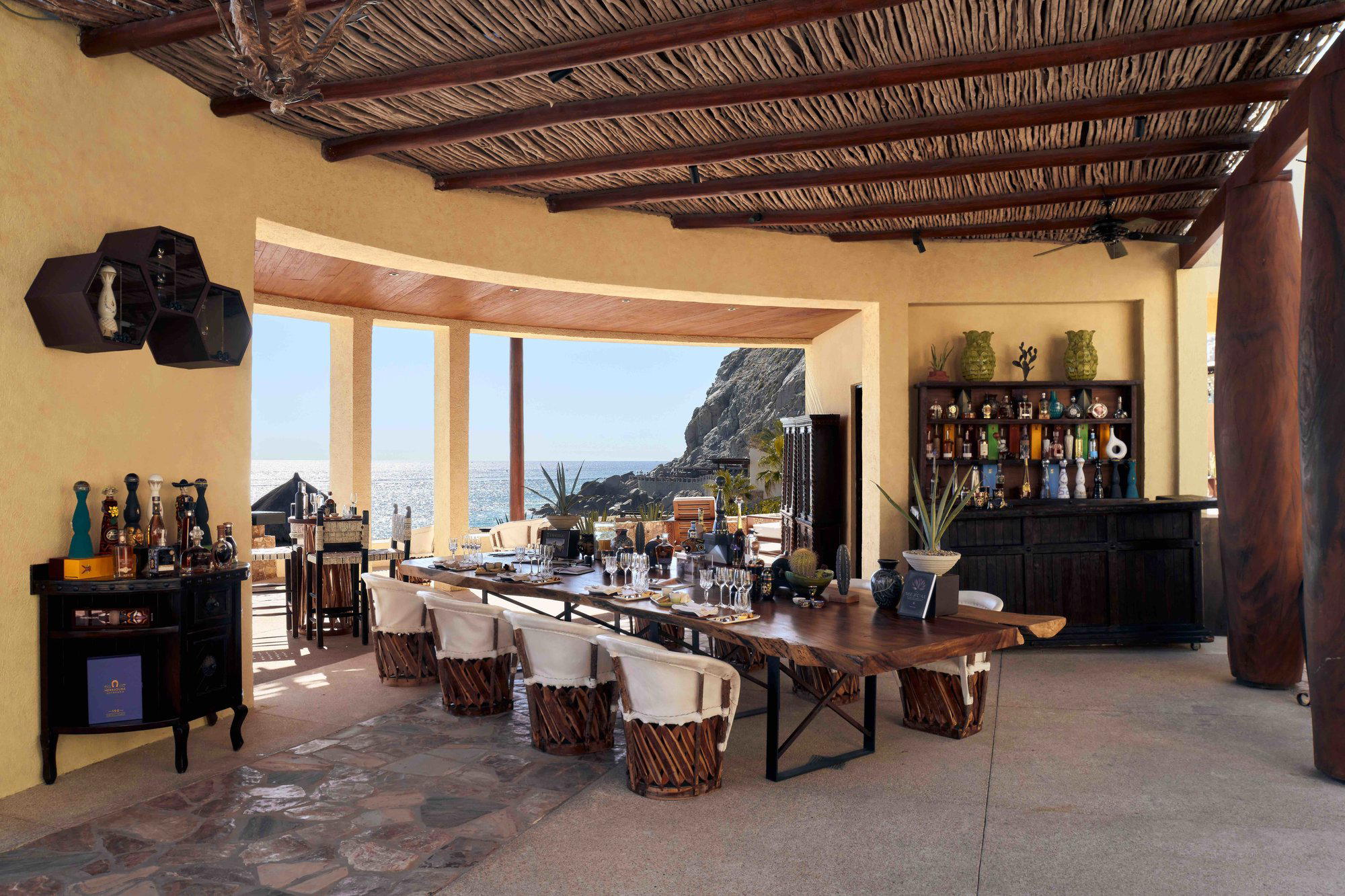
The bar programs that have earned lasting attention in Mexico's resort corridors tend to share one quality: they treat agave spirits as a collection rather than a commodity. Cabo San Lucas, historically a town built on frozen margaritas and beach-bucket service, has been developing a narrower tier of rooms where that logic applies. Agave Study at Peacock Alley, set along Cam. del Mar in the Pedregal area, sits inside that emerging cohort. The address alone signals intent: Pedregal is where Cabo's more considered hospitality formats have taken hold, away from the marina-strip density that defines the resort's louder identity.
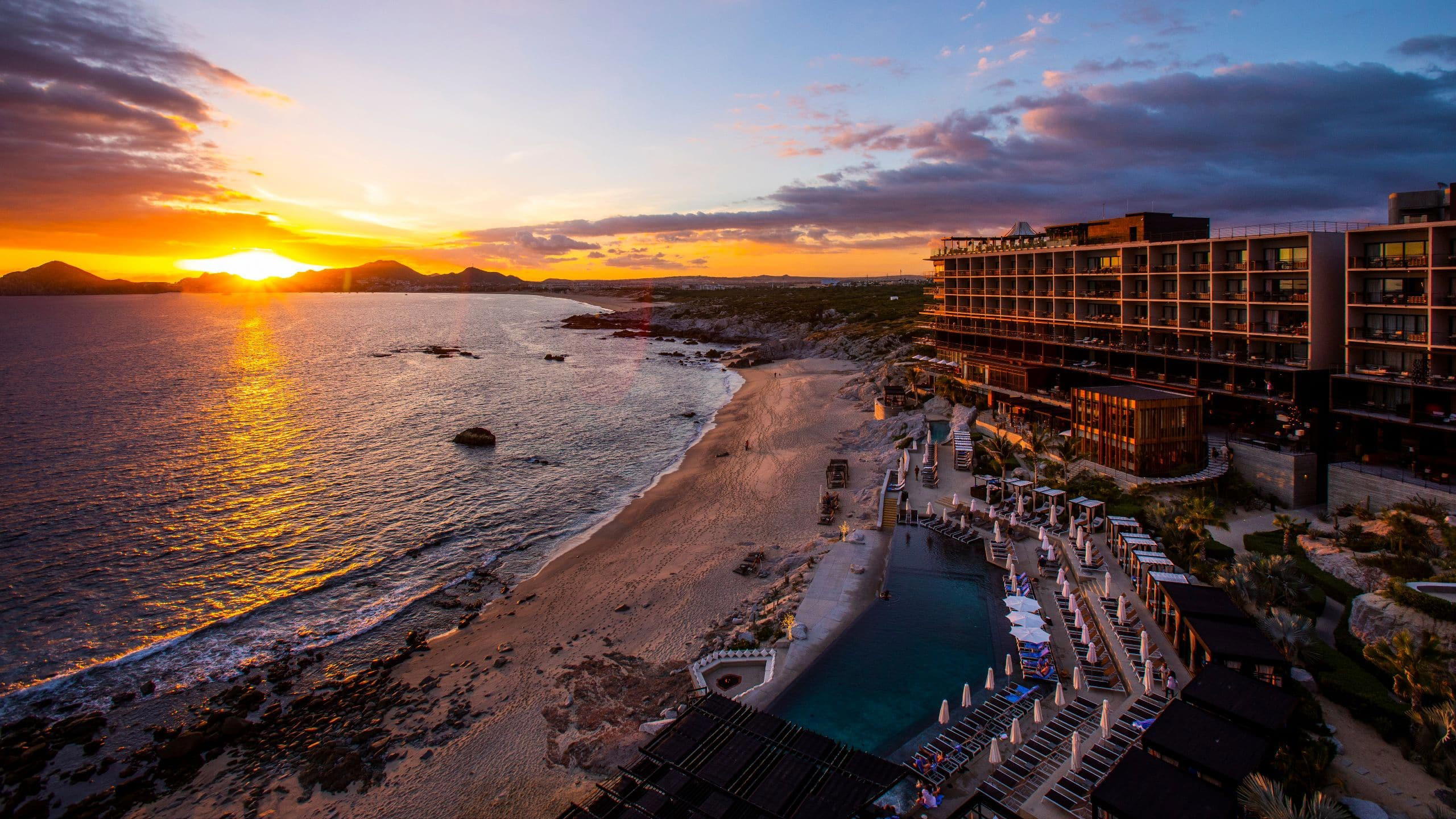
Approaching the room, the architecture of Pedregal does most of the contextual work. The area climbs above the waterline on volcanic rock, giving properties here a physical remove from the more compressed zones closer to the marina. That remove shapes the kind of guest who arrives: less transient, more deliberate. A bar bearing the word "Study" in its name is communicating something about its intended register before a drink is poured.
The Back Bar as Editorial Statement
In the serious agave bars of Mexico, the back bar functions as an argument. At La Capilla in Tequila, that argument is about heritage and a specific regional identity. At Sabina Sabe in Oaxaca, it's about mezcal in its home territory, surrounded by the producers who define the category. Agave Study at Peacock Alley makes a different case: that a destination resort context does not preclude depth of collection.
The agave category in Mexico now spans a documented range of expressions far wider than tequila and mezcal alone. Sotol, raicilla, bacanora, and a growing field of ancestral mezcals from producers outside the regulated DO zones all form part of the conversation in rooms that take the spirit seriously. A bar named explicitly around agave study implies engagement with that breadth, and the curation logic of such a program typically prioritizes producer provenance, production method (wild versus cultivated agave, pit-roasted versus oven-cooked), and regional variation across the country's distilling geography.
That framing separates collection-led agave bars from the conventional resort back bar, where bottle selection often reflects distribution relationships more than editorial intent. The distinction matters to the specific type of guest who arrives at a Pedregal address looking for something beyond a standardized tequila-and-soda service.
Cabo's Shifting Bar Context
Cabo San Lucas sits at an inflection point in its hospitality identity. The resort has long operated as a high-volume leisure destination, with bar programming calibrated accordingly. But a parallel track of more considered rooms has been developing, and the Pedregal zone has been a consistent address for that shift. Bars like Bar Esquina and Campestre occupy different positions in the local scene, and 51 Bar adds another reference point for how the town's serious cocktail programming is distributing itself across formats.
The national context adds pressure. Across Mexico, the elevation of agave programming has been rapid and well-documented. Bekeb in San Miguel de Allende and Arca in Tulum represent different nodes of the same movement: rooms where agave functions as a serious collection subject, not a category default. Cabo's version of that movement is younger and smaller, but Agave Study at Peacock Alley occupies a legible position within it.
The comparison that matters most for understanding the room is not with other Cabo bars but with the broader Mexican agave bar tier that includes Agave Tasting Room as another reference format in the category. Programs built around structured tastings and educational frameworks are, in several Mexican cities, creating a different kind of bar visit: one closer to a wine cellar experience than a conventional service stop.
What a Spirits Collection Format Requires
Bars operating in the collection-curation model carry specific obligations that casual rooms do not. The staff need enough fluency to discuss production method differences between, say, an espadín-based mezcal from Oaxaca's central valleys and a tobalá from the Sierra Sur without reverting to generic spirit-selling language. The pour sequence matters: a guest exploring unfamiliar expressions needs guidance on progression, not just a bottle list. And the physical presentation of the back bar needs to communicate the collection's depth at a glance, because that visual argument is what converts a curious visitor into a committed one.
These are the standards against which a room calling itself an agave study is implicitly measured. The name sets an expectation that the program should be able to meet across the full category, not just its most commercial expressions. That includes being able to speak coherently about spirits that carry no formal denomination, whose production is verifiable only through direct producer relationships, and whose character shifts meaningfully by harvest season and agave maturity.
For comparison, Aruba Day Drink in Tijuana and Coco Bongo in Cancún occupy entirely different positions on the Mexican bar spectrum, where experience design and entertainment programming drive the offer. The distinction is not evaluative in a simple hierarchy but structural: different rooms are built around different intentions, and a visitor needs to know which type of room they are entering before they sit down. Agave Study's naming convention is, in that sense, a clear signal about what it is not.
For international comparison, the spirits-bar model also has a Miami footprint: Café La Trova in Miami runs a parallel operation where a specific spirit category anchors the program and the room's identity coheres around that anchor. The logic is transferable across contexts, even when the spirit changes.
Planning Your Visit
Agave Study at Peacock Alley is located at Cam. del Mar 1, Pedregal, Cabo San Lucas, a zone that requires either a short drive or a water taxi from the marina, depending on where you are based. The Pedregal address positions it physically and conceptually apart from the marina strip's higher-volume bar operations. Visitors arriving from the marina or hotel zones on the Corridor should account for Pedregal's elevation and limited pedestrian access when planning the evening. The room is suited to deliberate visits rather than impromptu stops: the value of a collection-led agave program is most accessible when you arrive with time to work through a tasting sequence. For broader orientation across Cabo's bar and restaurant scene, the EP Club Cabo San Lucas guide maps the full range of the town's current programming across price tiers and formats.
Continue exploring
More in Cabo San Lucas
Bars in Cabo San Lucas
Browse all →
Restaurants in Cabo San Lucas
Browse all →
Details
- Elegant
- Sophisticated
- Intimate
- Scenic
- Special Occasion
- Live Music
- Waterfront
- Hotel Bar
- Lounge Seating
- Tequila
- Mezcal
- Waterfront
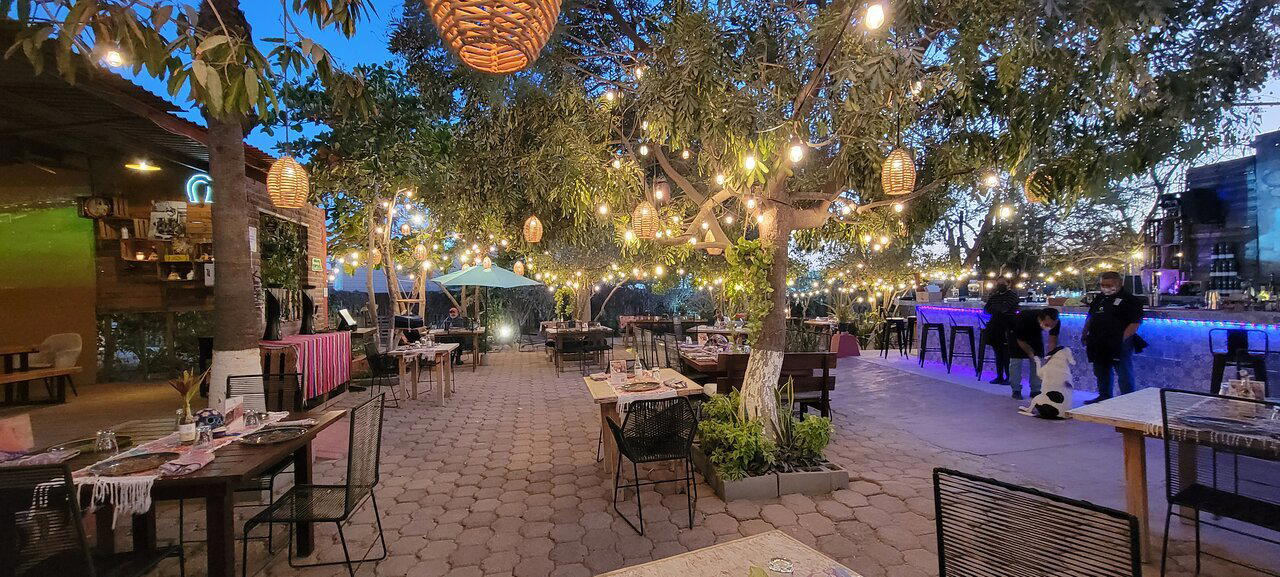
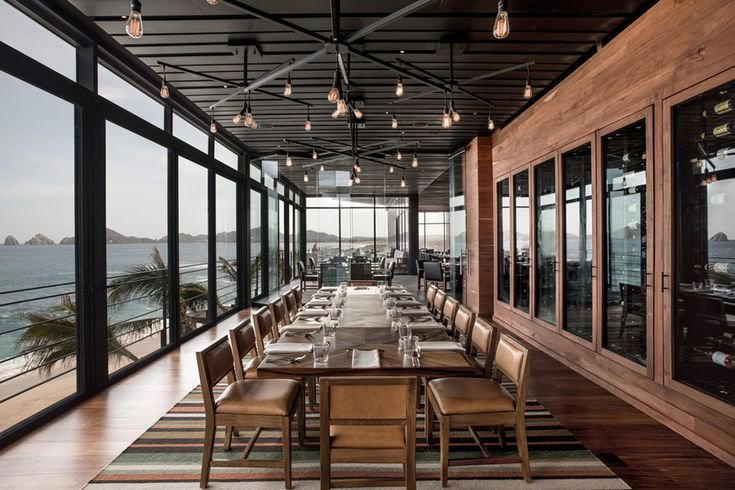
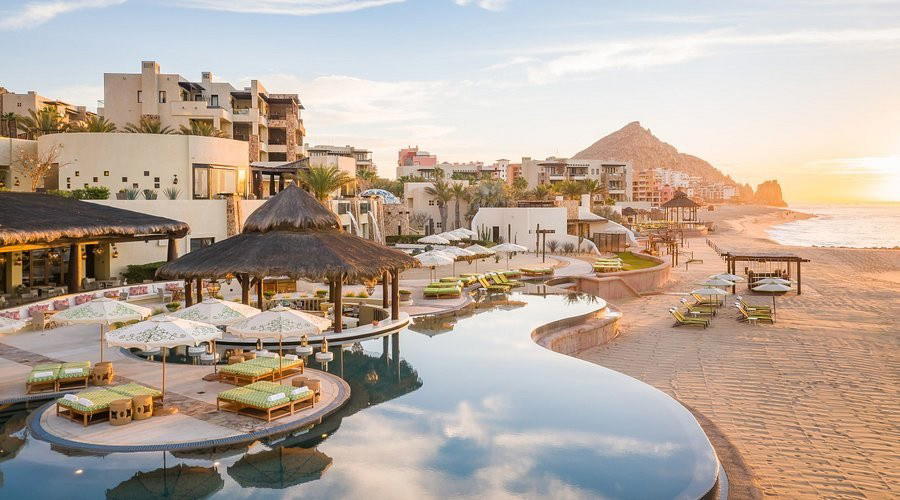
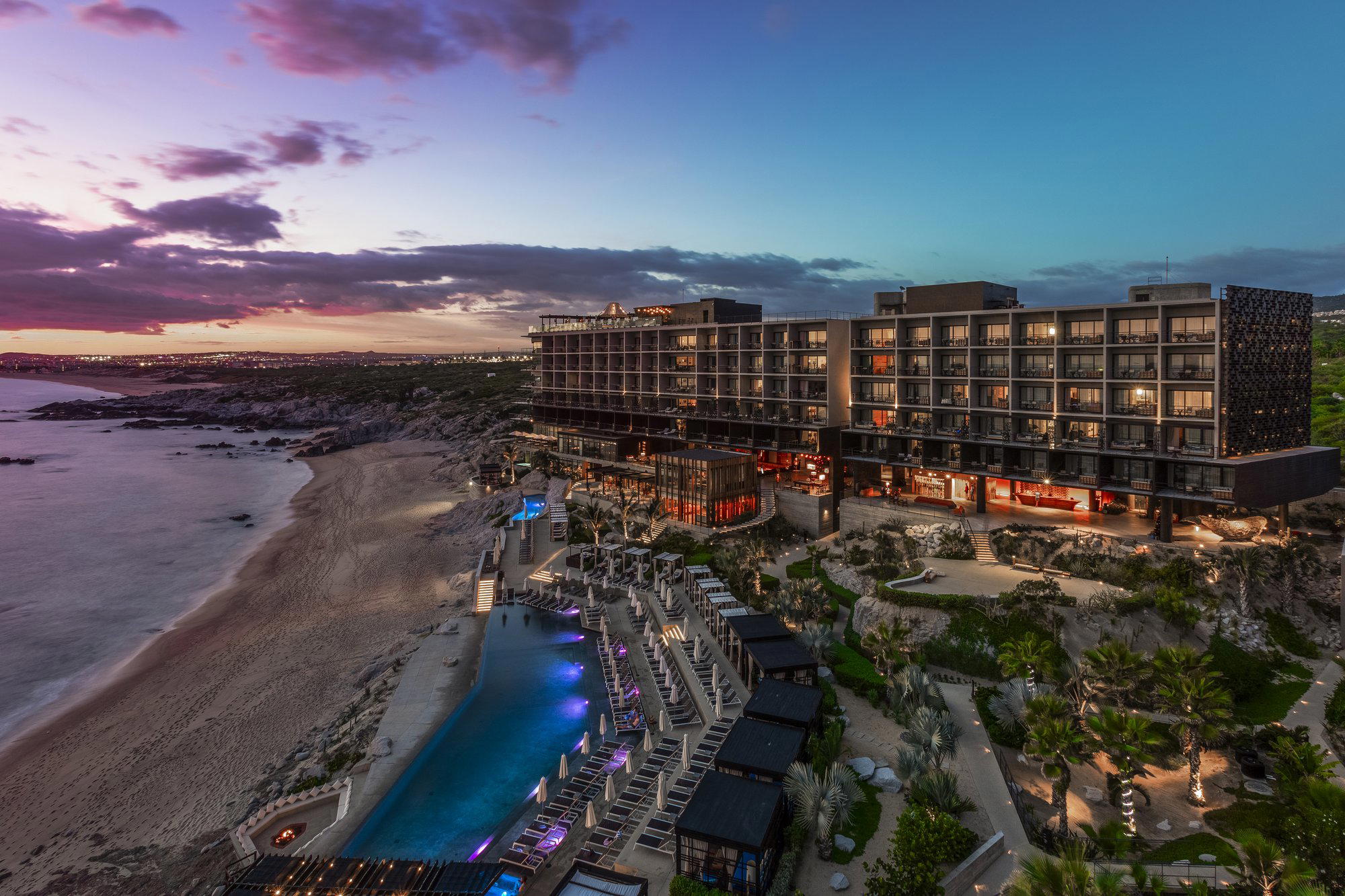
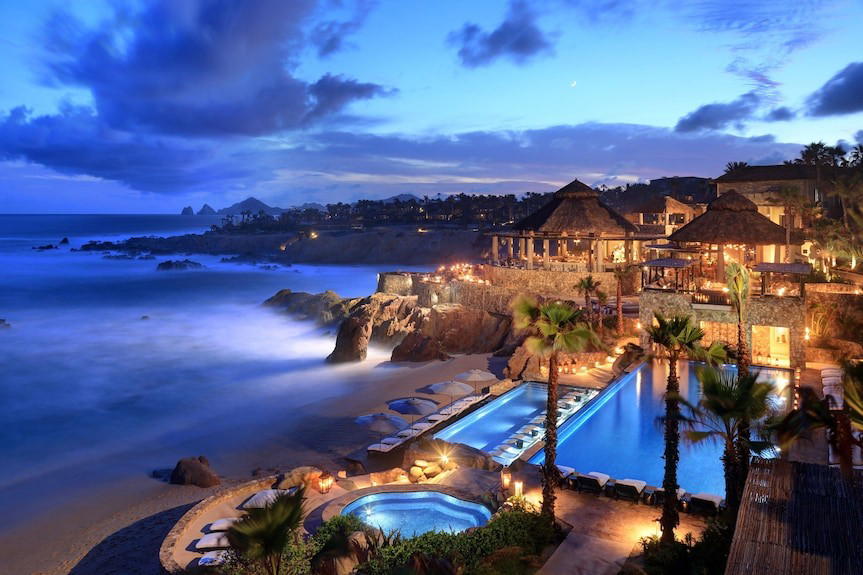
Polished open-air atmosphere with panoramic Pacific Ocean views, earthy and culturally rich with a focus on tradition and multi-sensorial experiences.