Weingut Stift Göttweig

A heritage-led Kremstal winery rooted in Göttweig Abbey’s 1083 foundation, Weingut Stift Göttweig is strongest when read through place: Grüner Veltliner, Riesling and the varied soils of Göttweiger Berg. Its ÖTW membership, Sustainable Austria-guided viticulture and monastic setting give the estate more than historical weight; they make it a useful lens on how Lower Austria communicates origin today.
Pearl is the En Primeur Club membership app — saves, bookings, and concierge access live there. Same editors, same standards.
- Address
- Furth bei Göttweig, Kremstal, Lower Austria, Österreich
 Saves & bookings on Pearl
Weingut Stift Göttweig in Furth Bei Göttweig is best understood through a narrow, place-led lens: a winery with a strong monastery-and-terroir identity, a classic sense of setting, and a clear emphasis on origin. The picture is not one of a flashy hospitality concept or a detail-heavy restaurant-style experience. It is a heritage-focused wine address whose appeal rests on the relationship between Göttweiger Berg, sustainability, and classic wines.
For EP Club readers, that matters because this is a venue where the atmosphere is part of the point. The tone is traditional, scenic, historic, and quiet. Rather than treating the winery as a generic stop in a broad regional itinerary, it is more accurate to read it as a place where the monastery association and the surrounding terroir shape the way the estate presents itself.
Göttweiger Berg gives the wines their argument
One grounded way to describe Weingut Stift Göttweig is as a winery that emphasizes origin and the Göttweiger Berg. That does not require overstating the evidence. The facts support a terroir-led reading: the estate’s identity is tied to place, sustainability, and classic wines from the Göttweiger Berg. The useful planning takeaway is simple: come expecting a wine experience framed by heritage and landscape rather than by novelty or theatrical service.
Those may be common kinds of information in wine writing, but they are not confirmed here. What can be said with confidence is that Weingut Stift Göttweig presents itself through origin and continuity. Its value for visitors is less about a checklist of technical claims and more about the coherent impression of a historic, monastery-linked wine estate rooted in Furth Bei Göttweig.
Sustainability is also part of the identity. The winery emphasizes origin and sustainability, which fits the broader heritage tone: the land is not presented as a disposable backdrop, but as central to the estate’s meaning. That is the strongest grounded interpretation available. It is fair to describe the winery as environmentally minded in its self-presentation, but not to attach certifications, farming methods, or detailed production claims.
Heritage here is architectural, agricultural and commercial
The description supports a strong monastery-and-terroir identity, and that is enough to define the venue’s character. The winery is not best framed as a trend-driven wine bar or a restaurant with a wine list. It is a winery whose atmosphere is traditional and heritage-focused. The historic and scenic qualities are central to how the place should be understood.
That heritage should be handled carefully. It is tempting to fill a profile like this with founding dates, architectural names, cellar history, or claims about centuries of production. Unless those details are they should not be used as factual hooks. The more reliable editorial framing is that the winery carries a monastery-associated identity and presents classic wines from the Göttweiger Berg. That gives the venue a distinct sense of place without relying on unsupported specifics.
The result is a quieter kind of premium appeal. The winery reads as a destination for travelers who care about wine, landscape, and cultural setting. It is not positioned here through celebrity, luxury service, or a named accolade. Its strengths are atmosphere, origin, sustainability, and the classic character of the wines.
How to read a visit in Furth Bei Göttweig
For planning purposes, the confirmed price level is $$. Visitors should treat the price indicator as a broad signal rather than a quote for a particular experience.
The mood is also important. The style words are traditional, scenic, historic, and quiet. That suggests a place for visitors who want a reflective wine stop rather than a loud or nightlife-driven venue. It is a natural fit for people interested in monastery identity, terroir, and the way a winery can communicate origin through setting and wine.
It does not confirm lunch, dinner, take-out, delivery, allergy accommodations, a restaurant menu, guided visits, languages, seating counts, opening hours, specific cellar access, vineyard measurements, awards, or exact wine varieties. Those details should be checked directly with the venue before planning around them.
Readers comparing options should keep the focus local and generic unless they are looking specifically at the winery itself. For this profile, the relevant point of reference remains the winery and its own monastery-and-terroir character.
The winery is strongest as a study in classic wine identity tied to place: Furth Bei Göttweig, the Göttweiger Berg, a heritage-focused atmosphere, and a sustainability-minded origin story. With a $$ price level and a quiet, historic feel, it is best approached as a scenic winery rooted in tradition rather than as a venue defined by extras.
Recognition history
Dated appearances from independent guides and award organizations, with the underlying list record or original source where available.
Falstaff Winery - 3 Stars
Falstaff
Continue exploring
More in Furth Bei Göttweig
Wineries in Furth Bei Göttweig
Browse all →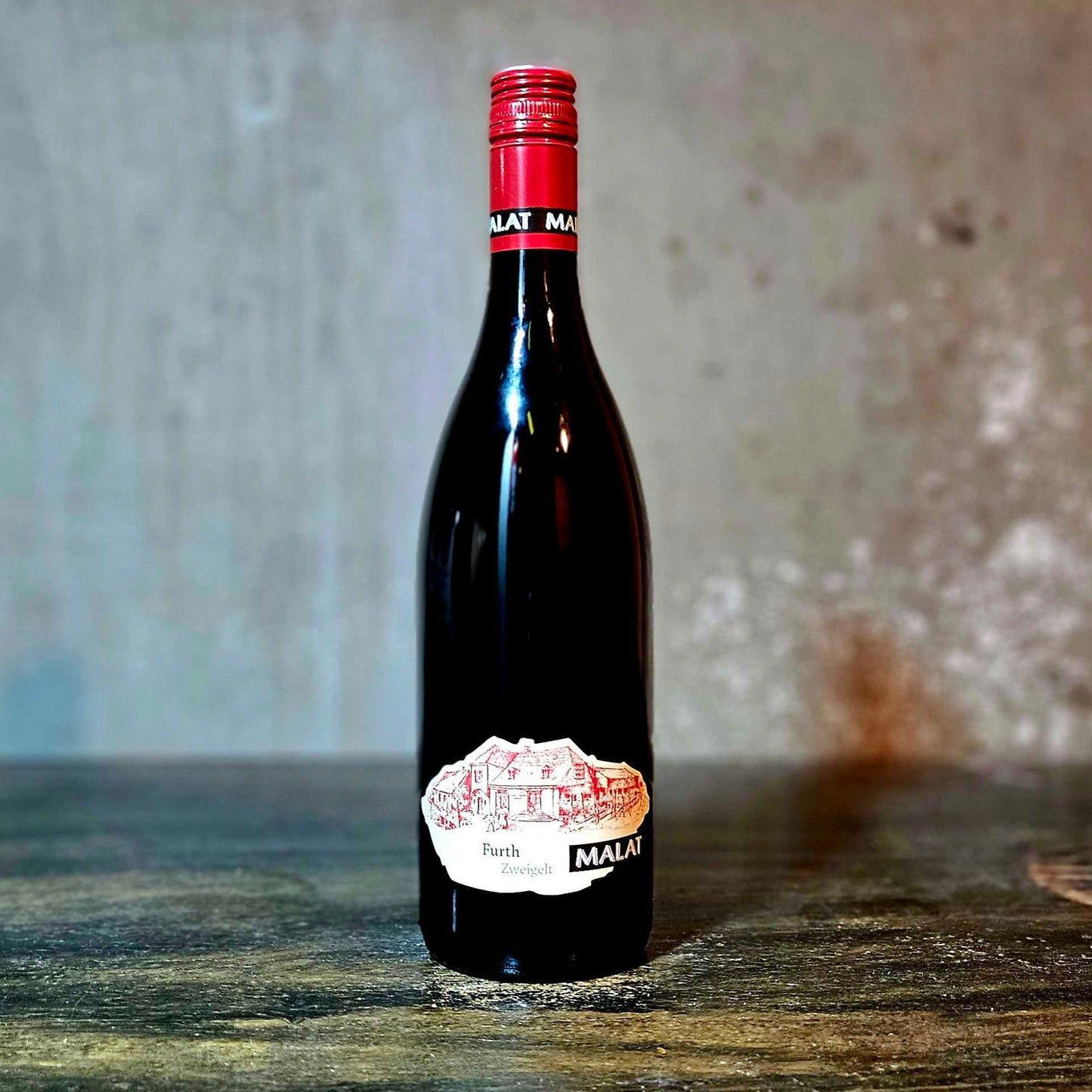
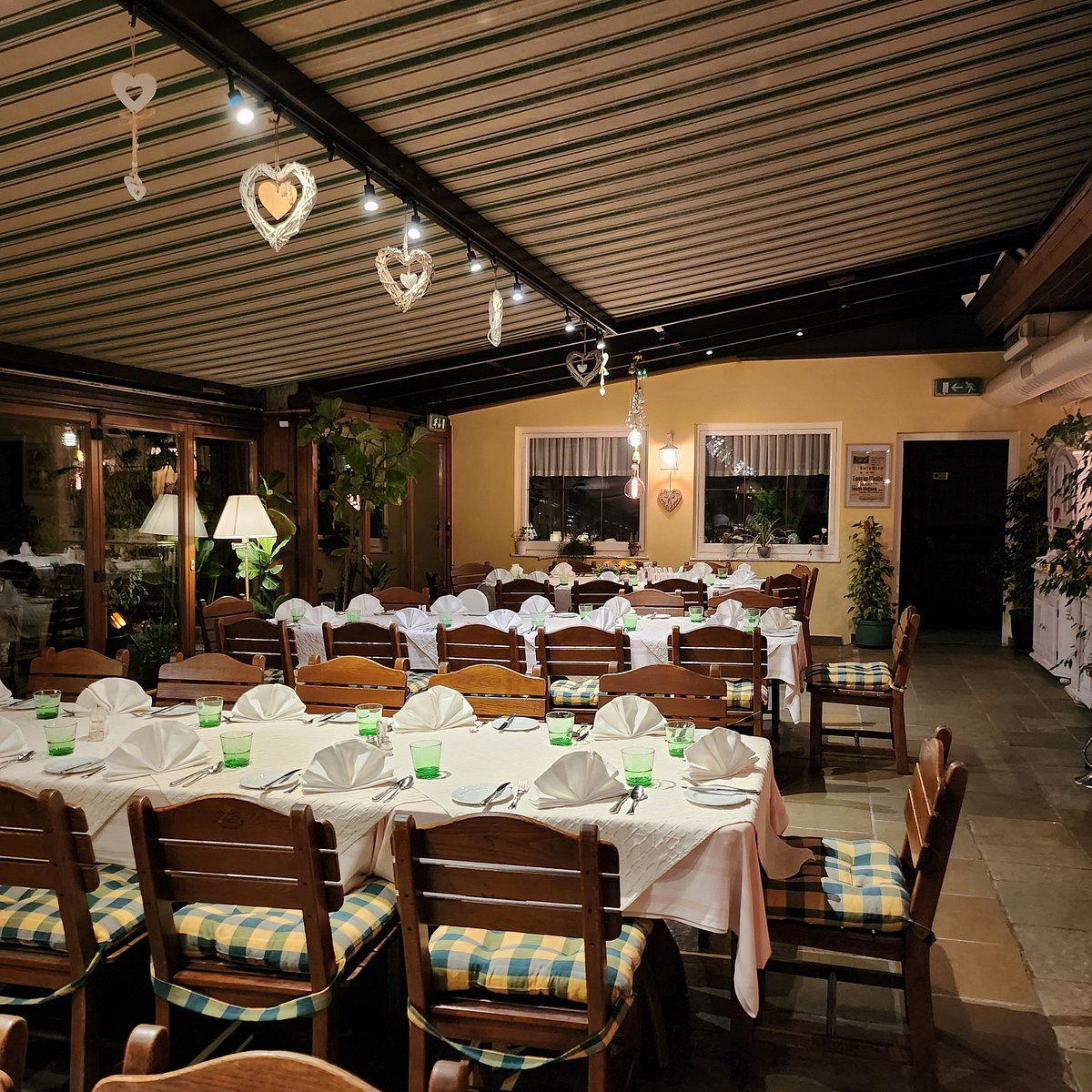
Restaurants in Furth Bei Göttweig
Browse all →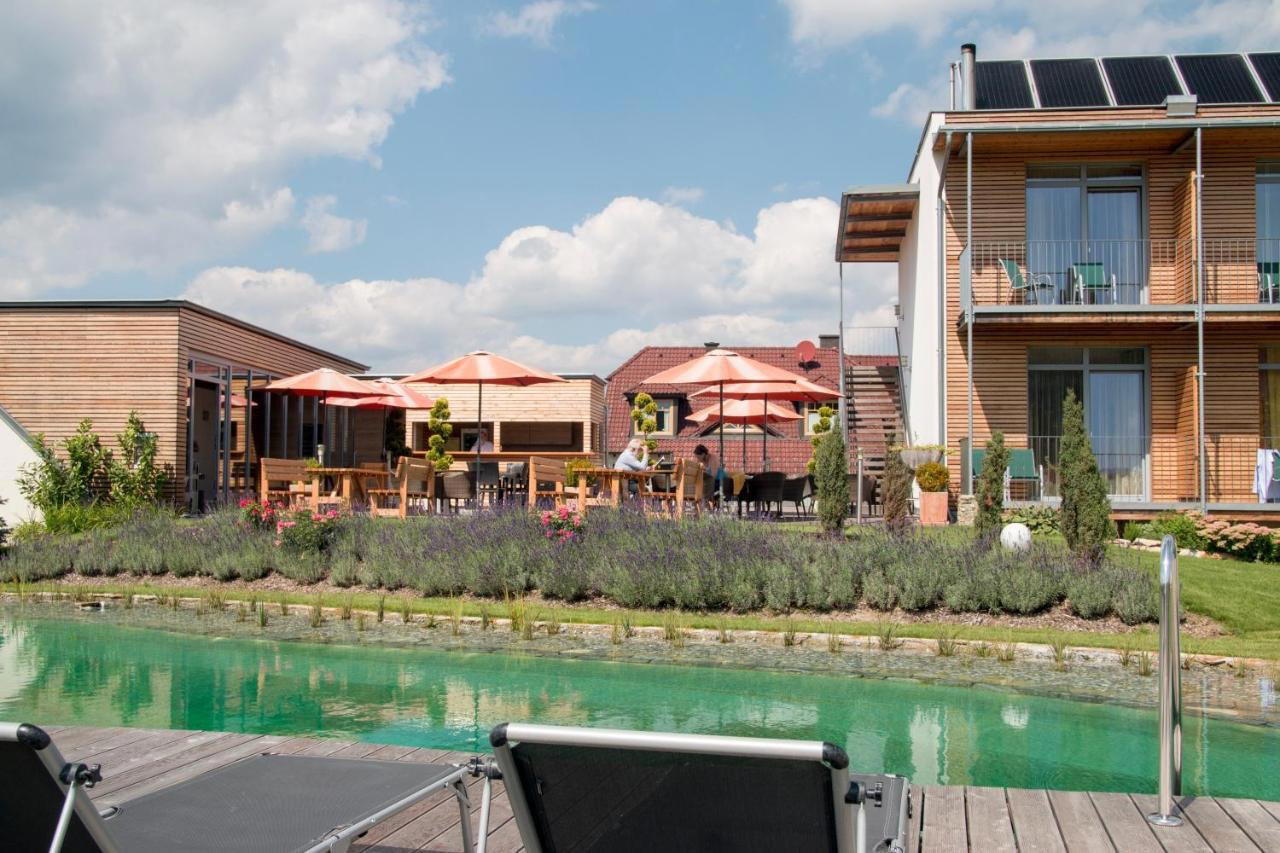
Hotels in Furth Bei Göttweig
Browse all →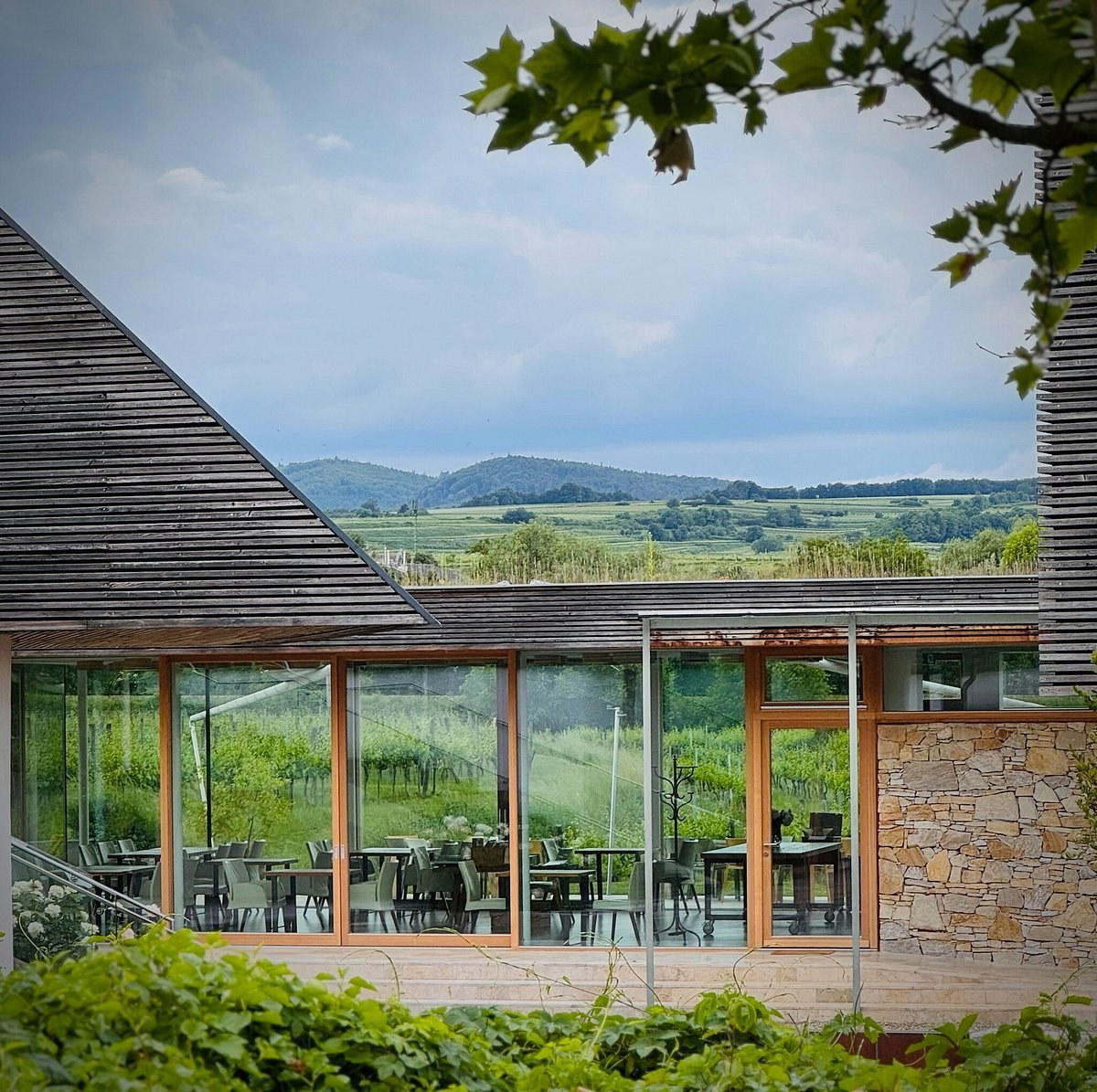
At a Glance
- Classic
- Scenic
- Historic
- Quiet
- Wine Education
- Solo Exploration
- Group Outing
- Historic Building
- Estate Grounds
- Terrace
- Sustainable
- Mountain
- Vineyard
- Kremstal
- Grüner Veltliner
- Riesling
- Chardonnay
- Pinot Noir
- Still White
- Still Red
- Sparkling
- Cellar Tasting
- Guided Tasting
Traditional and heritage-focused, with a strong monastery-and-terroir identity; the winery emphasizes origin, sustainability, and classic wines from the Göttweiger Berg.