Weingut Pircher

Falstaff Winery - 4 Stars
Weingut Pircher is a historic Rhine-side estate in Eglisau, shaped by steep terraces, gravel and limestone soils, and a focused Swiss portfolio led by Pinot Noir and Räuschling. Its appeal is strongest for travelers who want terroir-driven wine culture rather than spectacle: hillside viticulture, quiet estate atmosphere, and bottles framed by mineral structure and aging potential.

Pearl is the En Primeur Club membership app, where members save venues, book tables and use the concierge.

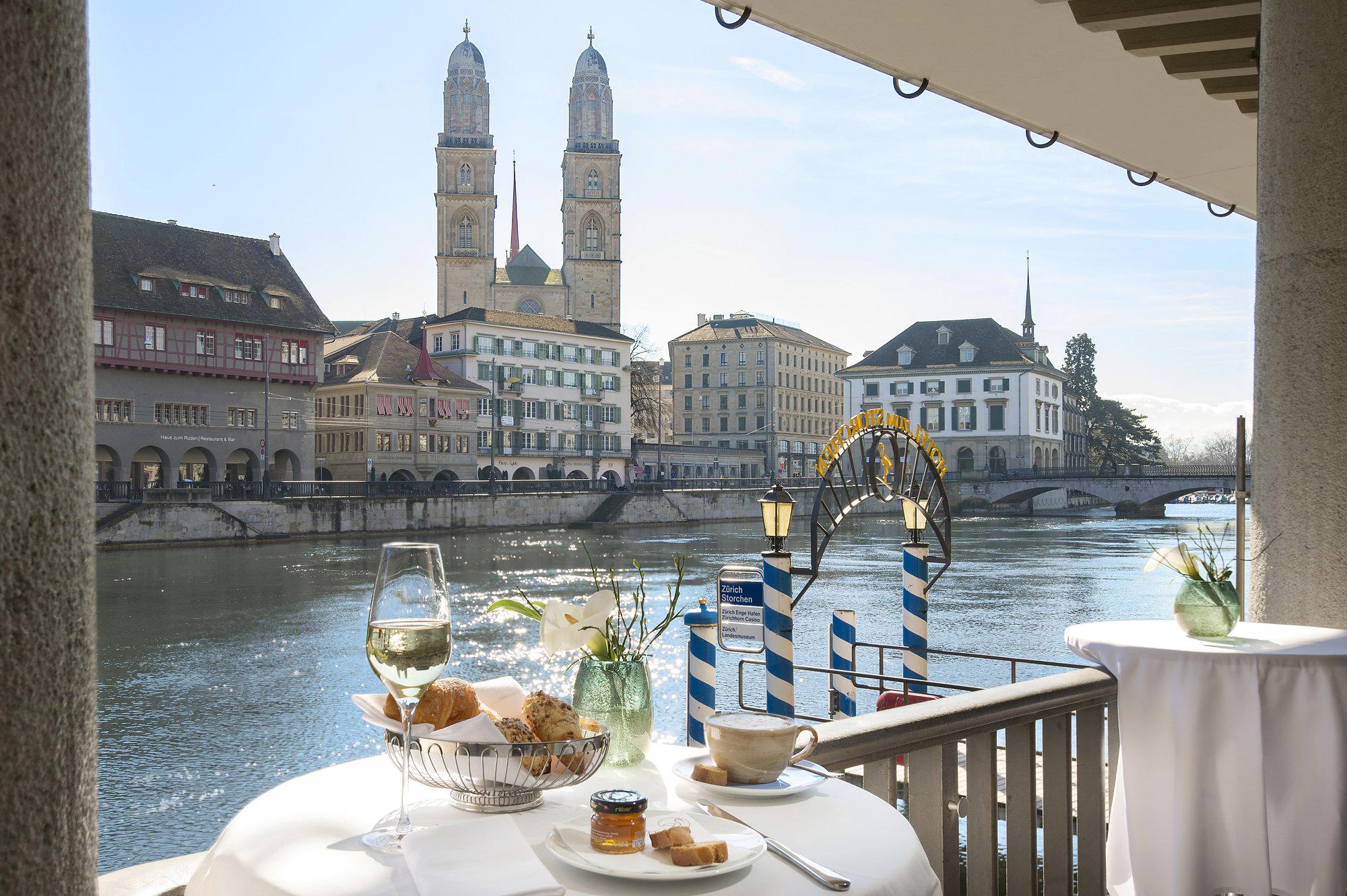
Approaching wine country in Eglisau means seeing Swiss viticulture at human scale: terraced slopes, the Rhine setting the mood, and vineyards that read as worked land, not visitor scenery. That is the setting at Weingut Pircher: a historic hillside estate with a scenic Rhine-side position and a quiet, classic character. The appeal is not built on spectacle or a long list of confirmed public details; it rests on place, terrain, and the atmosphere of a top-tier winery set into steep banks.
For travelers who know Switzerland through alpine hotels and city restaurants more than vineyards, Eglisau offers a different rhythm. The town’s wine identity is best understood through landscape first: the Rhine, the slopes, and the compact scale of a historic wine area. Weingut Pircher fits that picture as a hidden-gem estate where the physical setting carries much of the experience. Rather than overstate claims about specific grapes, menus, awards, or hospitality formats, the safer reading is simple: this is a premium, Rhine-side winery whose strengths are site, atmosphere, and hillside viticultural character.
Rhine terraces, gravel and limestone give the estate its frame
The defining feature is the vineyard ground. Weingut Pircher is described as being set on steep terraced banks in Eglisau, with gravel and limestone soils forming part of the estate’s identity. Those details are enough to explain why the property stands out. Terraces change how a vineyard feels and how it must be worked; they make the slope visible, turn the river setting into part of the visit, and distinguish the estate from more neutral, flat-land wine stops.
Gravel and limestone also give the description a clear geological focus. Without making unsupported claims about exact grape varieties, cuvées, or tasting notes, it is fair to say that these soils help frame the seriousness of the place. They are part of the reason the winery is described as top-tier, and they give visitors a concrete way to understand the estate beyond a generic “Swiss winery” label. The important point is not a fabricated tasting vocabulary but the relationship between the site and its steep, mineral hillside setting.
The mood is equally important. It is as scenic, historic, quiet, classic, and somewhat hidden-gem in character. That makes the estate especially appealing to travelers who prefer a composed wine-country stop over a high-volume attraction. The Rhine-side position supplies the sense of occasion; the terraced banks supply the structure; the historic hillside atmosphere supplies the memory.
There is no need to attach unconfirmed founding dates, named makers, exact review scores, seat counts, or detailed service claims. A premium guide can be useful precisely by being careful: Weingut Pircher’s confirmed story is already strong enough when presented as a Rhine-side hillside estate in Eglisau with steep terraces, gravel and limestone soils, and a classic, quiet atmosphere.
A historic hillside estate, not a fabricated hospitality circuit
The ideal way to approach Weingut Pircher is as a place-led winery rather than as a venue defined by a published dining or tasting format. Visitors should therefore plan with practical caution and confirm current arrangements directly before going.
What is supported is the atmosphere: historic, hillside, scenic, and quiet. That gives the visit its editorial shape. It is a place to understand through the estate setting and the Rhine-side landscape rather than through an invented list of amenities. In premium travel terms, that can be a strength. Not every worthwhile venue needs to be explained through a menu, a formal service ritual, or an award shelf. Some are most compelling because the land is legible and the setting is distinctive.
The price level is listed as $$$, so travelers should read Weingut Pircher as a premium stop rather than a bargain detour. That price marker does not, by itself, define exactly what is included or how a visit is structured. It simply signals that the estate belongs in a more considered itinerary. Pair that with the description of a top-tier winery and the result is a venue that suits visitors who are deliberately seeking out Eglisau’s wine landscape, not merely passing through.
That restraint protects the usefulness of the recommendation. The reason to keep Weingut Pircher on a shortlist is the confirmed combination of Eglisau, Rhine-side scenery, steep terraced banks, gravel and limestone soils, and a quiet historic estate atmosphere.
How to place it in an Eglisau wine itinerary
Eglisau works well as a compact wine-and-river destination rather than a checklist of invented must-dos. Weingut Pircher fits a slower itinerary built around landscape, historic character, and the pleasure of seeing Swiss wine country at close range. The estate’s setting on steep terraced banks gives the visit a strong sense of place, while the Rhine-side location makes it feel distinct from more urban dining or drinking stops.
For planning, keep the focus local and practical. Build time around Eglisau itself, leave room for the river setting, and confirm any visit-specific details before relying on them. Other dining and drinking options in Eglisau can round out the day, but Weingut Pircher should be understood on its own terms: a scenic, classic, historic hillside winery with premium positioning and a quiet hidden-gem feel.
That is the honest hook. Weingut Pircher does not need an inflated award claim, a borrowed restaurant narrative, or an grape-by-grape profile to be compelling. Its identity is already clear: a top-tier winery in Eglisau, set by the Rhine on steep terraced banks, with gravel and limestone soils and an atmosphere that rewards travelers who value place over noise.
Recognition history
Dated appearances from independent guides and award organizations, with the underlying list record or original source where available.
Falstaff Winery - 4 Stars
Falstaff
Continue exploring
More in Eglisau
Wineries in Eglisau
All wineries in Eglisau →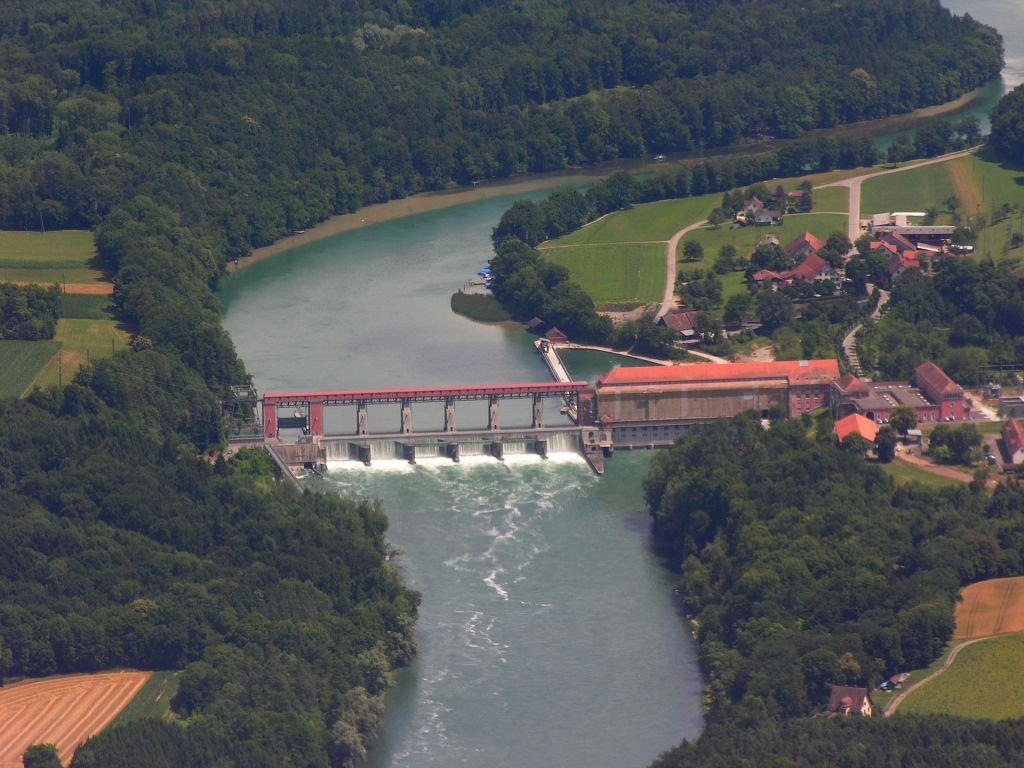
Bars in Eglisau
Browse all →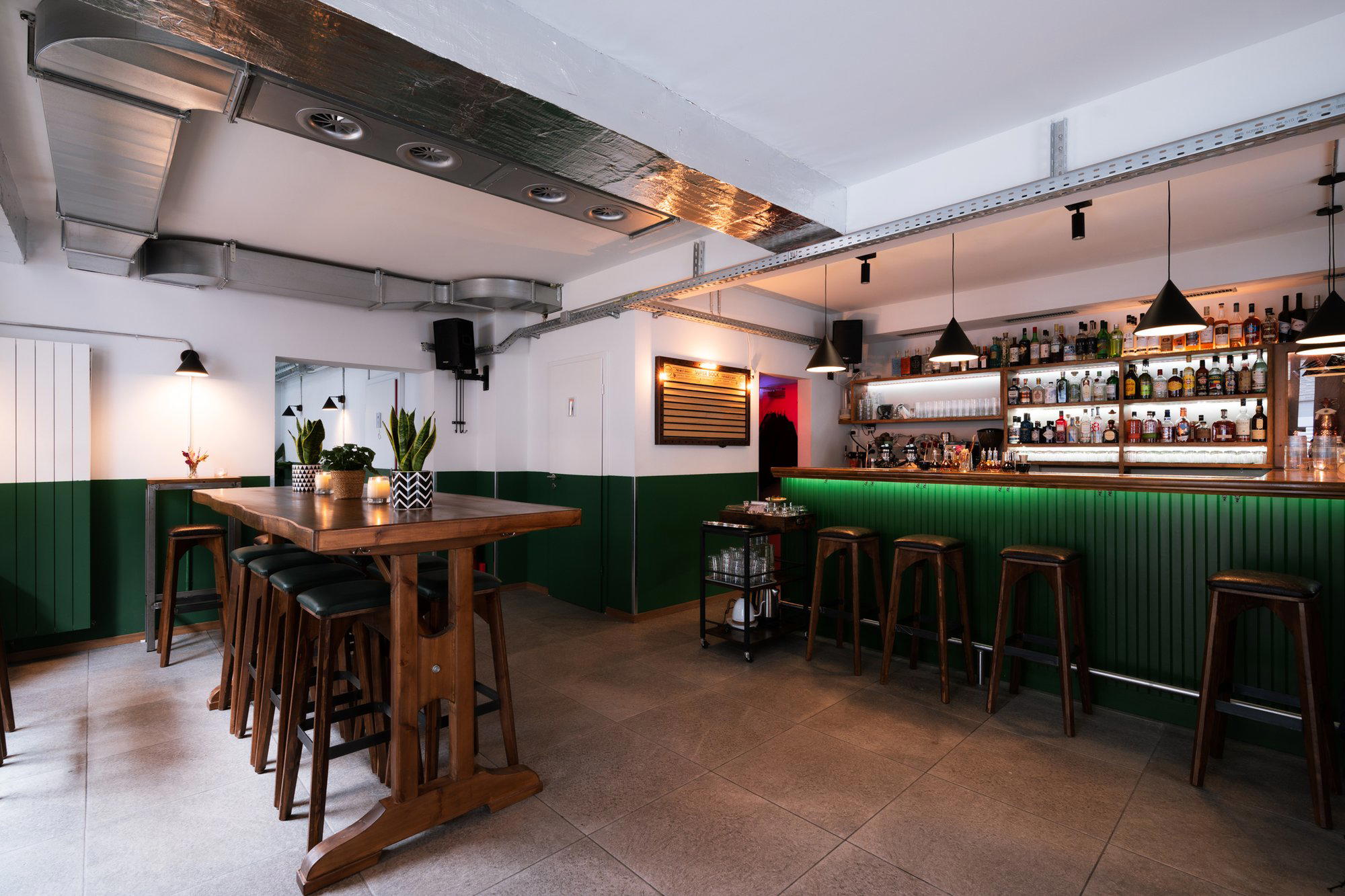
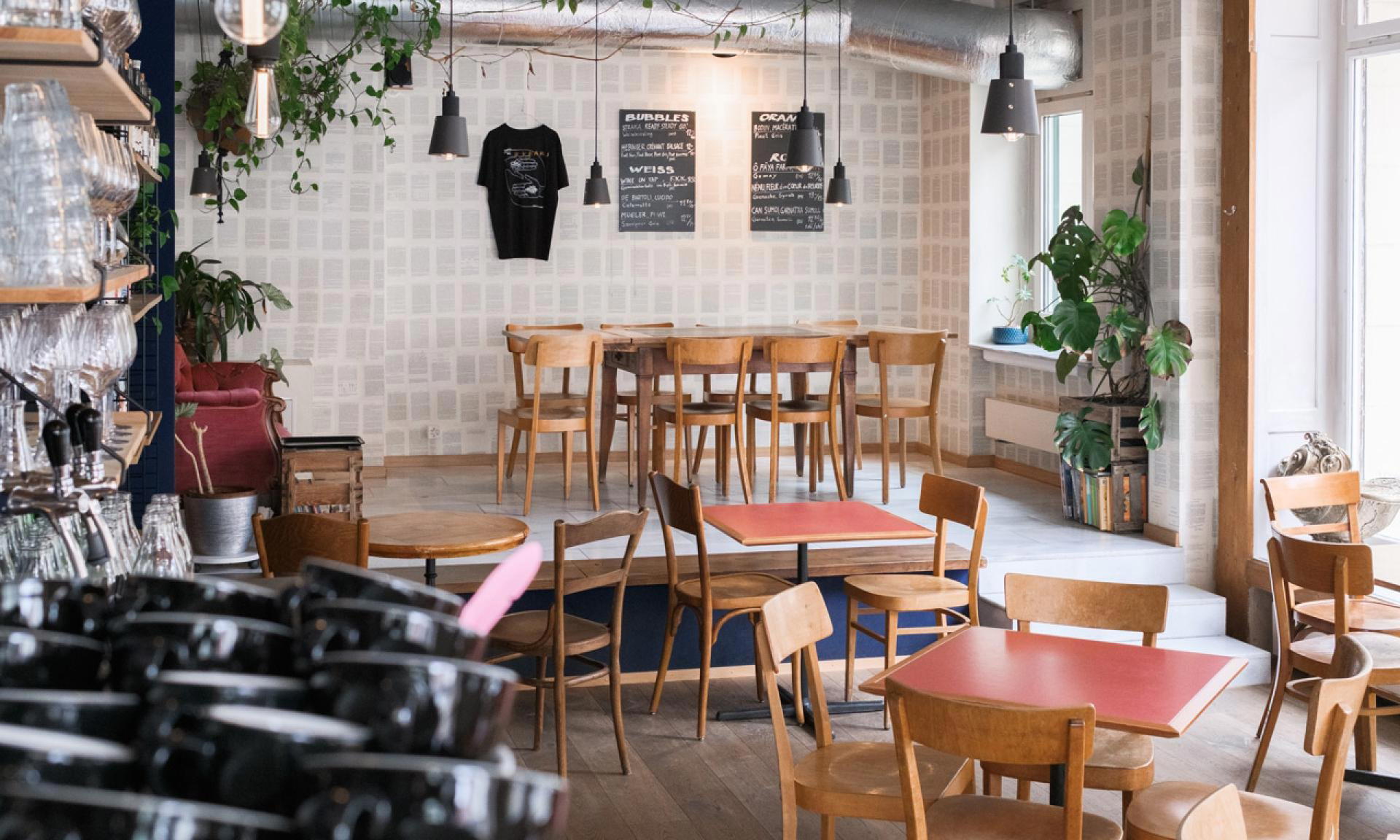
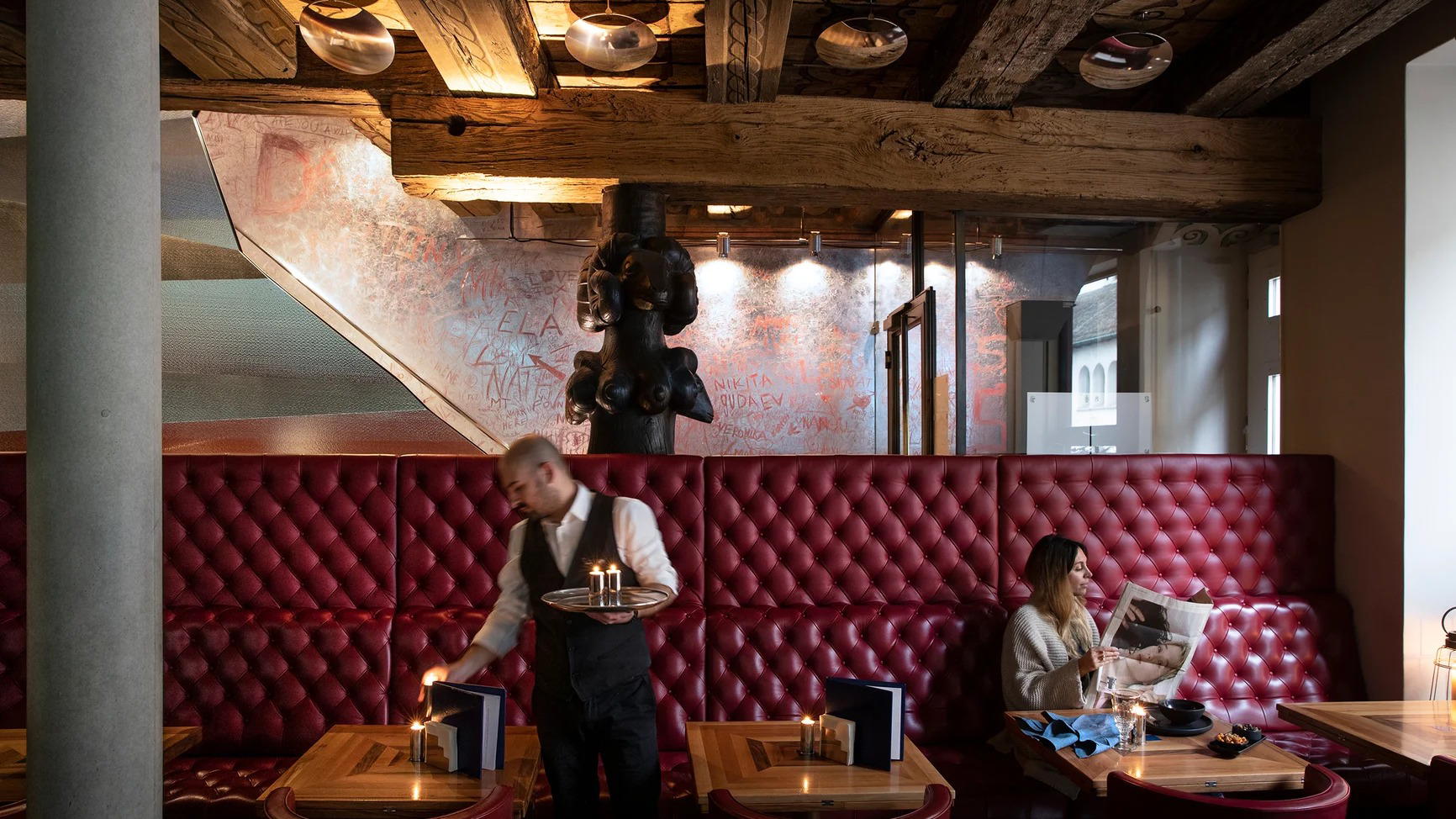
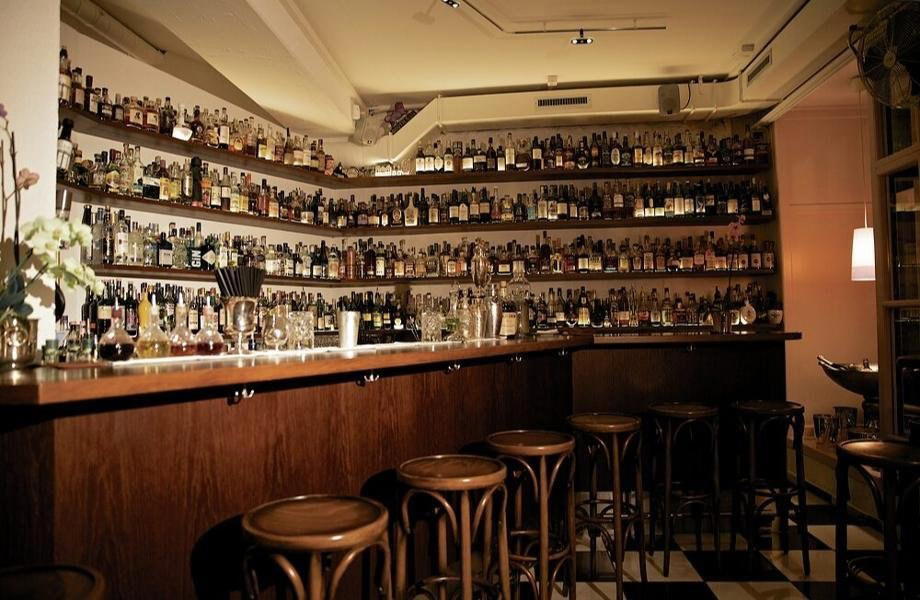
Details
- Scenic
- Historic
- Quiet
- Classic
- Solo Exploration
- Special Occasion
- Wine Education
- Historic Building
- Estate Grounds
- Vineyard Tour
- Sustainable
- Organic
- Waterfront
- Vineyard
- Pinot Noir
- Räuschling
- Still Red
- Still White
- Cellar Door
- Guided Tasting
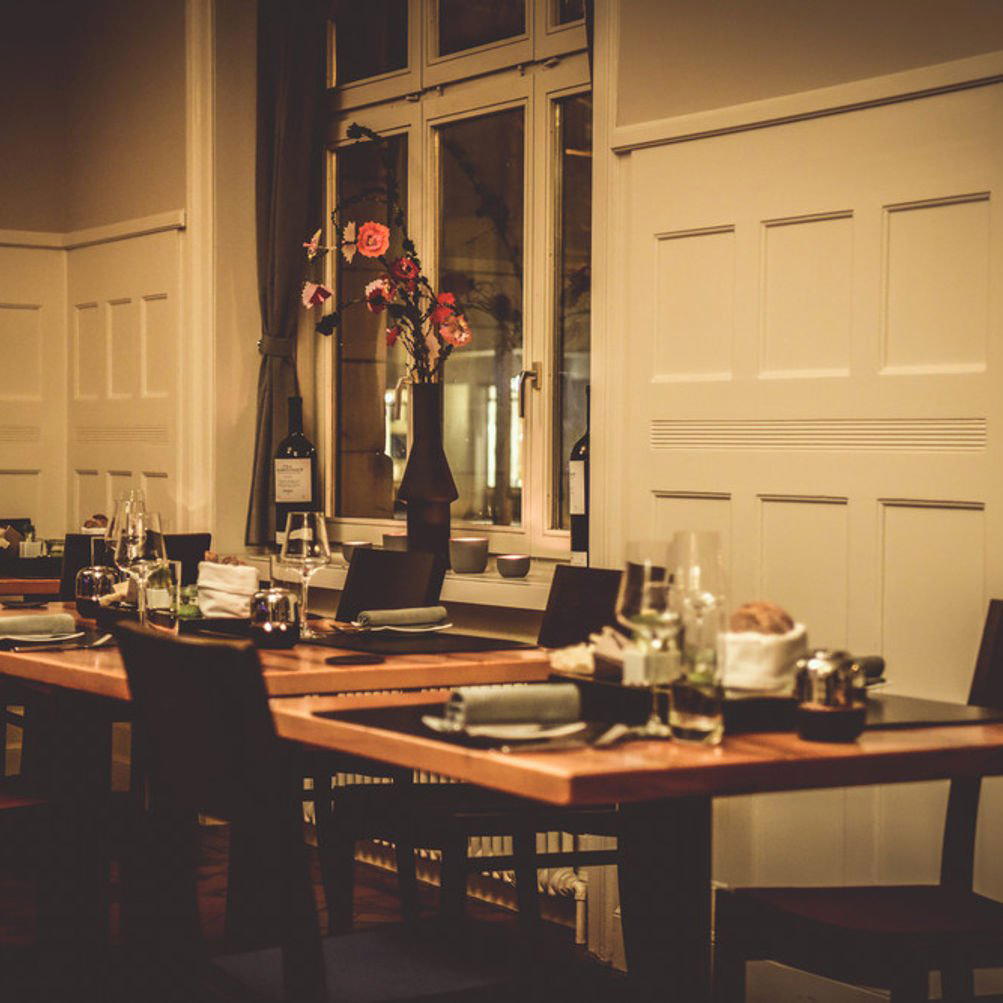
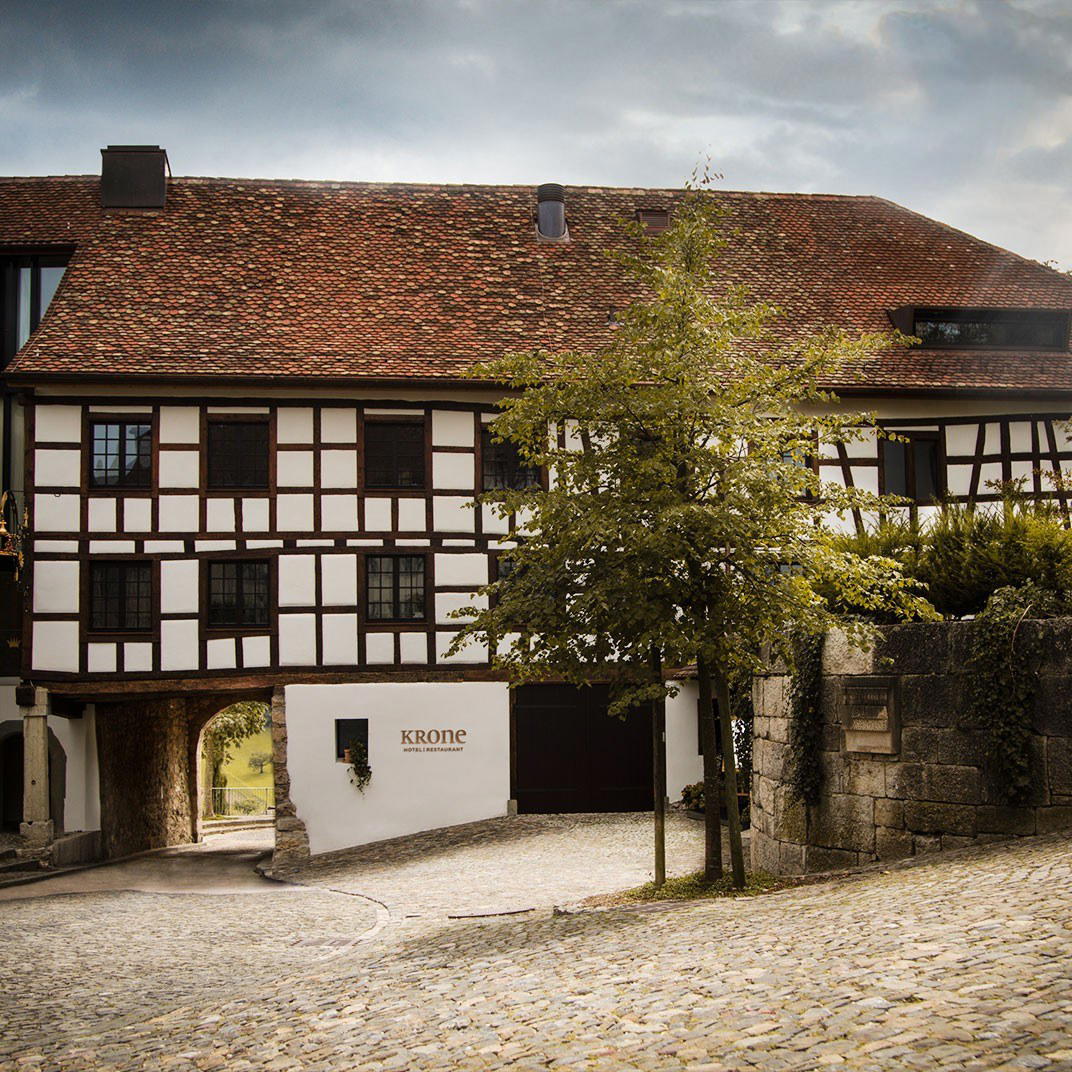
Historic, hillside estate atmosphere with a scenic Rhine-side setting; the winery is described as upper-tier and set on steep terraced banks with gravel and limestone soils.