
Weinbau Herbert Triebaumer is a small Rust winery with a biodynamic, low-intervention philosophy and appointment-led cellar-door tastings. The estate’s profile is anchored by Blaufränkisch, Rust Ausbruch, and a mixed portfolio that includes Cabernet Sauvignon, Chardonnay, Sauvignon Blanc, and Furmint, making it a focused stop for visitors who want Burgenland wine culture without a large-scale hospitality format.

Pearl is the En Primeur Club membership app — saves, bookings, and concierge access live there. Same editors, same standards.

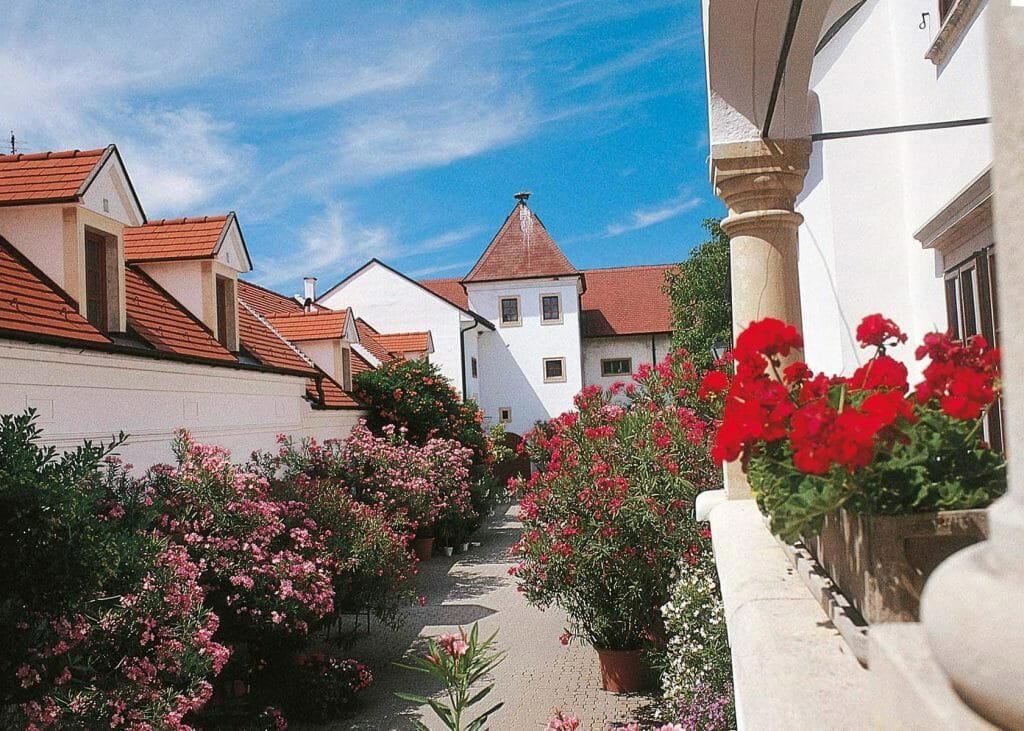
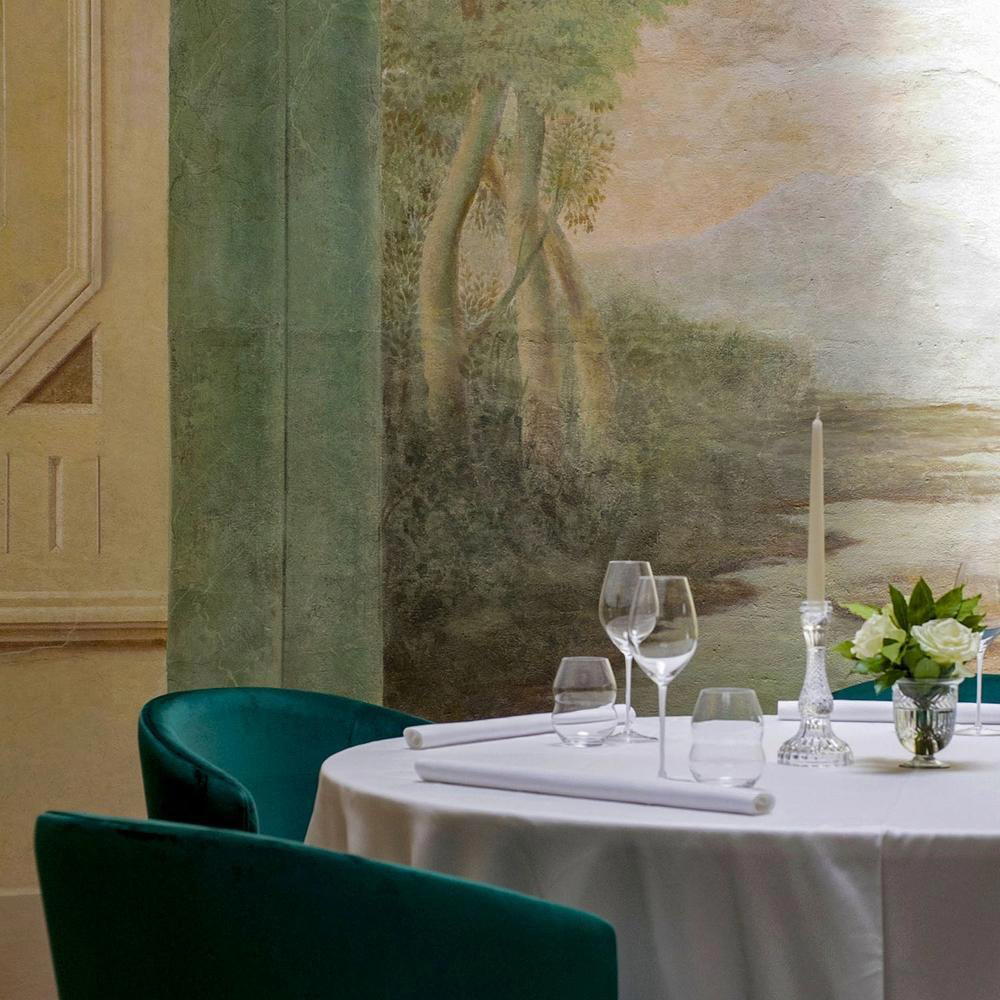
Rust has the quiet of a wine town where restraint can matter more than spectacle. the picture of Weinbau Herbert Triebaumer is deliberately narrow but useful: it is a traditional winery setting in Rust with a strong sustainability focus and an emphasis on biodynamic, low-intervention winemaking. The mood signalled by the available information is quiet, rustic, classic, and more hidden-gem than showpiece.
That makes the venue easier to place for travellers who are not looking for a fully documented restaurant-style experience. The confirmed details do not establish a lunch service, a tasting schedule, a food program, a booking policy, a vineyard view, a specific address, a founding year, a named winemaker, or a list of grapes and wines. Rather than fill those gaps with assumptions, the safest reading is to treat Weinbau Herbert Triebaumer as a wine-focused Rust address whose appeal rests on setting, sustainability, and low-intervention practice.
Biodynamic Rust winemaking without the performance layer
The main editorial reason to pay attention is philosophical, not decorative. Weinbau Herbert Triebaumer is as having a strong sustainability focus and an emphasis on biodynamic, low-intervention winemaking. Those terms are often used loosely in wine travel, so they should not be stretched into unsupported claims about specific farming certifications, cellar techniques, bottle styles, or visitor formats. What can be said is simpler: the identity presented here is rooted in a traditional winery context rather than a high-gloss hospitality concept.
That distinction matters because the available facts support atmosphere more clearly than logistics. The setting is described as traditional, quiet, rustic, classic, and hidden-gem in character. Those are useful cues for expectations. A visitor should not read this as a promise of a large tasting lounge, a restaurant, a terrace, or a full estate-day program. The profile points instead toward a restrained wine venue in Rust where the draw is the sustainability-minded winemaking approach and the traditional feel of the place.
The guide also confirms a moderate price level, marked $$. That is one of the few practical specifics that can be stated with confidence. For planning, think of the price signal as a broad category rather than a detailed tariff.
That absence is important. The winery should not be framed around an accolade, a numbered rating, or a year-specific honour unless such information is separately confirmed. The stronger and safer hook is the one: Rust, traditional winery setting, sustainability focus, and biodynamic, low-intervention winemaking.
What the tasting format tells you about the estate
It does not state that visits are appointment-only, walk-in, cellar-door, guided, private, group-oriented, or paired with food. Travellers interested in visiting should confirm the current arrangements directly before making plans.
What the available profile does communicate is the likely tone of the experience. Quiet, rustic, classic, and hidden-gem are not operational details, but they are meaningful atmosphere cues. They suggest that the venue is better understood as a traditional Rust winery environment than as a loud, entertainment-led destination. The sustainability and biodynamic emphasis also indicates that the winemaking philosophy is central to how the venue should be interpreted.
Those omissions should not be turned into negative claims. For a premium guide, that is preferable to implying a service either exists or does not exist without evidence.
For a wider Rust plan, compare the winery with other dining and wine options in Rust generically rather than assuming they share the same format. The confirmed identity here is specific enough: a traditional winery setting in Rust, moderate price level, and a strong sustainability focus expressed through biodynamic, low-intervention winemaking.
Who should make room for this cellar door
The right reader for the winery is someone who values a winery’s agricultural and philosophical stance as much as polished hospitality details. If biodynamic and low-intervention winemaking are central to how you choose wine destinations, this Rust venue belongs on the shortlist.
The venue’s appeal is therefore best described with restraint. It is possible to say that winery presents as a quiet, rustic, classic Rust winery with a hidden-gem feel, moderate pricing, and a strong sustainability-led approach to biodynamic, low-intervention winemaking.
That may be enough for travellers who prefer understated places over heavily packaged experiences. Build the rest of a Rust itinerary around confirmed needs such as meals, lodging, and timing, and treat the winery as a wine-focused stop whose strengths are atmosphere and philosophy rather than a long list of documented amenities.
Recognition history
Dated appearances from independent guides and award organizations, with the underlying list record or original source where available.
Falstaff Winery - Listed
Falstaff
At a Glance
- Quiet
- Rustic
- Classic
- Wine Education
- Special Occasion
- Group Outing
- Historic Building
- Private Tasting
- Sustainable
- Vineyard
- Leithaberg
- Blaufränkisch
- Cabernet Sauvignon
- Chardonnay
- Sauvignon Blanc
- Furmint
- Still Red
- Still White
- Dessert
- Cellar Door Tasting
- Appointment Tasting
Traditional winery setting with a strong sustainability focus and an emphasis on biodynamic, low-intervention winemaking.