
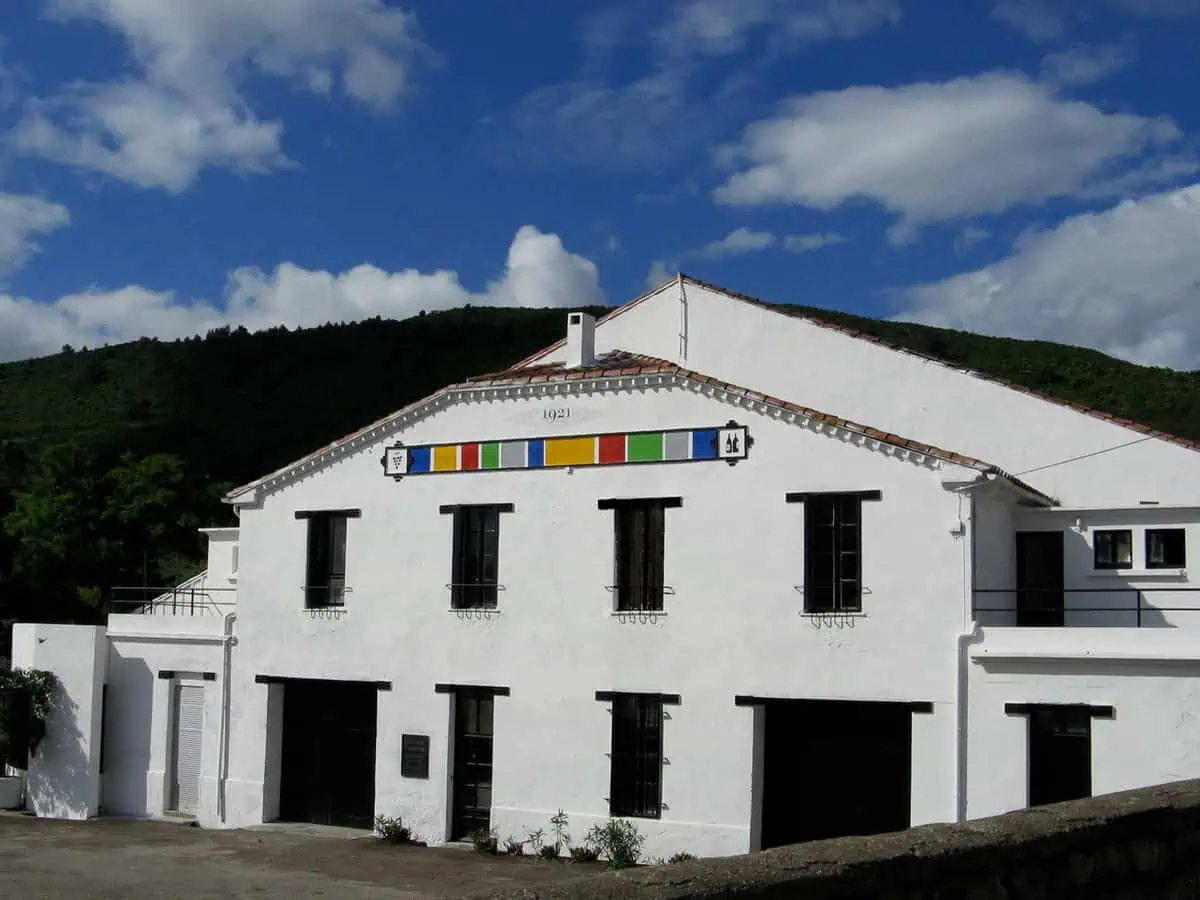
Riberach is a wine-country stay in Bélesta shaped by Roussillon terroir, adaptive reuse and slow-paced hospitality. The former 1925 cooperative cellar now folds together an organic estate, design-led lodging, restaurants and wine tourism, making the building itself part of the region’s vineyard story rather than a decorative backdrop.
Pearl is the En Primeur Club membership app — saves, bookings, and concierge access live there. Same editors, same standards.
- Address
- Belesta, Occitanie, Frankreich
- Directions
- Get directions
 Saves & bookings on Pearl
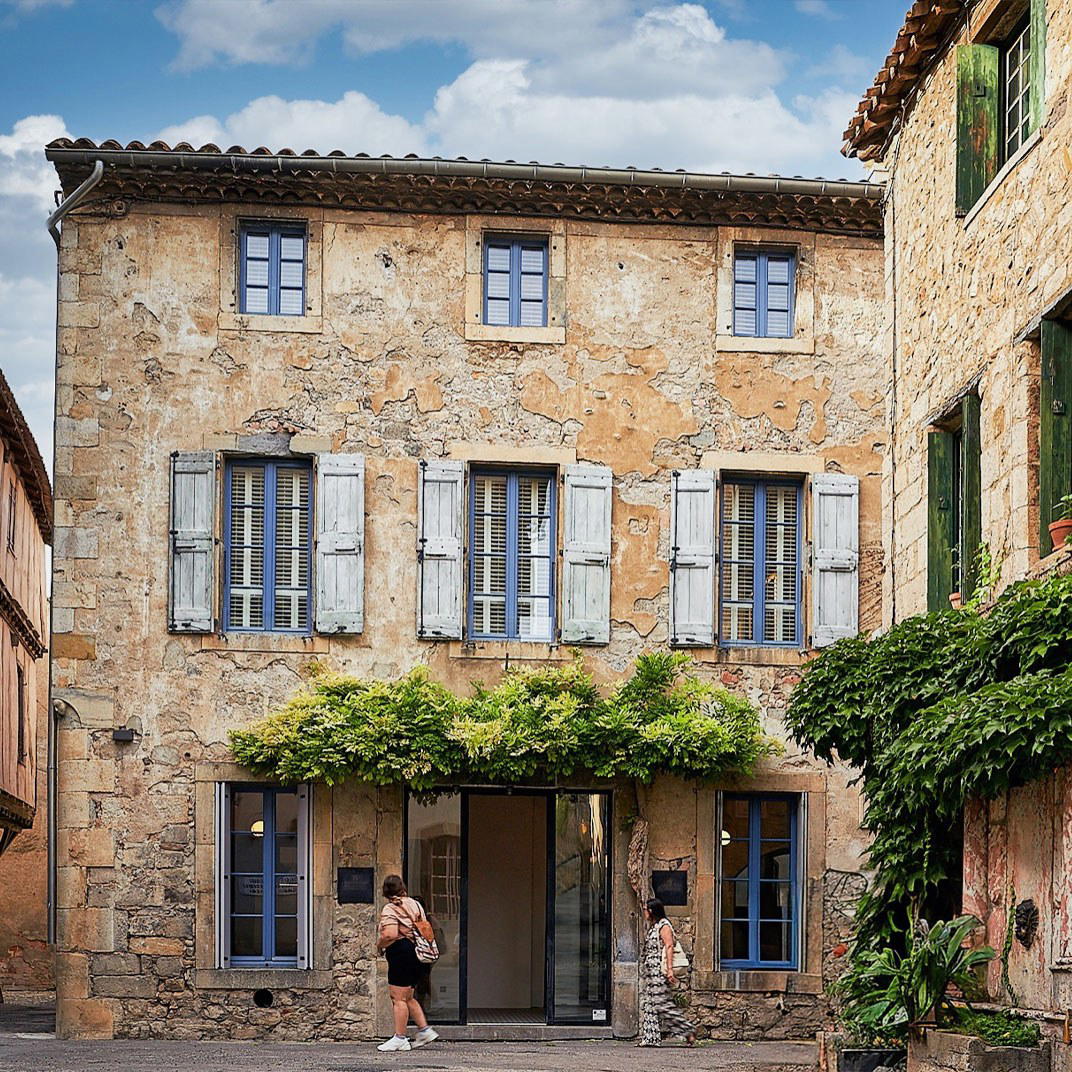
Approaching the old cooperative cellar in Bélesta, the first impression is not château polish but agricultural memory: concrete volumes, cellar architecture and the quiet geometry of a village building once built for collective harvest. In Roussillon, where wine has often been tied to cooperatives, old vines and hard Mediterranean light, that matters. Riberach uses the fabric of a 1925 winery to make a broader point about place: terroir is not only soil and grape variety, but also the buildings, labor systems and villages that carried the wine economy before rural hospitality became part of the equation.
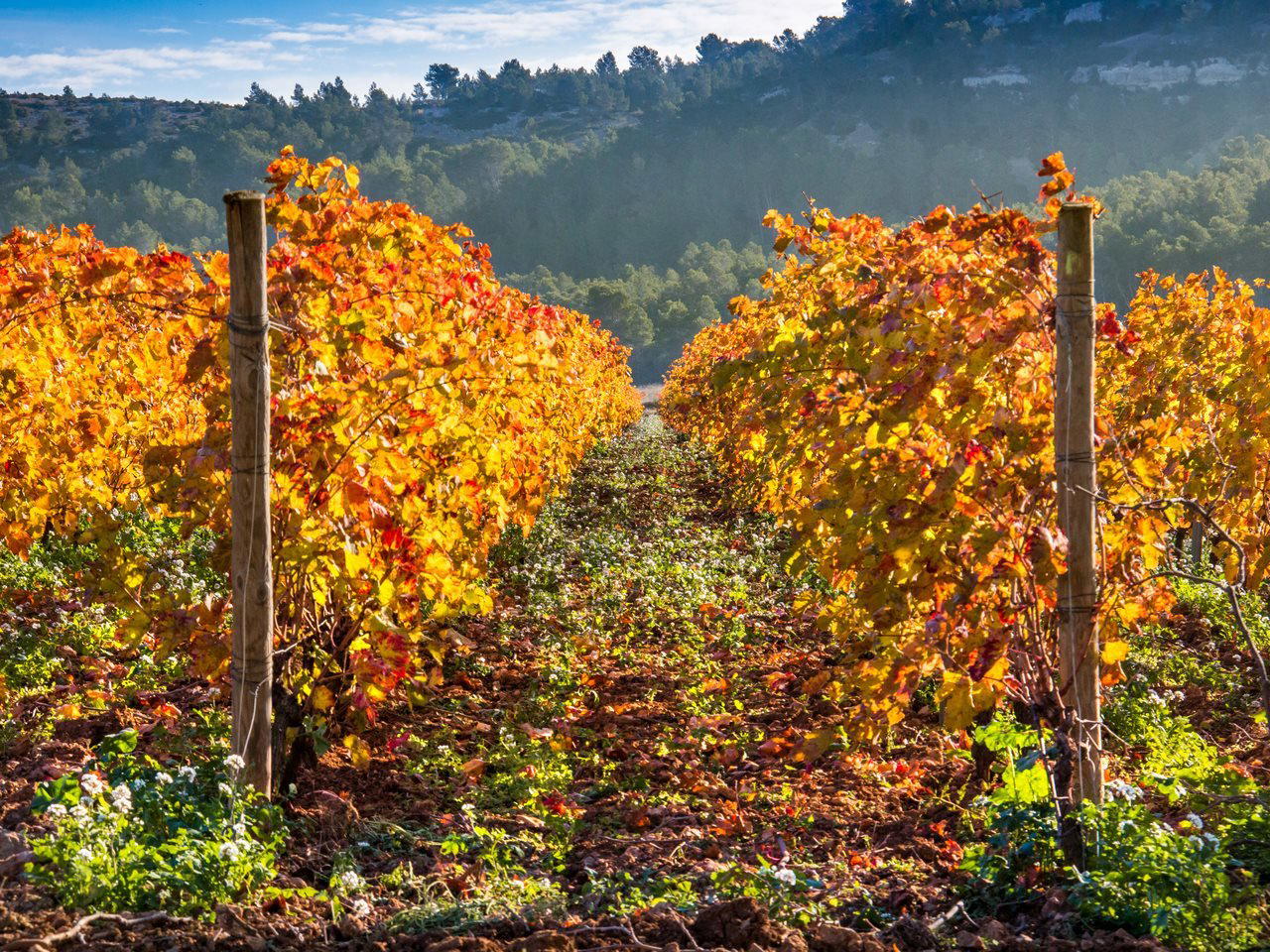
The stronger reading here is architectural and agricultural at once. The estate works with 12 hectares of organically farmed vineyards and focuses on Roussillon grapes including Grenache Blanc, Carignan, Macabeu, Grenache and Syrah. That mix says more than a generic wine-country label would. It places the estate inside a southern French register of heat, wind, Mediterranean vegetation and Catalan-edge identity, where whites need tension, reds need control, and hospitality only works when it does not flatten the land into scenery.
Concrete vats, vineyard air and a Roussillon sense of pace
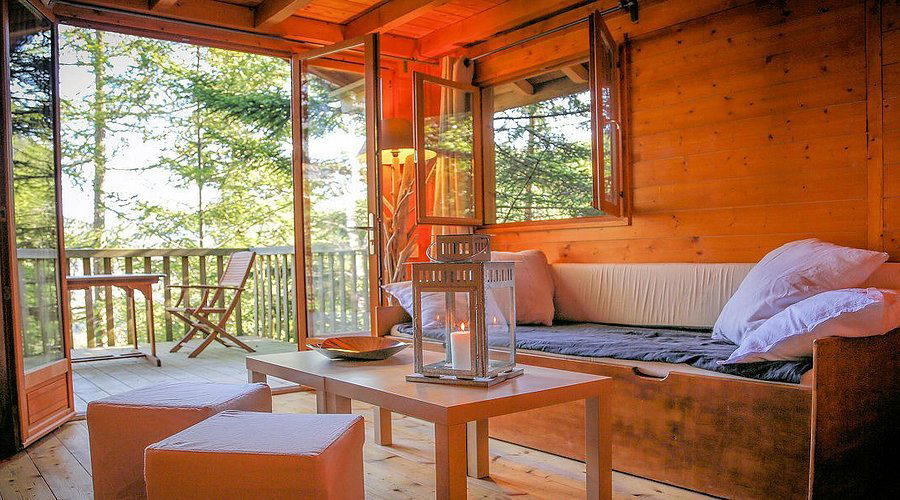
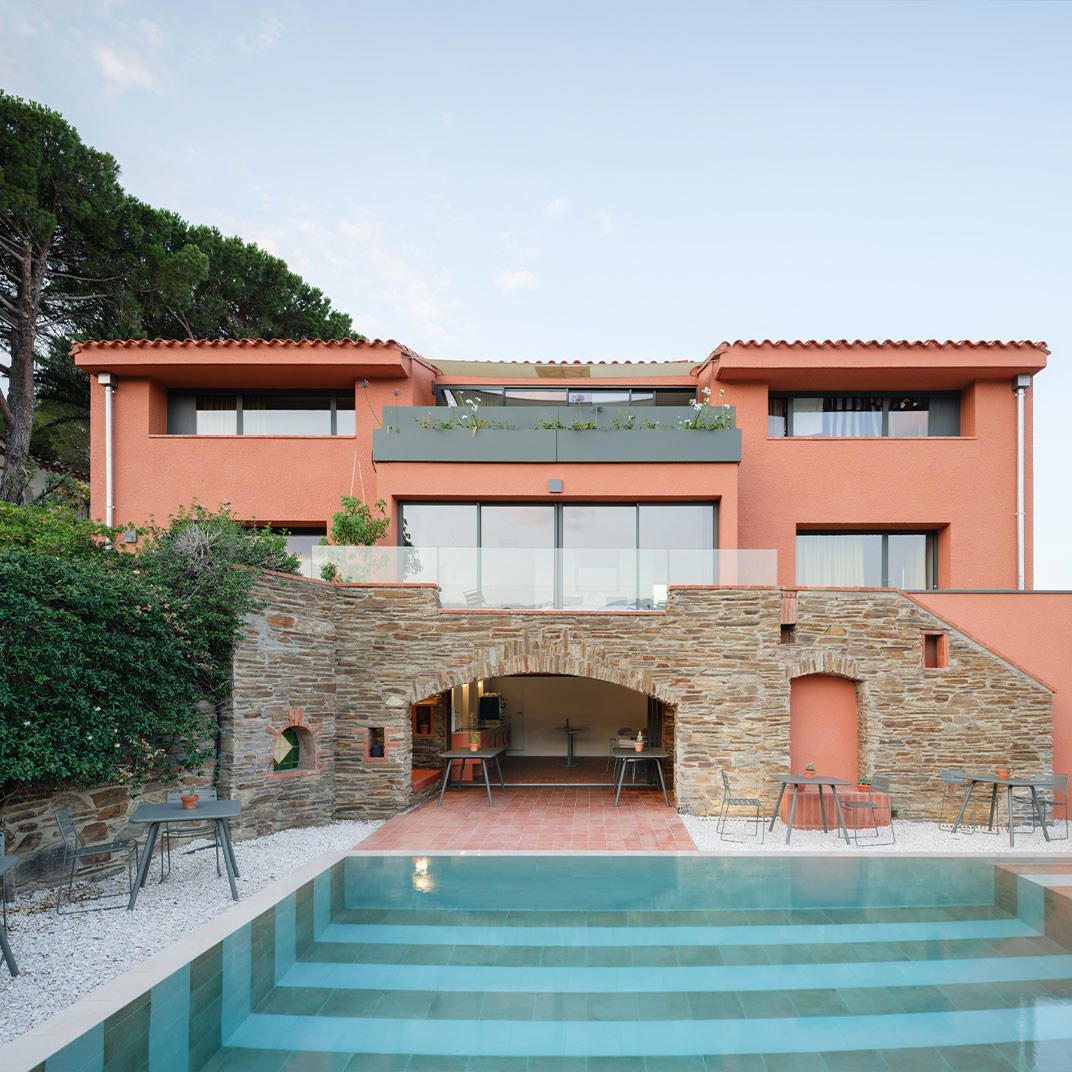
Adaptive reuse can turn sentimental quickly, but the former cooperative format gives this estate a useful discipline. Raw concrete vats, steel walkways, modern furniture and articulated lamps keep the industrial shell visible rather than disguising it as rustic theatre. Guest rooms built in and above old wine vats sharpen the point: the cellar is not a backdrop to the stay, it is the organising structure. The result belongs to a growing European category of wine estates where production, lodging and design are fused into one experience, but here the cooperative past gives the project a village-scale grounding.
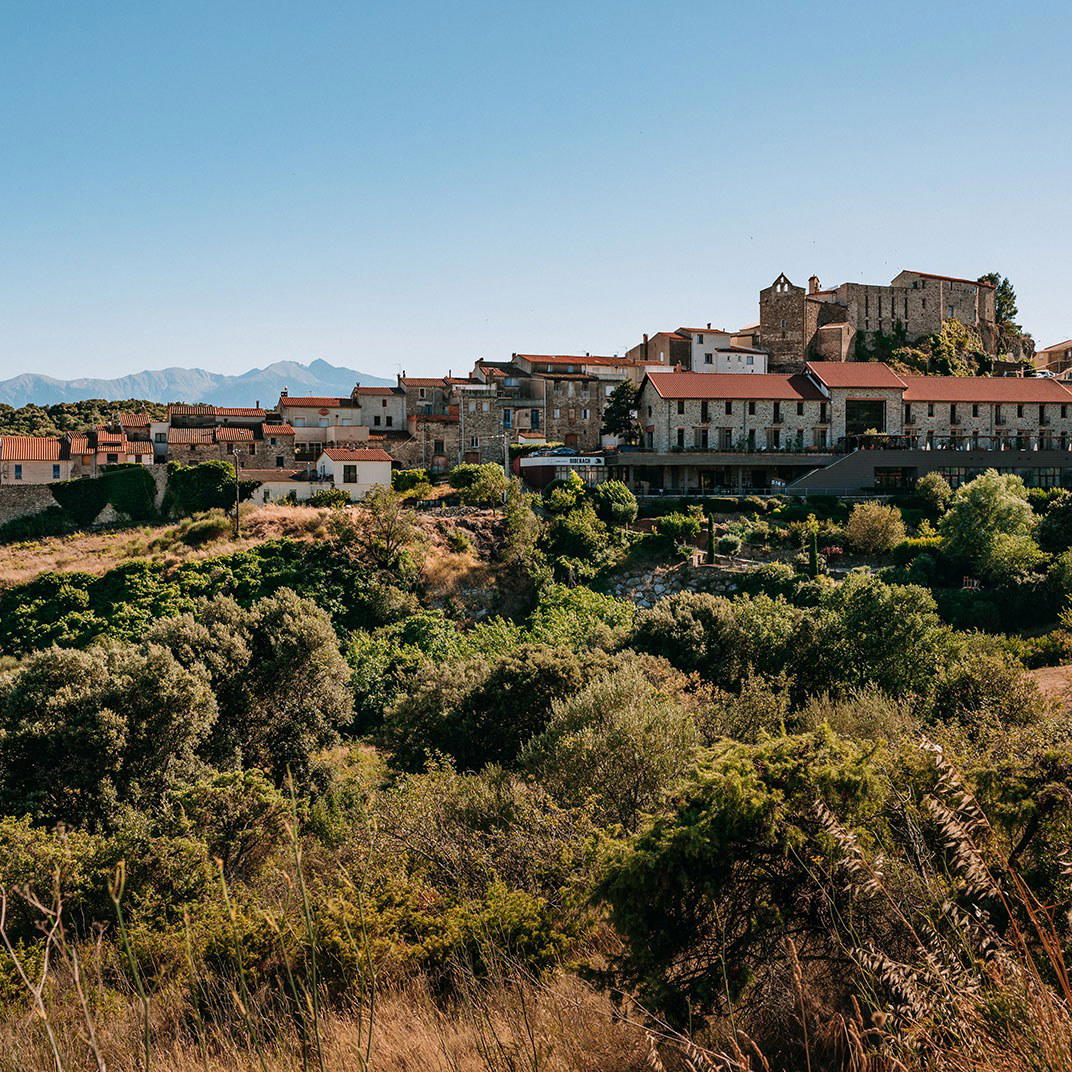
The setting reinforces that reading. Bélesta sits in the Pyrenees-Orientales, with the estate positioned at the foot of the medieval castle and surrounded by vineyards, garrigue, gardens and mountain views. This is not the manicured, resort-first model of wine tourism. The attraction is slower and more textural: a working cellar, organic farming language, food pairings, vineyard walks and cellar-led tastings arranged around the local terrain. For a wider look at the village’s drinking and dining context, use Our full Bélesta wineries guide, Our full Bélesta restaurants guide, Our full Bélesta hotels guide, Our full Bélesta bars guide and Our full Bélesta experiences guide.
The wine program treats the estate as the tasting room
Roussillon’s reputation has shifted over recent decades from volume and fortified-wine associations toward smaller estates making still reds, whites, rosés and sparkling wines with more attention to site. Riberach fits that change because its hospitality is built around the estate rather than a disconnected cellar door. The tasting formats include estate tastings, cellar tours with tasting, vineyard walks, 4x4 vineyard tours and food-pairing tastings, which means the wines are interpreted through movement across the property as much as through the glass.
Luc Richard is the named winemaker, and the estate’s production philosophy is stated in organic terms. The key editorial point is not personality-driven winemaking, but the way the grape mix and farming frame the visit. Grenache, Carignan and Syrah point toward southern structure and sun exposure; Grenache Blanc and Macabeu bring the white-wine side of the region into view. In a climate where ripeness is rarely the problem, the interest lies in how estates manage balance, freshness and agricultural identity. The wine tourism format gives visitors the context that a tasting counter alone often cannot supply.
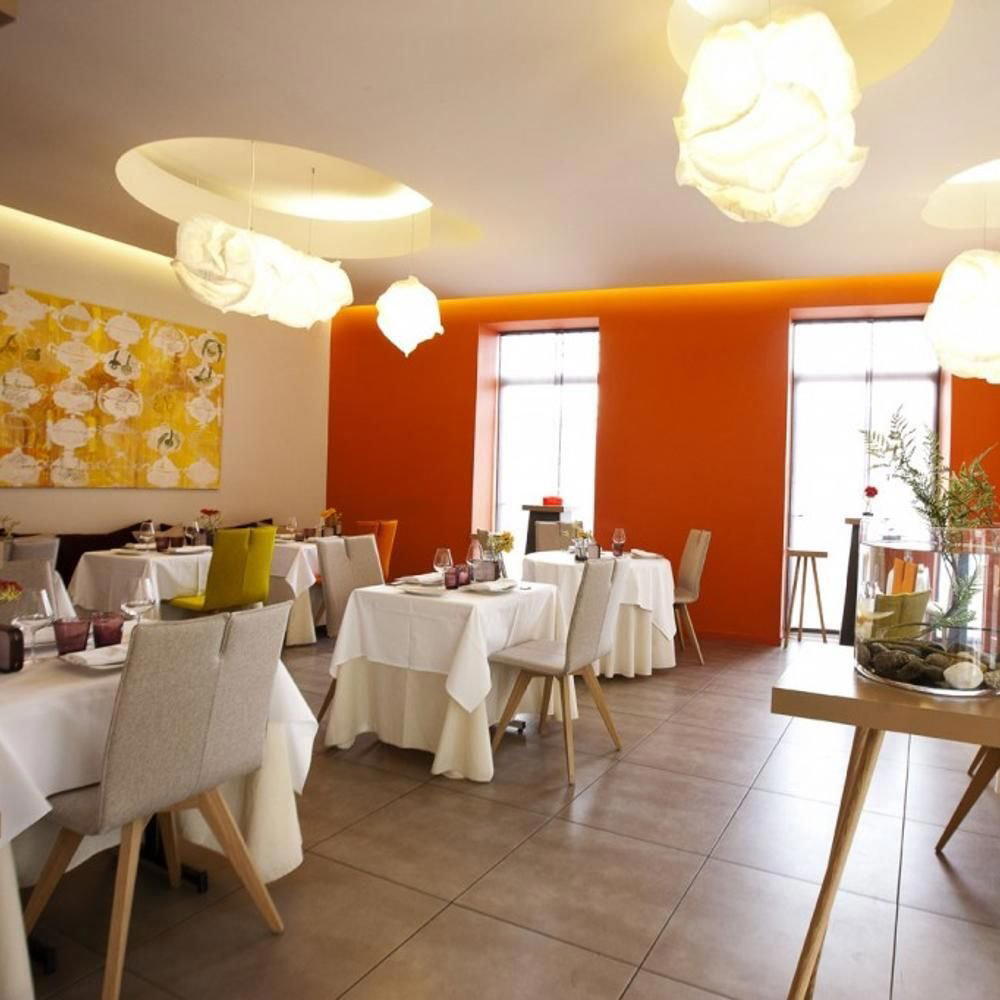
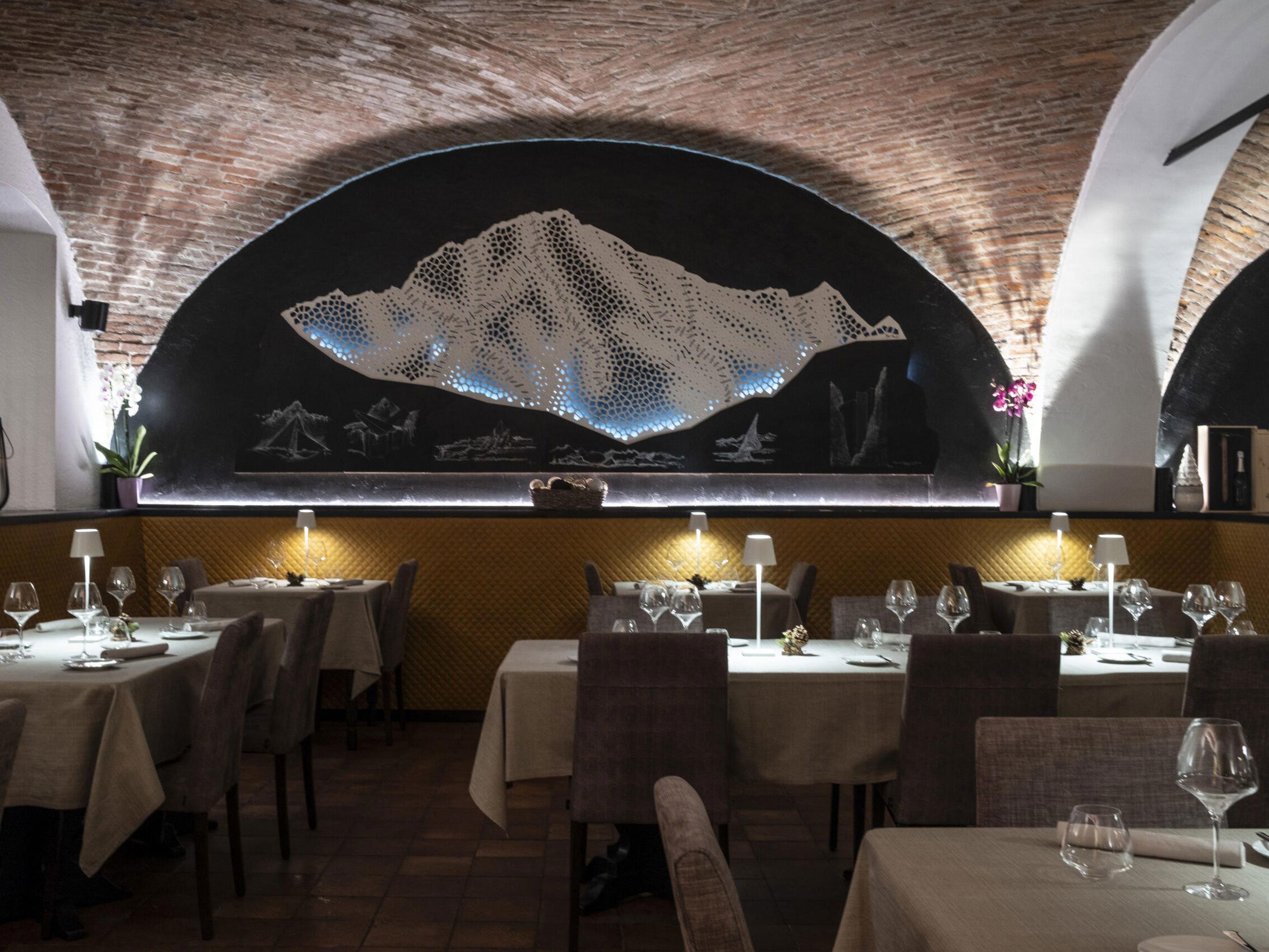
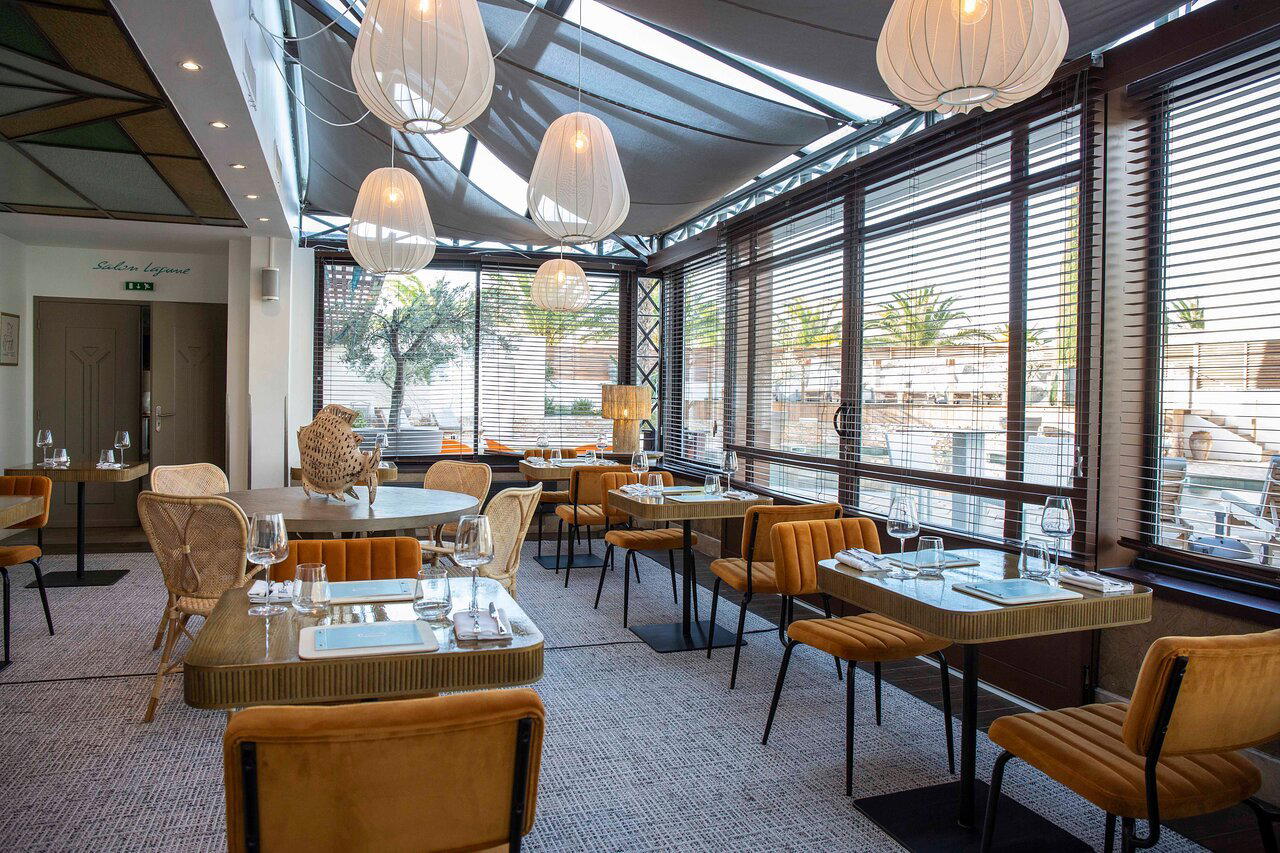
Food extends the same argument. The property includes La Coopérative, described as a gourmet restaurant, and Cargol’21, a summer barbecue restaurant. The split matters because it gives the estate two registers for pairing: a more formal gastronomic table and a seasonal outdoor mode tied to grilling and warmer-weather service. Without naming dishes or cuvées, the structure is clear enough: wine is not treated as an accessory to lodging, and food is not treated as a generic hotel amenity. Both are part of a single Roussillon proposition.
How to read Riberach within a French wine itinerary
France has many wine estates with rooms, but fewer where the building itself carries this much production history. Riberach opened in its current hospitality form in 2006, after the cooperative had closed in 1995, and the renovation keeps the old cellar’s identity legible. That timeline is useful for travelers planning serious wine-country routes: this is not an inherited château model, nor a purely contemporary design hotel placed among vines. It is a conversion of a local agricultural institution into a small, quality-focused estate with lodging, spa, restaurants and tastings integrated on site.
The estate is also listed by the MICHELIN Guide, a trust signal that places it within a recognized hospitality frame even without a public roll call of medals or critic scores. Its appeal is strongest for travelers who want the Roussillon chapter of French wine to feel specific: Catalan-influenced, Mediterranean, architectural, organic in stated philosophy and less polished than the grander appellation circuits. Those mapping a broader wine route can pair the Bélesta lens with nearby and wider French references such as Clot de l’Oum, Abbaye de Fontfroide in Narbonne, Abbotts & Delaunay in Marseillette, Advini in Saint Felix De Lodez, Alain Brumont in Castelnau Riviere Basse, Alain Gras in Saint-Romain, A. Margaine in Villers-Marmery and Agrapart & Fils in Avize.
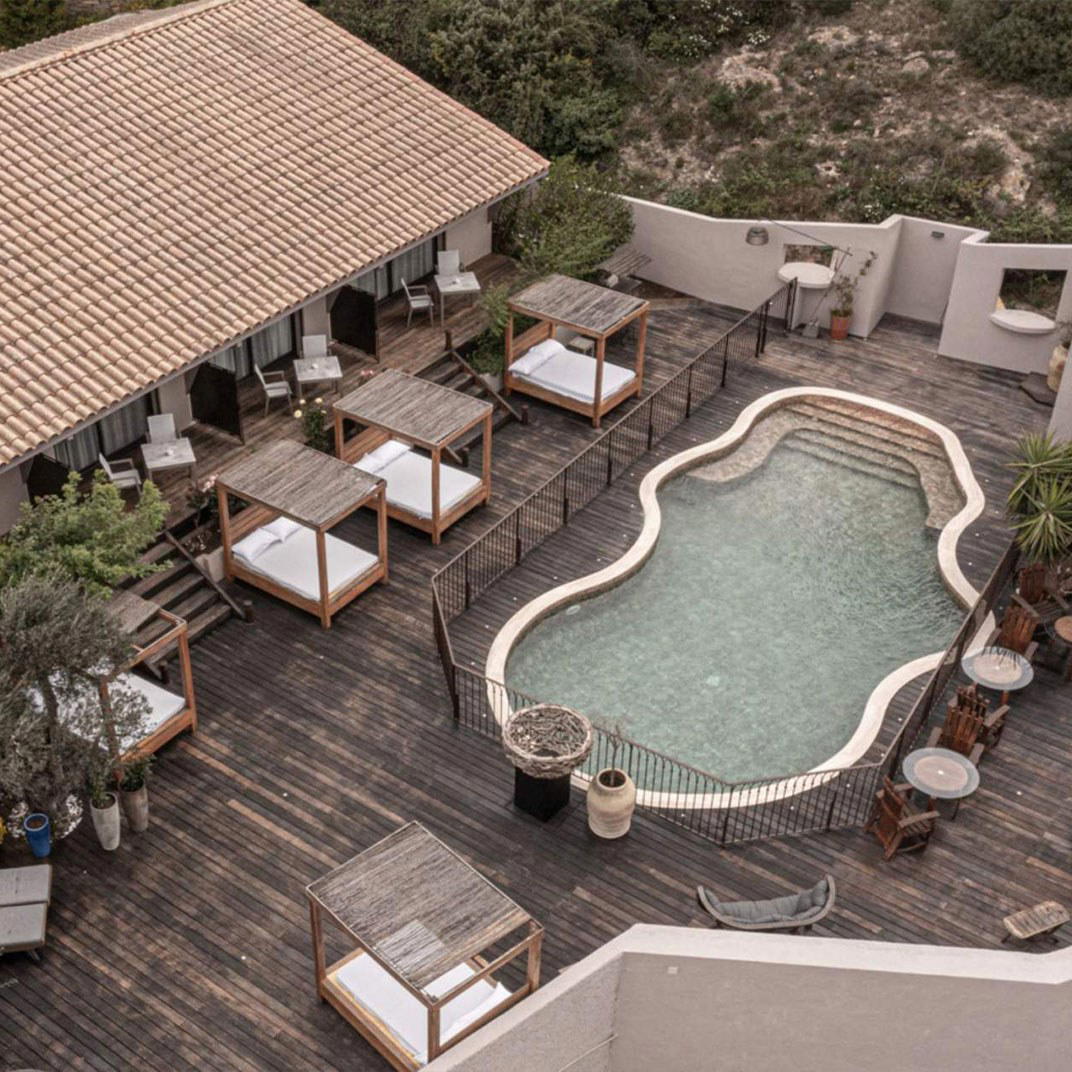
The practical character is calm rather than high-volume. Visits are by reservation, the capacity tier is small, the noise level is quiet, and the experience works for wine education, celebrations, family stays, group outings and corporate events when the rural pace is the point. Accessibility and on-site parking broaden the audience, while outdoor seating and dog-friendly policy make the estate more flexible than its polished design might suggest. For readers building a wider European winery file beyond France, »der Steiner« Hans Steiner in Podersdorf am See and & Handwein in Mannheim offer further contrasts in how small producers connect wine, place and hospitality.
Recognition history
Dated appearances from independent guides and award organizations, with the underlying list record or original source where available.
Falstaff Winery - 2 Stars
Falstaff
Continue exploring
More in Bélesta
Wineries in Bélesta
Browse all →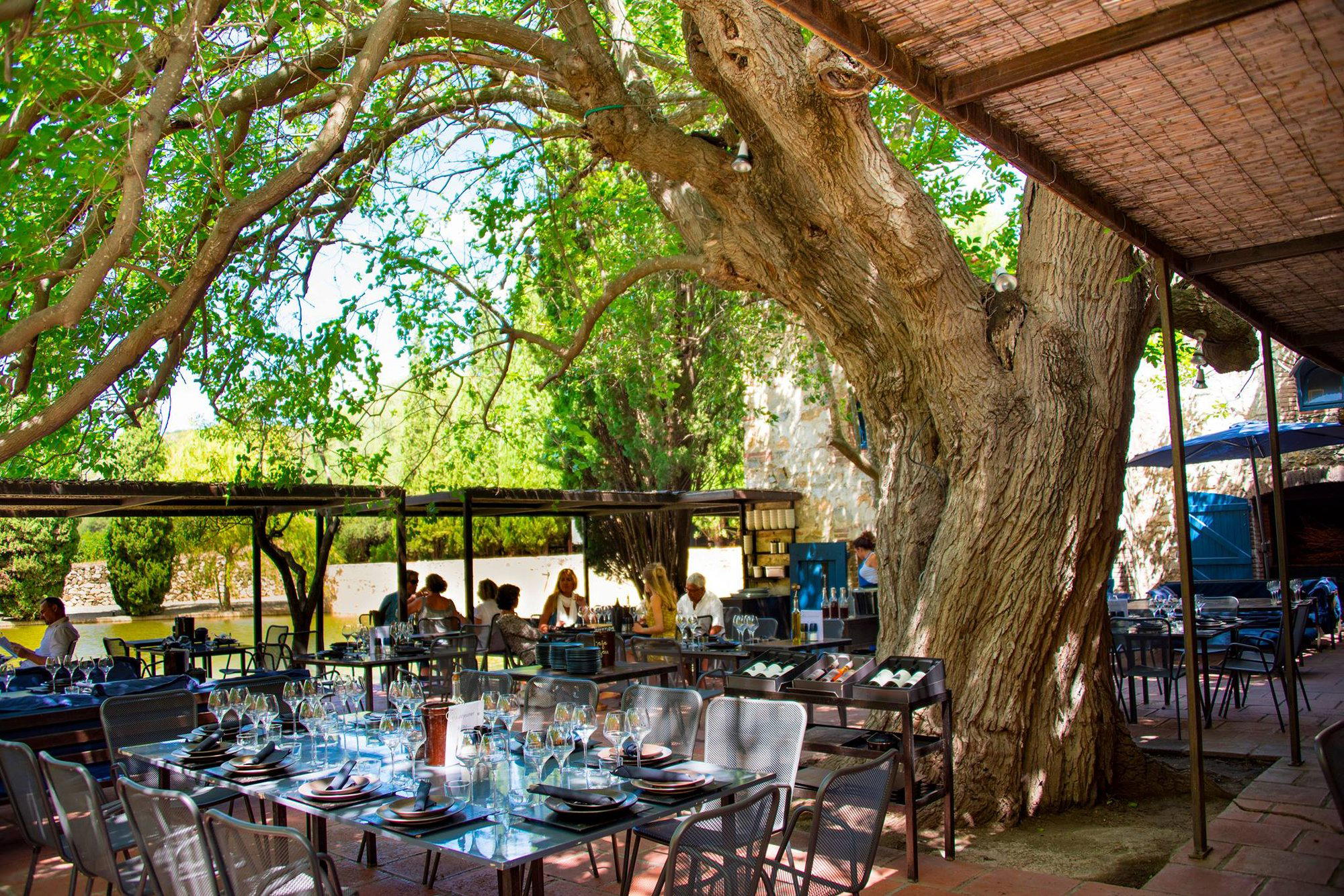
Bars in Bélesta
Browse all →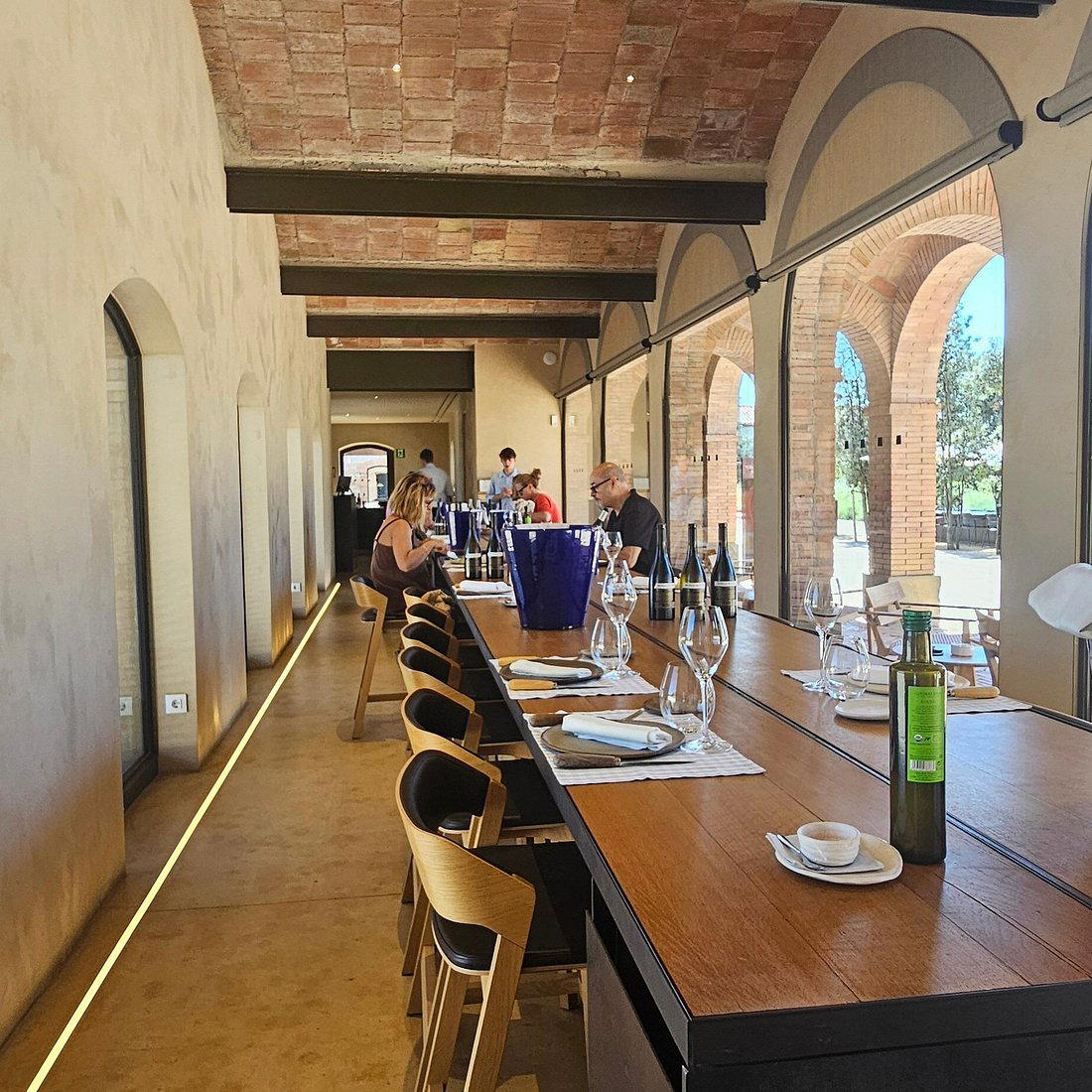
Restaurants in Bélesta
Browse all →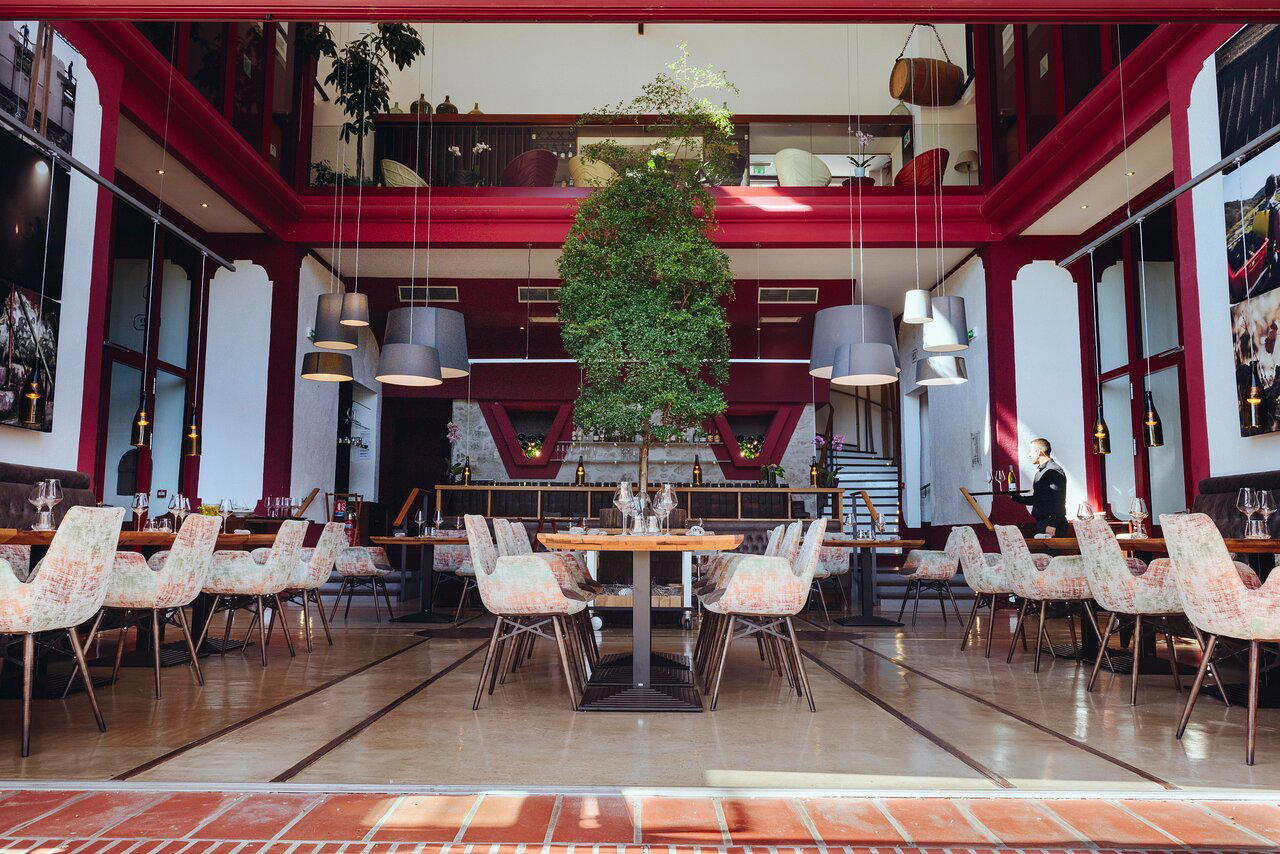
At a Glance
- Scenic
- Elegant
- Rustic
- Industrial
- Modern
- Intimate
- Sophisticated
- Romantic Getaway
- Group Outing
- Celebration
- Solo Exploration
- Wine Education
- Special Occasion
- Family
- Corporate Event
- Estate Grounds
- Vineyard Tour
- Historic Building
- Design Destination
- Private Tasting
- Panoramic View
- Organic
- Sustainable
- Vineyard
- Garden
- Mountain
- Roussillon
- Grenache Blanc
- Carignan
- Macabeu
- Grenache
- Syrah
- Still Red
- Still White
- Still Rosé
- Sparkling
- Estate Tasting
- Cellar Tour With Tasting
- Vineyard Walk With Tasting
- 4x4 Vineyard Tour With Tasting
- Food Pairing Tasting
A striking blend of historic winery architecture and contemporary design, with raw concrete vats, modernist furniture and articulated lamps creating a serene, minimalist atmosphere that emphasizes slow life amid vineyards and Mediterranean vegetation.