Poggio Amorelli

Falstaff Winery - Listed
Poggio Amorelli is a hilltop Chianti Classico estate near Castellina in Chianti, shaped around cellar interpretation, terrace tasting, and a portfolio that reaches beyond Sangiovese into Vermentino, Vin Santo, grappa, olive oil, and balsamic vinegar. The experience is strongest for travelers who want Tuscan wine explained through place, agriculture, and the regional pantry rather than through trophy culture.

Pearl is the En Primeur Club membership app, where members save venues, book tables and use the concierge.
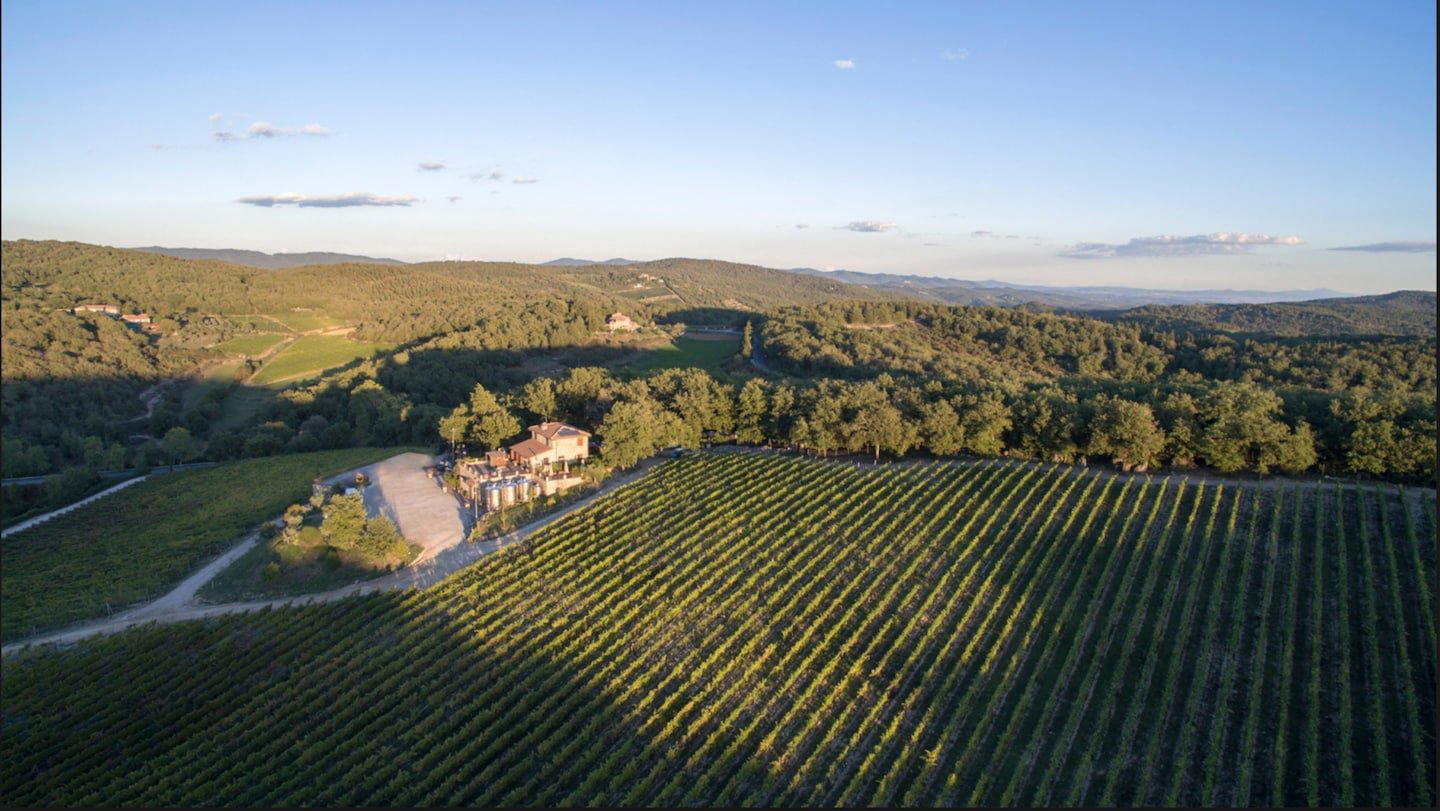
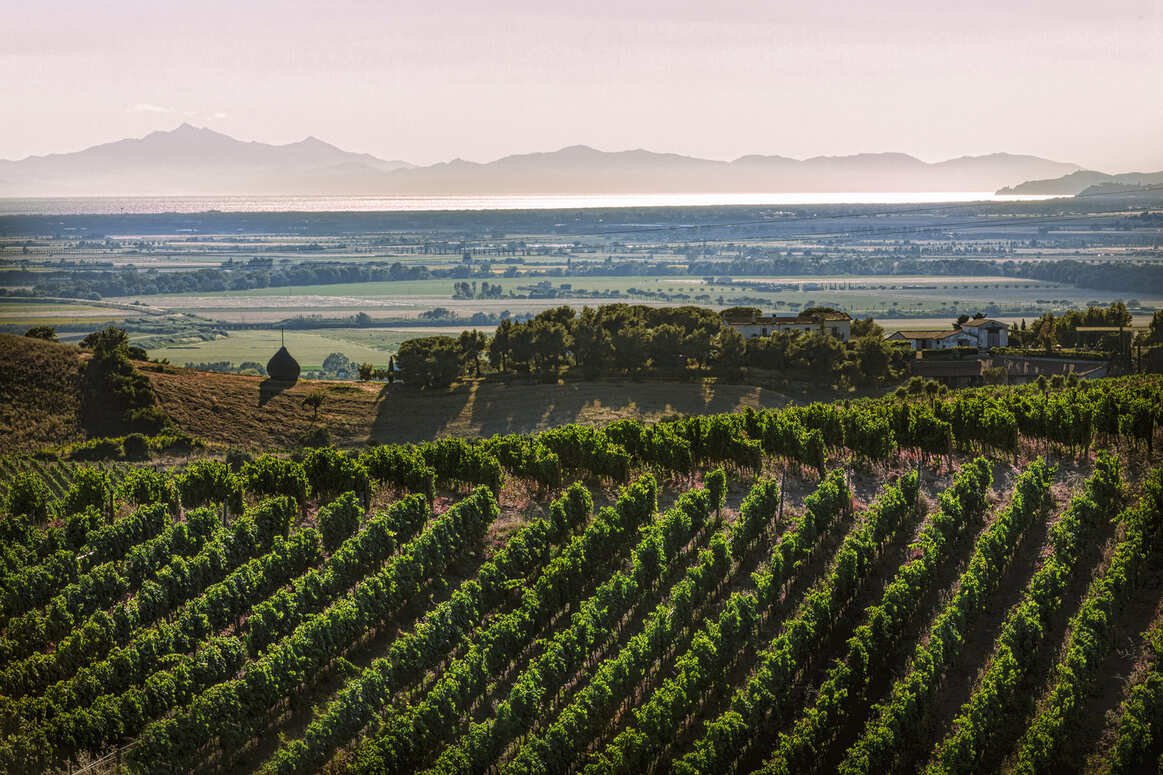
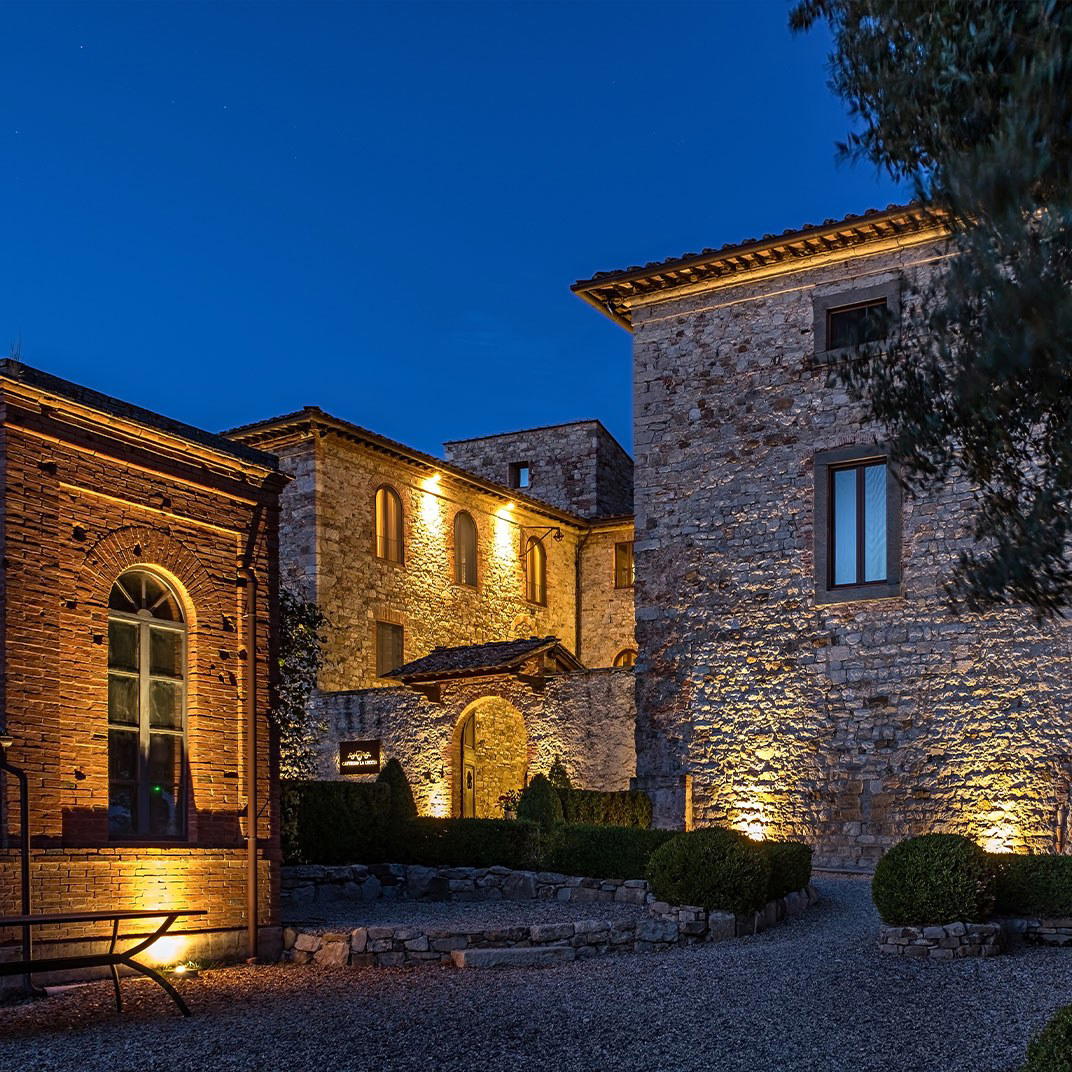
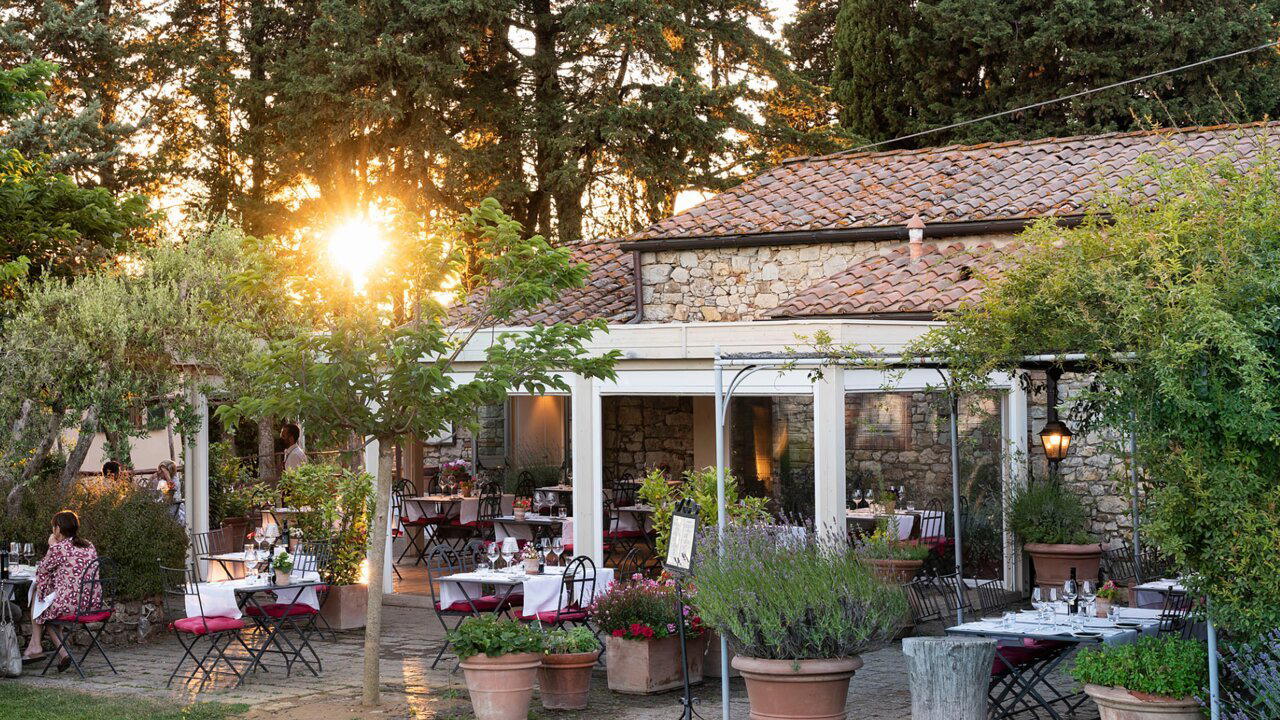
The approach to a Chianti Classico estate sets expectations before a glass is poured: vines, stone, quiet terraces, and wine read through terrain as much as technique. Poggio Amorelli belongs to that hilltop Tuscan format, where the cellar visit is orientation, not theatre. The point is to connect slope, harvest, cellar, and table, then let the region’s grammar, Sangiovese, olive oil, pecorino, cured meats, and vinegar, explain.
Chianti Classico tourism often splits in two: label-led visits built around collectible bottles and appellation prestige, and agricultural, hospitality-led visits built around the estate as a working Tuscan pantry. This address sits firmly in the second camp. Its tasting moves from cellar to terrace, pairing a six-wine flight with regional products rather than treating food as decoration. That matters in Castellina in Chianti, where a winery visit is often less about chasing scores than understanding how DOCG tradition works in daily life.
Chianti Classico through a wider Tuscan pantry
The estate’s center of gravity is Chianti Classico DOCG, but the portfolio reaches beyond one red-wine conversation. The tasting lineup includes Spumante Vermentino Extradry, Vermentino IGT from the family’s Maremma estate, Chianti DOCG, Chianti Classico DOCG, Chianti Classico Riserva DOCG, and Supertoscano Oracolo IGT. The arc is useful: coastal white and sparkling expressions first, appellation Sangiovese in the middle, then a freer IGT register.
This reads Tuscany in miniature. Chianti Classico carries historical weight: rules, territory, and Sangiovese’s long association with the hills around Castellina. Maremma adds a different climatic voice, closer to the sea and suited to varieties such as Vermentino. The Super Tuscan category signals the modern Tuscan habit of working outside stricter appellation frames when a producer wants another blend or expression. In one tasting, the estate shows tradition, coastal breadth, and contemporary IGT flexibility without asking visitors to decode a cellar list cold.
The food sharpens that reading. Salami, pecorino with balsamic vinegar, and bruschetta with extra virgin olive oil place the wines inside the Tuscan table rather than beside it. Olive oil and balsamic are not incidental; the family enterprise extends into extra virgin olive oil, grappa, Vin Santo, and balsamic vinegar made in Modena. That breadth gives the visit a more agrarian shape than a pour-only tasting, suiting travelers who want wine inside a wider craft and food culture.
Manual harvest, family scale, and the cellar-to-terrace format
The estate dates to 1997 and is associated with Marco Mazzarini, a Tuscan winemaker and agronomist, alongside the Mazzarini family. The point is not biography alone, but how family ownership and technical training meet in the glass and guest format. Production is in-house, from vine to bottle, with harvest between September and October and carried out by hand. Fruit selection before vinification places quality control early, where it matters in a region whose wines depend heavily on vintage rhythm and grape condition.
Chianti Classico estates often use the language of terroir, but the term has force only when tied to practice. Here, the signals are manual harvest, berry selection, estate-controlled production, and a portfolio that keeps the appellation visible while Maremma and Modena widen the agricultural map. The cellar visit gives that production language a physical frame; the terrace tasting shifts emphasis to place: vineyard view, regional food, and the quiet pace of a small-scale visit.
Recognition here is experiential rather than trophy-driven. A 4.8 guest rating across 17 reviews points to a hospitality reputation built around calm pacing, guided explanation, and the balsamic element’s appeal. That signal differs from a critic score or medal, but for wine tourism it is often more useful. It suggests the estate is judged not only by the bottle but by the coherence of cellar, glass, food, and setting in sequence.
The format suits families and mixed-knowledge groups. All ages are accommodated, the atmosphere is quiet, and the tour is offered in English and Italian. For visitors who know Chianti Classico, the interest is seeing how a family-run estate connects Sangiovese to a wider Tuscan and Emilian craft network. For newcomers, the advantage is clarity: the region is explained through easy categories, from sparkling and white wines through DOCG reds and a Super Tuscan expression.
How to place it within a Castellina in Chianti itinerary
Castellina in Chianti rewards slow routing. Winery visits work better as part of a day built around countryside roads, lunch pacing, and one or two serious tastings, not a hurried checklist. Poggio Amorelli fits that rhythm because its strongest material is interpretive: hilltop setting, cellar work, terrace hospitality, and regional food. It is stronger for travelers seeking context and conversation than for collectors focused on allocation signals or formal critic validation.
For area planning, think by category. Wine-focused travelers can map this stop alongside our full Castellina in Chianti wineries guide, while dining and lodging decisions sit better in our full Castellina in Chianti restaurants guide and our full Castellina in Chianti hotels guide. Evening planning is thinner in rural wine country than in larger cities, so our full Castellina in Chianti bars guide and our full Castellina in Chianti experiences guide work better as supporting tools than the trip’s spine.
Nearby winery research can widen through EP Club’s regional index, including Azienda Agricola Casavecchia alla Piazza, Azienda Agricola San Donatino, Belguardo, Casale dello Sparviero, and Casina di Cornia. For travelers comparing Italian and Central European winery formats beyond Tuscany, useful reference points include 3GP SRL in Treviso, 47 Anno Domini in Trebaseleghe, A Mano Wine in Noci, »der Steiner« Hans Steiner in Podersdorf am See, and & Handwein in Mannheim.
Recognition history
Dated appearances from independent guides and award organizations, with the underlying list record or original source where available.
Falstaff Winery - Listed
Falstaff
Continue exploring
More in Castellina in Chianti
Wineries in Castellina in Chianti
All wineries in Castellina in Chianti →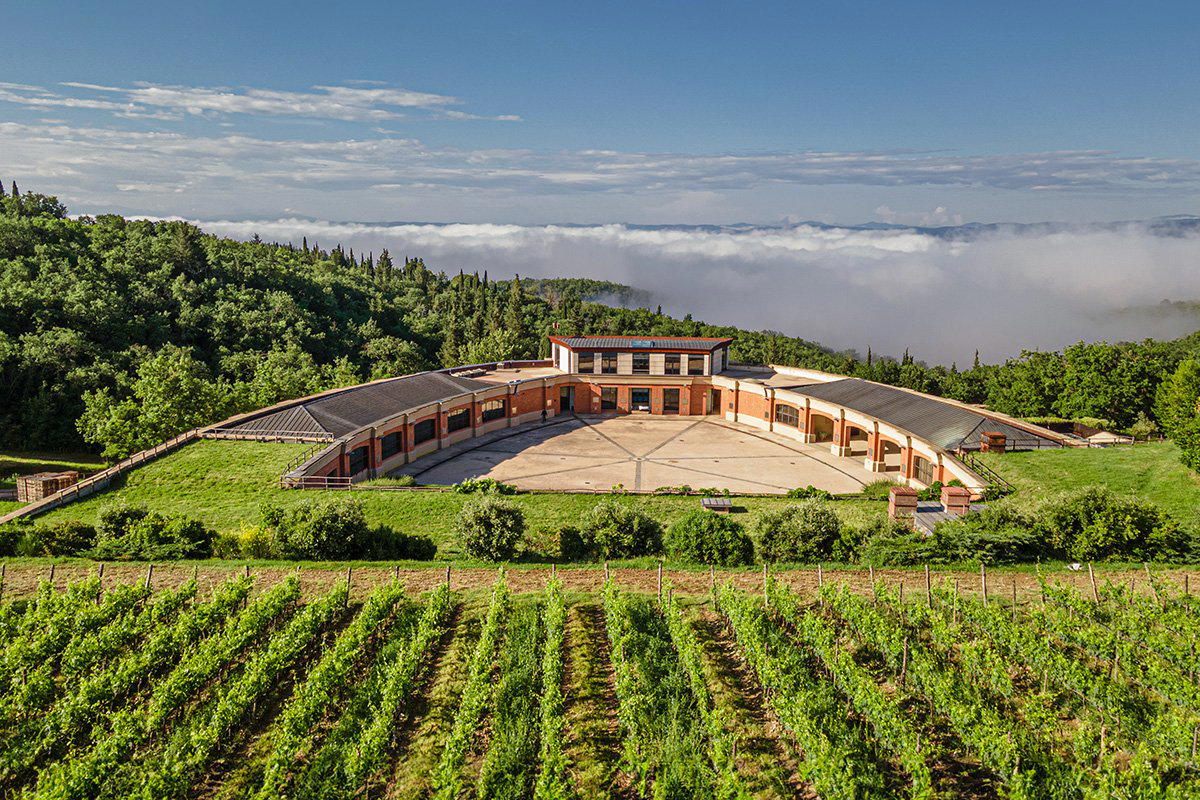
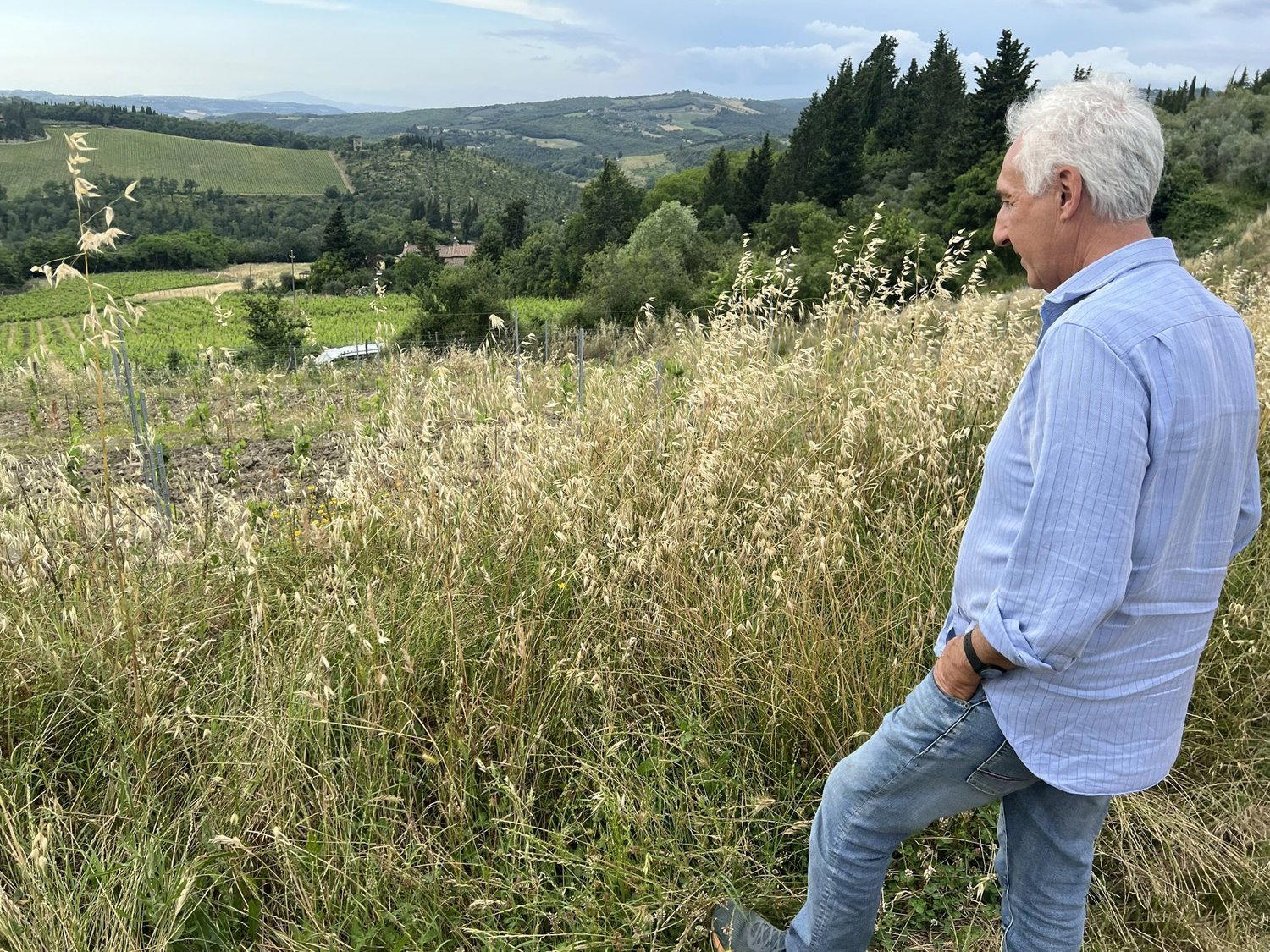
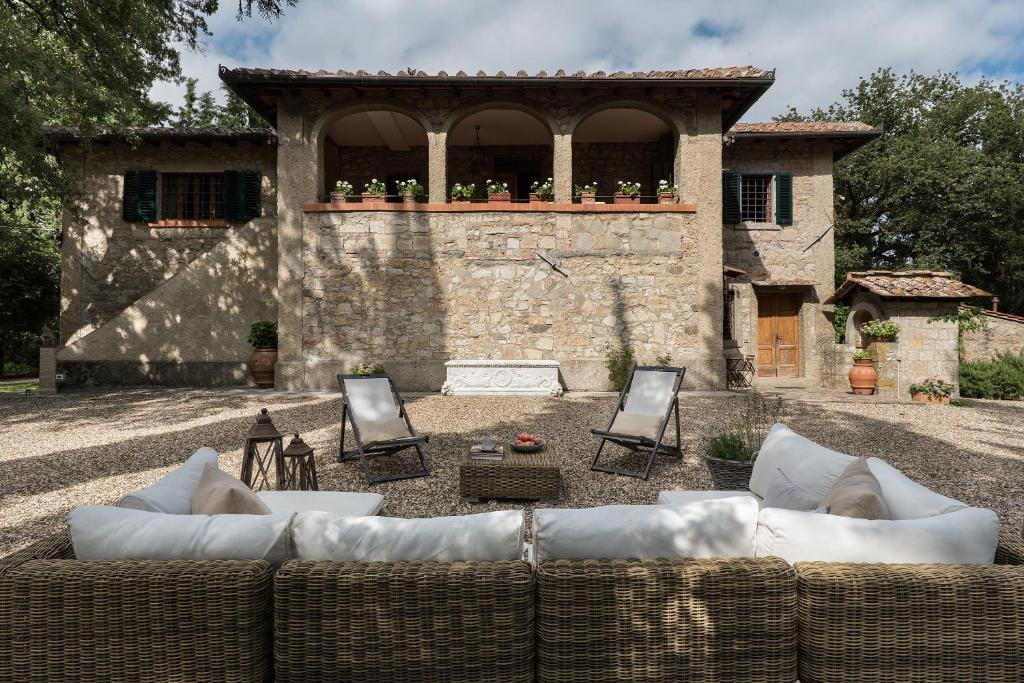
Restaurants in Castellina in Chianti
All restaurants in Castellina in Chianti →
Hotels in Castellina in Chianti
All hotels in Castellina in Chianti →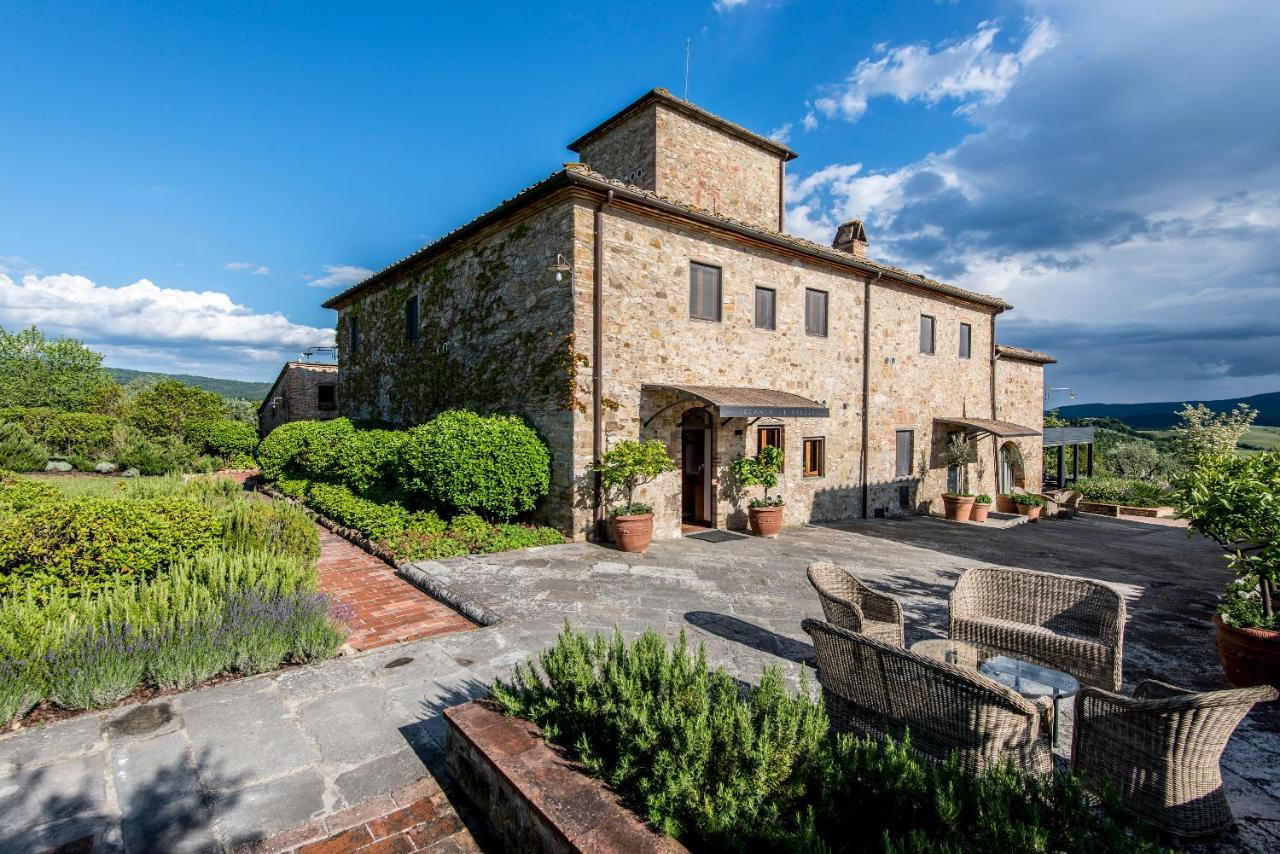
Details
- Scenic
- Quiet
- Rustic
- Intimate
- Wine Education
- Group Outing
- Special Occasion
- Solo Exploration
- Family
- Terrace
- Panoramic View
- Vineyard Tour
- Private Tasting
- Vineyard
- Vermentino
- Chianti
- Chianti Classico
- Sangiovese
- Super Tuscan
- Still Red
- Still White
- Sparkling
- Guided Tasting
- Wine And Food Pairing
- English
- Italiano
Warm, family-run, and serene, with a peaceful hilltop setting and an immersive cellar-to-terrace tasting experience; guest reviews emphasize a welcoming, authentic atmosphere.