Mas del Périé

Falstaff Winery - 1 Stars
Mas del Périé sits in Trespoux Rassiels as a Cahors AOC biodynamic estate shaped by high limestone, marl and the Lot valley’s upland exposure. The draw is not polished château theatre but a small-scale, education-led wine visit: Malbec at the centre, with Chenin Blanc, Cabernet Franc, Tannat, Syrah and Viognier widening the conversation around place.

Pearl is the En Primeur Club membership app, where members save venues, book tables and use the concierge.
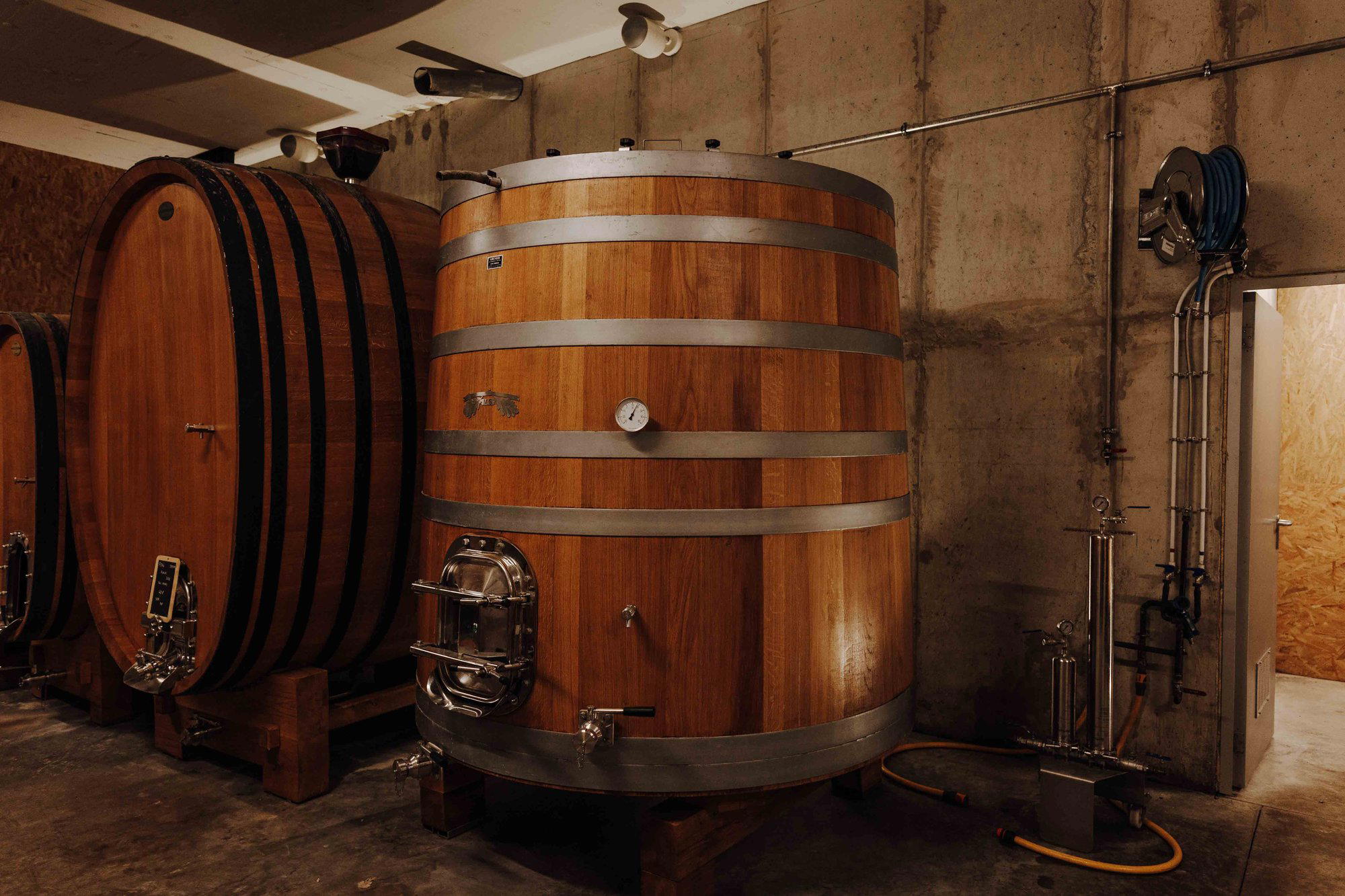
Approach Mas del Périé in Trespoux Rassiels as a contemporary biodynamic estate on the high limestone plateau of Cahors. The draw is the setting: rural, scenic and natural, with tastings framed around terroir expression rather than formality. This is the kind of visit to read through place first. The landscape, the limestone context and the estate’s biodynamic identity are not side notes; they are the main lens through which the experience makes sense.
Limestone Cahors, read through biodynamic farming
Mas del Périé is best understood through its place on the Cahors plateau. The available details point to a biodynamic estate in a limestone setting, where the landscape is part of the experience rather than background decoration. That matters because the venue is not presented primarily as a polished tasting room or a prestige stop, but as an estate whose appeal comes from being closely tied to its rural surroundings. The high plateau context gives the visit a clear sense of position: this is Cahors experienced from a natural, open, limestone-framed setting.
The tone is informal, cozy and interactive. Rather than building the visit around ceremony or prestige language, Mas del Périé is presented as a hidden-gem estate where the emphasis is on how the site comes through in the tasting. That framing suits visitors who are more interested in listening, asking and noticing than in moving through a rigid scripted format. The estate’s contemporary biodynamic character gives the visit a focused identity, while the rural setting keeps it grounded and unforced.
Because the description centers on terroir expression, the most useful way to think about Mas del Périé is not as a generic wine stop, but as a place where farming approach, limestone plateau and Cahors identity are meant to be understood together. The experience is scenic without being described as showy, natural without being framed as remote, and cozy without losing the liveliness of an interactive tasting. Those qualities make the estate feel personal in scale, even when the subject matter is the wider landscape around it.
A tasting format built for questions, not ceremony
The clearest hospitality note is the feel of the tasting: informal, interactive and focused on terroir expression. That makes Mas del Périé a strong fit for visitors who want a rural Cahors estate experience with room for conversation. The important point is the lack of stiffness. The tasting is not described as a performance of luxury or as a formal lesson, but as a chance to connect the wines back to the estate’s place and way of working.
Estate’s contemporary biodynamic identity is central to how it is presented. In practical terms, that means visitors should arrive expecting the farming philosophy and the character of the site to be part of the conversation. The biodynamic element is not an accessory in the description; it is part of the estate’s modern profile and part of what distinguishes the visit. Still, the tone remains approachable. The venue is presented as contemporary and biodynamic, but also rustic, cozy and lively, which keeps the experience from feeling abstract or overly technical.
Setting also shapes expectations. The experience is described as rustic, scenic, cozy and lively, with the character of a rural estate rather than a formal urban tasting room. That distinction is useful when deciding whether Mas del Périé is the right fit. Visitors looking for a highly polished, city-style tasting may find the emphasis here too rooted in landscape and conversation. Visitors who want a natural estate setting, a sense of the Cahors plateau and an informal exchange around terroir are much closer to the spirit of the place.
The interactive side also suggests a tasting that rewards attention. Rather than treating the visit as a quick stop, it makes sense to leave mental space for discussion and observation: the limestone setting, the biodynamic identity, the rural feel and the hidden-gem character all work together. Nothing in the description points to spectacle. The appeal is quieter and more specific: a contemporary estate where the conversation is anchored by place.
How to place it in a Trespoux Rassiels itinerary
For travellers building an estate-led day around Trespoux Rassiels, Mas del Périé makes the most sense when the priority is a biodynamic Cahors estate in a natural limestone-plateau setting. The listed price is $20 per person. That price note helps position the visit clearly, but the main reason to include it is the style of experience: rural, scenic, informal and shaped by terroir rather than ceremony.
Use Mas del Périé as the anchor, then plan the rest of the day around Trespoux Rassiels and the surrounding Cahors area. If comparing options, keep the comparison local and practical: Mas del Périé is the specific venue here, while other dining or travel stops in Trespoux Rassiels should be considered generically unless confirmed separately. The estate works well as a defined focal point in the itinerary, especially for travellers who want the day to have a strong wine-estate identity rather than a scattered checklist feel.
For a broader itinerary, compare the style of experience rather than inventing exact matches: Mas del Périé is presented as a rural, contemporary biodynamic estate with informal tastings centered on terroir expression. In that sense, it is most useful to pair it conceptually with other quiet, place-led experiences rather than with anything that would shift the day toward formality for its own sake. The reason to go is clear: a scenic limestone Cahors setting, a biodynamic estate identity and a tasting atmosphere built around conversation, comfort and the expression of place.
Recognition history
Dated appearances from independent guides and award organizations, with the underlying list record or original source where available.
Falstaff Winery - 1 Stars
Falstaff
Continue exploring
More in Trespoux Rassiels
Wineries in Trespoux Rassiels
All wineries in Trespoux Rassiels →
Restaurants in Trespoux Rassiels
Browse all →
Hotels in Trespoux Rassiels
Browse all →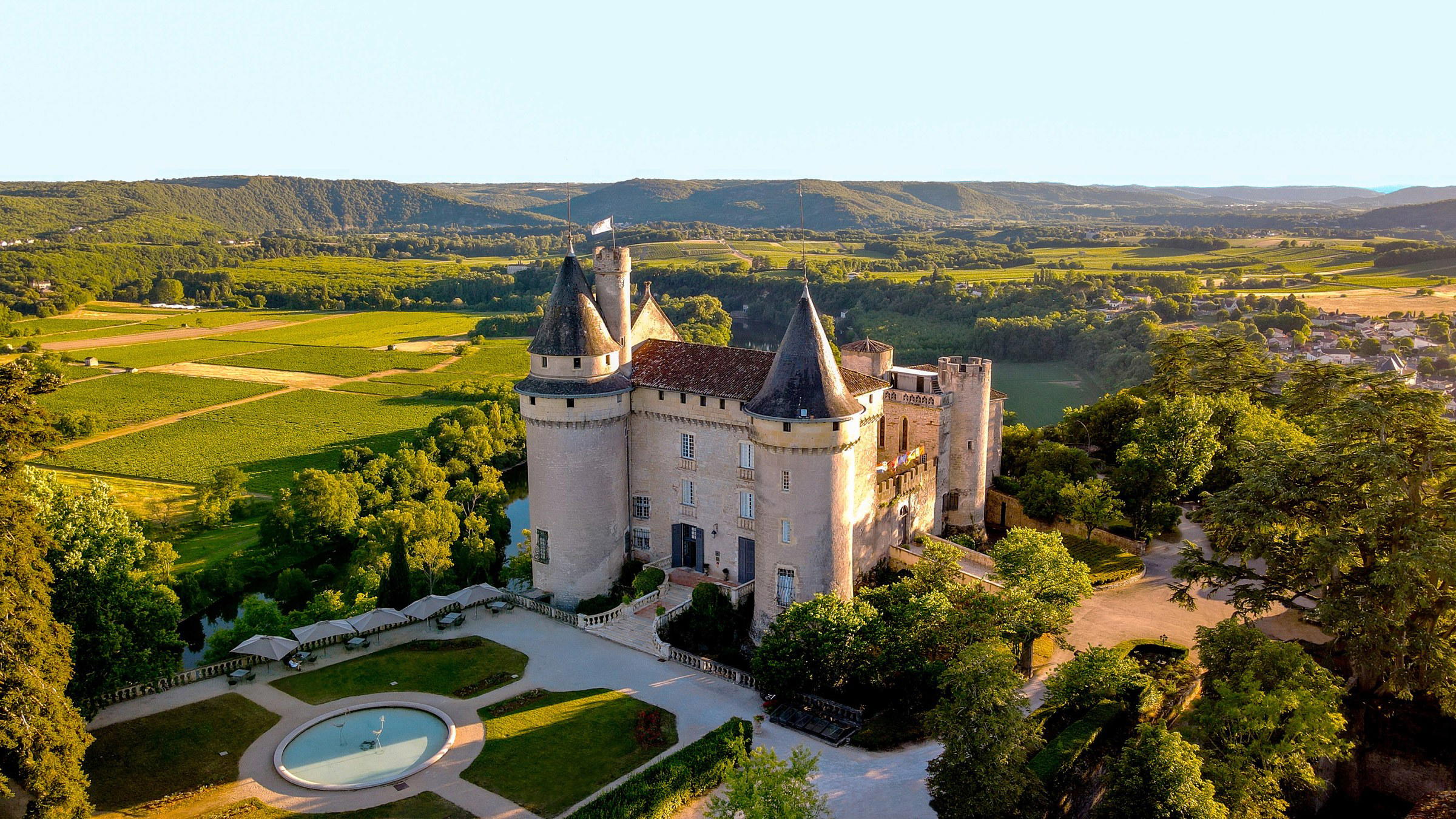
Details
- Rustic
- Scenic
- Cozy
- Lively
- Group Outing
- Family
- Wine Education
- Celebration
- Romantic Getaway
- Biodynamic
- Organic
- Sustainable
- Vineyard
- Mountain
- Malbec
- Chenin Blanc
- Cabernet Franc
- Tannat
- Syrah
- Viognier
- Still Red
- Still White
- Still Rosé
- Pet Nat
- Skin Contact
- Sparkling
- Estate Tasting
- Cellar Tour With Tasting
- Parent Child Polysensory Workshop
- Oenology Lessons
- French
- English
- Spanish
Contemporary biodynamic estate on the high limestone plateau of Cahors, with a natural, rural setting and informal, interactive tastings focused on terroir expression.