Mas Coris

Falstaff Winery - Listed
Mas Coris is a small organic Languedoc domaine near Castelnau-le-Lez, shaped by schist slopes, garrigue, and the Pic de Vissou rather than cellar-door gloss. Its draw is terroir-first wine: Clairette du Languedoc AOC, Languedoc AOC, and a compact range across red, rosé, white, and dessert styles from roughly five hectares of vines.

Pearl is the En Primeur Club membership app, where members save venues, book tables and use the concierge.

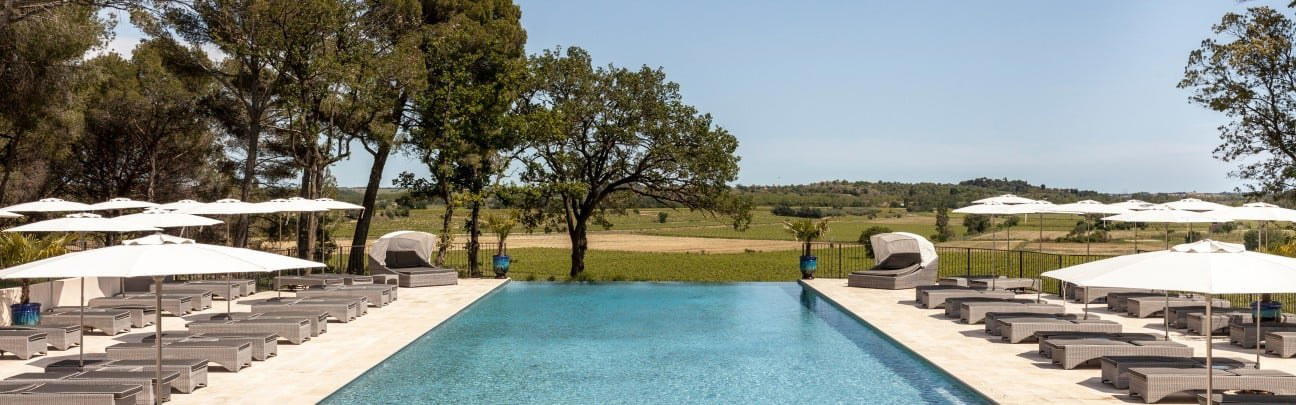
Mas Coris is best understood as a small organic Languedoc estate in Castelnau-le-Lez with a low-key, rural feel. The picture is not of a polished visitor-center experience, but of a quiet, scenic place where the appeal is tied to the land and to authentic, terroir-driven wines. Its character is therefore less about presentation and more about setting: a modest estate whose interest comes from the surrounding landscape, the organic orientation, and the sense that the wines are meant to speak closely to their place.
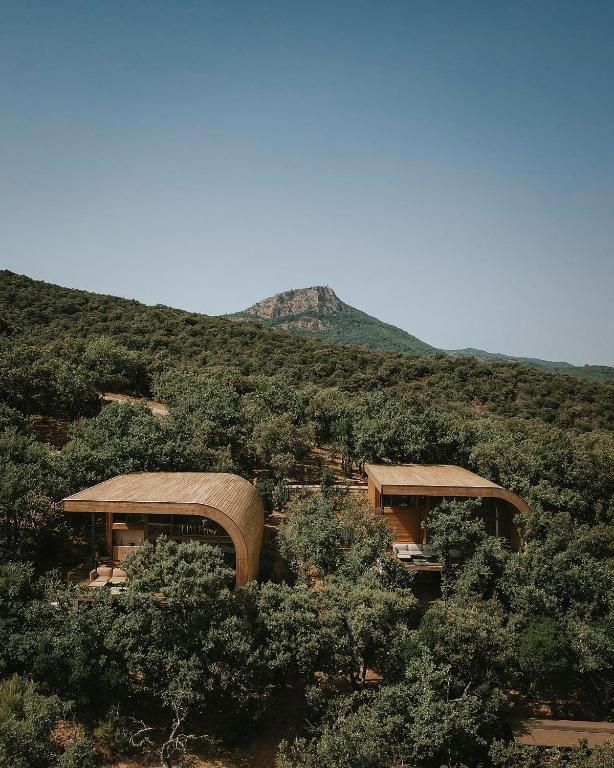
The estate’s identity is deliberately modest: rustic, hidden-gem in tone, and connected to the Languedoc landscape at the foot of the Pic de Vissou. For visitors comparing wine stops in and around Castelnau-le-Lez, the useful expectation is simplicity rather than spectacle. Mas Coris is the kind of address to approach with a slower rhythm, looking for atmosphere, context, and authenticity rather than a highly produced hospitality format.
Terroir-driven Languedoc character gives the estate its point of view
The clearest reason to pay attention to Mas Coris is its emphasis on place. The estate is described as organic, small in scale, and focused on wines that feel authentic to their Languedoc setting. Rather than relying on a highly polished hospitality frame, its appeal comes from a rural atmosphere and a sense of direct connection to the surrounding landscape. In that sense, the estate’s point of view is easy to understand: the land is not just a backdrop, but the main reason to be interested.
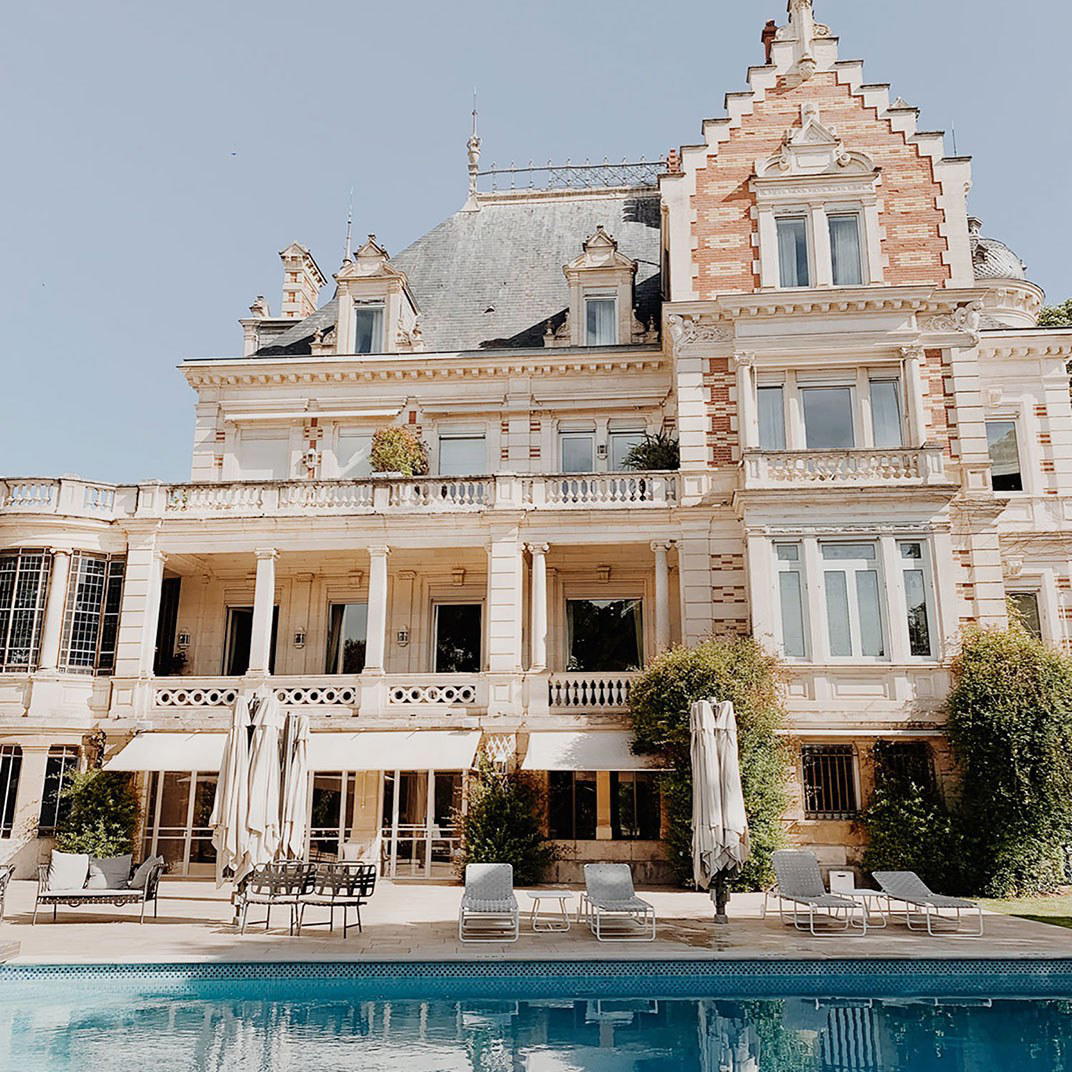
That makes Mas Coris a better fit for guests who value quiet, scenic wine experiences over grand architecture or a heavily staged tasting environment. The details point to a restrained, place-led estate rather than a venue defined by luxury amenities or a broad public-facing program. Visitors looking for a sense of Languedoc character may find that restraint part of the appeal, because it keeps the focus on the countryside, the organic estate identity, and the idea of wines shaped by their immediate environment.
This also means expectations should be practical and grounded. Mas Coris is not presented as a destination built around extensive visitor infrastructure, so the value of the stop lies in its intimacy and rural tone. It belongs more naturally in an itinerary for people who enjoy smaller estates, understated settings, and wine experiences that feel close to the place where the wines are made.
Specific cuvées, grape varieties, production figures, and appellation claims should be confirmed directly with the estate before planning around them. That is especially important for anyone building a wine-focused day around particular bottles or styles, because the most reliable approach is to treat the broad identity as clear while checking the current details before visiting.
A low-key estate experience rather than a polished visitor center
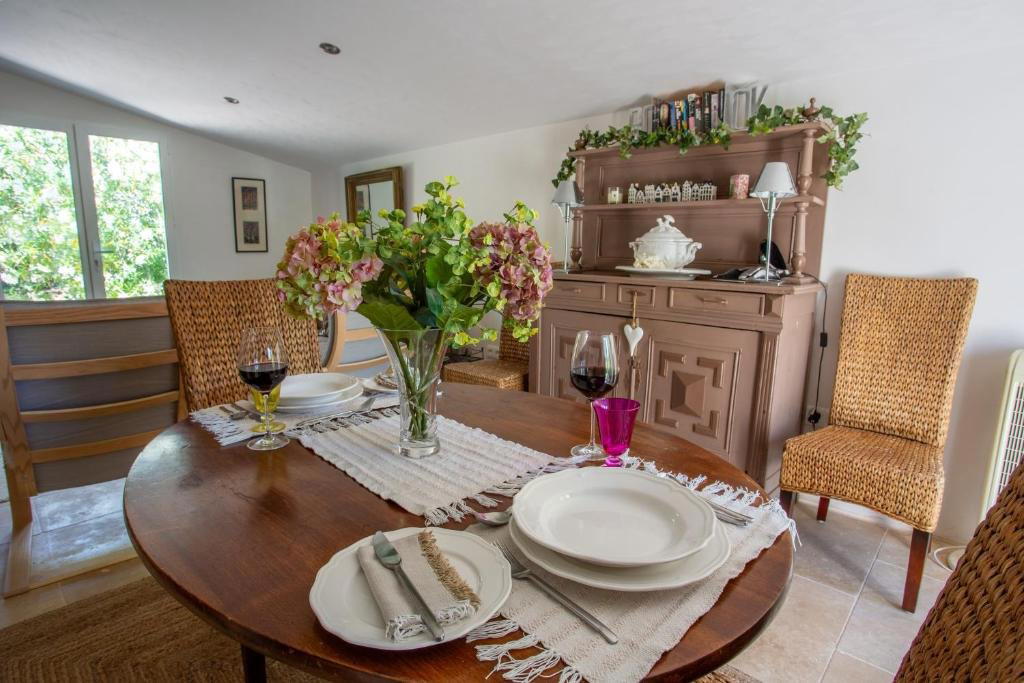
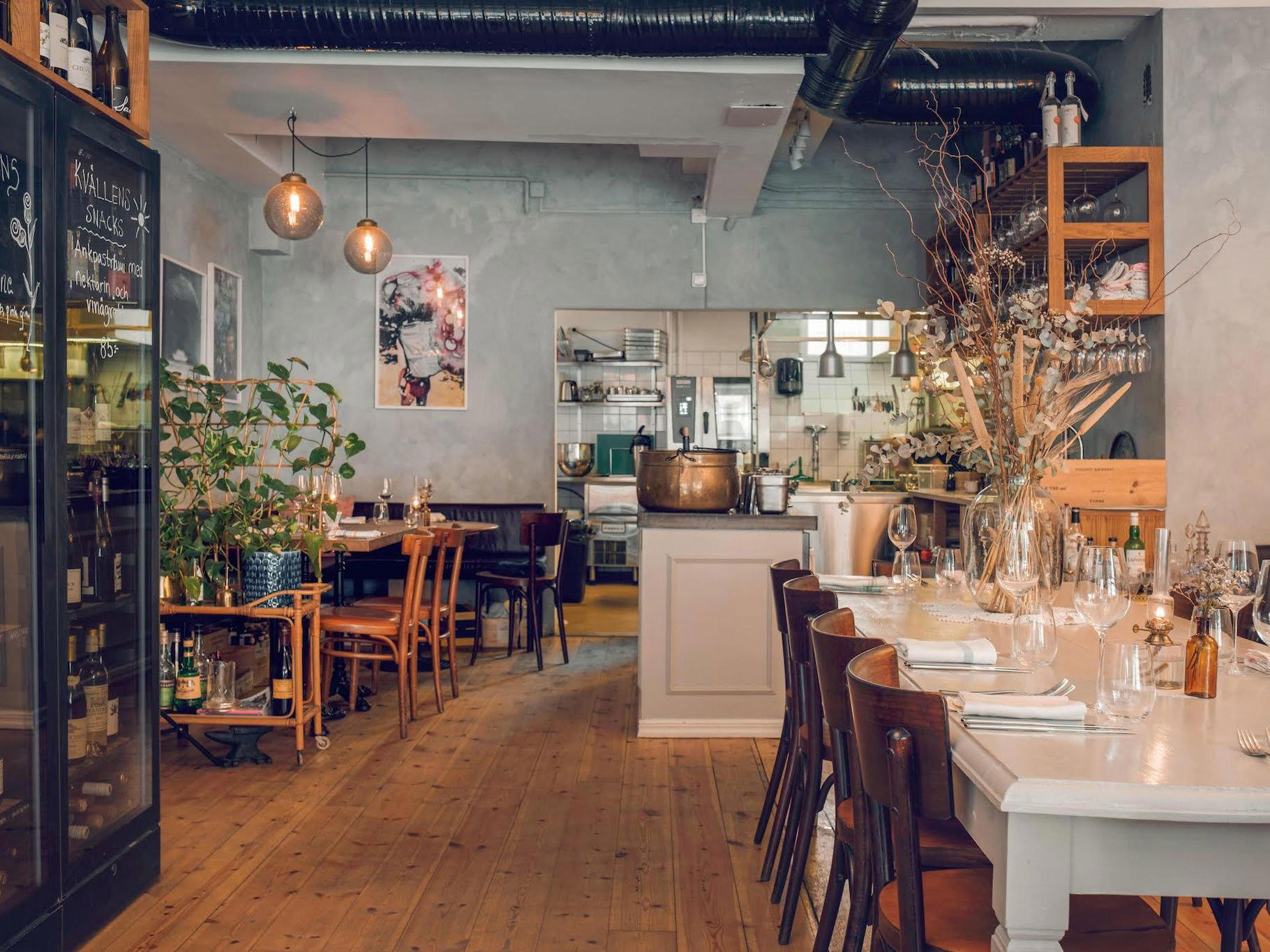
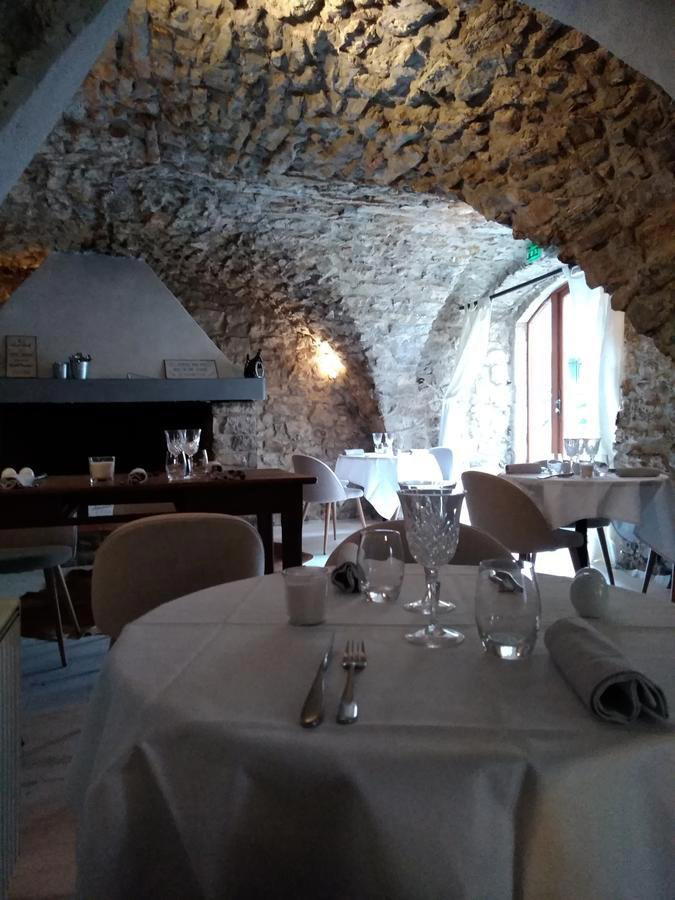
The atmosphere at Mas Coris is rustic, quiet, and rural. That is central to its identity. Visitors should expect the charm to come from the setting and from the estate’s organic Languedoc character, not from a high-design tasting room or a large-scale hospitality operation. The experience is better imagined as simple and landscape-led: the kind of place where the sense of being in the countryside matters as much as any formal structure around the visit.
This matters for planning. Anyone making a dedicated trip should check current visit details directly before going. Because the estate is framed as small and low-key, it is sensible to avoid assuming the kind of regularized, always-on visitor setup that larger or more commercial wine destinations sometimes provide. Confirming ahead allows the visit to match the reality of the estate rather than an expectation borrowed from a different style of venue.
What can be said with confidence is that Mas Coris is positioned as a small, scenic, hidden-gem estate with a focus on authentic wines. It is a grounded choice for travelers who want a quieter Languedoc wine stop in Castelnau-le-Lez. The appeal is not in excess or display, but in the combination of rural atmosphere, organic identity, and a sense of wines rooted in their landscape.
How to place Mas Coris in a Castelnau-le-Lez wine itinerary
Mas Coris makes sense as a terroir-focused stop in Castelnau-le-Lez: small, organic, rural, and set at the foot of the Pic de Vissou. Its appeal is not built on spectacle, but on the promise of a quieter Languedoc estate experience. In itinerary terms, it works well when treated as a slower, more contemplative stop rather than as a box to tick between busier plans. The setting and the estate’s modest tone are part of the reason to go.
For that reason, Mas Coris is likely to suit travelers who are deliberately seeking a more understated side of the local wine landscape. It can balance a day that might otherwise be built around restaurants, hotels, bars, or broader experiences in Castelnau-le-Lez, adding a rural and wine-focused pause to the itinerary. The key is to keep the planning flexible and the expectations aligned with a small estate rather than a polished destination complex.
Use the broader city guides to build the rest of the day around the visit: Our full Castelnau-le-Lez wineries guide, Our full Castelnau-le-Lez restaurants guide, Our full Castelnau-le-Lez hotels guide, Our full Castelnau-le-Lez bars guide, and Our full Castelnau-le-Lez experiences guide. For wider planning, compare Mas Coris with other dining, wine, and travel options generically, while confirming current details directly before making a special trip.
Recognition history
Dated appearances from independent guides and award organizations, with the underlying list record or original source where available.
Falstaff Winery - Listed
Falstaff
Continue exploring
More in Castelnau-le-Lez
Wineries in Castelnau-le-Lez
All wineries in Castelnau-le-Lez →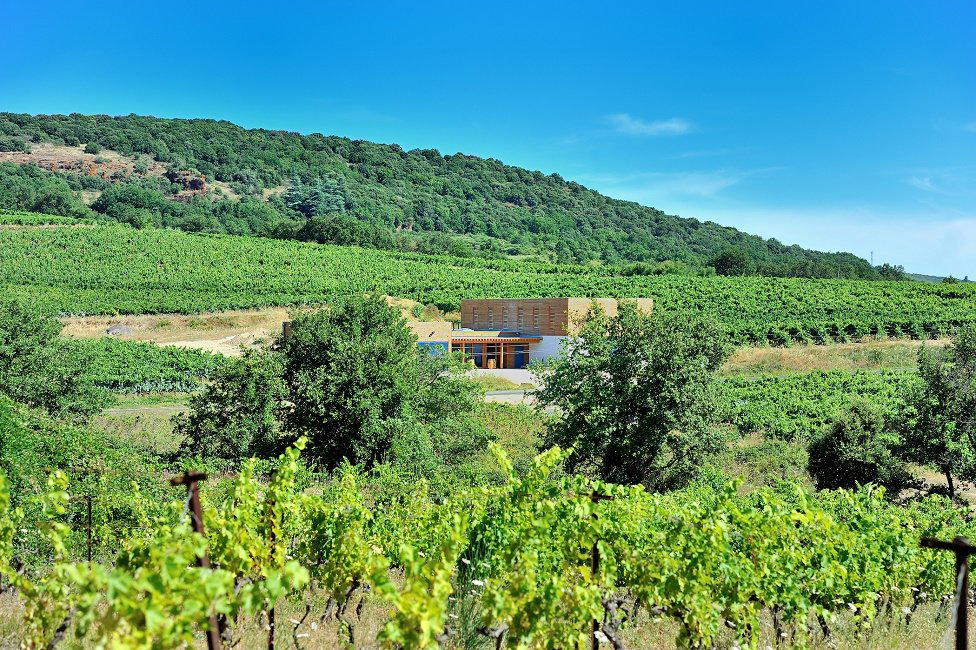
Restaurants in Castelnau-le-Lez
Browse all →
Details
- Rustic
- Scenic
- Quiet
- Solo Exploration
- Wine Education
- Group Outing
- Estate Grounds
- Vineyard Tour
- Private Tasting
- Organic
- Sustainable
- Vineyard
- Mountain
- Grenache
- Cinsault
- Syrah
- Vermentino
- Grenache Blanc
- Roussanne
- Viognier
- Clairette
- Still Red
- Still Rosé
- Still White
- Dessert
- Estate Tasting
- Guided Visit
- Group Tasting
- French
- English
Current opening hours
- Monday
- 2–6 PM
- Tuesday
- 10 AM–12:30 PM, 2–6:30 PM
- Wednesday
- 10 AM–12:30 PM, 2–6:30 PM
- Thursday
- 10 AM–12:30 PM, 2–6:30 PM
- Friday
- 10 AM–12:30 PM, 2–6:30 PM
- Saturday
- 10 AM–12:30 PM, 2–6:30 PM
- Sunday
- Closed
Hours can change for holidays and private events. Hours as of .
Small organic Languedoc estate with a low-key, rural feel at the foot of the Pic de Vissou, emphasizing terroir-driven, authentic wines rather than a polished visitor center experience.