Marchesi Antinori

Falstaff Winery - 5 Stars
Marchesi Antinori turns Chianti Classico into an architectural and viticultural statement: a hillside winery in San Casciano in Val di Pesa where Sangiovese, gravity-flow production, art spaces, and terrace views form a single visitor experience. The draw is not only Antinori heritage, which reaches back to 1385, but the way the 2012 winery makes landscape, cellar design, and tasting format read as one argument.

Pearl is the En Primeur Club membership app — saves, bookings, and concierge access live there. Same editors, same standards.

Approaching the Antinori winery in San Casciano in Val di Pesa, the first impression is less villa than incision: two long horizontal cuts in the Tuscan hillside, terraces opening over vines, and a building designed to recede rather than announce itself. That matters in Chianti Classico, where too much wine tourism still leans on postcard rusticity. Here, the contemporary architecture is not decoration around the wine; it is part of the production logic, with gravity-flow cellars embedded into the slope and a visitor route that makes the land legible before the glass is poured.
Marchesi Antinori belongs to the destination-winery tier, a category where the cellar, museum, restaurant, art program, and vineyard view are expected to carry as much weight as the tasting flight. The family history gives the site its authority: Antinori traces its wine activity to 1385, and the modern winery opened in 2012 as the first new winery for the family in 26 generations. In 2022, Antinori nel Chianti Classico took first place in the World’s Best Vineyards ranking, a useful signal because that award measures wine tourism as a total experience rather than bottle prestige alone.
Chianti Classico seen through architecture, not nostalgia
The strongest idea here is terroir made spatial. Chianti Classico is Sangiovese country, but the winery does more than repeat the regional script. Its vineyards include Sangiovese alongside Canaiolo, Ciliegiolo, Colorino, Malvasia Nera, and Mammolo, with a smaller planting of Cabernet Sauvignon and Cabernet Franc. That mix tells a clear story: indigenous Tuscan varieties remain the anchor, while international grapes appear as a secondary note rather than a new identity.
The building reinforces that hierarchy. Gravity-flow vinification uses the site’s levels to move fruit and wine with less mechanical intervention, while the cellar’s buried position helps maintain production and aging conditions through natural elements. In a region often framed through stone farmhouses and cypress-lined drives, this is a more modern claim: the landscape is not merely a view from the terrace, but an operational tool. The spiral circulation through the winery, the underground cellar, and the glass tasting room suspended above barrels turn process into interpretation without reducing it to theatre.
Portfolio logic follows the same regional line. Pèppoli Chianti Classico DOCG, Villa Antinori Chianti Classico Riserva DOCG, and Vinsanto Marchese Antinori/Vinsanto del Chianti Classico DOC show the range in compact form: everyday territorial expression, a Riserva tier, and the sweet-wine tradition that keeps the visit from being only about red-wine power. Villa Antinori Chianti Classico Riserva is identified as the signature wine, which places the emphasis firmly inside the DOCG frame rather than on an international-style flagship.
A winery visit built as culture as much as tasting
Guided formats make the property work for different levels of wine interest. The Tinaia Tour introduces family history, architecture, and winemaking before a tasting of three wines representing the family’s estates. The Bottaia Tour is framed for deeper engagement, linking enology, architecture, and more than six centuries of Antinori history. Both formats point to the same editorial conclusion: the visit is structured less like a casual counter tasting and more like a curated explanation of how a powerful Tuscan wine family wants Chianti Classico to be read in the present.
That cultural layer is not incidental. The Antinori Art Project, founded with the winery in 2012, brings contemporary exhibitions, installations, commissions, and seminars into the property, while Accademia Antinori connects the family’s collecting and preservation work to Tuscan traditions and wine culture. For travelers who tend to tire of cellar tours after the third stainless-steel tank, this gives the site a broader rhythm: vineyard, production, art, dining, then glass.
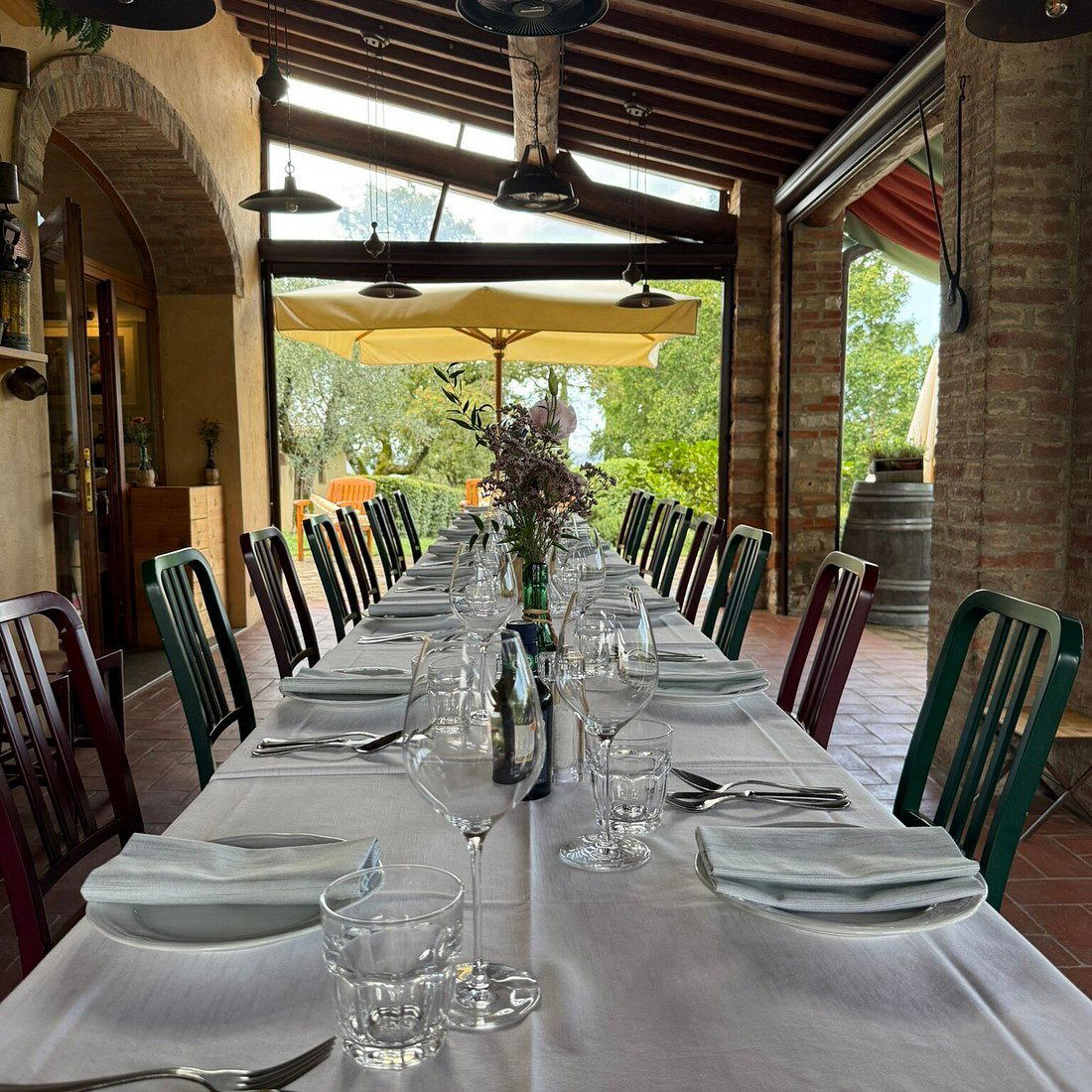
Rinuccio 1180 adds the food component, with a local-produce-driven restaurant positioned within the same architecture-and-wine frame. The point is pairing context rather than chef-led spectacle. In Chianti Classico, lunch at a winery can easily become an afterthought; here it is part of the estate’s controlled hospitality ecosystem, making the property more suitable for a half-day itinerary than a quick stop between towns.
How to place it in a San Casciano wine itinerary
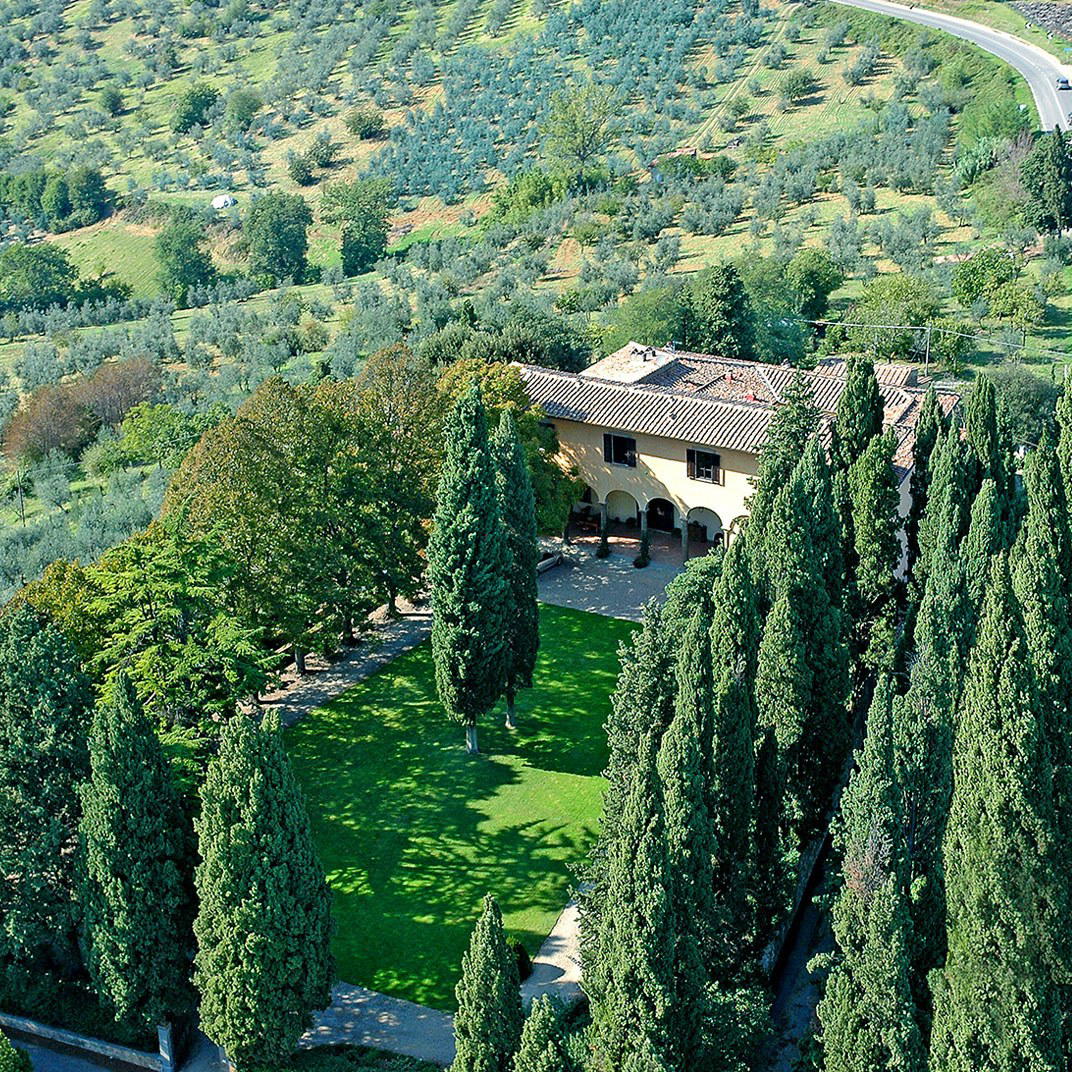
San Casciano in Val di Pesa is a useful base for understanding the northern edge of Chianti Classico, close enough to Florence for day-trip pressure yet rural enough for estate visits to feel anchored in vineyard country. Marchesi Antinori makes sense when the goal is a high-production, high-design interpretation of Tuscan wine culture rather than a small-farm cellar encounter. Its scale is part of the argument: this is a flagship estate with major group output behind it, but the visitor experience is designed to explain how scale, heritage, and place can coexist without pretending to be a tiny family shed.
The practical reading is simple. Choose it for architecture, Chianti Classico context, art programming, and a polished introduction to Antinori’s estate universe. Choose a smaller cellar elsewhere if the priority is meeting a grower across a barrel or chasing micro-production detail. For broader planning around the area, EP Club’s San Casciano coverage includes the full San Casciano in Val di Pesa wineries guide, plus city guides for restaurants, hotels, bars, and experiences.
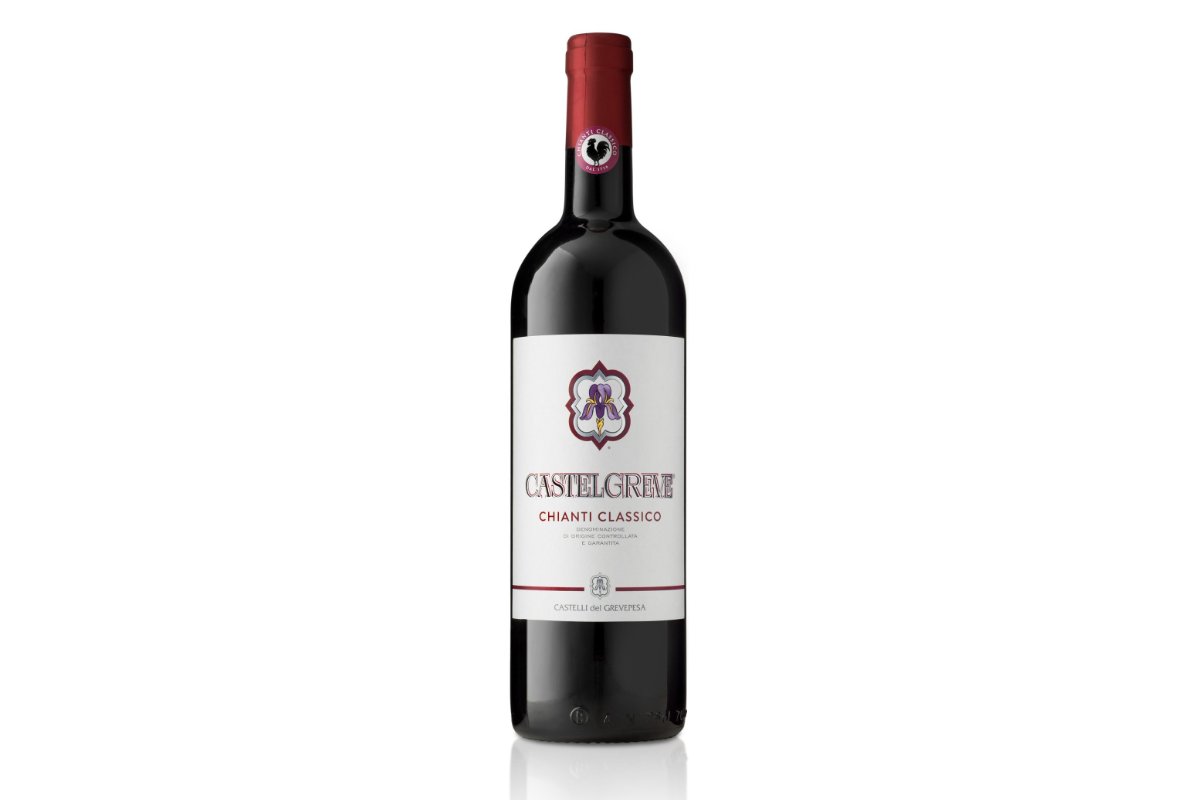
Nearby winery research can extend through Baciate Me, Capaccioli - Poggio Niccolini, Castelli del Grevepesa, Castelvecchio, and Compagnia del Vino. For a wider European wine-travel frame, compare planning notes with 3GP SRL in Treviso, 47 Anno Domini in Trebaseleghe, A Mano Wine in Noci, »der Steiner« Hans Steiner in Podersdorf am See, and & Handwein in Mannheim.
Recognition history
Dated appearances from independent guides and award organizations, with the underlying list record or original source where available.
Falstaff Winery - 5 Stars
Falstaff
Continue exploring
More in San Casciano in Val di Pesa
Wineries in San Casciano in Val di Pesa
All wineries in San Casciano in Val di Pesa →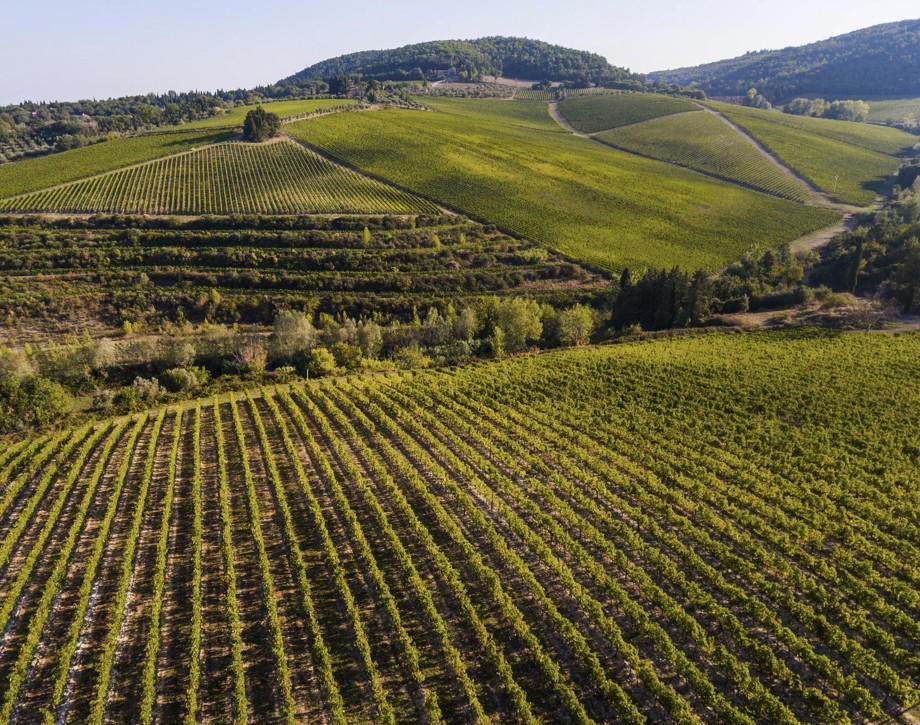
Restaurants in San Casciano in Val di Pesa
All restaurants in San Casciano in Val di Pesa →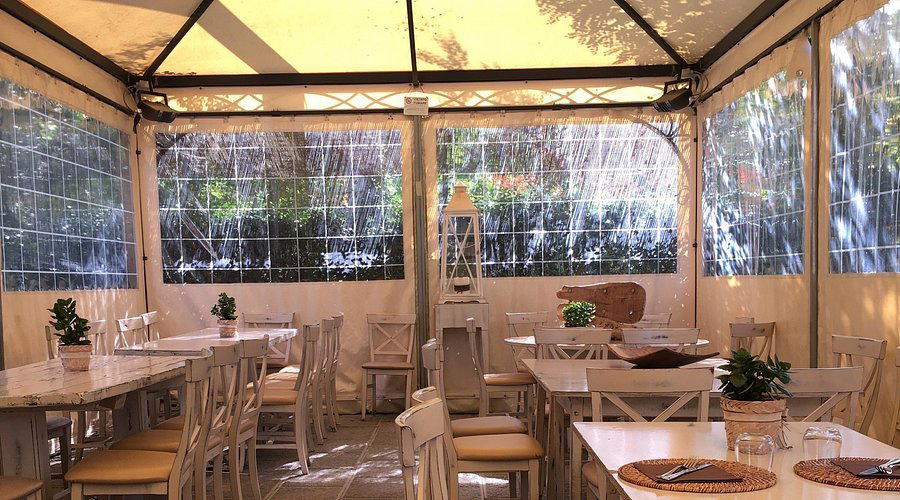
Details
- Modern
- Scenic
- Elegant
- Rustic
- Well Known
- Sophisticated
- Romantic Getaway
- Group Outing
- Celebration
- Solo Exploration
- Wine Education
- Family
- Barrel Room
- Vineyard Tour
- Estate Grounds
- Terrace
- Panoramic View
- Design Destination
- Sustainable
- Vineyard
- Mountain
- Garden
- Sangiovese
- Canaiolo
- Ciliegiolo
- Colorino
- Malvasia Nera
- Cabernet Sauvignon
- Cabernet Franc
- Still Red
- Dessert
- Standard Flights
- Guided Tour With Tasting
- Vertical Tasting
- Food Pairing Lunch
- Italian
- English
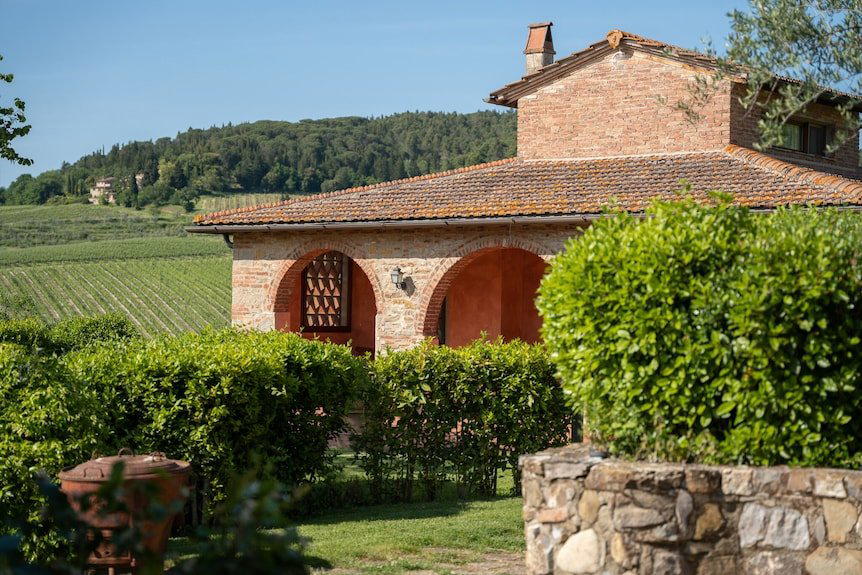
Striking, contemporary winery carved into the Tuscan hillside, combining a serene, almost sacred atmosphere in the gravity-flow cellar with light-filled terraces, museum spaces, and a suspended glass tasting room overlooking vineyards and barrels.