
Maison Bruno Andreu reads as modern Languedoc rather than cellar-door theatre: a Montblanc house built around maritime-influenced fruit, precise vineyard selection, and polished Pays d’Oc varietal wines. The draw is the contrast between a site linked to viticulture since 1610 and a contemporary négociant model exporting to more than twenty countries.
Pearl is the En Primeur Club membership app — saves, bookings, and concierge access live there. Same editors, same standards.
- Address
- Montblanc, Occitanie, Frankreich
- Directions
- Get directions
 Saves & bookings on Pearl
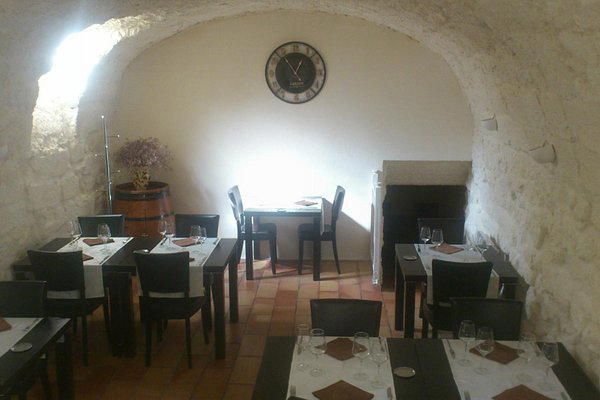
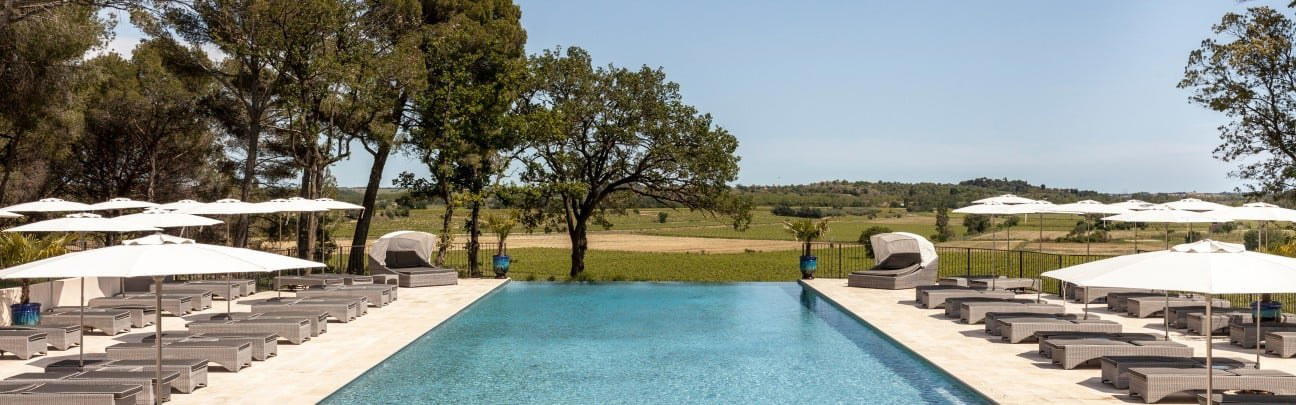
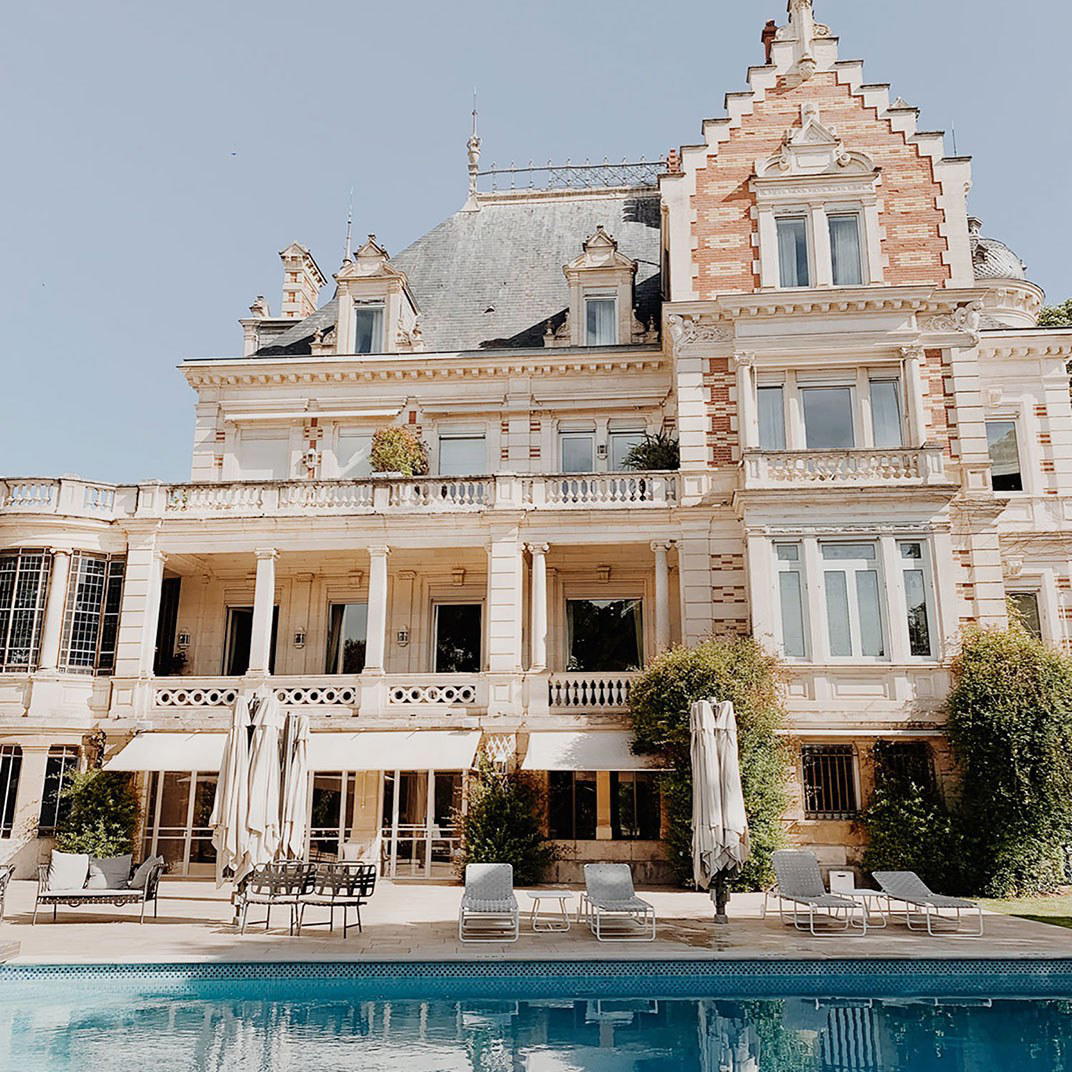
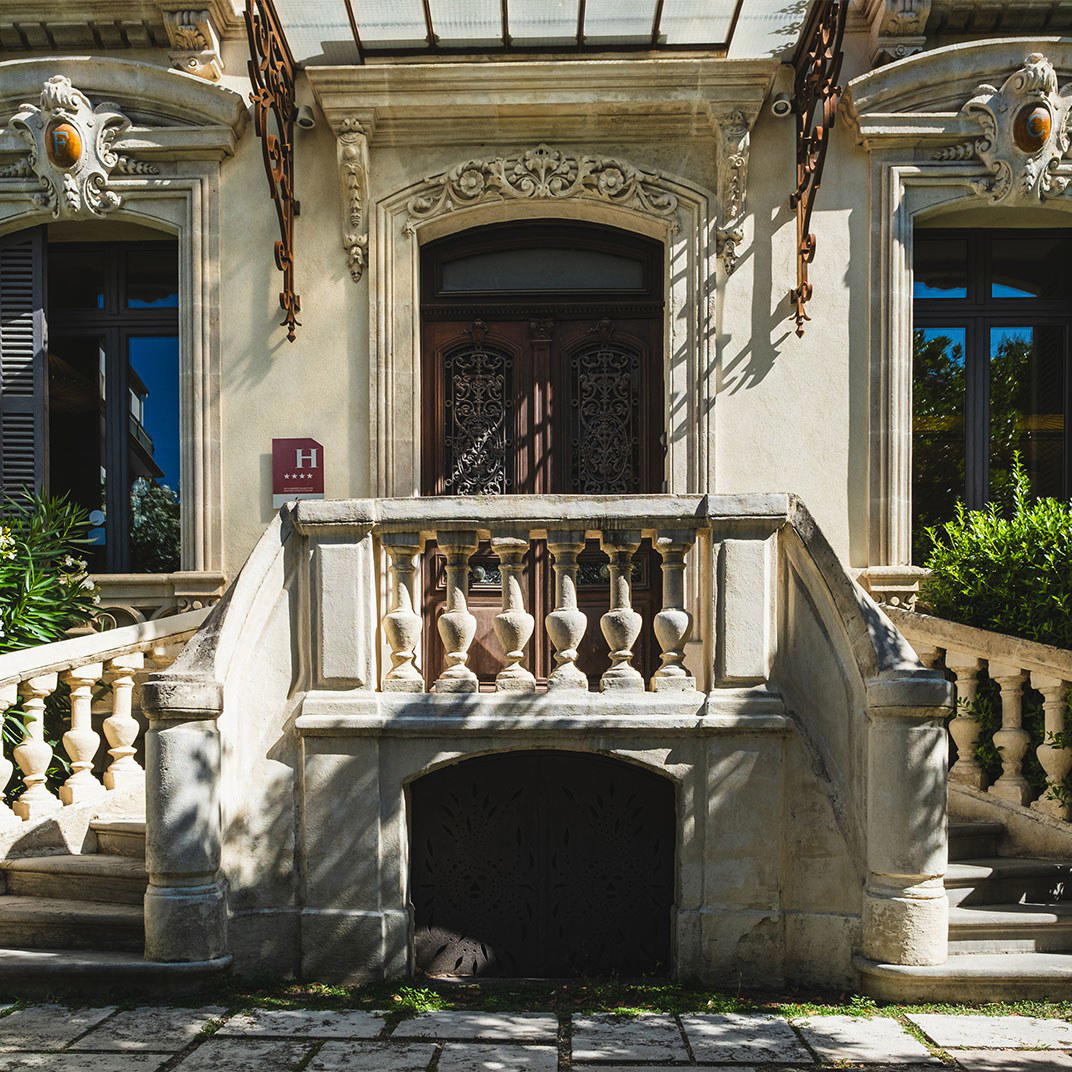
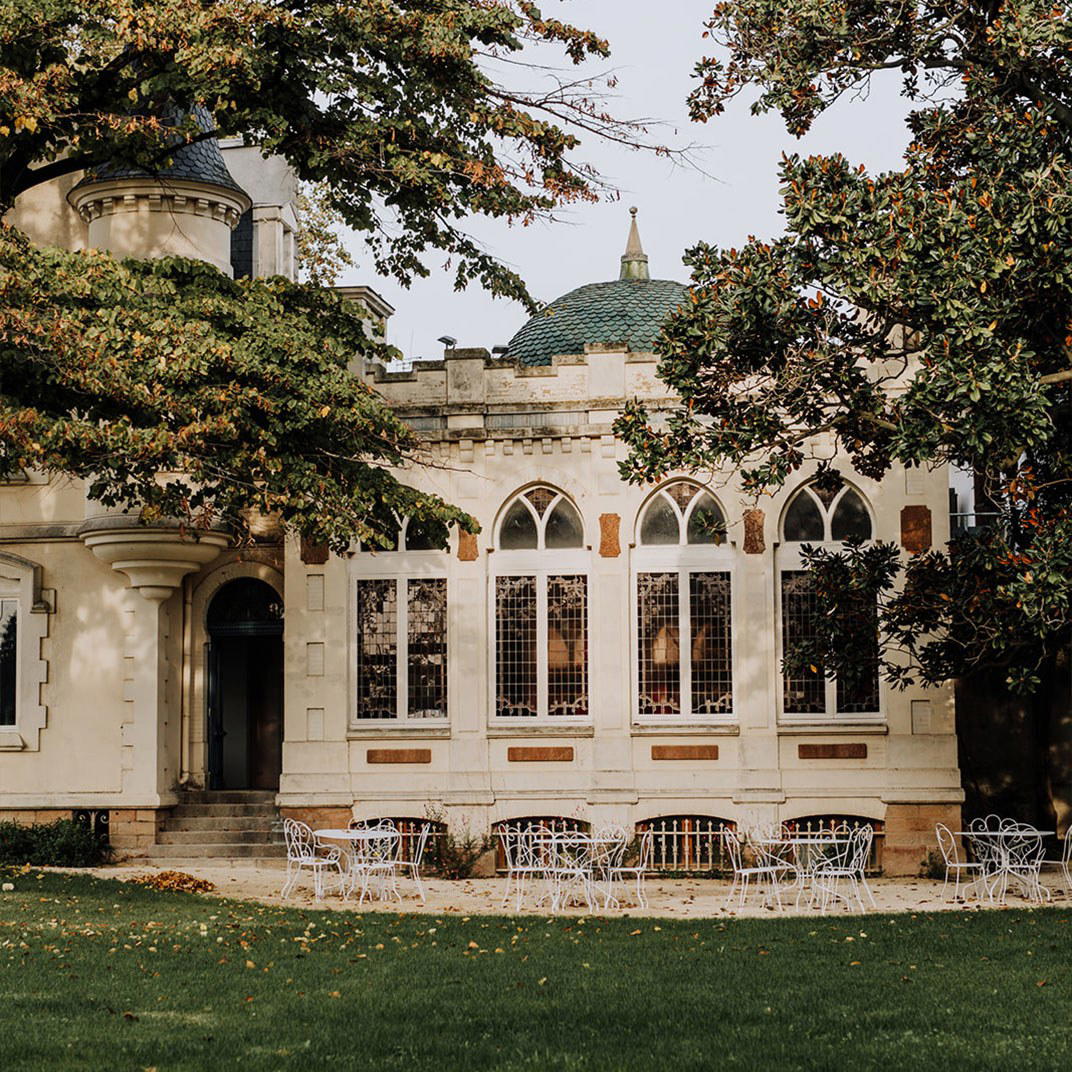
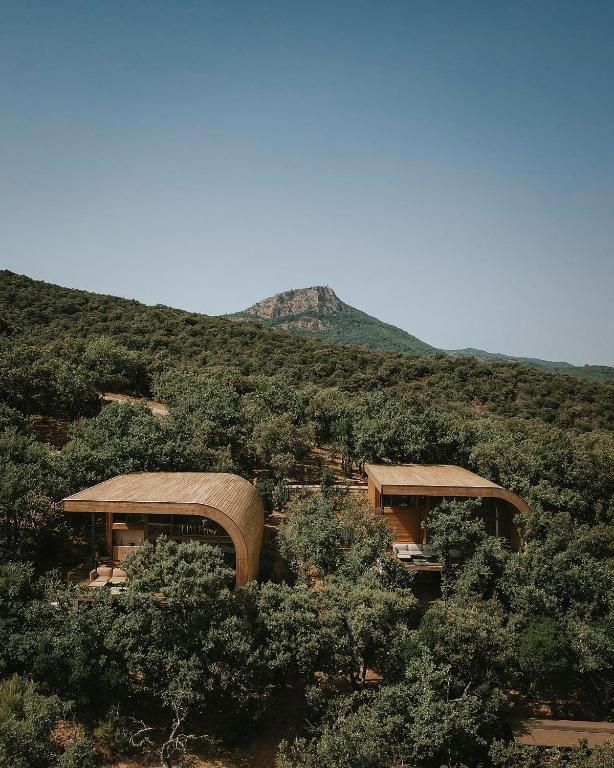
Montblanc’s wine country is best approached without forcing it into the rituals of more famous French regions. Maison Bruno Andreu is a contemporary Languedoc winery and négociant in Montblanc, housed in a renovated historic cellar. The picture is deliberately focused: a modern, scenic, historic building; a Languedoc identity; and a producer described by regional heritage, export orientation, and technical precision. Those points are enough to make the venue useful for travellers who want a grounded stop rather than an over-decorated story.
Because the confirmed information is concise, the honest way to read Maison Bruno Andreu is through its role rather than through claims about individual bottles, service formats, visitor procedures, or production figures. It is not necessary to attach unsupported specifics to understand the appeal. The venue sits in Montblanc as a contemporary wine house with a historic cellar setting, combining a sense of place with a more modern, commercially fluent approach to winemaking.
Maritime Languedoc, translated through Pays d'Oc varietals
Maison Bruno Andreu belongs to the broader Languedoc conversation, where tradition and modern wine production often sit side by side. The description identifies it as a contemporary Languedoc winery and négociant, which matters because a négociant identity can point to a house built around selection, blending, market awareness, and consistency rather than only a single-estate narrative. That does not require claims about specific grapes, cuvées, vineyard practices, or tasting menus; those details are not confirmed here.
For visitors, the useful takeaway is simpler: this is a Montblanc wine stop whose interest lies in the contrast between an old cellar environment and a modern winemaking brief. The house is presented as technically precise and export-oriented, suggesting a style of operation concerned with clarity, repeatability, and a language that can travel beyond the immediate region. That gives it a different kind of appeal from a purely rustic or purely ceremonial wine experience.
The price marker is listed as $$, so readers should think of the winery as a moderate option in planning terms. The listing does not verify exact tasting fees, bottle prices, lunch service, appointment rules, or special visitor packages, so those should not be assumed. If those details matter to a trip, they should be confirmed directly before making plans.
A historic cellar with a modern export brief
The renovated historic cellar is the clearest physical anchor for the winery. It gives the venue a sense of depth without needing invented dates, legends, or architectural claims. “Historic” here is best understood as part of the atmosphere: a cellar setting that connects the producer to regional heritage while still housing a contemporary wine business.
That balance is the main story. The winery is not described only as a picturesque cellar, and it is not described only as a technical production house. The profile combines both. It is scenic and historic in setting, yet modern and export-oriented in approach. For a visitor, that means the venue can be read as an example of how Languedoc wine identity is presented today: rooted in place, but not trapped in nostalgia.
What can be said confidently is that the house’s identity is contemporary and professionally framed. It is a wine venue for readers interested in how regional heritage can be translated into a modern producer profile.
How to read this stop within a French wine itinerary
The winery works well in an itinerary as a focused Montblanc wine stop rather than as a fully documented hospitality complex. Keeping those details out makes the recommendation more useful, not less, because it avoids promising an experience the confirmed record does not establish.
Within Montblanc, the venue’s appeal is its combination of regional wine identity, historic surroundings, and modern production outlook. Travellers comparing it with other dining or drinking in Montblanc should treat it as a wine-centered address, not a restaurant substitute unless current information from the venue says otherwise. The available facts support a visit for people interested in Languedoc wine, cellar atmosphere, and the way a contemporary négociant presents regional heritage.
The verdict is pragmatic: the winery is worth noting for its setting and positioning. It offers a modern Languedoc profile in a renovated historic cellar in Montblanc, with a moderate $$ price marker and a scenic, historic building context. Beyond that, the responsible recommendation is to keep plans flexible and verify current visitor details directly, because the confirmed data does not establish specific tasting arrangements, wines, hours, or services.
Recognition history
Dated appearances from independent guides and award organizations, with the underlying list record or original source where available.
Falstaff Winery - Listed
Falstaff
Continue exploring
More in Montblanc
Wineries in Montblanc
Browse all →
Bars in Montblanc
Browse all →
Restaurants in Montblanc
Browse all →
At a Glance
- Modern
- Scenic
- Wine Education
- Solo Exploration
- Historic Building
- Sustainable
- Vineyard
- Pays D'oc IGP
- Chardonnay
- Syrah
- Sauvignon Blanc
- Viognier
- Roussanne
- Cabernet Sauvignon
- Merlot
- Petit Verdot
- Grenache
- Still Red
- Still White
- Still Rosé
- Estate Tasting
Contemporary Languedoc winery and négociant housed in a renovated historic cellar, combining deep regional heritage with a modern, export-oriented, technically precise approach to winemaking.