
World's 50 Best #23
Ranked No. 23 in the World's Best Vineyards 2021 and.

Pearl is the En Primeur Club membership app, where members save venues, book tables and use the concierge.
Krasnodar as a Wine Region: The Broader Frame
Russian wine has spent most of its modern history operating outside the international ranking systems that govern reputation for producers in Napa, Barossa, or Piedmont. That changed incrementally over the 2010s, as critics and competition judges began engaging with the Krasnodar region specifically. The Black Sea coastline to the southwest and the Caucasus foothills to the southeast create a geographic buffer that moderates temperatures, and the Kuban River valley floor offers limestone and clay subsoils that drain well and encourage root depth. Lefkadia Valley is not the only serious producer here Sikory Winery represents another strand of the region's ambition, but Lefkadia has accumulated the external validation that places it at the front of the peer group. A No.
For context on how that credibility stacks up internationally, consider that the World's Leading Vineyards list draws nominations from industry professionals across 27 categories globally. A top-25 placement in 2021 puts Lefkadia in the same conversation as producers such as Accendo Cellars in St. Helena, Aldo Conterno in Monforte d'Alba, and Albert Boxler in Niedermorschwihr, estates with decades of established international profile. That a Krasnodar producer reached that tier at all is worth pausing on.
Terroir as Argument
The editorial case for Lefkadia Valley rests less on hospitality amenities or brand narrative and more on what the land actually does to the wine. The Krasnodar region's soil profile is heterogeneous: alluvial deposits from the Kuban system sit alongside calcareous clay and pockets of darker chernozem, the black earth that also defines the agricultural richness of the broader steppe belt. For viticulture, the combination creates tension between fertility and stress, which winemakers elsewhere pay considerable sums in irrigation engineering to approximate. Here, the parcels manage it naturally, provided the vine density and canopy management are calibrated correctly.
Continental climates at this latitude also produce a diurnal temperature range that is genuinely useful for aromatic retention. The gap between daytime highs and nighttime lows during the August and September ripening window allows grapes to accumulate phenolic maturity without losing the volatile compounds that carry floral and spice character in the finished wine. This is the same principle that makes high-altitude Andean vineyards, or the plateaux above Paso Robles (home to producers like Adelaida Vineyards), compelling terroir arguments. Lefkadia operates on a cooler variant of that logic, in a geography that most international buyers have not yet priced into their mental maps of where serious wine comes from.
Grape Varieties and the Question of Regional Identity
The Krasnodar region grows both international varieties and indigenous Georgian and Russian cultivars, a duality that creates real identity questions for producers. International buyers recognize Cabernet Sauvignon and Chardonnay labels immediately; indigenous varieties like Krasnostop Zolotovsky or Sibirkovy require more explanation but tell a more specific story about place. The most credible producers in regions building a new international identity, Rhône-focused estates in Paso Robles like Andrew Murray Vineyards, or Willamette Valley specialists like Adelsheim Vineyard in Newberg, have generally resolved this tension by committing to the varieties that leading express their specific site conditions rather than chasing category demand. Lefkadia's position in the top-25 of a global vineyard ranking suggests a similar editorial discipline about what it plants and where.
Wine tourists arriving with expectations shaped by Napa or Burgundy will encounter something structurally different: a continental-climate expression where the growing season's logic is written into the wine's acid spine and mid-palate weight.
Visiting: What the Experience Signals
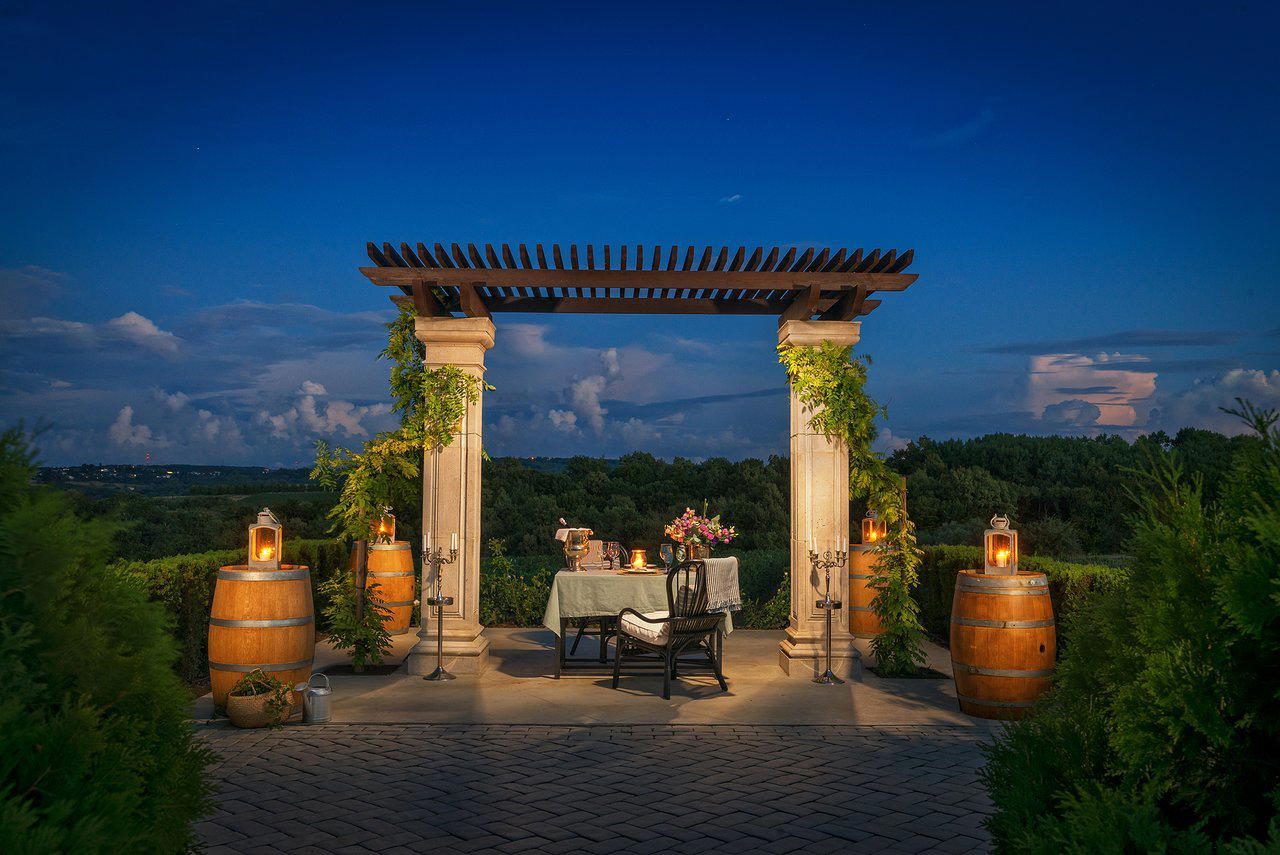
Lefkadia Valley is not a city-centre tasting room. Estates of this calibre in comparable regions, Alexander Valley Vineyards in Geyserville, All Saints Estate in Rutherglen, or Alpha Omega Winery in Rutherford, have built visitor experiences around the land itself, using the drive and the arrival as part of the argument for why the wine is worth attention. A ranking of No. 23 globally implies that Lefkadia operates in the same mode: the experience is anchored in the vineyard setting, not in a tasting room that could be replicated anywhere.
The Krasnodar city dining and hospitality scene, covered more fully in our full Krasnodar restaurants guide, provides a useful base for multi-day itineraries that include an estate visit.
How Lefkadia Sits in the Global Winery Conversation
The World's Leading Vineyards 2021 list covered estates from Scotland to New Zealand, and the voting methodology draws on professionals from the broader hospitality and wine trade. A placement at No. 23 in that field is not a fluke of regional sentiment. It reflects accumulated credibility in both viticulture and visitor experience. For comparison, estates with longer international profiles and more established appellation support, Achaia Clauss in Patras, with a history stretching back to the nineteenth century, or Alban Vineyards in Arroyo Grande, one of the first American estates to focus seriously on Rhône varieties, have built their reputations over decades. Lefkadia has done comparable work in a region where the category infrastructure, export distribution, and critical attention were far less developed when it began.
That positioning makes Lefkadia Valley an interesting stop for wine travellers who think seriously about terroir expression in new or underexplored regions. The Krasnodar region is not peripheral to the wine world's history, it supplied much of the Russian Empire's quality production before Prohibition-era disruption and Soviet collectivisation altered its trajectory. The estates now building serious reputations here are, in part, recovering a thread that was interrupted rather than inventing something entirely new. Lefkadia's awards trajectory suggests it is doing that recovery at a high level.
Travellers considering Scotland's Aberlour or India's Amrut in Bengaluru for what frontier production looks like in non-traditional contexts will find Lefkadia a cognate case in viticulture: a producer operating at a high standard in a geography that international buyers are still learning to read. Allow a half-day minimum for the drive from Krasnodar city and the on-site experience. For broader trip planning in the region, our Krasnodar guide covers dining, accommodation, and further wine itinerary context.
Side-by-Side Snapshot
| Venue | Awards |
|---|---|
| Lefkadia ValleyThis venue (the venue you are viewing) | World's 50 Best #23 |
| Sikory Winery | World's 50 Best #20 |
Recognition history
Dated appearances from independent guides and award organizations, with the underlying list record or original source where available.
World's 50 Best Vineyards #23
World's 50 Best
Continue exploring
More in Krasnodar
Wineries in Krasnodar
All wineries in Krasnodar →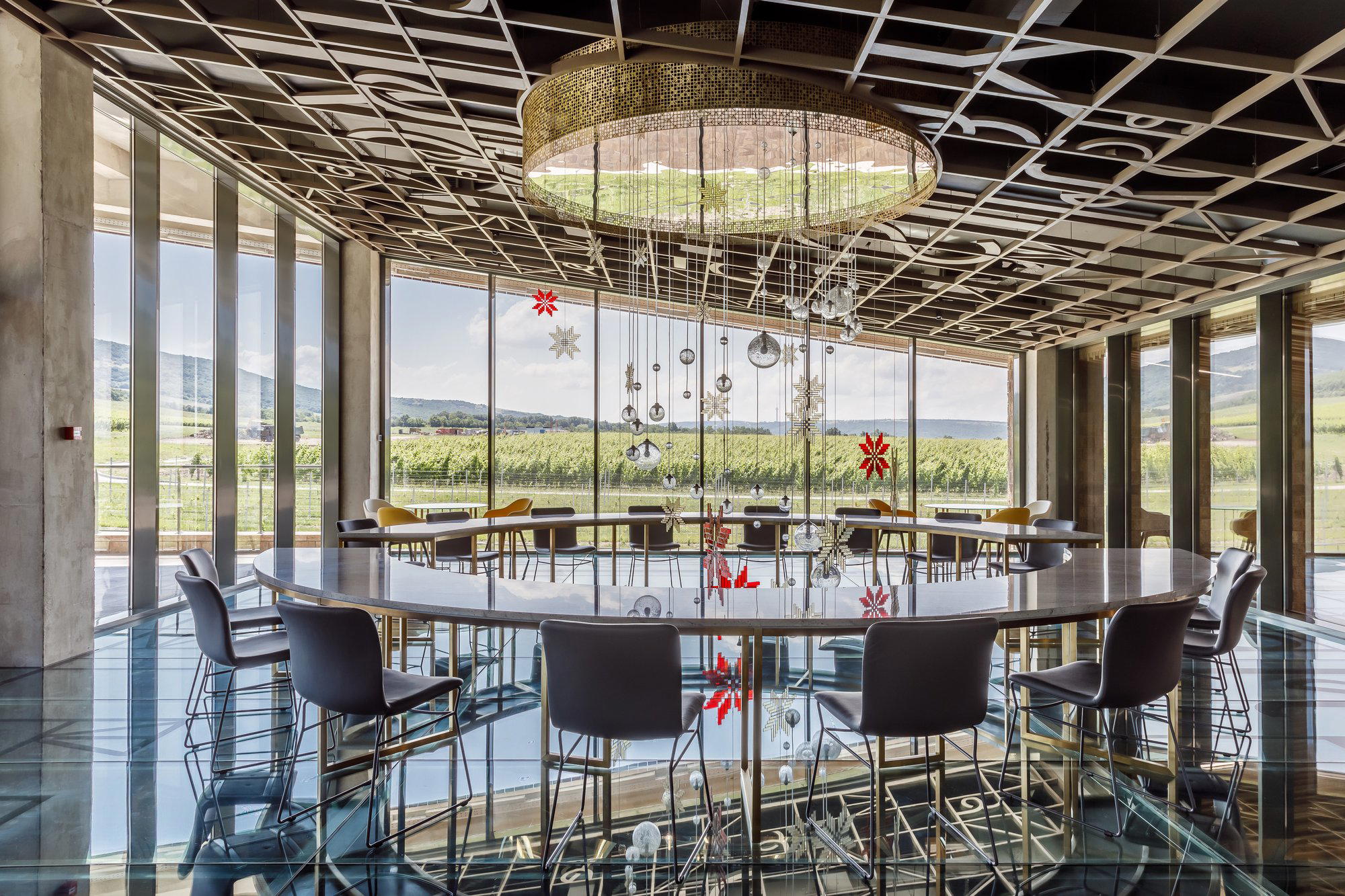
Details
- Scenic
- Classic
- Rustic
- Well Known
- Family
- Group Outing
- Special Occasion
- Wine Education
- Estate Grounds
- Historic Building
- Garden
- Panoramic View
- Private Tasting
- Sustainable
- Mountain
- Vineyard
- Bordeaux Blends
- Krasnostop
- Red Blends
- Single Varietals
- Still Red
- Still White
- Sparkling
- Guided Tasting
- Wine Tour
- Private Tasting
- Russian
- English
A family-owned estate with an interactive, destination-style setting that recreates an Agora market square and evokes Russia’s winemaking origins, surrounded by gardens and valley views.