Google: 4.5 · 35 reviews

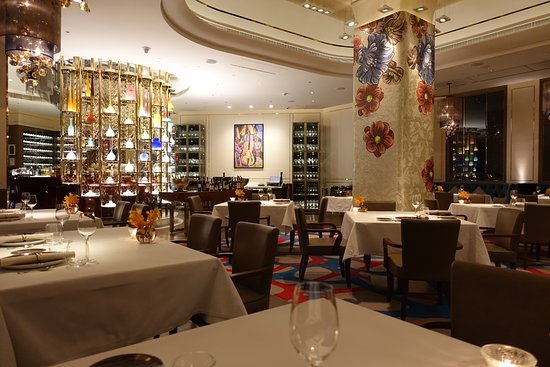
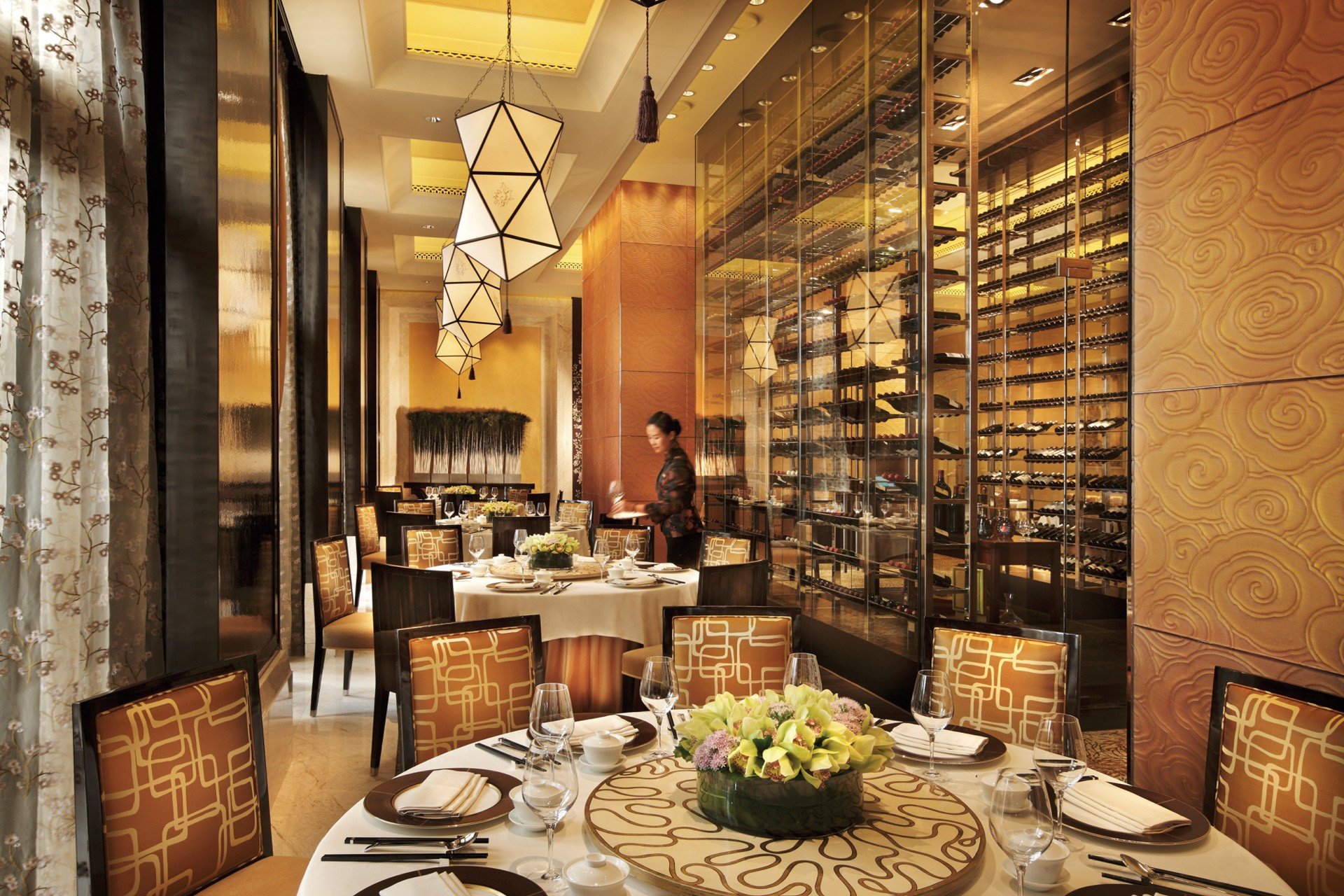
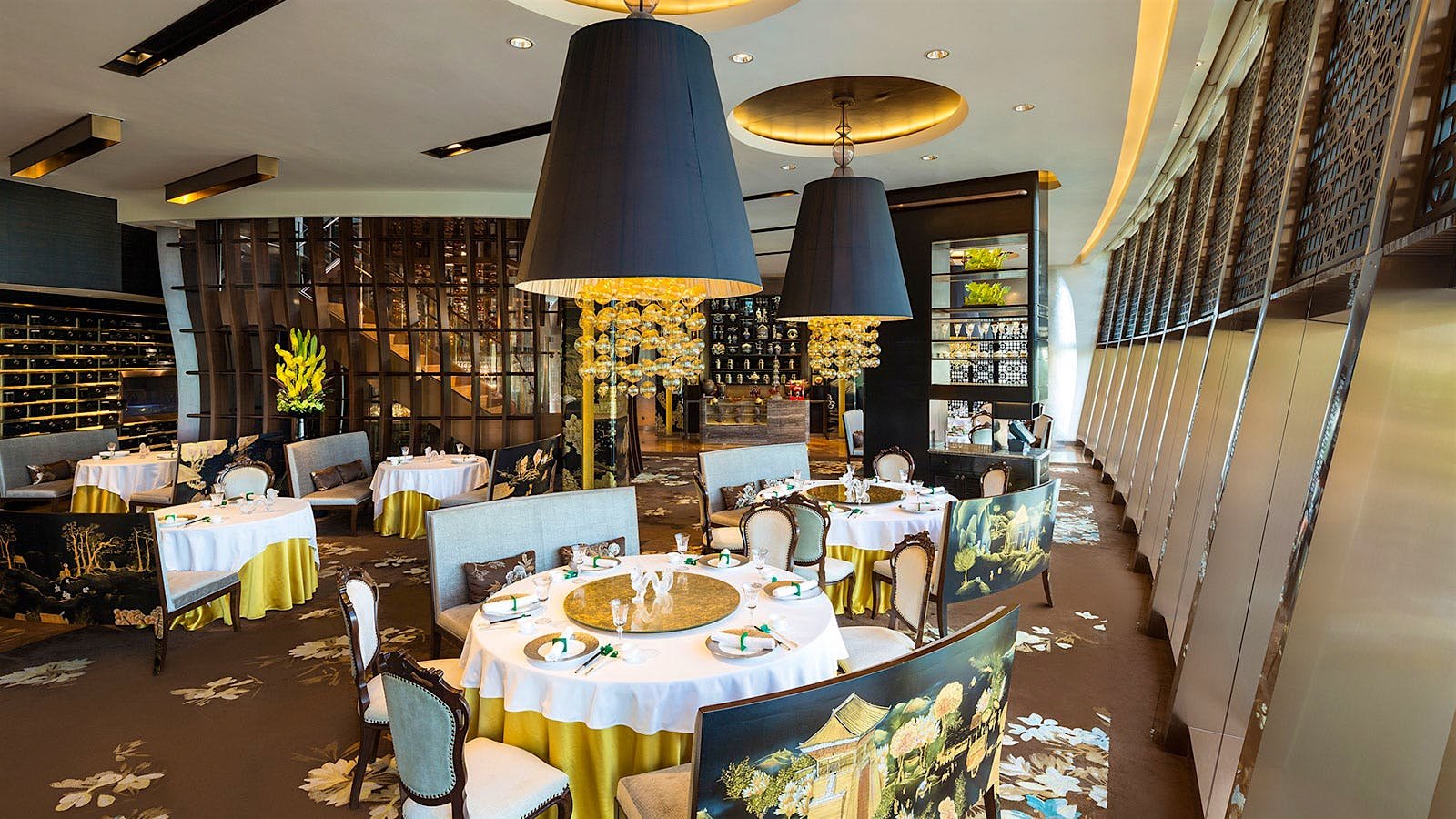
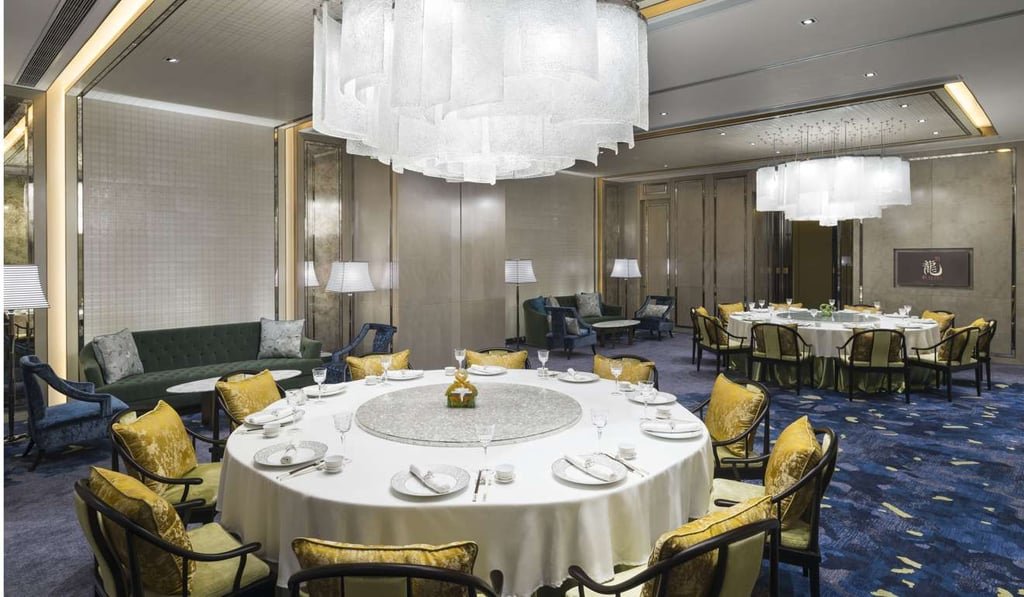
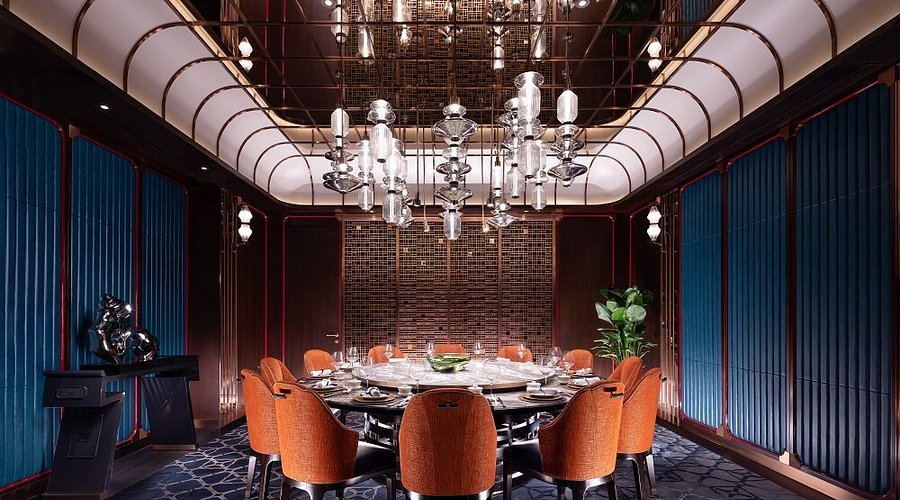
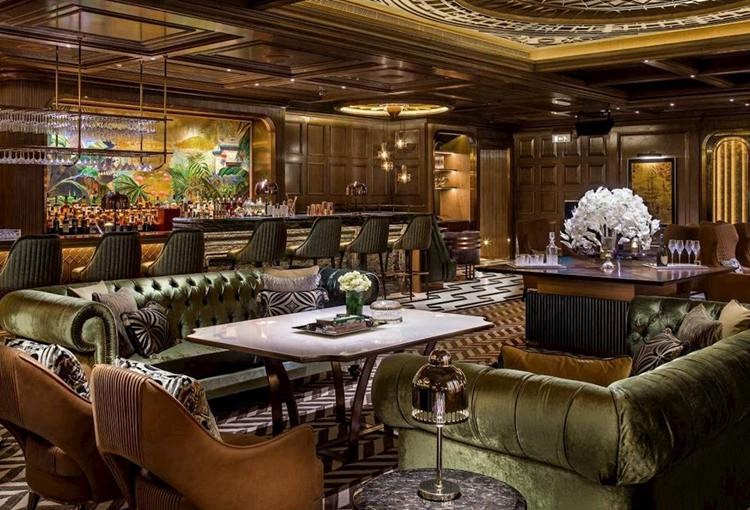
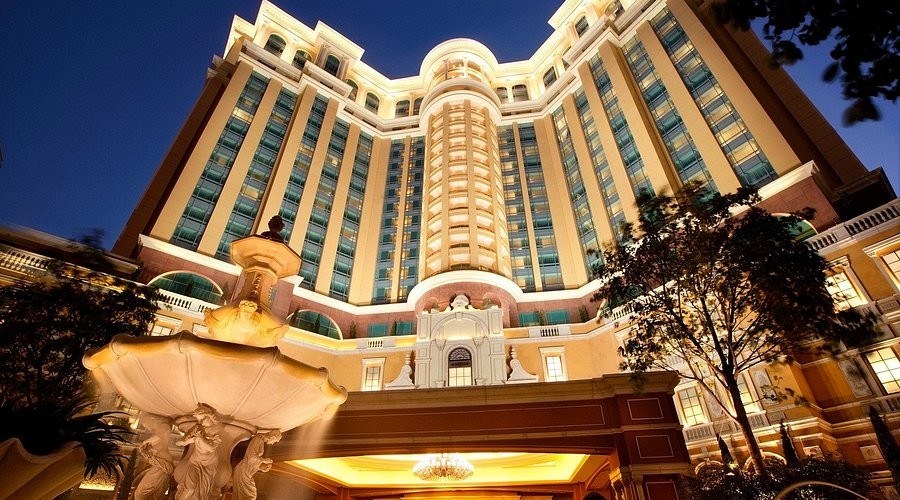
On the 28th floor of Hotel Okura Macau, Yamazato is the Forbes Travel Guide Five Star restaurant where kaiseki ryori — the traditional Japanese multi-course meal — anchors the kitchen's identity. Chef Akira Hayashi oversees a program that includes a sake list of 40-plus labels, many from smaller regional breweries, and front-of-house staff partly drawn from a Japanese hospitality school.
 Discover on Pearl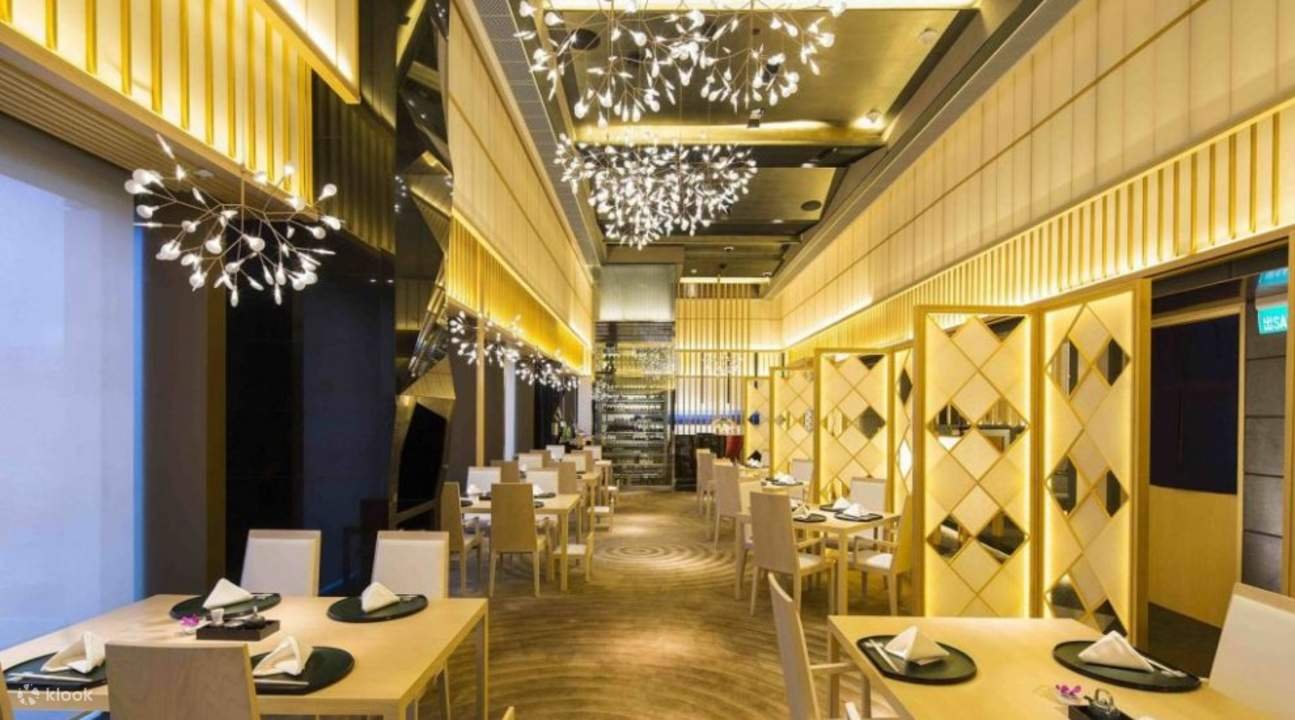
Elevation, Ceremony, and the Discipline of Kaiseki
Macau's fine dining circuit is dominated by French tasting menus and Cantonese haute cuisine — the kind of cooking that fills glossy casino tower restaurants from the Cotai Strip to the Lisboa end of the peninsula. Japanese fine dining operates in a smaller, quieter niche here, one where the rules of engagement are entirely different. Where a French menu at a room like Robuchon au Dôme or Alain Ducasse at Morpheus declares itself through richness and architectural plating, kaiseki works by restraint and sequence. The meal is not one course that builds toward a climax; it is a series of discrete moments, each with its own logic of temperature, texture, and season, paced to shift the diner's attention rather than sustain a single impression across the table.
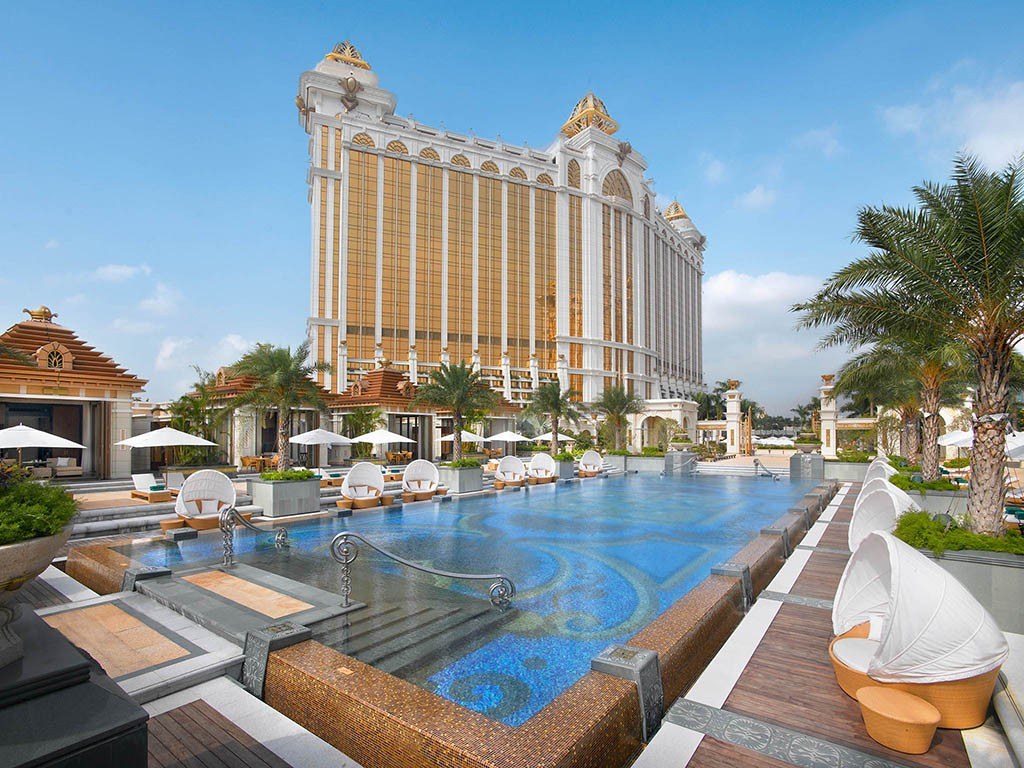
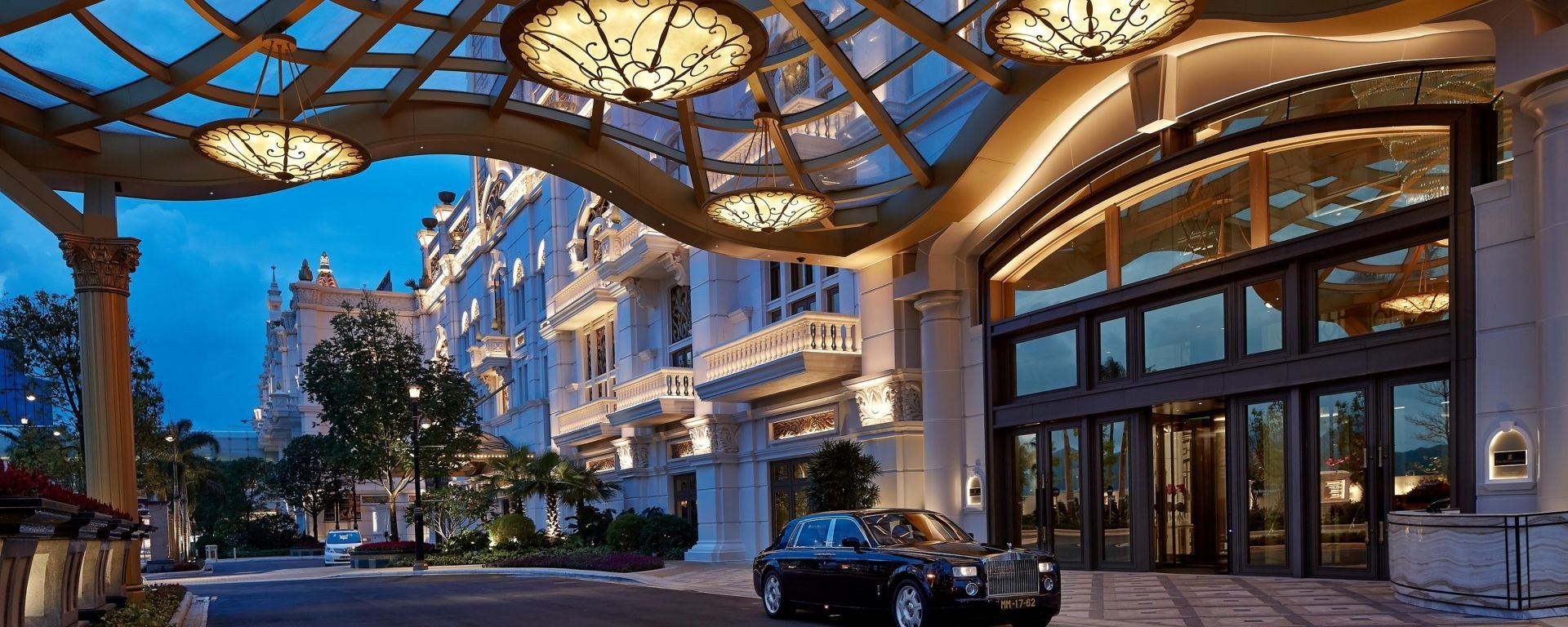
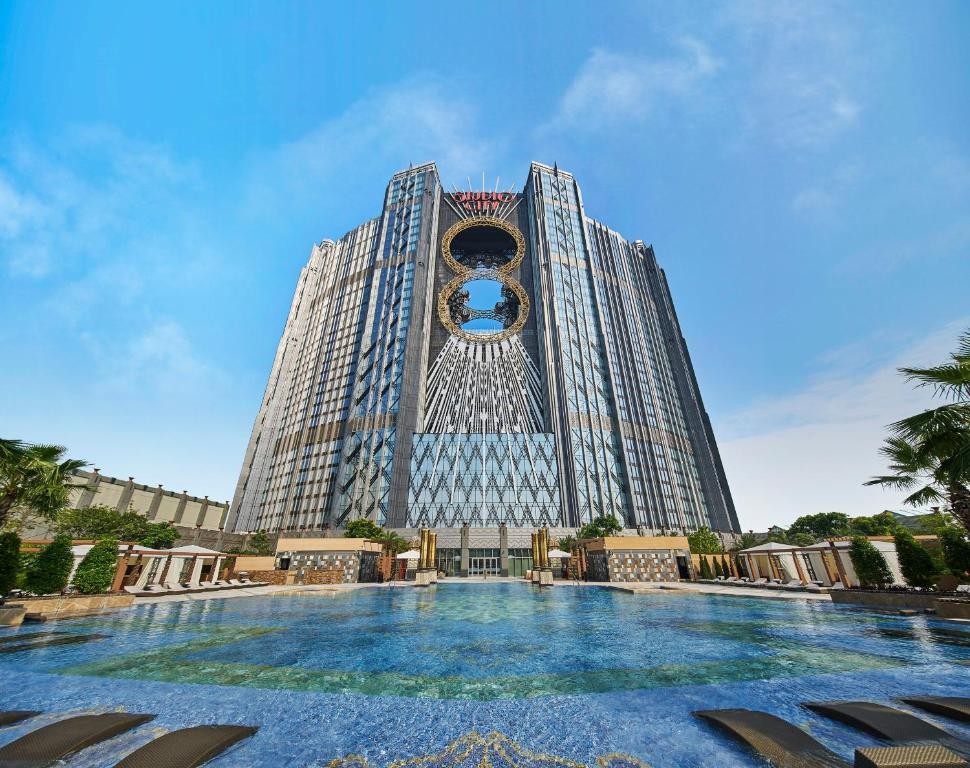
Yamazato, on the 28th floor of Hotel Okura Macau in the Galaxy complex at Cotai, is where that tradition is practiced in the territory's most formal Japanese setting. The Yamazato name travels with Okura Hotels globally — it is the group's signature restaurant concept, the expression of Japanese culinary philosophy that the brand has placed at the center of its hospitality identity across every market it operates in. The Macau iteration holds a Forbes Travel Guide Five Star rating, which places it alongside a peer set whose standards are assessed against service consistency, physical environment, and food execution rather than marketing position alone.
The Ritual Architecture of a Kaiseki Meal
Kaiseki's structure is not arbitrary. The sequence moves through a succession of small courses , typically opening with a sakizuke appetiser, progressing through soup, raw preparations, a grilled course, a simmered course, and rice before arriving at a sweet close. Each transition is deliberate. The pace is set by the kitchen, not the diner, and that pace is part of the experience: it creates time between bites for the previous course to settle, for conversation to breathe, for the eye to take in what arrives next. At Yamazato Macau, that architectural rhythm is what separates the kaiseki menu from the à la carte sushi and sashimi option the restaurant also offers.
The à la carte route is available, but it bypasses the entire point of why a restaurant like this exists. Sushi and sashimi consumed outside of a structured sequence are missing their context , they become isolated technique rather than part of a designed progression. The kaiseki path is where Chef Akira Hayashi's kitchen communicates what it is actually capable of, and where the investment of an evening at this altitude makes sense. For guests oriented toward Japanese fine dining traditions, or those who have eaten kaiseki in Kyoto at rooms like Mitsuyasu or regional Japanese settings like Beppu Hirokado in Oita, the comparison is useful: Yamazato Macau offers that grammar in a city where it would otherwise be absent at this tier.
The Sake Program as a Parallel Structure
Japan's beverage culture treats sake with the same seriousness that a European fine dining room applies to wine. At Yamazato Macau, the sake list runs to more than 40 labels, and the selection goes beyond the well-known brewery names that appear on standard Japanese restaurant lists. The program includes seasonal specials and labels from smaller regional producers , the kind of sake that rarely travels beyond prefecture level in Japan and almost never appears in overseas markets at premium venues. This is a list assembled with the same curatorial logic as the food menu: it is meant to complement a kaiseki progression rather than simply provide alcoholic accompaniment. Each section of the meal has beverage analogues , a delicate junmai daiginjo against the early light courses, a richer yamahai against the simmered or grilled middle , and a sake list of 40-plus labels gives the floor team enough range to make those pairings work.
Front-of-House as Extended Curriculum
Japanese hospitality carries a distinct professional culture. The concept of omotenashi , service oriented entirely around the guest's anticipated rather than stated needs , is trained into hospitality professionals through formal schooling, not only through on-the-job accumulation. At Yamazato Macau, a portion of the front-of-house team at any given time are trainees from a Japanese hospitality school, placed at the restaurant for periods of up to a year as part of their formal education. These individuals are recognisable by their kimonos; the rest of the floor team works in Western dress. This is not decorative. It means the restaurant is functioning as a live training environment for Japanese service professionals, which has a measurable effect on the attentiveness and protocol formality of the dining room. The pace of a kaiseki meal depends on floor staff who understand when to approach and when to recede , and that knowledge is explicitly what those trainees are at Yamazato to develop.
Macau Context: Where Yamazato Sits
The strongest concentration of rated dining in Macau remains Cantonese and Chinese regional cooking, with rooms like Chef Tam's Seasons, Jade Dragon, and Feng Wei Ju representing different registers of Chinese fine and specialist dining. Against that backdrop, Yamazato Macau occupies a narrow but clearly defined position: it is the territory's primary address for formal kaiseki in a hotel setting with documented international recognition. Visitors arriving from Chinese cities where Japanese fine dining has a longer track record , Shanghai, Beijing, and increasingly Chengdu (where venues like Xin Rong Ji and 102 House anchor the high end) , will find the format familiar. For those coming from Hangzhou or Nanjing, references like Ru Yuan or Dai Yuet Heen offer context on how regional Chinese fine dining sets the frame against which Yamazato's Japanese formalism reads differently. Imperial Treasure in Guangzhou and Xin Rong Ji in Beijing sit in that broader regional context as further reference points for what the cross-border fine dining traveller is calibrating against.
For the full picture of what the territory offers at the fine dining tier, see our full Macau restaurants guide. Those planning a longer stay can also consult our Macau hotels guide, our Macau bars guide, our Macau wineries guide, and our Macau experiences guide.
Planning Your Visit
Yamazato serves lunch and dinner Tuesday through Sunday; the restaurant is closed on Mondays. There is no formal dress code, but the Forbes Five Star environment and the formality of a kaiseki service make smart-casual the practical baseline , neat shirts and trousers for men, and comparable attire for women. Guests staying at the Galaxy Macau properties (Okura, Banyan Tree, or Galaxy) can book through the concierge directly. Outside guests can call the reservation line at 853-8883-5127. Given that the Forbes Five Star rating attracts a consistent flow of international visitors and the format is limited to what a high-service Japanese dining room can execute at pace, advance booking is the standard approach rather than the exception.
Cuisine Context
A short peer table to compare basics side-by-side.
| Venue | Cuisine | Awards | Notes |
|---|---|---|---|
| Yamazato Macau | Japanese Cuisine | Yamazato is the signature restaurant at all Okura Hotels around the world, and t… | This venue |
| Aji | Nikkei, Innovative | Michelin 1 Star | Nikkei, Innovative, $$$$ |
| Ying | Cantonese | Michelin 1 Star | Cantonese, $$$ |
| Five Foot Road | Sichuan | Michelin 1 Star | Sichuan, $$ |
| Robuchon au Dôme | French Contemporary | Michelin 3 Star | French Contemporary, $$$$ |
| Feng Wei Ju | Hunan-Sichuan, Hunanese | Michelin 2 Star | Hunan-Sichuan, Hunanese, $$ |