Wild Shropshire



Michelin Plate · Star Wine List · The Good Food Guide GFG Good
Our verdict
Wild Shropshire in Whitchurch holds a Michelin Plate (2025) and a Star Wine List White Star (2024) for its micro-seasonal, field-to-fork tasting menu. Self-taught chef James Sherwin serves a daily nine-course surprise menu for a maximum of 14 guests, with Japanese-inflected techniques applied to produce grown on the restaurant's own Shropshire farm. Advance booking is essential given the limited covers and restricted opening schedule.

Pearl is the En Primeur Club membership app — saves, bookings, and concierge access live there. Same editors, same standards.
- Address
- 25 Green End, Whitchurch SY13 1AD, United Kingdom
- Phone
- +44 7935 643806
- Hours
- Mon–Tue ClosedWed 6:30–11 p.m.Thu 6:30–10:30 p.m.Fri 6:30–11 p.m.Sat 12:30–3:30 p.m., 6:30–11 p.m.Sun Closed
- Website
- wildshropshire.net
- Directions
- Get directions
- Booking
- Book on the venue's website
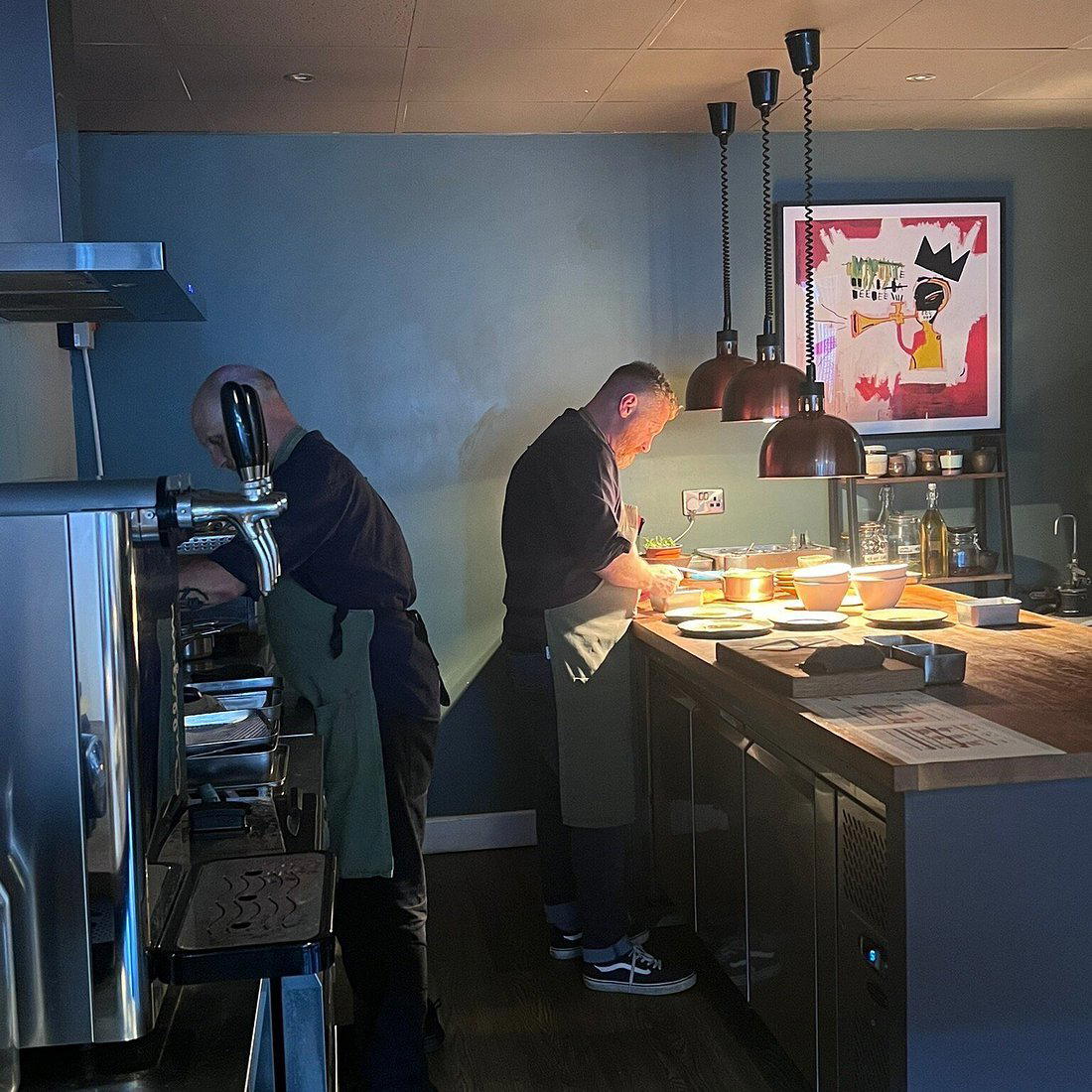
A Former Shop on Green End, and What It Tells You About Rural British Fine Dining
Whitchurch is one of England's oldest continuously inhabited towns, a market settlement that sits in the north Shropshire plain where the county begins to shade into Cheshire. Its centre is defined by half-timbered buildings and traces of Roman occupation, and it is into this context that Wild Shropshire arrived in 2020, converting a former shopfront on Green End into something considerably more ambitious. The conversion is Scandi-inflected: clean lines, natural materials, the kind of spare interior that frames food rather than competing with it. The room holds around 20 covers, and the kitchen operates with minimal staff. Both facts matter before you arrive.
Rural destination dining in Britain has developed a recognisable shape over the past decade. The model at places like L'Enclume in Cartmel or Moor Hall in Aughton involves a tasting menu built around hyperlocal produce, a kitchen garden or farm as a supply backbone, and a degree of geographical isolation that makes the journey itself part of the proposition. Wild Shropshire fits that pattern, though it operates at a smaller scale and a lower price point than its starred northern counterparts. The £££ pricing sits below the ££££ tier occupied by CORE by Clare Smyth in London or The Ledbury, and well below the country house register of Le Manoir aux Quat' Saisons in Great Milton. The Michelin Plate recognition in both 2024 and 2025, alongside a Star Wine List White Star awarded in February 2024, places it in a tier of serious regional independents rather than the destination-marquee category.
The Surprise Menu and the Field-to-Fork Logic
The format here is a nine-course tasting menu that changes daily and is not revealed to diners in advance. The menu is presented only at the end of the meal, as a list of ingredients. Whether that device feels playful or controlling tends to split opinion, but its structural logic is clear: when the kitchen is pulling from its own farm and foraging the surrounding landscape, the day's supply determines the day's dishes. Locking in a menu description beforehand would undermine the premise.
The produce supply comes from Wild Shropshire's own farm, which means the terroir argument is literal rather than rhetorical. James Sherwin, who is largely self-taught and built the concept through a run of pop-ups before the Green End site opened, works the tables himself during service. That choice keeps the kitchen communication direct: the person who composed a dish explains it to the person eating it, which is a format more common in Japan than in rural England.
Japanese reference is not superficial. The kitchen uses ingredients like furikake, koji and yuzu as technical and flavour tools, and a sake pairing sits alongside the wine options. A house furikake of salted onion and thyme, a quince kosho and sake-lees ice cream have featured on the menu. A chicken wing prepared with koji, elderflower woven into bread glazing, sweet potatoes finished with parsley oil and buttermilk: these are dishes where the technique is doing something specific to an ingredient, rather than announcing itself. The zero-waste and fermentation principles operating in the kitchen align with a broader movement in British fine dining, but the Japanese application of those principles gives the cooking a distinct character.
Where the Ritual Sits: Seasonal Produce and the Communal Table Dynamic
Weekly rhythm that surrounds food in England has always been tied to what the land produces and what the kitchen does with it. The country roast tradition, with its insistence on whole animal, root vegetable, and a table shared across a defined stretch of time, is one expression of that. Wild Shropshire operates in a different register, but the underlying logic overlaps: produce sourced from defined land, cooked without excess intervention, and presented to a small group in a room where the cook is visible. The 14-guest maximum and the largely solo open kitchen make the meal more like a communal table experience than a restaurant service in the conventional sense. Compare that with the scale of somewhere like The Fat Duck in Bray, where the theatrical apparatus is calibrated for a larger room, or Hand and Flowers in Marlow, where the format is built around the pub dining tradition. Wild Shropshire's format is its own thing: intimate, informed by place, and operating at a pace set by the kitchen's single cook rather than by a brigade.
Village and market-town restaurants with this kind of seasonal commitment tend to produce food that reflects its geography more honestly than urban equivalents, where the supply chain is more complex and the produce often travels further. Shropshire has a strong agricultural identity, and the restaurant's farm-to-table chain is shorter than most. That compression shows in the cooking.
The Wine Program and Drinks List
The sommelier's contribution at Wild Shropshire is integrated into the menu rather than running parallel to it. Four pairing options are available, spanning a range that includes a sake pairing alongside wine. The wine list draws primarily from natural wine producers, mostly small-scale, with beers, ciders and non-alcoholic options also listed. A cocktail menu includes options like a blend of artichoke gin and Cynar. The Star Wine List White Star recognition in 2024 reflects a program that goes beyond the minimum required to support a tasting menu at this level. For reference on how regional British fine dining handles its wine programs, hide and fox in Saltwood and Midsummer House in Cambridge represent different approaches in the same tier.
Planning Your Visit
Wild Shropshire is at 25 Green End, Whitchurch SY13 1AD. With around 20 covers and limited opening times, the restaurant books out well in advance. Anyone planning a visit should prioritise securing a reservation before arranging travel. The format is a set tasting menu with no à la carte option and no advance sight of the menu, so arriving with dietary constraints or strong preferences about surprise requires a conversation with the team at booking stage. The service style is described as personable and informal, with Sherwin working the tables himself during service. The dress code is not formal; the room's Scandi-inflected interior sets a relaxed tone. Whitchurch itself has limited hotel infrastructure, so visitors travelling from outside the county should consult our full Whitchurch hotels guide when planning an overnight stay. For broader context on the local dining scene, our full Whitchurch restaurants guide covers the range, including Docket Restaurant. Bars, wineries and experiences in the area are covered at our full Whitchurch bars guide, our full Whitchurch wineries guide and our full Whitchurch experiences guide.
Frequently asked questions
Is Wild Shropshire expensive?
Pricing at Wild Shropshire is listed as £££.
Has Wild Shropshire won any awards?
Wild Shropshire has received recognition including: Wild Shropshire is a restaurant in Whitchurch, UK. It was published on Star Wine List on February 15, 2024 and is a White Star.; Self-taught chef James Sherwin’s dream came true when he opened this endearing restaurant that’s the epitome of….
What's the best thing to order at Wild Shropshire?
There is no à la carte menu. Every guest receives the same daily nine-course tasting menu, shaped by that day's farm and foraged supply and only revealed as a list of ingredients at the meal's end. The format is non-negotiable, which keeps the focus on flavour rather than choice.
Where is Wild Shropshire located?
Wild Shropshire is located at 25 Green End, Whitchurch SY13 1AD, United Kingdom, Whitchurch.
Should I book Wild Shropshire in advance?
Yes, and early. With roughly 20 covers, a largely solo open kitchen, and restricted opening hours, the restaurant fills up well ahead of service. Anyone travelling specifically to Whitchurch, SY13 1AD should secure a reservation before making any other arrangements.
What is Wild Shropshire known for?
Wild Shropshire holds a Michelin Plate (2025) and a Star Wine List White Star (2024) for its daily changing surprise tasting menu, built entirely from produce grown on the restaurant's own farm and supplemented by foraged ingredients. The kitchen draws on Japanese technique — koji, furikake, yuzu, sake pairings — alongside a zero-waste philosophy, all within an intimate 20-cover room in one of England's oldest continuously inhabited towns.
Price and Recognition
| Venue | Cuisine | Price | Awards |
|---|---|---|---|
| Wild ShropshireThis venue — the venue you are viewing | Modern British Tasting Menu | $100–150 | Michelin Plate · Star Wine List |
| The Ledbury | Modern European, Modern Cuisine | Not listed | Michelin 3 Star |
| Sketch, The Lecture Room and Library | Modern French | Not listed | Michelin 3 Star |
| CORE by Clare Smyth | Modern British | Not listed | Michelin 3 Star |
| Restaurant Gordon Ramsay | Contemporary European, French | Not listed | Michelin 3 Star |
| Dinner by Heston Blumenthal | Modern British, Traditional British | Not listed | Michelin 2 Star |
Recognition history
Dated appearances from independent guides and award organizations, with the underlying list record or original source where available.
Michelin Plate
Michelin
Star Wine List
Star Wine List
The Good Food Guide GFG Good
The Good Food Guide
Full recognition history (6 entries)
Michelin Plate
Michelin
Michelin Plate
Michelin
Star Wine List
Star Wine List
Continue exploring
More in Whitchurch
Restaurants in Whitchurch
Browse all →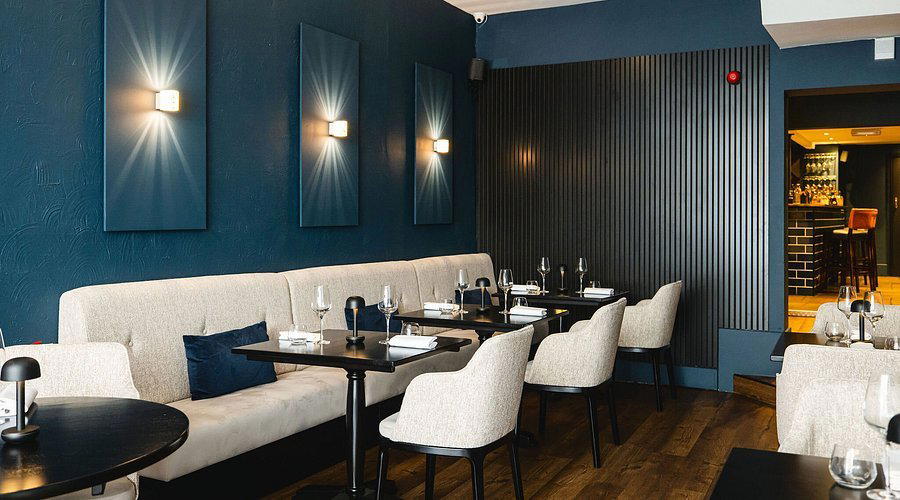
Bars in Whitchurch
Browse all →
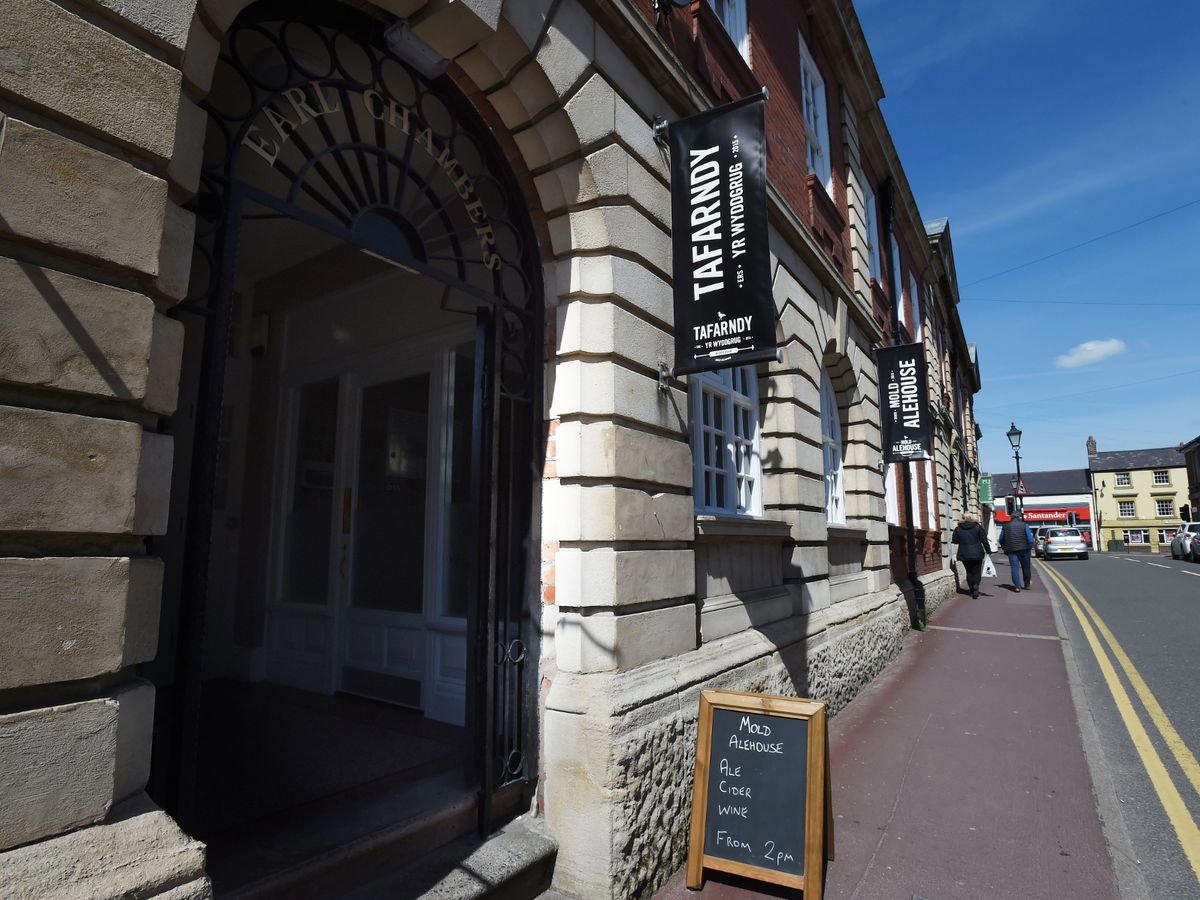
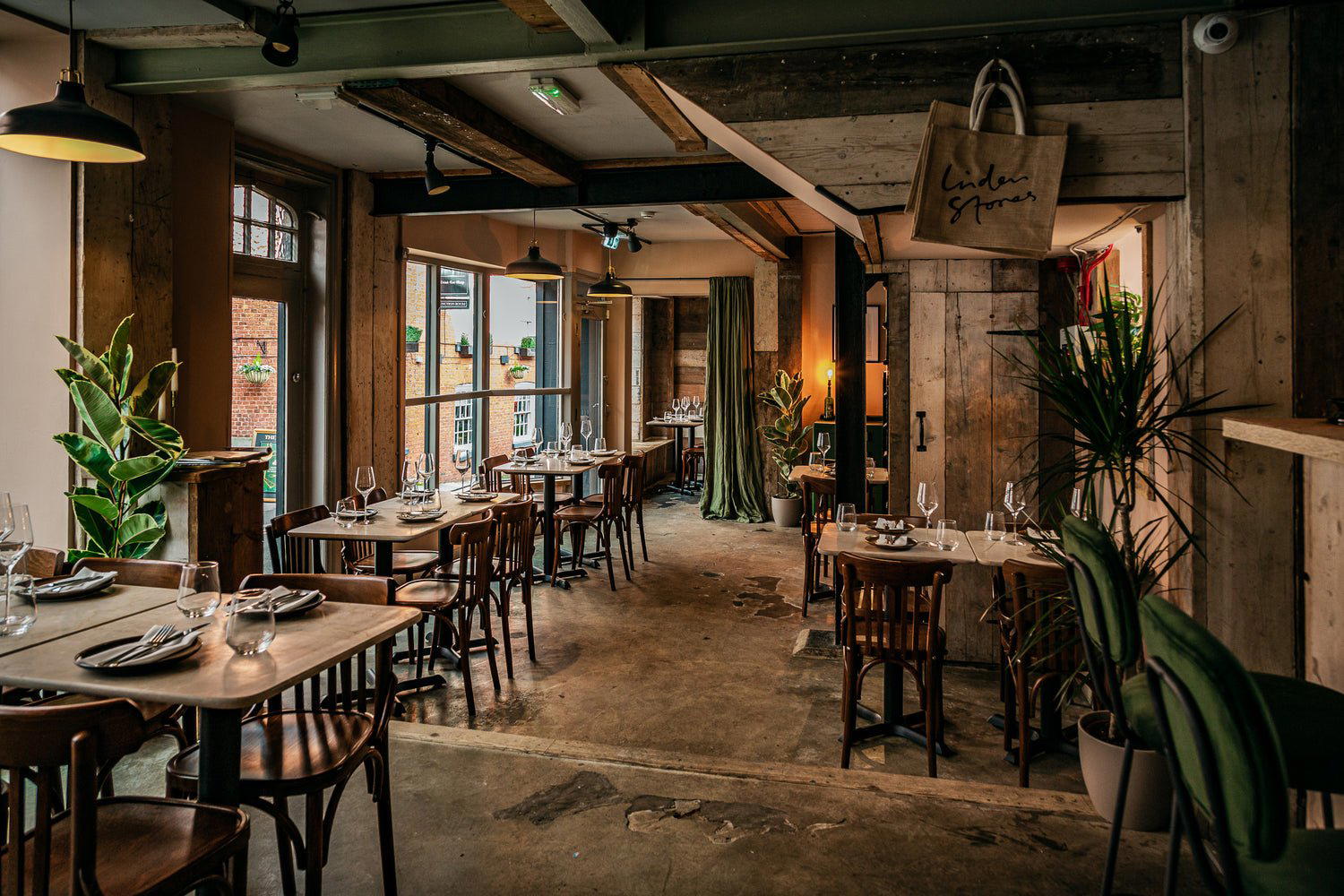
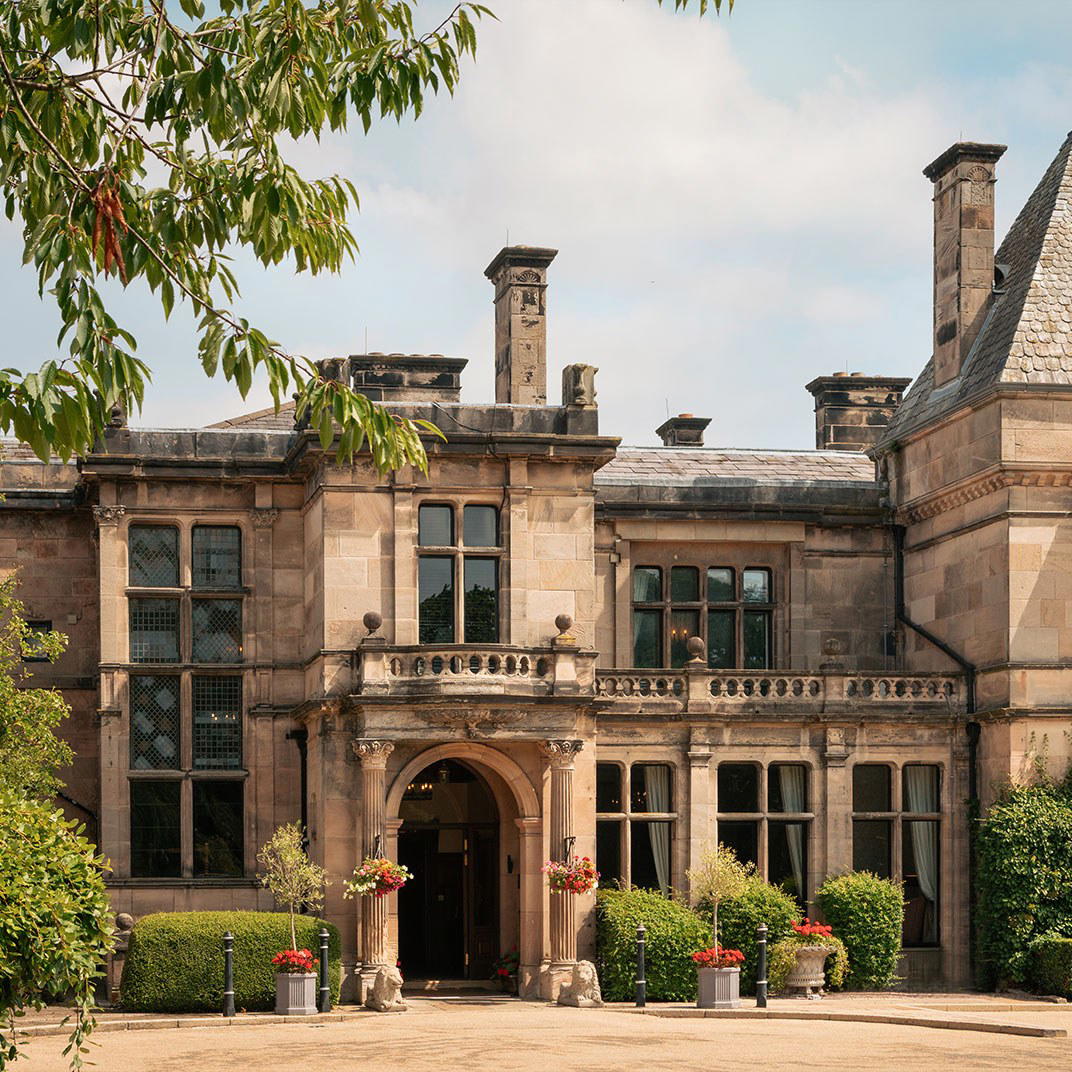
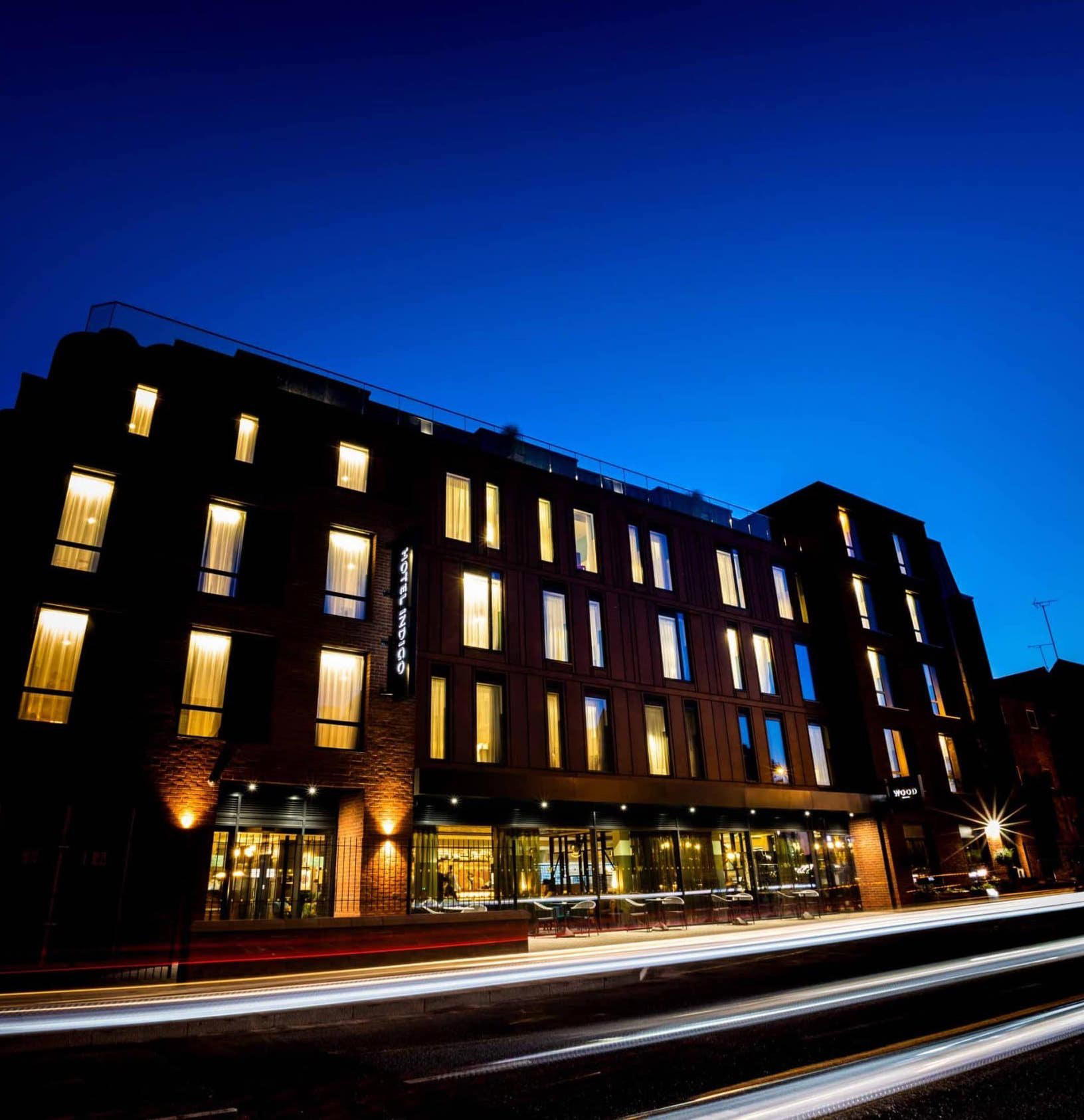
Wild Shropshire
The wine
- Wine program
- Curated wine list
- Natural wine
Details
- Intimate
- Sophisticated
- Cozy
- Modern
- Date Night
- Celebration
- Special Occasion
- Private Event
- Standalone
- Natural Wine
- Farm To Table
- Local Sourcing
- Organic
- Biodynamic
- Tasting Menu
- Set Menu
- Wine
- Vegetarian Friendly
Current opening hours
- Monday
- Closed
- Tuesday
- Closed
- Wednesday
- 6:30–11 p.m.
- Thursday
- 6:30–10:30 p.m.
- Friday
- 6:30–11 p.m.
- Saturday
- 12:30–3:30 p.m., 6:30–11 p.m.
- Sunday
- Closed
Hours can change for holidays and private events. Last verified .
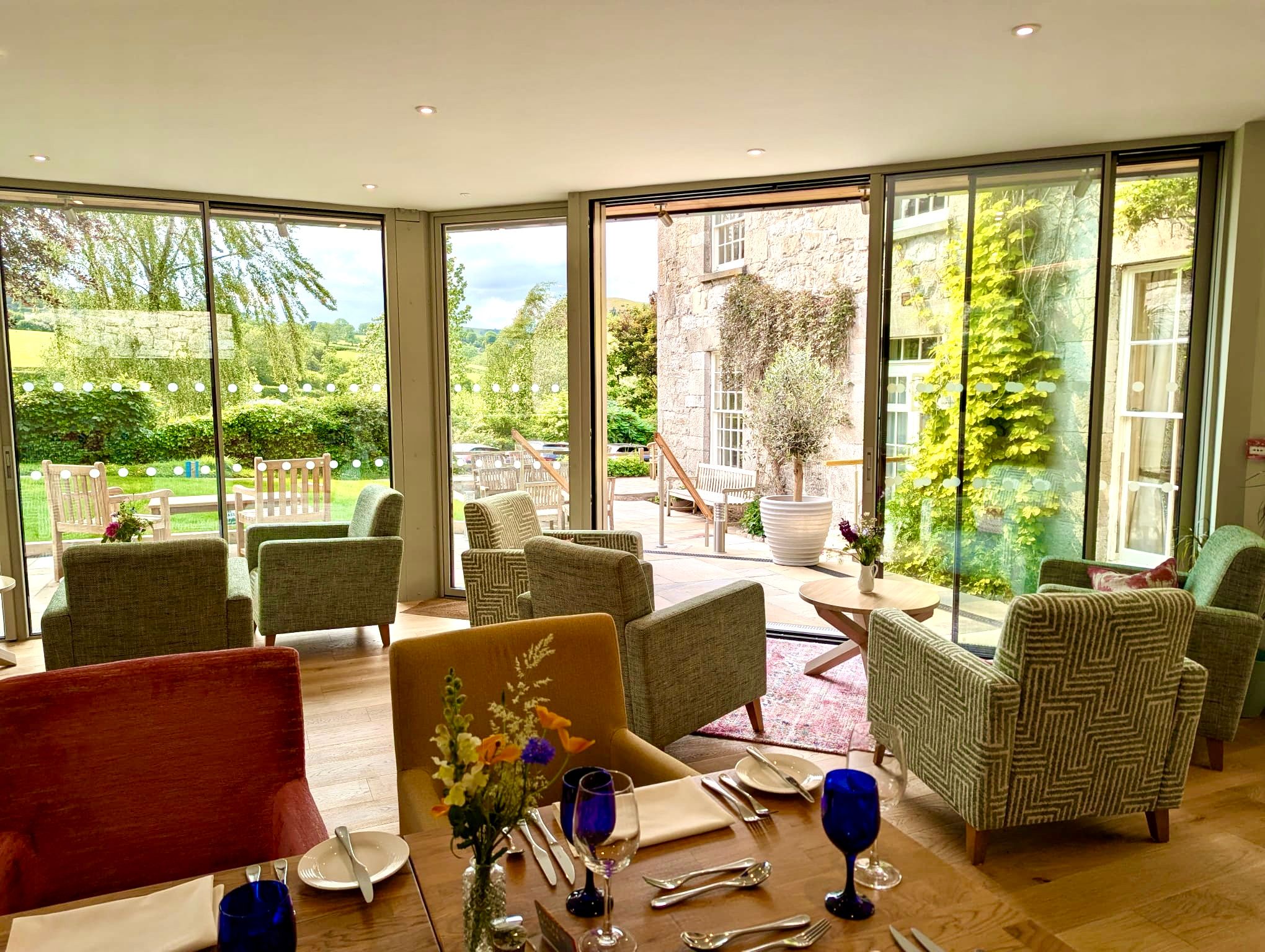
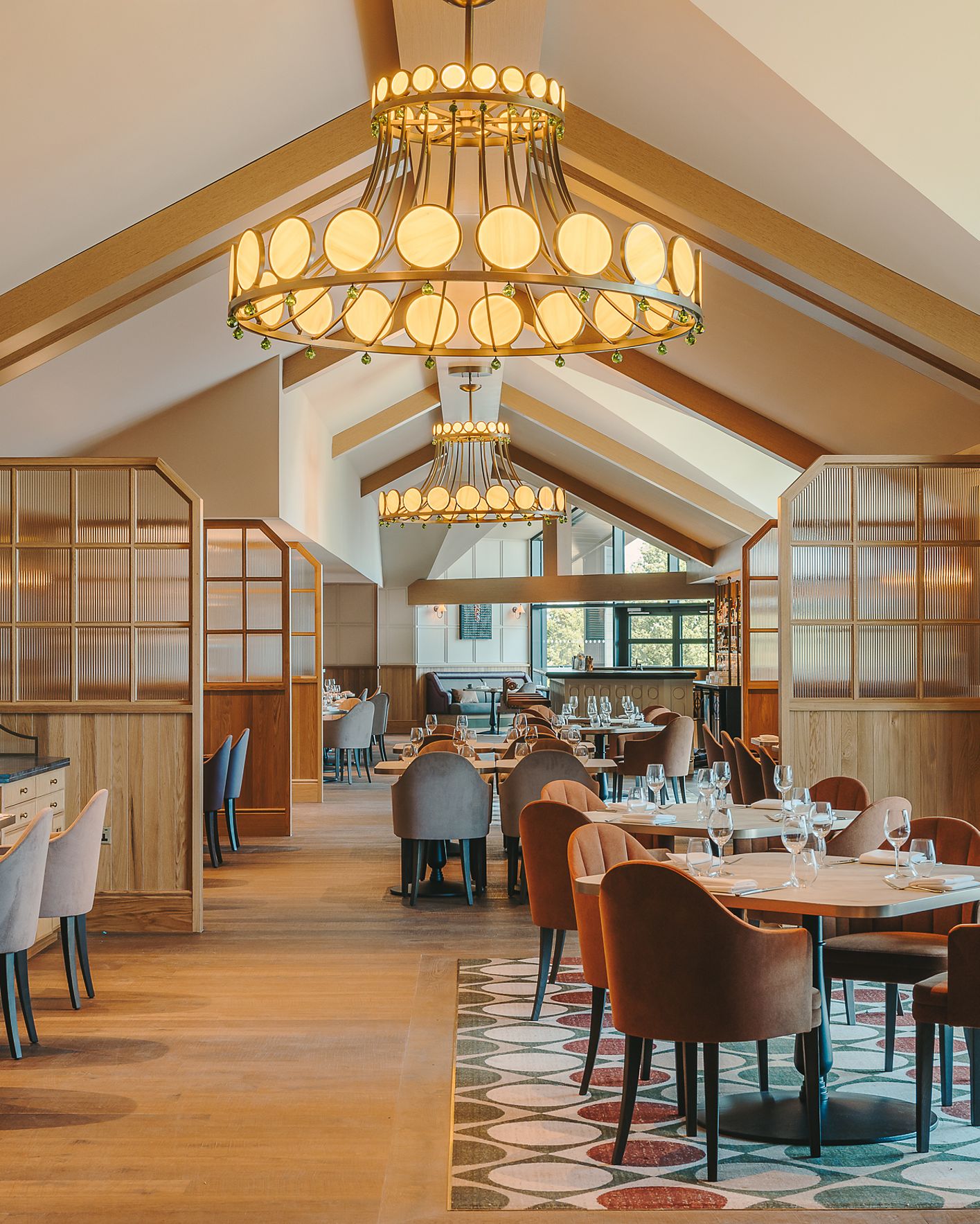
An intimate, immersive, quietly refined dining room with a calm focus on sustainability, surprise, and the unfolding tasting menu.