The Kitchen
Our verdict
Set near Meskel Square in central Addis Ababa, The Kitchen occupies a position in one of the city's most historically charged neighbourhoods. The dining culture here rewards patience and communal engagement, with meals built around shared plates and unhurried pacing. For travellers tracking Addis Ababa's evolving restaurant scene, it sits alongside the city's growing cohort of contemporary dining addresses.

Pearl is the En Primeur Club membership app, where members save venues, book tables and use the concierge.
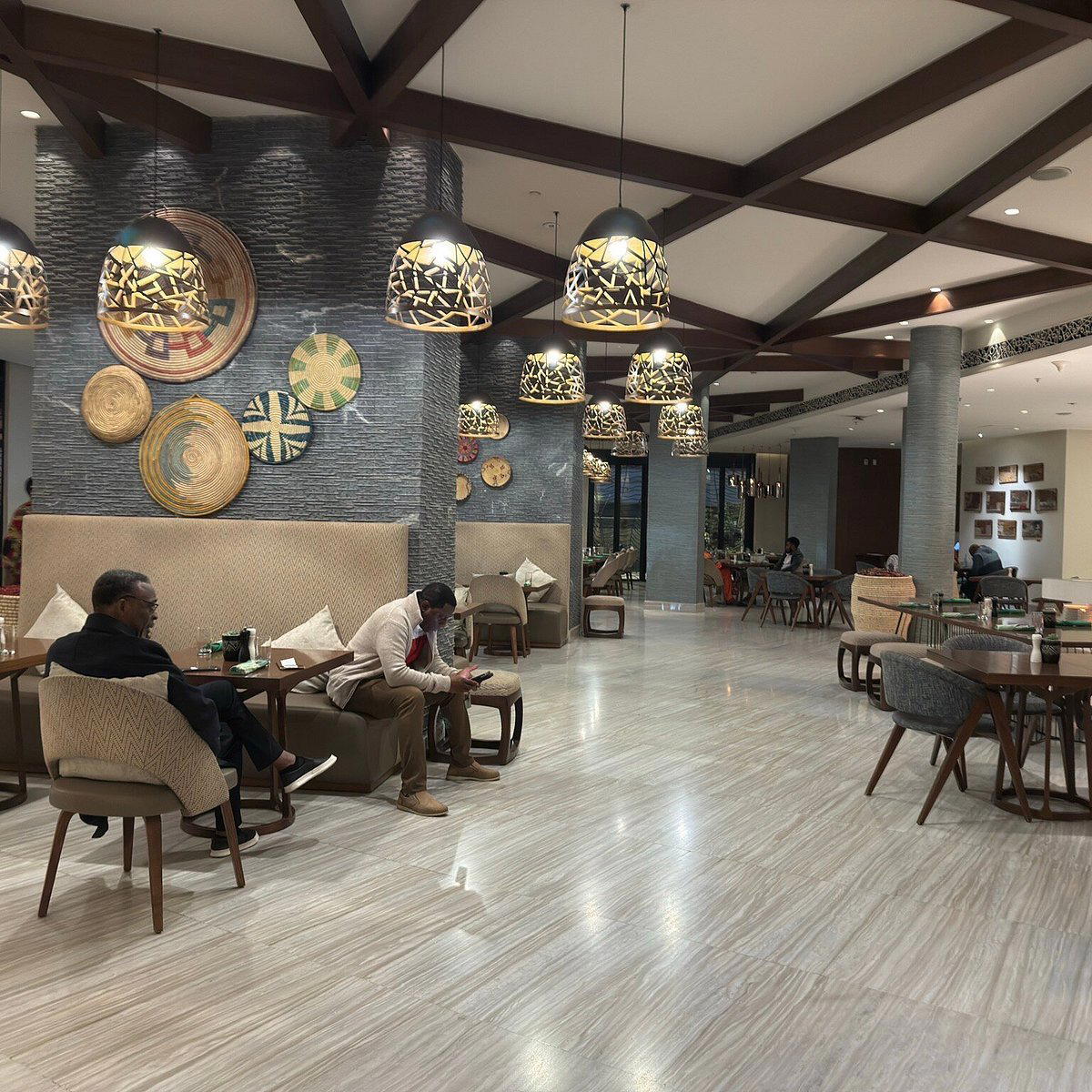
Dining at the Centre of the City
Meskel Square is one of Addis Ababa's great public reference points: a vast open plaza where the city's political, religious, and everyday rhythms converge. Restaurants in its orbit attract a cross-section of the capital's population, from government workers on weekday lunches to families gathering on weekends for long, slow meals that extend well past the last course. The Kitchen's address here places it inside that flow, a dining room shaped as much by its surroundings as by whatever is on the menu.
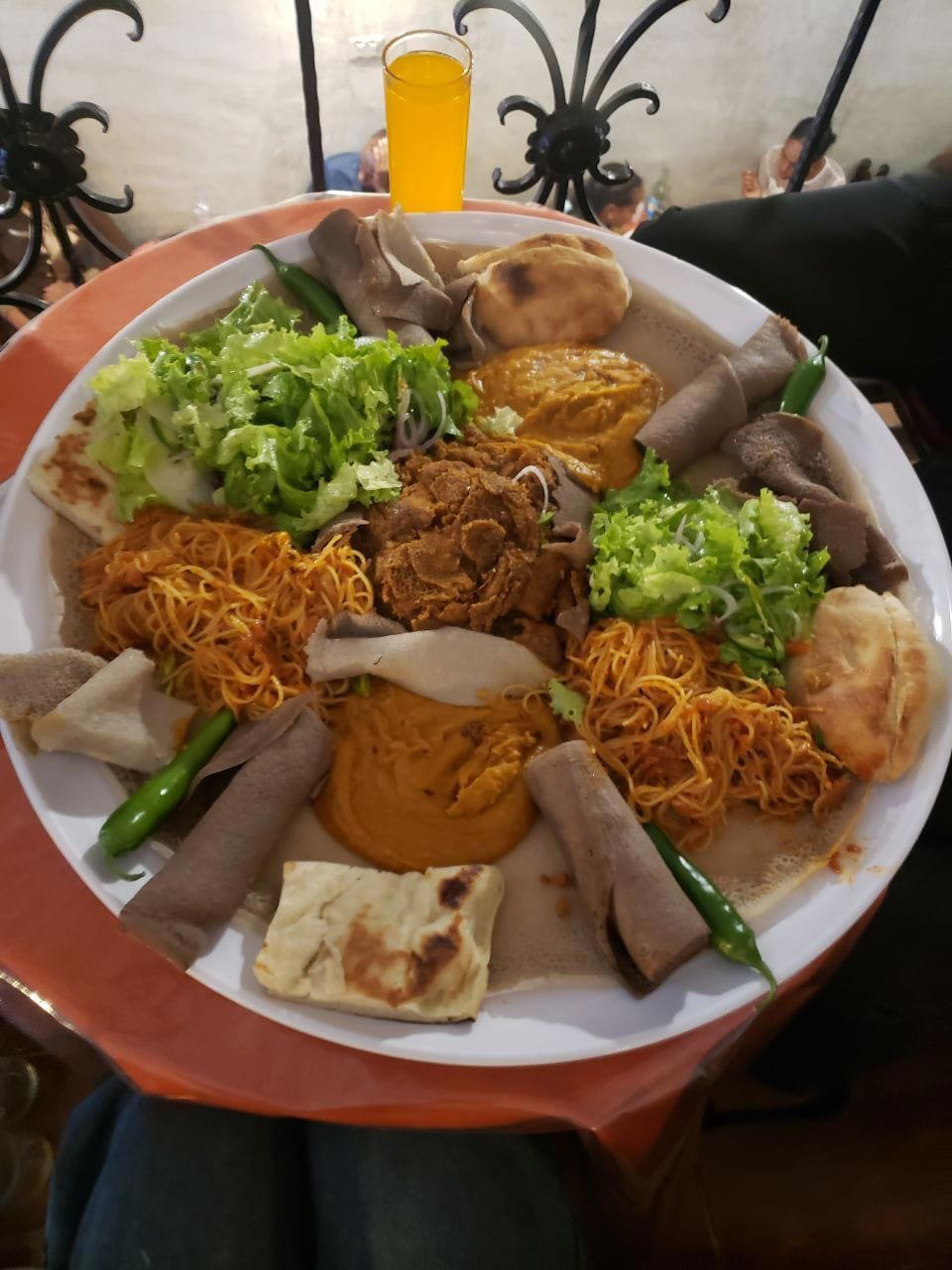
In a city where the act of eating has never been purely about food, the location matters. Ethiopian dining culture at its core is communal and deliberate: injera laid flat, stews distributed across its surface, and hands reaching from the same plate. That ritual pacing, the pause between bites, the gesture of offering a choice morsel to a companion, defines what a meal means in Addis Ababa. Any restaurant operating near Meskel Square is, whether it aims for it or not, in conversation with that tradition.
The Ethiopian Meal as Structure
Understanding how meals unfold in Addis Ababa is more useful than any menu summary. The format is largely predetermined by tradition: injera, the slightly sour fermented teff flatbread, functions simultaneously as plate and utensil. Stews (wots) arrive alongside, built from lentils, split peas, chickpeas, or slow-cooked meat, each spiced with berbere or mitmita blends that vary by household and by cook. The absence of cutlery is not an affectation; it reflects a food culture where sharing the same dish is the point of eating together.
Addis Ababa's dining scene has diversified considerably over the past decade. International cuisines are more widely available now, from Chinese noodle houses in Bole (see 兰州牛肉面 in Bole) to upscale pan-Asian formats, but the city's best-attended restaurants remain those that hold to the communal Ethiopian meal structure. Venues like Yod Abyssinia combine that structure with live cultural performance, while Kategna and Kategna Restaurant have built reputations around faithful renditions of regional Ethiopian cooking. 2000 Cultural Ethiopian Restaurant takes a more heritage-forward approach to the same tradition. The Kitchen sits among these addresses as part of a broader pattern: restaurants oriented toward the meal as an event, not just a transaction.
The Ritual of Ordering and Pacing
In Addis Ababa's mid-range and upscale Ethiopian restaurants, ordering tends to follow a logic that visitors unfamiliar with the format sometimes misread. Large mixed platters are the default for groups, arranged so that the injera covers the full surface and the various wots are positioned around it. There is usually a distinction between fasting-day menus (ye'tsom), which are fully plant-based and observed by many Ethiopian Orthodox Christians on Wednesdays and Fridays, and non-fasting menus that include kitfo (minced beef, often served raw or lightly warmed), tibs (sautéed meat), and various organ preparations.
That religious and seasonal dimension gives Ethiopian restaurant menus a rhythm that most global cuisines lack. A regular at a well-regarded Addis Ababa restaurant tends to know which days to go for the fasting spread and which for meat-heavy orders. Coffee, served in the traditional ceremony with three rounds (abol, tona, baraka), typically closes the meal rather than interrupting it. That sequence, from injera to coffee ceremony, structures a sitting that can run two hours or longer without feeling slow.
Where The Kitchen Sits in the City's Dining Tier
Addis Ababa's restaurant market does not map neatly onto the tiered systems used in cities like Hong Kong or Paris, where venues such as 8 1/2 Otto e Mezzo Bombana or Alléno Paris au Pavillon Ledoyen compete within formalised award structures. Ethiopian dining is not yet part of the Michelin ecosystem, and local prestige is earned through a different calculus: consistency of flavour, quality of ingredients, and the feel of a room that draws both expatriates and local professionals. Proximity to a landmark like Meskel Square is itself a signal, as high-footfall central locations carry reputational weight in a city where word-of-mouth remains the dominant discovery mechanism.
For context on how the regional tradition translates across Ethiopia's cities, the Four Sisters Restaurant in Gondar and Tasty Cafe in Harar illustrate how local character inflects what is otherwise a shared national food culture. Addis Ababa restaurants like The Oriental signal the capital's appetite for formats outside the Ethiopian tradition. The Kitchen's positioning near Meskel Square suggests it draws from both the city's local dining culture and its growing international traffic.
Planning Your Visit
The practical reality of dining in Addis Ababa is that phone and online booking systems are less formalised than in cities where reservation platforms are standard. Walk-in dining remains common across most of the city's non-hotel restaurants. Weekend evenings around Meskel Square attract the largest crowds, so arriving by early evening gives the leading chance of a relaxed table. The neighbourhood is accessible from most central hotels, and the square itself is a useful orientation point for first-time visitors to the city. For a broader map of where The Kitchen fits among the capital's dining options, see our full Addis Ababa restaurants guide.
Frequently asked questions
Is The Kitchen good for families?
Ethiopian dining in Addis Ababa is structurally well-suited to groups of all sizes, including families. Shared injera platters mean everyone eats from the same spread, which removes the pressure of individual ordering and works naturally for mixed-age tables. The Meskel Square location makes The Kitchen straightforward to reach from central Addis Ababa.
Is The Kitchen better for a quiet night or a lively one?
Meskel Square is one of Addis Ababa's most active public spaces, and restaurants in the area tend to reflect the energy of the plaza rather than operate as hushed retreats. Expect a communal, convivial atmosphere shaped by the surrounding neighbourhood rather than a controlled fine-dining quiet. If you are after stillness, the timing of your visit matters more than the venue itself.
What is it like to eat Ethiopian food near Meskel Square in Addis Ababa?
Meskel Square anchors one of the most historically loaded parts of central Addis Ababa, and dining near it means eating within sight of the rhythms that define the city's public life. The Ethiopian meal format at venues like The Kitchen follows a communal logic, injera as the base, shared wots and accompaniments ordered as a spread, that differs substantially from European or East Asian restaurant conventions. First-time visitors benefit from understanding that pacing and portion logic here are tradition-led, not menu-led.
What do regulars order at The Kitchen?
In Addis Ababa's mid-range Ethiopian restaurants, the ordering pattern is largely shaped by tradition rather than an à la carte menu. Regular visitors typically build a spread around injera with a selection of wots, stewed legume or meat preparations, allowing the table to share across multiple dishes. The format is less about a single signature item and more about the composition of the full spread.
What's The Kitchen's location?
The Kitchen is located at Meskel Square, 1250 አዲስ አበባ, Addis Ababa.
Do I need a reservation for The Kitchen?
Reservation infrastructure in Addis Ababa operates differently from cities with centralised booking platforms. Phone and online systems are less formalised across the city's dining scene, including at venues near Meskel Square. Arriving with a time buffer and confirming directly through available local contacts is the practical approach for visitors planning ahead.
What is The Kitchen known for?
The Kitchen is positioned at Meskel Square, one of Addis Ababa's most recognisable civic addresses, placing it at the intersection of the city's political, religious, and daily life. Its dining format follows the Ethiopian communal meal structure, injera with shared accompaniments, that defines the mid-range and upscale tier of the city's restaurant scene. The location itself is as much a reference point as the food.
Cuisine-First Comparison
Comparable venues nearby, for context on price, style, and recognition.
| Venue | Cuisine | Price | Notes |
|---|---|---|---|
| The KitchenThis venue (the venue you are viewing) | Middle Eastern | $20–30 | Not listed |
| Yod Abyssinia | Traditional Ethiopian Cultural | $10–20 | Bole Medhaniyalem |
| Kategna | Traditional Ethiopian | $10–20 | Bole |
| Kategna Restaurant | Traditional Ethiopian | $10–20 | Bole Medhanialem |
| The Oriental | Asian-Western BBQ Fusion | $20–30 | Meskel Square |
| 2000 Cultural Ethiopian Restaurant | Traditional Ethiopian Cultural | $10–20 | Bole |

Continue exploring
More in Addis Ababa
Restaurants in Addis Ababa
All restaurants in Addis Ababa →
Bars in Addis Ababa
All bars in Addis Ababa →
Hotels in Addis Ababa
All hotels in Addis Ababa →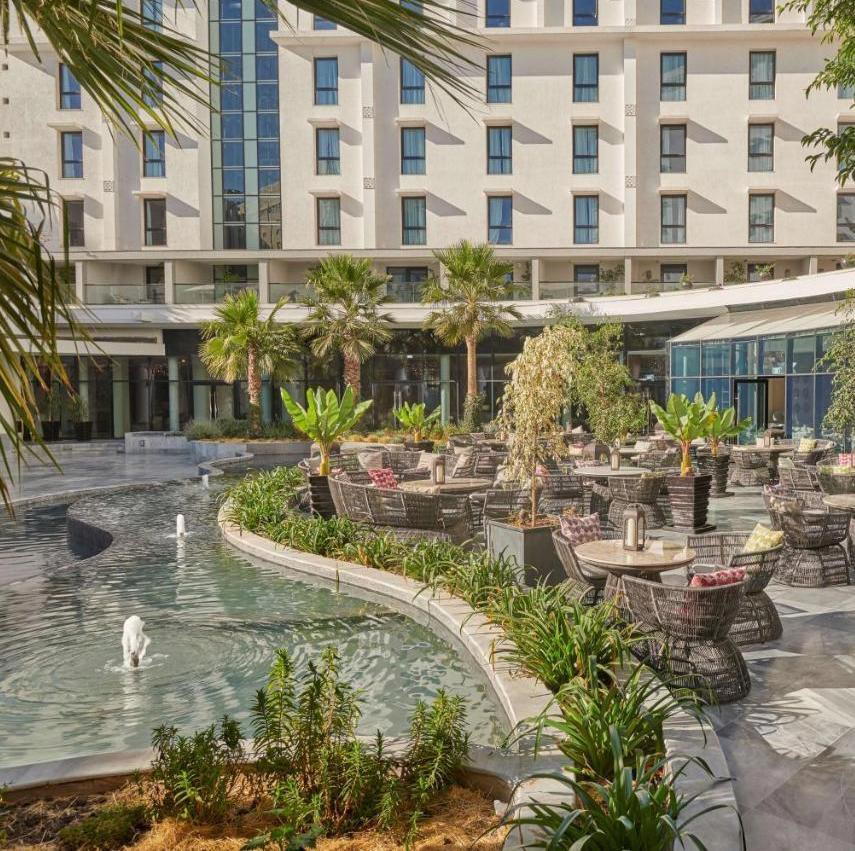
Details
- Modern
- Casual
- Breakfast
- Lunch
- Dinner
- Open Kitchen
- Panoramic View
- Street Scene
- A La Carte
- Vegetarian Friendly
- Vegan Options
- Gluten Free Options
Modern authentic casual atmosphere with far-reaching views over Meskel Square and an inviting open kitchen setup.