

Tabelog Silver #135
Our verdict
Tokyo’s chicken-dining culture has a serious old-school register, and Takajo Kotobuki belongs to that more formal side of the category. Its repeated Tabelog Award history and 2025 selection for Tabelog 100 Chicken Cuisine place it in a narrow band of poultry-focused restaurants where format, access and house rules matter as much as the cooking.

Pearl is the En Primeur Club membership app, where members save venues, book tables and use the concierge.
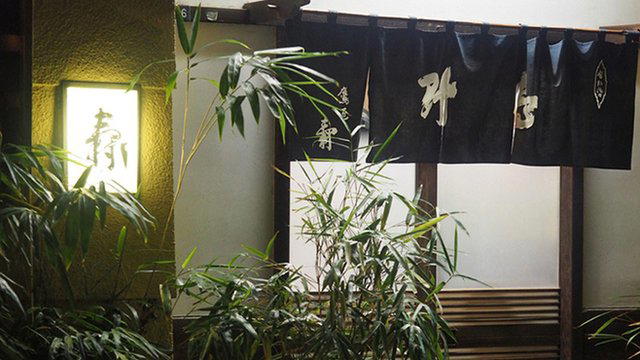
Asakusa changes character once temple crowds thin: shutters come down, side streets quieten, and Taito’s older restaurant culture feels less performative than much central Tokyo dining. Here, chicken cuisine is not shorthand for after-work skewers. It can be a tightly controlled genre, close to kappo in pacing and discretion, with poultry as the centre of the meal rather than an opening act before noodles or rice.
Takajo Kotobuki sits in that older register. Its public signals are unusually clear for this category: The Tabelog Award 2026 Silver, a Tabelog score listed at 4.38 for 2026, prior Bronze and Silver recognition across multiple years, and selection for Tabelog 100 Chicken Cuisine 2025. In Tokyo, where sushi and tempura draw much international attention, recognition for chicken dishes says something specific. It points to a serious audience for poultry restaurants built on ceremony, restraint and a narrow culinary brief.
Chicken cuisine treated as a formal Tokyo genre
Tokyo has always been strong at specialist dining, but poultry occupies a more particular lane than beef, sushi or ramen. Yakitori is the democratic face: counter heat, smoke and fast decisions. Chicken cuisine at this level is different: less bar energy, more controlled sequence, product selection and the confidence to keep the meal focused. The attraction is not variety for its own sake, but how one animal can carry an evening without repetition becoming fatigue.
That focus explains why awards matter. A single-cuisine restaurant has fewer distractions. It cannot lean on luxury seafood, a long French vocabulary or theatrical room if the central ingredient is not persuasive. The Tabelog Award record, including Silver recognition in 2026 and earlier Silver years, gives Takajo Kotobuki public credibility aligned with destination dining rather than neighbourhood convenience. The OAD Japan ranking history adds another signal, placing the name inside an opinionated restaurant conversation beyond domestic review culture.
The chef line is listed simply as “Various,” which is useful. Many mature Tokyo specialist restaurants rely less on a biographical hook than on continuity of craft, house discipline and the shared grammar of the category. The relevant story is culinary evolution at genre level: chicken moving from after-hours fuel to formal dinner format, then earning recognition on lists usually dominated by broader tasting-menu restaurants.
Asakusa gives the room its context
Asakusa is often described through tourism, but its dining identity is older and more domestic than that shorthand suggests. The district retains a Tokyo restaurant culture predating Ginza’s glass-tower luxury and the bilingual polish of hotel dining rooms: small rooms, defined rules, regulars, cash habits in some places and an expectation that guests understand the tone before arrival.
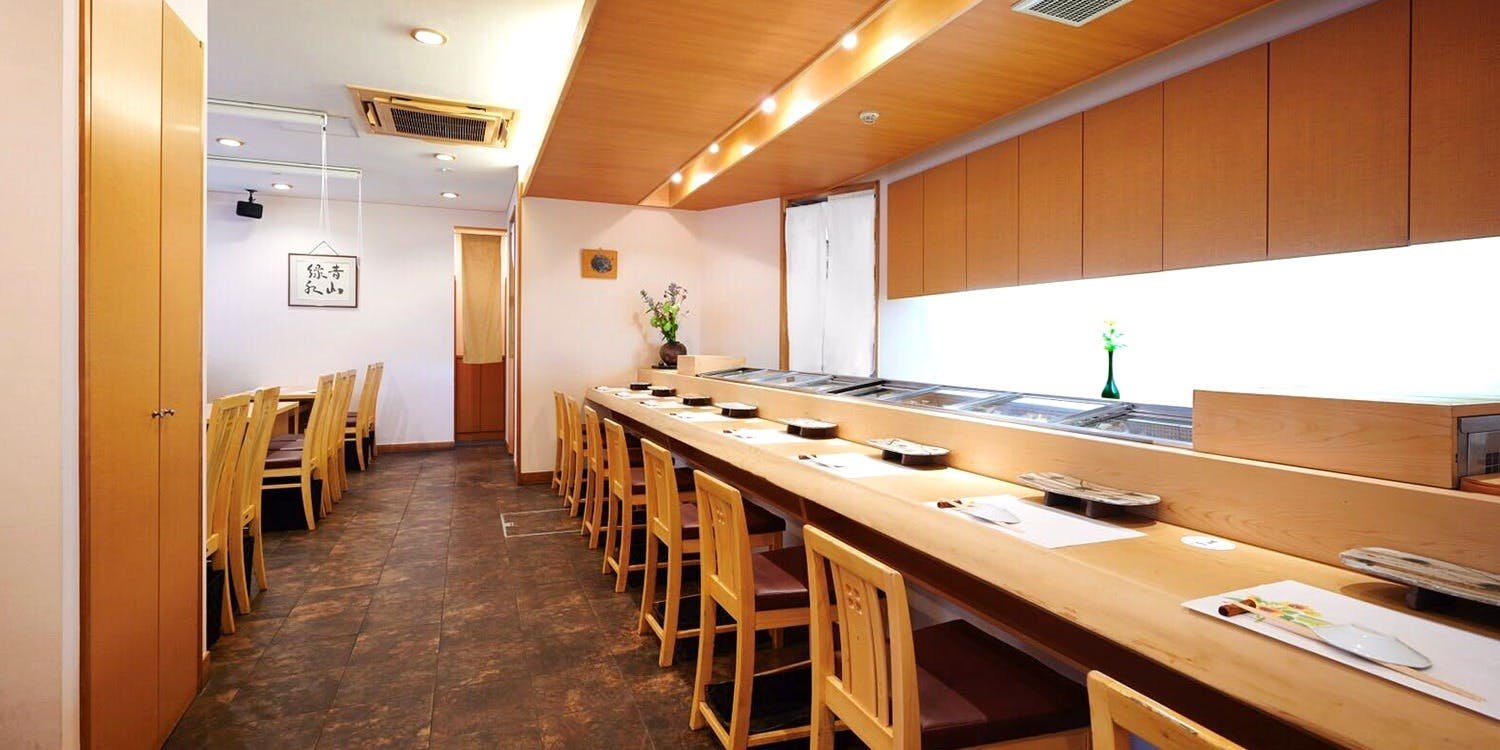
That context matters because Takajo Kotobuki’s public details point to a tightly managed experience: private rooms for groups of four, six and eight, private use available, photography not allowed, and no walk-ins. Those details set the atmosphere before any plate arrives. This is not the open-counter theatre many visitors associate with Tokyo poultry dining. It reads as a house restaurant: contained, controlled and better suited to guests who value privacy and focus over spectacle.
Smoking is listed as allowed, a detail that will divide readers more than any award badge. In Tokyo, this is not unheard of in older or private-room-led restaurants, but it changes the decision for travellers used to fully non-smoking fine dining. The same applies to payment: credit cards, electronic money and QR code payments are listed as not accepted. These practical signals belong to a broader style of Japanese restaurant that prizes continuity over convenience. They are not incidental; they shape who should go and how prepared they need to be.
Who should prioritise it in Tokyo
The strongest case is for diners who already understand Tokyo’s specialist hierarchy and want to see how far chicken cuisine can be taken inside a disciplined Japanese format. It is less suitable as a first-night Tokyo dinner for travellers trying to sample the city broadly. The commitment is narrower, the rules firmer, and the category rewards attention to incremental variation rather than novelty.
There is also a distinction between recognition and accessibility. Awards can make a restaurant sound outward-facing, but this style of Tokyo dining often remains culturally compact. Reservations are available, yet the no-walk-in note and house rules mean it should be approached with planning and respect for its operating rhythm. The dinner budget listed on Tabelog places it in a serious spend category for poultry, exactly the point: it is priced and recognised as a specialist destination, not an upgraded yakitori stop.
For a wider Tokyo itinerary, use Takajo Kotobuki as the poultry-focused anchor and build around it rather than stacking it against unrelated genres. For broader city research, Our full Tokyo restaurants guide gives the wider dining frame, while Our full Tokyo hotels guide, Our full Tokyo bars guide, Our full Tokyo wineries guide and Our full Tokyo experiences guide help place the meal inside a fuller trip. Nearby Tokyo restaurant pages such as. 鮪と炭火焼き うお炭 秋葉原店, 12/10 Shinjuku ten, 124. KAGURAZAKA (Yakitori), 2D Cafe and 3 Chome no Curry Ya San are separate planning references, not like-for-like comparisons.
Across Japan and beyond, EP Club’s restaurant coverage also includes -Grilled beef Sukiyaki- KAMAKURA TANUKIAN 鎌倉 たぬき庵 in Kamakura.cafe in Osaka.know in Kumamoto, (Shoku) Vietnam in Kawasaki, [Curry Senmon Ten] Maruyama Kyoju. in Sapporo, [ki:] in Kyoto, Jōdo Saké Bar in Los Angeles and Onigiri Time in Pasadena, useful for travellers considering Japanese dining culture across cities rather than through a single meal.
Frequently asked questions
Is Takajo Kotobuki okay with children?
Those details are not published. Given the invitation-only setup, reservations available, and Takajo Kotobuki’s chicken cuisine format in Tokyo, children are best checked in advance with the restaurant before booking. Check the venue's official channels for the latest details.
What's the vibe at Takajo Kotobuki?
Takajo Kotobuki reads as a reservation-led Tokyo chicken restaurant with a private-room format, smoking allowed, and no walk-ins. Its 2026 Tabelog Silver award and 2025 Tabelog 100 selection point to a serious dining room rather than a casual stopover.
What should I expect cuisine-wise at Takajo Kotobuki?
Takajo Kotobuki serves Game/Fowl cuisine.
What is Takajo Kotobuki known for?
Takajo Kotobuki is primarily known for Game/Fowl in Tokyo.
Price and Positioning
Comparable venues nearby, for context on price, style, and recognition.
| Venue | Cuisine | Price | Awards | Notes |
|---|---|---|---|---|
| Takajo KotobukiThis venue (the venue you are viewing) | Traditional Japanese Game Fowl | $100–150 | Tabelog Silver #135 | Not listed |
| Minami Aoyama Nanachome | Premium Yakitori | $200–300 | Tabelog Bronze #309 | Minato, Premium Yakitori |
| UDATSU SUSHI | Modern Omakase Sushi | $200–300 | Michelin Plate | Meguro, Modern Omakase Sushi |
| Tomura | Kyoto-style Kaiseki | $300–500 | Tabelog Bronze #469 | Minato, Kyoto-style Kaiseki |
| Tagetsu | Modern Seasonal Kaiseki | $150–200 | Tabelog Bronze #443 | Minato, Modern Seasonal Kaiseki |
| Akebonobashi Kazu | Modern Kaiseki Omakase | Not listed | Michelin Plate | Shinjuku, Modern Kaiseki Omakase |
Recognition history
Dated appearances from independent guides and award organizations, with the underlying list record or original source where available.
Opinionated About Dining Top Restaurants in Japan Ranked #147
Opinionated About Dining
Tabelog Silver #135
Tabelog
Full recognition history (7 entries)
Opinionated About Dining Top Restaurants in Japan Ranked #133
Opinionated About Dining
Tabelog 100 #55 · No. 55
Tabelog · Tabelog 100 - Chicken cuisine - 2025
Tabelog Bronze
Tabelog
Opinionated About Dining Top Restaurants in Japan Ranked #133
Opinionated About Dining
Opinionated About Dining Top Restaurants in Japan Ranked #128
Opinionated About Dining
Continue exploring
More in Tokyo
More from Chef Various
Browse all →
Restaurants in Tokyo
All restaurants in Tokyo →
Bars in Tokyo
All bars in Tokyo →


Details
- Classic
- Intimate
- Special Occasion
- Historic Building
- Byob
- A La Carte
Current opening hours
- Monday
- 11 AM–2:30 PM, 4–11 PM
- Tuesday
- 11 AM–2:30 PM, 4–11 PM
- Wednesday
- 11 AM–2:30 PM, 4–11 PM
- Thursday
- 11 AM–2:30 PM, 4–11 PM
- Friday
- 11 AM–2:30 PM, 4–11 PM
- Saturday
- 11 AM–2:30 PM, 4–11 PM
- Sunday
- 11 AM–2:30 PM, 4–10 PM
Hours can change for holidays and private events. Hours as of .
Cozy, historic atmosphere in a narrow alleyway with old Shitamachi charm from the proprietress.