

Sushi Nomura occupies a quiet lane off Ren'ai Road in Da'an District, where Chef Yuji Nomura runs one of Taipei's most critically tracked sushi counters. Ranked #403 in Opinionated About Dining's Asia list in 2024 and climbing to #433 in 2025, with a Michelin Plate to its name, it sits in the upper tier of the city's Japanese dining scene. Lunch and dinner sittings run Tuesday through Sunday.
Pearl is the En Primeur Club membership app — saves, bookings, and concierge access live there. Same editors, same standards.
- Address
- No. 4號, Alley 19, Lane 300, Section 4, Ren'ai Rd, Da’an District, Taipei City, Taiwan 106
- Phone
- +886 2 2707 7518
- Website
- zh-tw.facebook.com
- Directions
- Get directions
 Saves & bookings on Pearl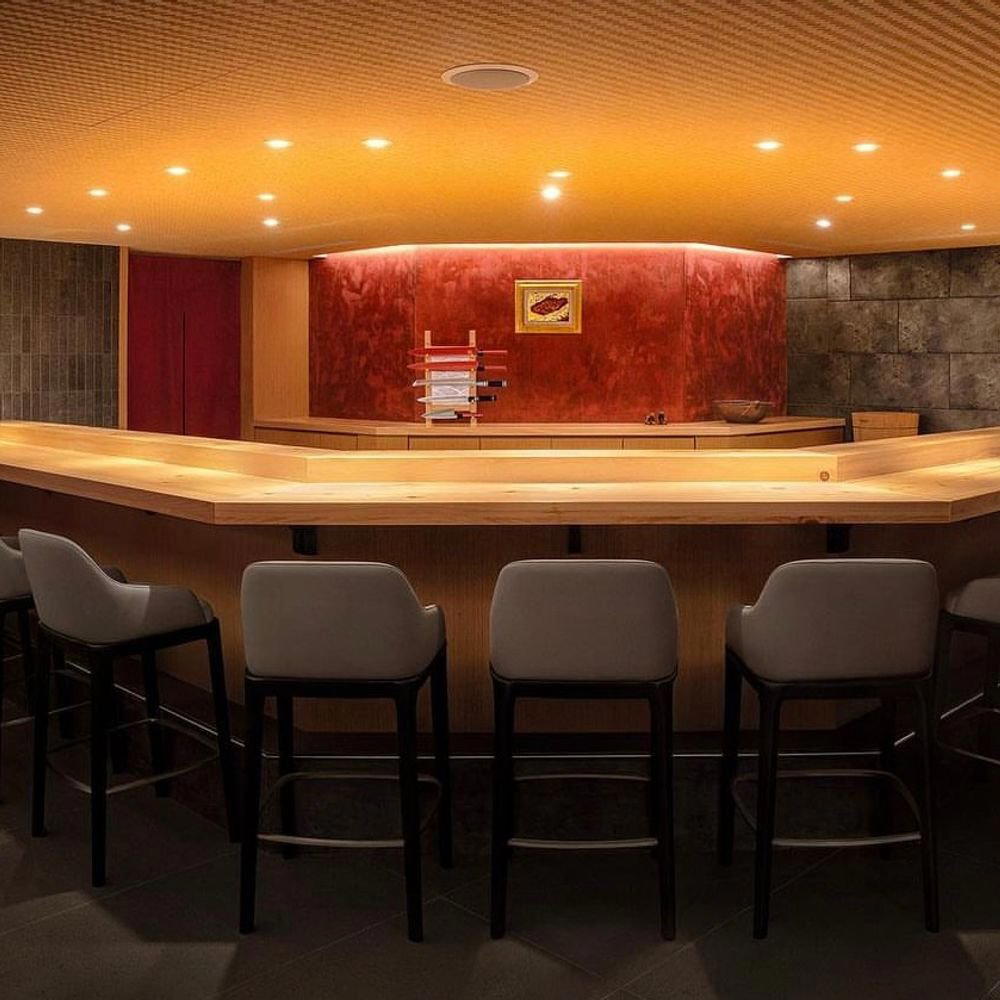
A Counter on a Quiet Lane, in a City That Takes Sushi Seriously
The approach to Sushi Nomura sets the register before you sit down. Lane 300 off Section 4 of Ren'ai Road in Da'an District is the kind of address that requires a deliberate search, a narrow alley in one of Taipei's most composed residential-commercial neighbourhoods, away from the pedestrian noise of Zhongxiao and the tourist circuits further north. This is the physical grammar of serious omakase counters across East Asia: remove yourself from the main road, and you signal to the guest that what happens inside demands full attention.
Da'an has become the gravitational centre of Taipei's highest-tier Japanese dining. The district's combination of long-resident Japanese expatriates, a well-travelled local professional class, and sufficient population density to sustain $$$$ price points has made it the neighbourhood where credentialled sushi counters tend to locate. Sushi Nomura is one of several in this bracket, alongside peers such as Sushi Akira, Sushi Ryu, and Qi 27 (Sushi 27), a cluster that reflects just how developed the city's Japanese fine dining infrastructure has become over the past decade.
What Critical Recognition Actually Signals Here
Sushi Nomura holds recognition worth noting. The Michelin Plate, awarded in 2024, signals reliable standards in rice temperature, fish sourcing, knife technique, and sequence. In a city where Michelin's Taiwan guide has grown increasingly precise about differentiating within the Japanese category, a Plate at a sushi counter means the fundamentals: rice temperature, fish sourcing, knife technique, and sequence are all at a level the guide considers reliable.
The more granular signal comes from Opinionated About Dining (OAD), the critic-survey ranking that weights regular, experienced diners over first-visit impressions. The restaurant appeared at #403 in the OAD Leading Restaurants in Asia ranking for 2024, then shifted to #433 in 2025. Movement within the OAD Asia list, which covers hundreds of restaurants across Japan, China, South Korea, Hong Kong, Taiwan, and Southeast Asia, is not a simple up-or-down story. The list expands and contracts, new entrants displace existing ones, and a position in the 400s across the full Asia pool still represents meaningful critical standing.
Across Taipei's $$$$ sushi tier, OAD recognition functions as a peer-set filter. Counters that hold both OAD placement and Michelin acknowledgment occupy a specific bracket: critically tracked, repeated-visit-worthy, priced at a level that assumes the guest is choosing between this and comparable counters in Tokyo, Hong Kong, or Singapore.
Taipei's Omakase Scene and Where Nomura Sits Within It
Taipei's Japanese fine dining infrastructure has followed a pattern visible across East Asian cities with high Japanese expatriate populations and strong culinary tourism. The first wave brings accessible mid-tier Japanese restaurants. The second wave brings premium a la carte. The third, which Taipei is now firmly inside, brings serious omakase counters with chef credentials, imported Japanese fish supply chains, and pricing structures that compete with Tokyo's mid-tier omakase bracket rather than local alternatives.
Within this third wave, Taipei has developed enough depth that meaningful distinctions exist. Some counters emphasise Taiwanese fish alongside Japanese imports. Others maintain stricter Edomae discipline. Sasa and Kitcho each occupy distinct positions within the same broad tier. The restaurant, operating under Chef Yuji Nomura with a service structure of two sessions daily, runs with fixed sessions and closed Mondays.
Lunch runs from noon to 2pm and dinner from 6:30 to 10pm. This session architecture is the same one used across the genre from Tokyo's Ginza counters to the handful of Singaporean and Hong Kong rooms that have achieved regional recognition.
The Broader Taiwan Dining Picture
The restaurant sits within a Taiwan dining scene that has attracted sustained international critical attention beyond Taipei. JL Studio in Taichung and GEN in Kaohsiung have both developed followings among Asia-focused critics, while south in Tainan, A Cun Beef Soup on Baoan Road represents the depth of the island's non-fine-dining culinary record. The range across Taiwan, from indigenous-influenced cooking at Akame in Wutai Township to the resort dining at Volando Urai Spring Spa and Resort, gives context to what the restaurant represents within the island's $$$$ dining tier: one of several internationally recognised addresses, each operating within a specific genre.
For those building a Taipei visit around serious dining, the restaurant belongs on the shortlist for the Japanese counter slot. It holds both broad approval and specific critical acknowledgment, a combination that tends to indicate consistent execution rather than occasional brilliance.
Know Before You Go
- Address: No. 4, Alley 19, Lane 300, Section 4, Ren'ai Road, Da'an District, Taipei 106
- Hours: Tuesday to Sunday, Lunch 12:00 to 2:00 pm, Dinner 6:30 to 10:00 pm; Monday closed
- Price range: $$$$
- Awards: Michelin Plate (2024); OAD Leading Restaurants in Asia #403 (2024), #433 (2025) 5 from 641 reviews
- Chef: Yuji Nomura
- Booking: Advance reservation advised, omakase counters at this price tier in Da'an fill sessions quickly, particularly weekend dinner slots
Comparable Spots, Quickly
Comparable venues nearby, for context on price, style, and recognition.
| Venue | Cuisine | Price | Awards | Notes |
|---|---|---|---|---|
| Sushi NomuraThis venue — the venue you are viewing | Edomae Sushi Omakase | $$$$ | Michelin Plate | Not listed |
| Kiku | Kappo | $$$$ | Michelin Plate | Dunhuang |
| Fumée Yakitori | Modern Yakitori Kappo | $$$$ | Michelin Plate | Kangle |
| Sushi Kaori | Edomae Omakase Sushi | $$$$ | Michelin Plate | Juye |
| Tempura Sugimura | Japanese Tempura Counter | $$$$ | Michelin Plate | Xikang |
| 大腕燒肉 | Michelin-Starred Japanese Yakiniku | $$$$ | Not listed | Zhongshan District |
Recognition history
Dated appearances from independent guides and award organizations, with the underlying list record or original source where available.
Michelin Plate
Michelin
Opinionated About Dining Top Restaurants in Asia Recommended
Opinionated About Dining
Opinionated About Dining Top Restaurants in Asia Ranked #433
Opinionated About Dining
Michelin Plate
Michelin
Opinionated About Dining Top Restaurants in Asia Ranked #403
Opinionated About Dining
Continue exploring
More in Taipei
Restaurants in Taipei
Browse all →
Bars in Taipei
Browse all →
Hotels in Taipei
Browse all →
Wineries in Taipei
Browse all →
At a Glance
- Elegant
- Intimate
- Minimalist
- Special Occasion
- Date Night
- Chefs Counter
- Sake Program
Current opening hours
- Monday
- Closed
- Tuesday
- 12–2 PM, 6:30–10 PM
- Wednesday
- 12–2 PM, 6:30–10 PM
- Thursday
- 12–2 PM, 6:30–10 PM
- Friday
- 12–2 PM, 6:30–10 PM
- Saturday
- 12–2 PM, 6:30–10 PM
- Sunday
- 12–2 PM, 6:30–10 PM
Hours can change for holidays and private events. Last verified .
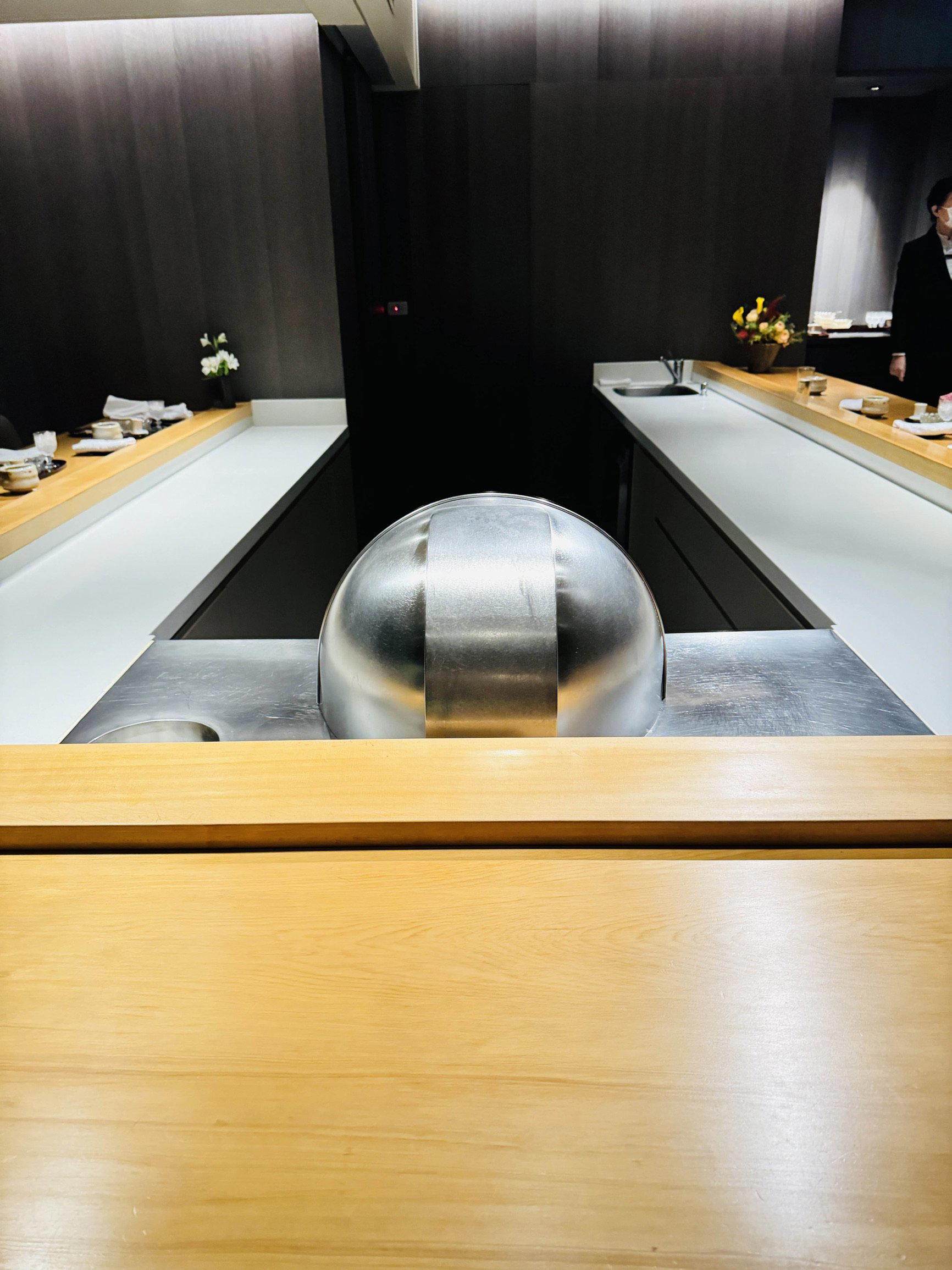
Clean, simple lines with muted hues post-2023 renovation, cozy and austere with a typical Japanese omakase vibe; intimate setting that can occasionally feel noisy.