
Michelin Bib Gourmand
Our verdict
Café, florist, and seasonal restaurant in one gentle package. Pievos anchors a corner of Birštonas with bright, vegetable-forward plates—sauerkraut broth with ravioli, roast duck with beetroot chutney—and a dessert counter chosen by eye. Fair pricing, greenery everywhere, and genuine local warmth make it a quiet fixture in Lithuania's spa-town calendar.

Pearl is the En Primeur Club membership app, where members save venues, book tables and use the concierge.
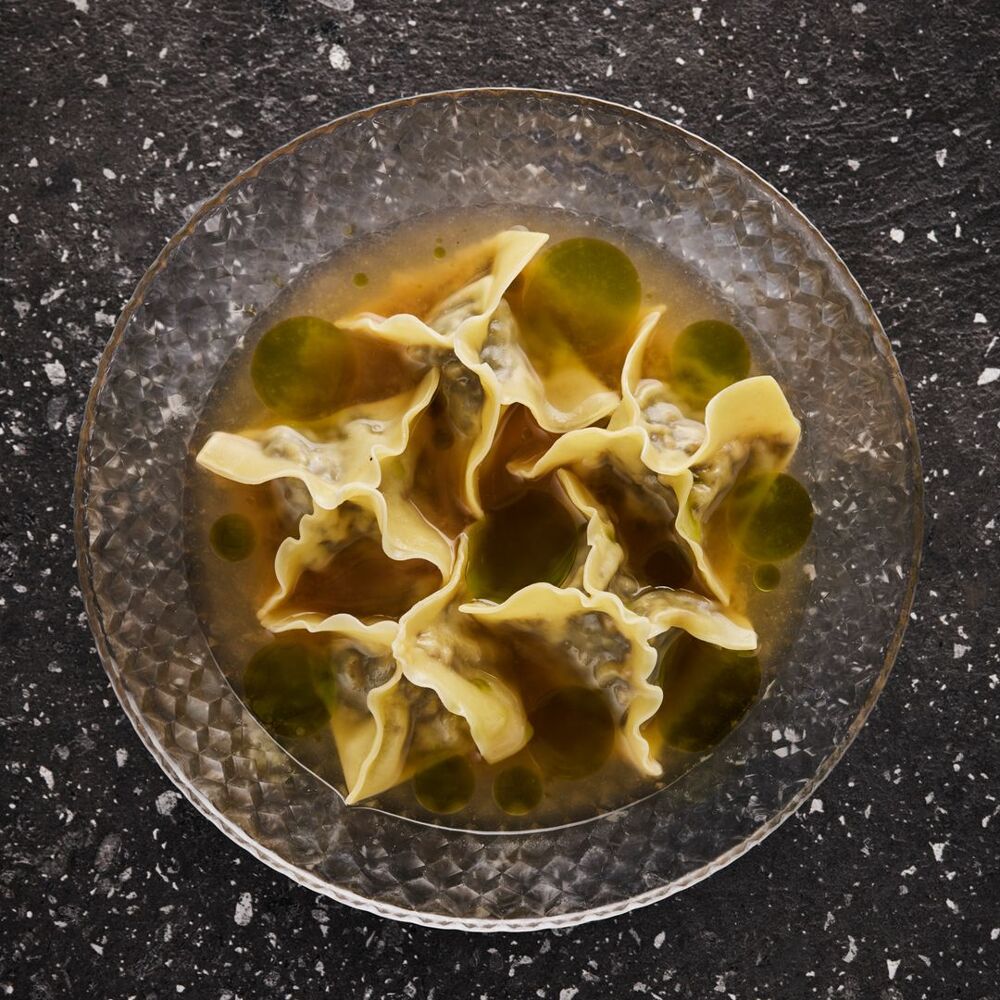
Walk into Pievos and the first thing you register is not a menu but a room lined with potted plants, cut stems in jars, and daylight filtering through wide windows. The space operates as café, florist, and restaurant in a single sweep, and the overlapping roles bleed into one another without ceremony. Tables sit near shelves of blooms; the dessert counter shares a sightline with coffee service. Birštonas, a compact spa town in Lithuania's Kaunas region, does not produce many dining venues with layered programming, most stick to one lane, but Pievos holds all three formats with ease and no apparent friction.
The menu leans toward seasonal vegetables and bright acidity. Sauerkraut broth arrives with ravioli, duck gets paired with beetroot chutney, and plates lean on color and texture rather than elaborate technique. Cooking here is direct but not casual; dishes taste clean, ingredients read as fresh, and the kitchen does not overwork what arrives from local suppliers. Lithuania's food culture traditionally favors fermentation, root vegetables, and game, and Pievos references that heritage without turning it into nostalgia. The duck, roasted, served with a tart beetroot condiment, sits squarely in the wider Baltic pattern of pairing rich protein with sharp, tannic vegetables. The sauerkraut broth brings fermentation into a lighter context, filling pasta rather than anchoring a heavy stew. Neither dish represents a radical departure from regional norms, but both adjust expectations for what seasonal, produce-driven cooking can mean at this price tier.
Greenery, Counter Service, and a Hybrid Model That Works
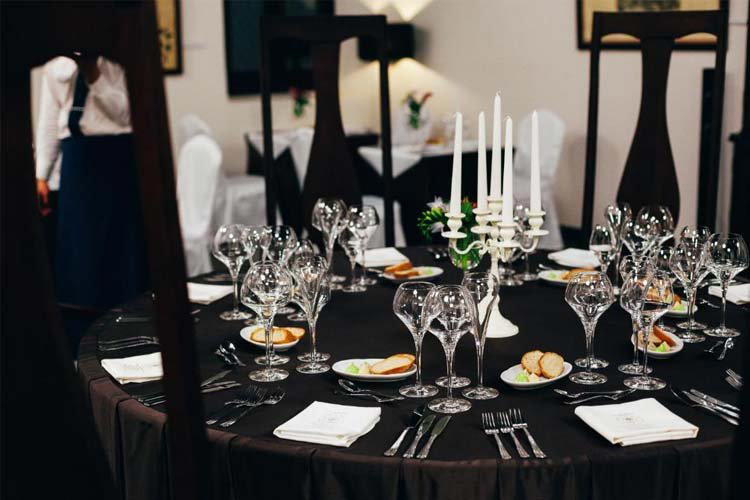
The dining room reflects the same split personality as the business model. Greenery decorates every surface, not as occasional accent but as structural design. Planters sit on windowsills, hanging arrangements drop from ceiling mounts, and smaller pots cluster on shelves between seating areas. The florist side of the operation feeds the restaurant aesthetic and vice versa; plants available for purchase double as decor, and the line between retail and dining atmosphere blurs completely. Service moves between roles with similar fluidity. Staff handle coffee orders, table service, flower sales, and dessert selection from a single team, and the informality keeps pacing relaxed without feeling slow.
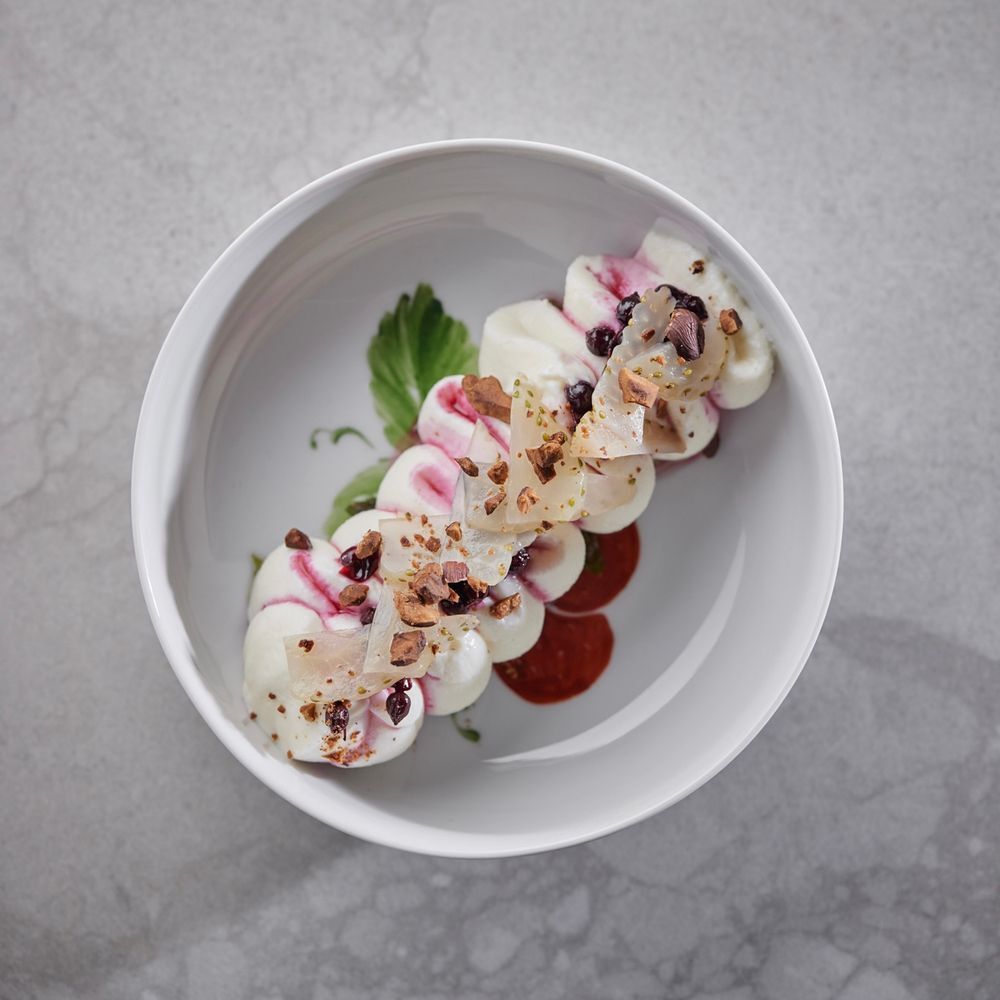
Desserts operate on a different system. Rather than ordering from a written menu, diners approach a counter display and choose visually. Mango cake appears frequently, along with rotating seasonal options that shift with produce availability. The setup borrows from café culture more than fine dining, and it shifts the rhythm at the end of a meal, standing, surveying options, making a choice by sight rather than description. For a venue running three formats under one roof, the counter system solves a practical problem: it condenses dessert service into a self-directed step and frees staff to focus on savory courses.
Local Atmosphere, Fair Pricing, and a Quiet Anchor in Birštonas
Pricing sits well below what comparable seasonal restaurants charge in Vilnius or Kaunas. Entrees hover in the €8–12 range, desserts rarely exceed €4, and wine by the glass remains accessible. For a menu built around seasonal produce and careful plating, the value proposition reads as generous. Birštonas operates as a spa destination, drawing Lithuanian and regional visitors for thermal treatments and quiet weekends, and the town's dining options reflect that demographic, mostly casual cafés and hotel restaurants aimed at a relaxed, older clientele. Pievos occupies a slightly different niche: still approachable, still casual, but with more deliberate cooking and a tighter focus on ingredient quality. The local crowd fills tables regularly, and the atmosphere skews toward familiar rather than touristic. Conversations happen in Lithuanian, staff recognize repeat visitors, and the vibe suggests a neighborhood anchor more than a destination stop.
The venue does not chase recognition in the way urban restaurants do. There are no Michelin aspirations, no chef-driven narrative, no editorial push for inclusion on national or international lists. Instead, Pievos operates inside a smaller, steadier framework: reliable seasonal cooking, fair prices, and a welcoming room that does not demand much from its diners beyond showing up. That restraint, no theater, no conceptual overlay, no attempt to scale or franchise, keeps the format stable and legible. You walk in, choose from a short menu, eat well, select a dessert from the counter, and leave without drama. For travelers passing through Birštonas or staying overnight, it offers a functional and pleasant option that does not require advance research or refined expectations. For locals, it operates as a regular touchpoint, the kind of place that survives not through novelty but through consistency and genuine care.
Lithuania's dining scene outside Vilnius remains underdeveloped relative to Baltic neighbors Estonia and Latvia, where smaller cities and towns have built out stronger mid-tier restaurant infrastructure. Pievos demonstrates what works at this scale: hybrid programming that spreads operational risk across café, retail, and dining revenue; a tight seasonal menu that reduces waste and keeps ingredient costs predictable; and a room designed for repeat visits rather than one-time spectacle. The model is replicable, but few operators execute it with the same warmth or coherence. The café-florist-restaurant triad could easily feel gimmicky or unfocused; here, it reads as integrated and purposeful, each element supporting the others without strain.
Frequently asked questions
Can I bring kids to Pievos?
The counter-service format and casual café atmosphere make Pievos accessible for families. The bright, seasonal menu includes approachable dishes like roast duck and mango cake, and the greenery-filled space tends to welcome all ages. No formal age policy has been published.
How would you describe the vibe at Pievos?
Pievos runs as a hybrid café, florist, and simple restaurant, which creates a warm, informal tone. Greenery decorates every surface, the staff operates with genuine care, and the local crowd skews quiet rather than scene-driven. It's the kind of place where you point at desserts through a counter glass.
What kind of recognition has Pievos received?
Pievos has received recognition including: In the small town of Birštonas sits this sweet little spot that’s part café, part florist, part simple and cosy restaurant. To match the greenery of the decoration, the menu focuses on bright, colourful and very seasonal dishes that are as ….
What part of town is Pievos in?
Pievos is located at J. Basanavičiaus a. 16, Birštonas, Kaunas Region, 59211, LTU, Birstonas.
Do I need a reservation for Pievos?
The café and counter-service model suggest walk-ins are standard, particularly given Birštonas's small-town scale. Peak weekend lunch or early dinner may fill the limited seating, but advance booking is rarely mentioned in coverage of the venue.
What do critics highlight about Pievos?
Recognition centers on the bright, seasonal menu executed at below-Vilnius pricing, entrees in the €8–12 range. Reviewers single out the sauerkraut broth with ravioli and the roast duck with beetroot chutney, plus the dessert counter and the warm, local atmosphere that defines the space.
Comparable Spots, Quickly
Comparable venues by cuisine and price in the same metro.
| Venue | Cuisine | Price | Awards |
|---|---|---|---|
| PievosThis venue (the venue you are viewing) | Seasonal Modern European with Lithuanian influences | $20–30 | Michelin Bib Gourmand |
| Monte Pacis | Modern Lithuanian Fine Dining | $30–50 | Michelin Plate · Star Wine List |
| DIA | Modern French-Seafood Fine Dining | $30–50 | Michelin Plate |
| Uoksas | Modern Lithuanian Cuisine | $50–100 | Michelin Plate |
Recognition history
Dated appearances from independent guides and award organizations, with the underlying list record or original source where available.
Michelin Bib Gourmand
Michelin
Continue exploring
More in Birstonas
Details
- Cozy
- Modern
- Romantic
- Trendy
- Whimsical
- Casual Hangout
- Date Night
- Family
- Group Dining
- Brunch
- Special Occasion
- Garden
- Terrace
- Design Destination
- Standalone
- Craft Cocktails
- Farm To Table
- Local Sourcing
- Garden
- Street Scene
- A La Carte
- Small Plates
- Cocktails
- Coffee
- Wine
- Vegetarian Friendly
- Vegan Options
Bright, greenery-filled and intimate, with a winter-garden feel in colder months and a decorated terrace in summer; cozy rather than formal, with many personal decorative details and a relaxed spa-town vibe.