Shichifuku

Tabelog 100 #68
Our verdict
Shichifuku belongs to Nakatsugawa’s chestnut-sweets tradition, a regional craft shaped by mountain agriculture, autumn gifting culture, and the disciplined restraint of wagashi. Its Tabelog 100 selection for Japanese traditional sweets and sweets cafe in 2023 places it in a serious local conversation rather than a casual snack stop.

Pearl is the En Primeur Club membership app, where members save venues, book tables and use the concierge.
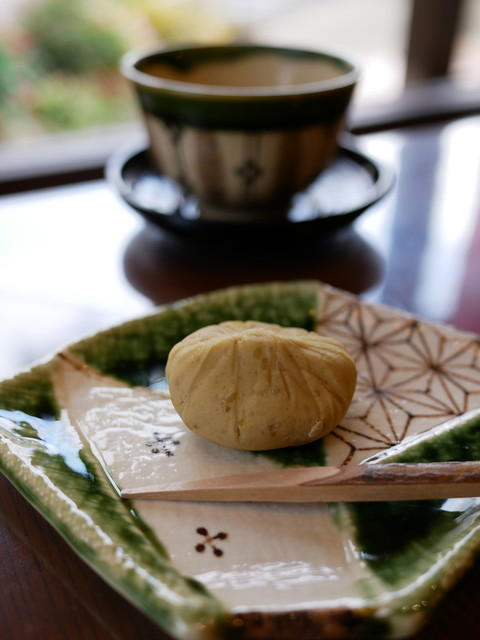
The menu
What to order
- 栗きんとん (kuri kinton)
- 葛水ようかん (kuzu mizu yokan)
- 深山のしずく (miyama no shizuku)
- 木曽谷 若あゆ (Kisodani wakayu)
Approaching a wagashi shop in Nakatsugawa is less about spectacle than calibration: the pace drops, the shopfronts read quietly, and the city’s identity starts to matter. This is a place where sweets carry local weight, and the culture here is built around craft rather than imported pastry trend. Shichifuku sits inside that tradition, where the measure of quality is not excess but how clearly sweetness, texture, and season are allowed to register.
Nakatsugawa’s sweets scene rewards comparison at close range. Kawakamiya Honten, Kurinton Honke Suya Honten, Shogetsu Do, and Suya Nishiki all point to the same regional truth: Japanese traditional sweets in this part of Nakatsugawa are not after-dinner decoration. They are seasonal craft, travel purchase, local identity, and careful technique compressed into a small format.
Traditional sweets, not pastry theater
The useful way to read this shop is through the wider confectionery culture around it. Nakatsugawa is closely associated with traditional sweets, and that matters because wagashi has a different logic from Western dessert culture. The sugar has to support rather than dominate. Texture carries meaning. Seasonality is not a menu flourish; it is central to the category.
Shichifuku’s inclusion in the Tabelog Hyakumeiten list in 2023 gives the shop a credible external marker in a field where reputation often travels through gifting, local habit, and repeat seasonal purchase rather than restaurant-style ceremony. The recognition places it within the Japanese traditional sweets category, which is the most useful lens for understanding why the shop matters.
The listed price band, - JPY 999 - JPY 999, is part of the appeal but not the full story. In Nakatsugawa, serious wagashi can remain modestly priced because the format is compact and retail-led. That makes the category unusually democratic compared with destination dining elsewhere in Japan. A visitor can understand a city’s food grammar through a sweet bought in minutes, while a soba meal at Teuchi Soba Wakuri sits in a different pacing bracket.
This is also why the city’s confectioners are better judged as a cluster than as isolated stops. The differences among shops matter, but the larger pattern matters more: local tradition as raw material, wagashi as craft language, and the rhythm of visitors carrying sweets onward. For broader planning, Our full Nakatsugawa restaurants guide gives the category more context across meals, while Our full Nakatsugawa experiences guide helps frame why food here often overlaps with craft and place.
Where a low-price sweet shop carries serious regional meaning
Japanese dining coverage often gives attention to counters, tasting menus, and chefs with international resumes. Nakatsugawa asks for a different reading. A traditional sweets shop with a listed low spend can carry more local specificity than a polished restaurant in a larger city. The signal is not luxury spend; it is whether the format preserves the relationship between ingredient, season, and regional habit.
That distinction becomes clearer when set against broader Japan itineraries. Destination restaurants, urban grills, or cafe listings in larger cities belong to a different travel appetite. Nakatsugawa’s sweets are quieter, more portable, and more tied to a particular local identity.
That does not make the experience minor. It makes it precise. Wagashi is one of Japan’s clearest examples of restraint as a technical value: shape, sweetness, and portion are controlled so that the ingredient does the work. In a traditional sweets town, that restraint becomes a test of seriousness. Heavy-handed sweetness would flatten the reason to be here.
The room and service format are not the headline. The category is. Shichifuku functions as evidence of how Nakatsugawa treats sweets as civic culture, not merely as souvenirs. The Tabelog 3.65 score adds another public signal, but the stronger argument is the shop’s place within a city where several confectioners occupy the same small competitive field and where the audience understands the difference between generic sweetness and seasonal craft.
How to place it in a Nakatsugawa itinerary
For travelers, the smart move is to treat traditional sweets as a daytime anchor rather than a dessert afterthought. Nakatsugawa’s food day can move from wagashi to soba, then outward into the region’s walking routes and historic atmosphere. The category also works well for families because the spend is low, the format is casual, and the decision does not require a long tasting-menu commitment.
Hotels, bars, and wineries are not the city’s defining editorial story in the same way sweets are, but they shape the rhythm of a stay. Our full Nakatsugawa hotels guide, Our full Nakatsugawa bars guide, and Our full Nakatsugawa wineries guide are useful for building the practical frame around a sweets-led day.
Compared with larger-city dining, the pleasure here is narrow and specific. It is not the late-night energy, specialist comfort, curry focus, or drinks-led lens that define other dining scenes. Nakatsugawa’s argument is older and more compact: a regional sweet, a small format, and a town that knows exactly why that combination matters.
Frequently asked questions
Is Shichifuku good for families?
Yes, for a daytime stop in Nakatsugawa. The shop sits in the Japanese traditional sweets category, with a listed price band of - JPY 999 - JPY 999.
How would you describe the vibe at Shichifuku?
It feels local and unshowy, more sweets shop than dining room. The 2023 Tabelog Hyakumeiten recognition gives it the profile of a serious regional stop in Nakatsugawa.
How much does it cost to eat at Shichifuku?
Pricing at Shichifuku is listed as - JPY 999 - JPY 999 View spending breakdown.
What is Shichifuku known for?
Shichifuku is known as a Japanese traditional sweets venue in Nakatsugawa, with Tabelog Hyakumeiten recognition in 2023.
Comparison Snapshot
Comparable venues by cuisine and price in the same metro.
| Venue | Cuisine | Price | Awards | Notes |
|---|---|---|---|---|
| ShichifukuThis venue (the venue you are viewing) | Traditional Japanese Wagashi & Chestnut Sweets | $10–20 | Tabelog 100 #68 | Not listed |
| Kawakamiya Honten | Traditional Japanese wagashi & chestnut sweets | $1–10 | Tabelog 100 #62 | Hommachi |
| Kurinton Honke Suya Honten | Japanese Traditional Sweets | $1–10 | Tabelog 100 #64 | Shinmachi, Nakatsugawa |
| Shogetsu Do | Japanese Wagashi & Chestnut Sweets | $10–20 | Tabelog 100 #26 | . Nakatsugawa |
| Suya Nishiki | Traditional Japanese wagashi & tea cafe | $10–20 | Tabelog 100 #80 | / Nakatsugawa bypass area |
| Teuchi Soba Wakuri | Handmade Soba (Buckwheat Noodles) | $20–30 | Tabelog 100 #93 | Nakatsugawa |
Recognition history
Dated appearances from independent guides and award organizations, with the underlying list record or original source where available.
Tabelog 100 #68 · No. 68
Tabelog · Tabelog 100 - Japanese traditional sweets / Japanese sweets cafe - EAST - 2023
Continue exploring
More in Nakatsugawa
Restaurants in Nakatsugawa
All restaurants in Nakatsugawa →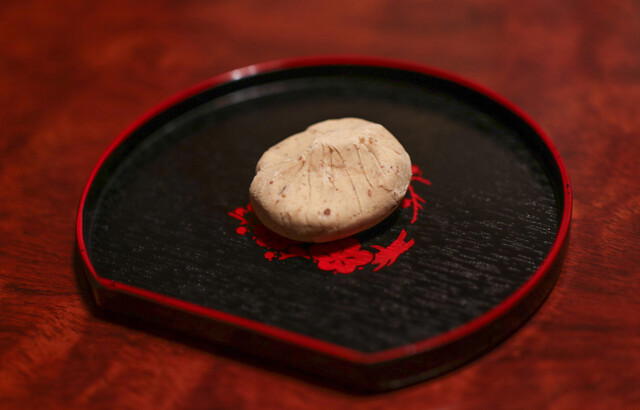
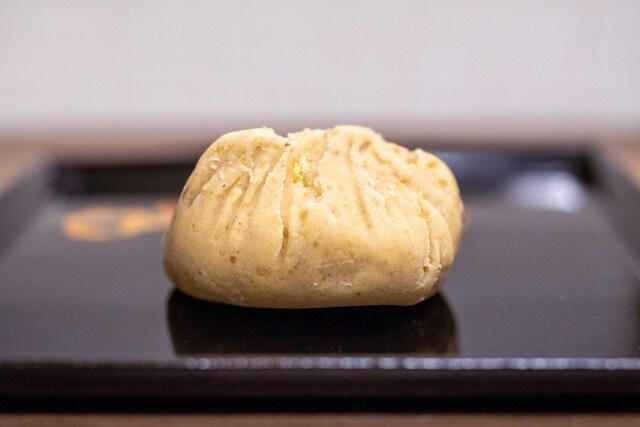
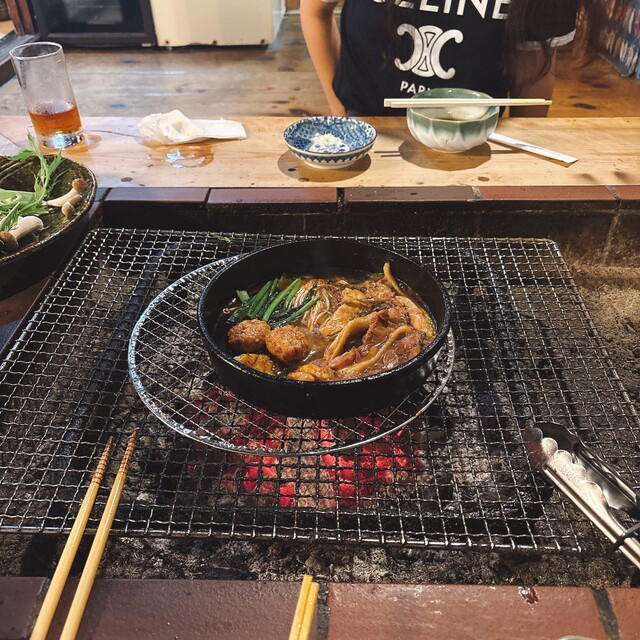
Hotels in Nakatsugawa
Browse all →
Details
- Classic
- Cozy
- Family
- Casual Hangout
- Solo
- After Work
- Standalone
- Local Sourcing
- Farm To Table
- A La Carte
- Counter Dining
A small, traditional Japanese sweets shop with a classic, homely feel, focused on take-home wagashi rather than sit-down dining, with a relaxed and unhurried atmosphere typical of a local confectioner.