
Shinohara in Tokyo offers modern Japanese kaiseki with exacting technique and an intimate Ginza setting. Must-try dishes include Grilled Mochi with Karasumi, Deep Fried Chestnut with dashi, and the Maguro Handroll crafted at the counter. Chef Takemasa Shinohara sources seasonal, sometimes wild ingredients from Shiga—think wild boar and foraged mountain vegetables—delivered through a tightly curated omakase. The restaurant holds two Michelin stars (promoted in 2020) and a Tabelog Gold Award 2025 with a 4.55 score. Expect carefully plated courses, warm service led by the chef, and a tasting that balances rustic flavors with refined technique in a low-lit, focused dining room.
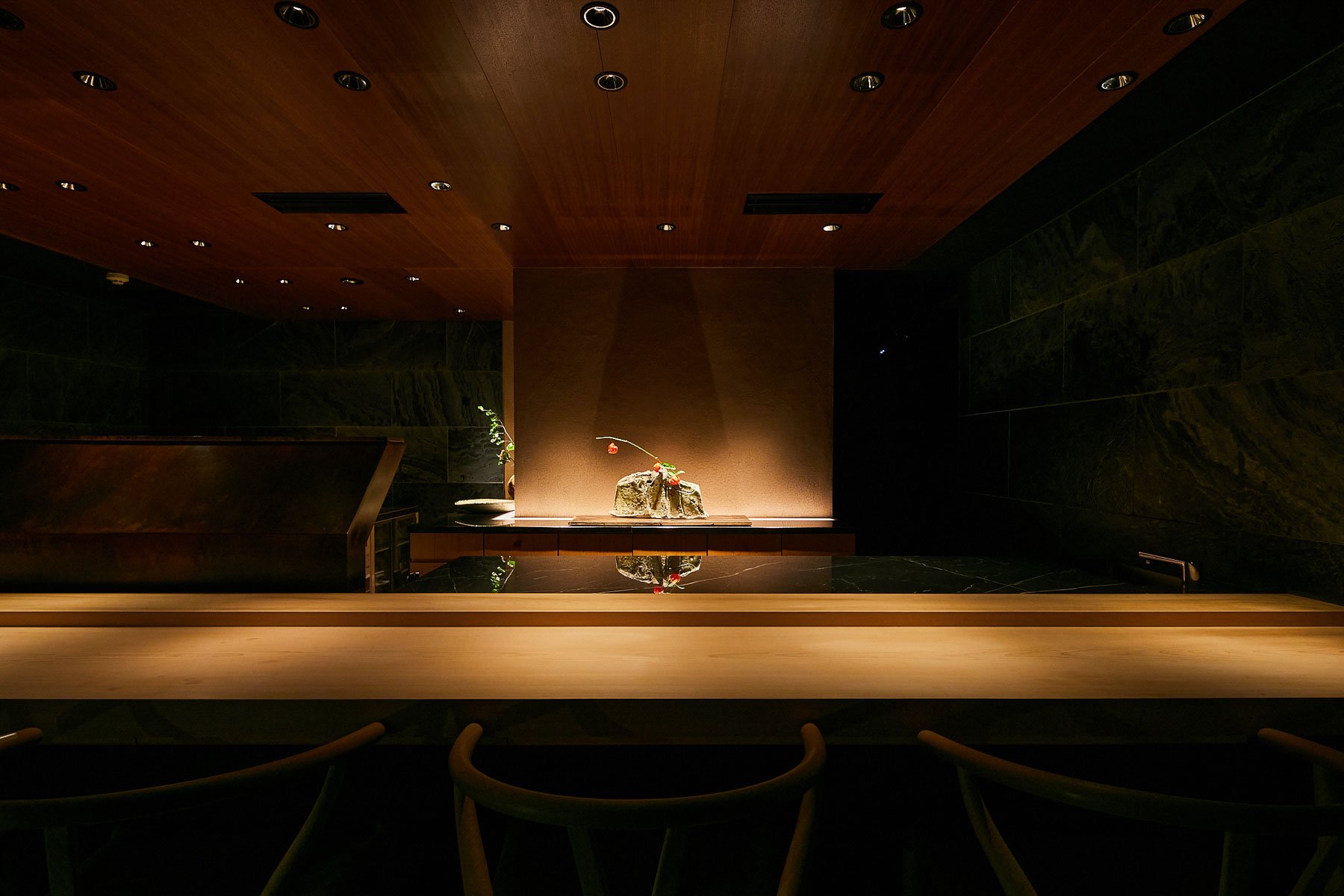
Shinohara in Tokyo presents modern Japanese kaiseki in a focused, intimate setting where each course begins as a quiet story. Walk into the Ginza basement and the evening shifts: small groups at the counter, soft lighting on hemp-patterned walls, and Chef Takemasa Shinohara explaining the menu before the first plate. The opening moments set the tone for an omakase that places kaiseki technique and seasonal ingredients front and center. Modern Japanese and kaiseki keywords describe the meal precisely: precise sauces, seasonal produce, and courses paced to reveal texture and aroma. Reservations are essential and available through Omakase platforms.
Chef Takemasa Shinohara built his reputation in Shiga Prefecture before relocating to Ginza in 2016, bringing a satoyama-rooted approach to Tokyo dining. At Shinohara he interprets local harvests with restraint and intelligence, favoring foraged vegetables and uncommon proteins sourced from his native region. The restaurant earned one Michelin star after moving to Ginza and rose to two stars by 2020, a recognition of technical skill and consistent quality. In 2025 Shinohara received the Tabelog Gold Award, maintaining a 4.55 score that reflects strong local acclaim. The kitchen’s philosophy values clear flavors and ingredient provenance, and that translates into a tasting menu where each element exists to support the next.
The culinary journey at Shinohara unfolds as a series of exacting, seasonal courses. Start with Grilled Mochi with Karasumi: chewy grilled rice cake topped with aged bottarga for a salty, umami-forward bite. A Deep Fried Chestnut arrives crisp on the outside, tender inside, finished with a subtle dashi that balances sweetness and savory depth. The Maguro Handroll is made tableside with pristine tuna and vinegared rice, a simple yet electric contrast of texture and freshness. Wild proteins from Shiga appear when in season; a slow-simmered wild boar dish shows long, careful cooking and a soy-forward glaze that brightens with mountain herbs. Vegetables are often foraged and treated with a clean, restrained dashi to showcase texture and natural sweetness. Service includes a rice course prepared in Shigaraki earthenware, a textural finale that makes the grain feel like the last, perfect note of the menu. Courses change with the calendar, so the tasting highlights local availability and the chef’s impulse to experiment within kaiseki form.
The room at Shinohara is compact and considered, built to focus attention on the fare. White walls with a subtle hemp-leaf motif catch candlelight, while Shigaraki pots and carefully chosen tableware add tactile warmth. Seating concentrates around a counter and a handful of tables in a basement (B1) location in Ginza, so the experience feels private and concentrated. Service is attentive without fanfare; Chef Shinohara personally introduces the menu and explains provenance, and staff time the plates to hold texture and temperature. The overall effect is a composed dinner where small design details—earthenware rice pots, curated ceramics, and natural materials—support the tasting rather than distract from it.
For planning, Shinohara operates primarily in the evening and lists services on Mon, Wed, and Fri from 17:00 to 23:00; confirm current days and times when booking. Reservations are essential and are commonly made through Omakase platforms—arrange seating in advance, especially for counter spots. Dress code leans toward smart casual; avoid beachwear and give thought to a polished, comfortable outfit. If you have dietary restrictions, notify the restaurant when you book so the kitchen can prepare accordingly.
Shinohara in Tokyo offers a distinct kaiseki experience anchored in Shiga ingredients and exacting technique. Book through the Omakase link, call to confirm details, and plan ahead to secure evening counter seating. The tasting at Shinohara rewards diners who seek a story-driven, seasonally precise meal in Ginza—arrive ready to taste, learn, and enjoy each deliberate course.
Need a table?
Our members enjoy priority alerts and concierge-led booking support for the world's most difficult tables.
Access the Concierge