Shaanxi Garden Chinese Restaurant
Our verdict
Shaanxi Chinese Restaurant on Dobson Road brings the flavors of China's landlocked northwest to Mesa, Arizona, a regional cuisine rarely encountered in the Valley of the Sun. The kitchen draws from a tradition built around hand-pulled noodles, cumin-spiced lamb, and fermented flavors that sit well outside the Cantonese and Sichuan templates most American diners know. For Mesa, it represents a genuine point of regional specificity.

Pearl is the En Primeur Club membership app, where members save venues, book tables and use the concierge.
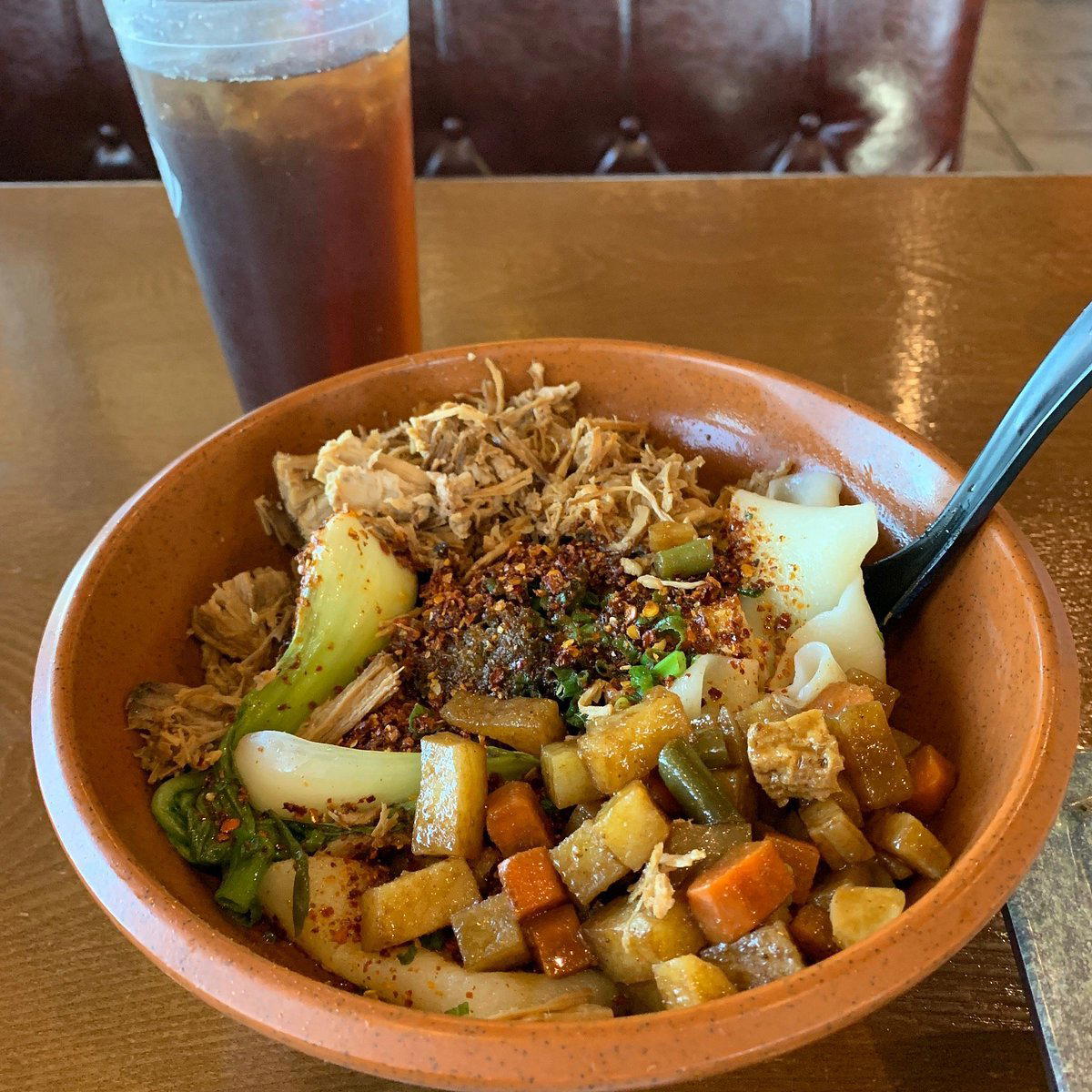
The menu
What to order
- Biang Biang Noodles
- Spicy Cumin Lamb Noodles
- Braised Chicken w. Potatoes & Jalapenos
- Spicy Stir-Fried Pork
Northwest China on the Dobson Road Strip
Mesa's dining corridor along Dobson Road runs through a stretch of strip-mall units that host some of the Valley's more consequential ethnic kitchens, places where the food has roots in a specific regional tradition rather than a generalized "Chinese" or "Mexican" shorthand. Shaanxi Chinese Restaurant, in suite 109 at 67 N Dobson Road, operates in that register. The cuisine it represents comes from Shaanxi province, a landlocked region in northwest China whose culinary tradition is among the country's oldest and most distinct. This is not a category that gets much coverage in Arizona, and that gap is worth understanding before you order.
What Shaanxi Cooking Actually Is
The dominant templates for Chinese food in American cities have long been Cantonese, Sichuan, or the hybrid Americanized formats that evolved alongside Chinese immigration patterns. Shaanxi fits none of those frames. The province sits at the geographic heart of the ancient Silk Road network, and its food reflects centuries of exchange between Han Chinese and Central Asian culinary traditions. That means cumin and chili appear in combinations you won't find in Sichuan cooking. Lamb is a primary protein rather than a secondary one. Bread and noodles carry more weight than rice. The flavor axis tends toward savory, slightly sour, and warming rather than the numbing heat associated with Sichuan peppercorn or the delicate umami of Cantonese dim sum.
The most recognizable Shaanxi dish internationally is the rou jia mo, sometimes described as a Chinese burger: slow-braised meat packed into a flatbread that has been fired in a clay oven until the outside crisps and the interior stays soft. The dish has a lineage stretching back over two thousand years, making it one of the older street foods in the documented culinary record. Equally central to the tradition are biang biang noodles, hand-pulled into wide, thick belts and dressed with chili oil, vinegar, and garlic, a format that prioritizes texture and chew over broth. These are the dishes that anchor a Shaanxi menu and reveal what the kitchen is working with.
Reading the Menu as a Regional Document
Editorial angle that matters here is menu architecture. A Shaanxi menu, when built with regional fidelity rather than crowd-pleasing adjustment, reads as a document of place rather than a list of options. The categories tend to organize around cooking method and ingredient type in ways that reflect actual provincial eating patterns: street snacks and flatbreads in one column, noodle formats in another, braised and stewed proteins alongside. What you won't find, if the kitchen is staying true to the tradition, is a deep roster of stir-fries in glossy sauces, egg rolls designed for the American palate, or the General Tso's register that dominates strip-mall Chinese across the country.
That restraint, or more precisely that specificity, is itself an argument. Regional Chinese restaurants that resist menu sprawl in favor of a focused provincial identity are operating in a different mode than restaurants trying to satisfy every table. The tradeoff is narrower appeal and a steeper learning curve for first-time diners, but the payoff is food that actually represents something.
For comparison, consider the way American diners have gradually built fluency with regional Mexican distinctions, Oaxacan mole versus Yucatecan cochinita versus Sonoran birria, after decades of exposure to restaurants that made regional specificity their proposition. Shaanxi cooking is at an earlier stage of that recognition curve in most U.S. markets, which means diners who find it now are ahead of a shift that has already happened in cities like Los Angeles, New York, and the San Gabriel Valley.
Mesa's Position in the Valley's Ethnic Dining Spread
The East Valley has developed a scattered but increasingly serious set of regional-specific ethnic restaurants over the past decade. Mesa, in particular, has absorbed communities whose food preferences don't map onto the valley's default Tex-Mex and steakhouse grid. The Dobson Road corridor reflects some of that diversity. Among Mesa's current dining options, places like Aloha Kitchen, Blue Adobe Grille, Bobby, By the Bucket - East Mesa, and Espiritu Mesa reflect the range of formats the city now supports, from casual Hawaiian-American to Mexican regional to contemporary American. A Shaanxi specialist in this context is a notable data point: it suggests an audience with enough culinary curiosity or community connection to sustain a kitchen that doesn't hedge toward the familiar. You can find more context on how Mesa's dining scene has developed in our full Mesa restaurants guide.
Nationally, the reference point for regional Chinese specificity at a high level of execution tends toward expensive tasting-menu formats in coastal cities. Atomix in New York City represents what happens when a single regional tradition gets refined into a tasting-menu context with full investment. At the other end of the spectrum, restaurants like those in the San Gabriel Valley have built some of the country's most authoritative regional Chinese programs in strip-mall settings with no pretension and modest prices. The strip-mall Shaanxi kitchen in Mesa is closer to the latter model, the food's argument is made through the cooking, not the room. That positioning puts it in a different conversation than, say, Le Bernardin in New York City, Alinea in Chicago, or The French Laundry in Napa, but the regional specificity argument is no less serious for being delivered without tablecloths.
Planning Your Visit
Frequently asked questions
How do I find Shaanxi Chinese Restaurant?
Shaanxi Chinese Restaurant is located at 67 N Dobson Rd #109, Mesa, AZ 85201, Mesa.
Is Shaanxi Chinese Restaurant one of the only places in Arizona serving this style of northwest Chinese food?
Shaanxi-specific restaurants are rare across the entire Southwest, and no confirmed competitor serving this distinct regional tradition has been documented in the Phoenix metro area. The cuisine originates from China's Shaanxi province, northwest of Sichuan, with a wheat-based rather than rice-based table, which puts Mesa's Dobson Road location in a category with very few American peers outside of cities with large Chinese-immigrant populations like Los Angeles or New York.
What should I eat at Shaanxi Chinese Restaurant?
Anchor your order in the dishes that define the regional tradition: biang biang noodles (broad, hand-pulled, dressed with chili oil and vinegar) and rou jia mo, the braised-pork flatbread that functions as Shaanxi's answer to a sandwich. These two alone distinguish the kitchen from the Cantonese and Sichuan formats that dominate Chinese dining in the Phoenix metro. Cold dressed salads and lamb-based dishes round out a Shaanxi menu built for regional fidelity.
How far ahead should I plan for Shaanxi Chinese Restaurant?
No advance booking infrastructure has been confirmed for this Mesa location. Regional Chinese restaurants of this format in comparable American cities typically operate on a walk-in basis, with peak waits on weekend evenings. Arriving before the lunch or dinner rush is the practical approach until confirmed hours and reservation policy are available.
What's the standout thing about Shaanxi Chinese Restaurant?
The cuisine itself is the differentiator. Shaanxi cooking is underrepresented across Arizona, and a kitchen focused on it at 67 N Dobson Rd in Mesa addresses a real gap in the East Valley's regional Chinese dining options. Most Phoenix-area diners encounter Cantonese or Sichuan as their reference points; Shaanxi sits in a distinct northwest Chinese tradition that few local restaurants touch.
Can Shaanxi Chinese Restaurant handle vegetarian requests?
Shaanxi cuisine does include vegetable-forward preparations, cold cucumber salads, vinegar-dressed dishes, and certain noodle formats that can be ordered without meat, but whether the kitchen accommodates substitutions consistently is unconfirmed. Calling ahead once contact details are available is the reliable approach.
Is Shaanxi Chinese Restaurant worth it?
Measured against the regional Chinese options in the East Valley, a kitchen dedicated to Shaanxi-specific cooking occupies a space no confirmed competitor in the Phoenix metro fills with the same focus. For anyone tracking down hand-pulled noodles in the biang biang style or rou jia mo outside of a major coastal city, Mesa is an unlikely but practical destination for this tradition.
Accolades, Compared
Comparable venues nearby, for context on price, style, and recognition.
| Venue | Cuisine | Price | Notes |
|---|---|---|---|
| Shaanxi Garden Chinese RestaurantThis venue (the venue you are viewing) | Northwestern Chinese (Shaanxi) | $20–30 | Not listed |
| Blue Adobe Grille | New Mexican | $20–30 | Downtown Mesa |
| Sam & Luca Italian Bistro | Traditional Italian Bistro | $20–30 | Superstition Springs |
| Bobby | Craft BBQ and Steaks | $30–50 | . Concurrent |
| By the Bucket - East Mesa | Italian Spaghetti Buckets | $10–20 | East Mesa |
| Los Dos Molinos | New Mexican | $20–30 | Not listed |
Continue exploring
More in Mesa
Restaurants in Mesa
All restaurants in Mesa →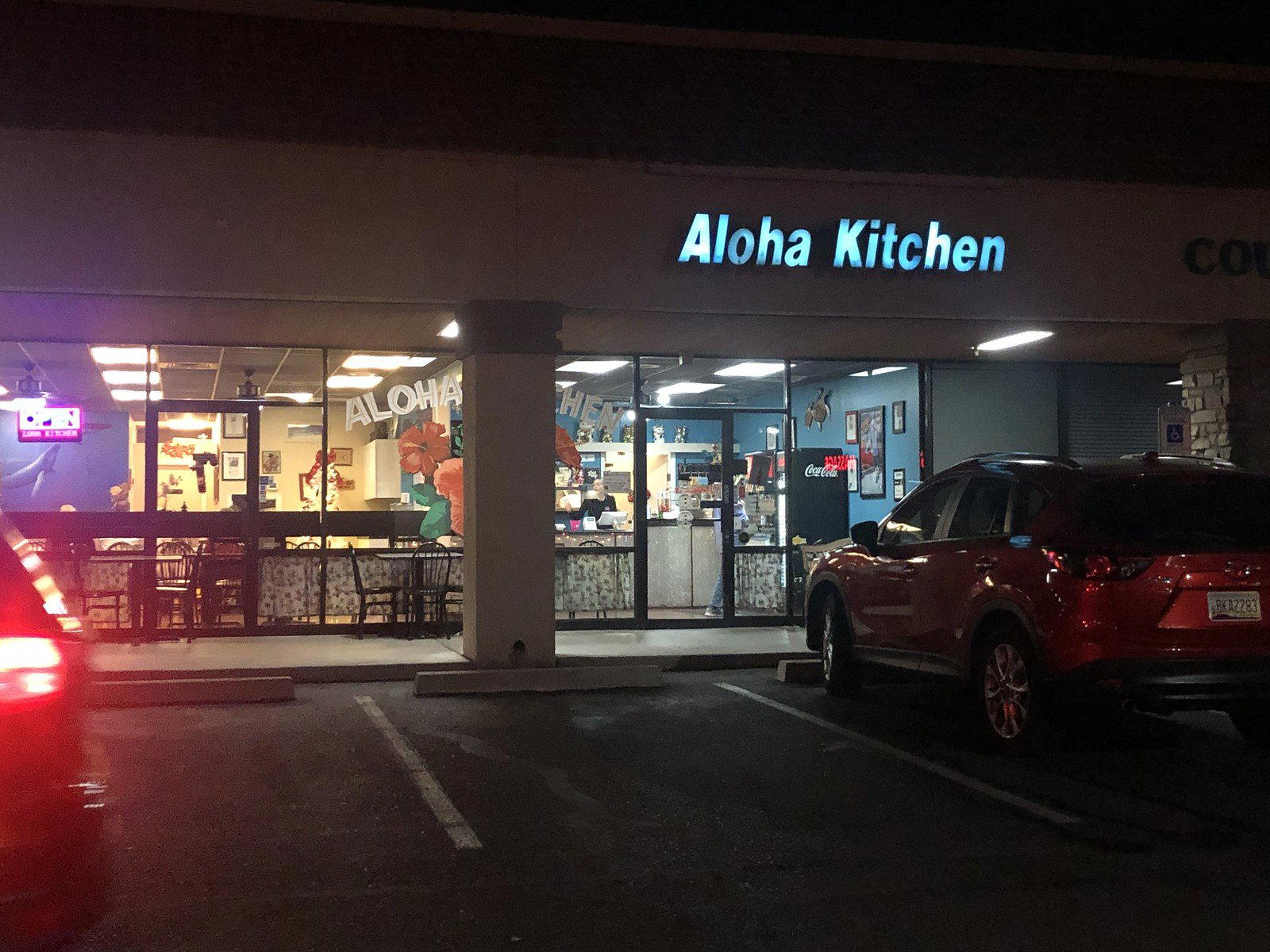
Bars in Mesa
All bars in Mesa →

Details
- Classic
- Family
- Group Dining
- Casual Hangout
- Open Kitchen
- A La Carte
Current opening hours
- Monday
- 11 AM–3 PM, 4:30–10 PM
- Tuesday
- 11 AM–3 PM, 4:30–10 PM
- Wednesday
- 11 AM–3 PM, 4:30–10 PM
- Thursday
- 11 AM–3 PM, 4:30–10 PM
- Friday
- 11 AM–3 PM, 4:30–10 PM
- Saturday
- 11 AM–3 PM, 4:30–10 PM
- Sunday
- 11 AM–3 PM, 4:30–10 PM
Hours can change for holidays and private events. Hours as of .
Traditional decor with furniture, art, and statues imported from China, highlighting regional aesthetic.