
Sassa holds a 2025 Michelin Plate for kaiseki prepared through a sushi chef's sensibility, producing a format that sits outside Tokyo's conventional fine-dining categories. Abalone risotto, thinly sliced tuna calibrated to light soy, and sushi-method rice signal a kitchen operating at the boundary between traditions. A post-dinner Pu-erh tea service, drawn from culinary experience in Shanghai, adds a further cross-cultural layer.
Pearl is the En Primeur Club membership app — saves, bookings, and concierge access live there. Same editors, same standards.
- Address
- 20217 Nonza, France
- Phone
- +33 4 95 38 55 26
- Website
- lasassa.com
 Saves & bookings on Pearl
Where Kaiseki Meets the Sushi Counter
Tokyo's kaiseki scene has long operated on a understood hierarchy: multi-generation houses in Akasaka and Kagurazaka hold the formal end, while a younger generation of chef-owners pushes the format into new territory from smaller, more personal rooms. Sassa sits in that second group, recognised with a 2025 Michelin Plate, and its distinctive position in the city's fine-dining map comes from a structural choice rather than a surface one: the kitchen applies a sushi chef's technical framework to kaiseki's seasonal logic. That combination places it in a comparable set that includes Myojaku and Jingumae Higuchi, both of which approach Japanese fine dining through a similarly cross-disciplinary lens.
The practical consequence of a sushi chef's sensibility applied to kaiseki is visible at the rice course. Where kaiseki convention cooks rice as a background grain, here it is prepared with minimal water, closer to the tight, flavour-concentrated method a sushi chef uses to ensure the rice performs at room temperature. That single technical departure signals the kitchen's broader approach: tradition is the reference point, not the ceiling.
A Track Record Built on Cross-Boundary Technique
Among Tokyo's ¥¥¥¥ Japanese restaurants, critical recognition increasingly follows kitchens that can demonstrate a coherent alternative to both the classic omakase format and the orthodox kaiseki progression. The 2025 Michelin Plate awarded to Sassa confirms that the kitchen's hybrid framework has landed with the guide's inspectors as a distinct and credible position rather than an eclectic exercise. For context, Michelin Plates in Tokyo's upper price tier are not distributed as consolation markers, they signal a kitchen the guide considers worth tracking.
The abalone risotto is the most telling dish in this regard. Abalone prepared as a generous, boiled luxury ingredient in a risotto-style presentation is neither conventional kaiseki nor Italian-Japanese fusion in the pastiche sense: it reflects a chef who has internalised multiple culinary languages and is deploying them on their own terms. Peer restaurants at this price point that work with similar luxury protein include Azabu Kadowaki and Kagurazaka Ishikawa, though both operate within a more orthodox kaiseki structure. The comparison underlines how far Sassa's format departs from its category's standard architecture.
The Shanghai Variable
Post-dinner tea service is rarely where a restaurant makes an argument. At Sassa, it does. The Pu-erh tea served after the meal is a direct trace of the kitchen's culinary experience in Shanghai, and it carries more weight than a simple beverage choice. Pu-erh's fermented, aged character is deliberately contemplative, it slows the meal's close in a way that aligns with kaiseki's pacing philosophy while signalling a culinary biography that extends beyond Japan. Very few kaiseki kitchens in Tokyo bring a Chinese dimension to the meal's final beat with that degree of intentionality.
That cross-cultural signature also positions Sassa within a broader tendency visible in Tokyo's most forward-looking Japanese restaurants: the willingness to draw from a wider East Asian pantry without abandoning Japanese technique as the primary grammar. Ginza Fukuju is among the establishments that hold the more classical end of that spectrum; Sassa operates at the experimental edge of it.
How Sassa Fits the Tokyo ¥¥¥¥ Map
At the ¥¥¥¥ price tier, diners are choosing between sushi counters, orthodox kaiseki houses, and a smaller group of concept-driven rooms that resist easy categorisation. Sassa belongs to the third group. Its Google rating of 4.6 across 2,531 reviews indicates consistent satisfaction at volume, an audience well beyond the small, specialist circles that often define reception for experimental kaiseki. That breadth of positive response, alongside Michelin recognition, suggests the kitchen's technical ambition is landing clearly rather than requiring explanation.
For comparison with other innovative ¥¥¥¥ rooms in Japan, HAJIME in Osaka and Gion Sasaki in Kyoto represent the spectrum of how Japanese fine dining is being reinterpreted across the country's major cities. Sassa's Tokyo positioning is distinctive precisely because it operates in a market where the density of serious competition is highest and differentiation is hardest to sustain.
Sassa in Context: ¥¥¥¥ Tokyo Fine Dining
| Venue | Category | Price Tier | Critical Recognition |
|---|---|---|---|
| Sassa | Kaiseki / Sushi-inflected | ¥¥¥¥ | Michelin Plate 2025, 4.6 / 2,405 reviews |
| Harutaka | Sushi | ¥¥¥¥ | Michelin-recognised |
| RyuGin | Kaiseki | ¥¥¥¥ | Michelin-starred |
| L'Effervescence | French | ¥¥¥¥ | Michelin-starred |
| MAZ | Innovative | ¥¥¥¥ | Michelin-recognised |
The kaiseki-sushi hybrid format occupies a space none of the adjacent ¥¥¥¥ venues share directly, which limits direct comparison but also limits competition for the specific diner who wants a kaiseki progression executed through sushi technique.
Planning a Visit
Sassa is a Tokyo address, though its reach extends usefully into a broader Japan itinerary. Kitchens pushing Japanese cuisine at similar price points in other cities include akordu in Nara, Goh in Fukuoka, 1000 in Yokohama, 6 in Okinawa, Isshisoden Nakamura in Kyoto, and Kashiwaya Osaka Senriyama in Osaka.
What to Eat at Sassa
What should I eat at Sassa?
The kitchen operates on a kaiseki structure, so the progression is fixed rather than à la carte. The abalone risotto is the course that most clearly demonstrates the kitchen's cross-disciplinary ambition: abalone prepared as a luxury ingredient in a non-Japanese format, executed through Japanese technique. The tuna course, sliced thin to work against light soy rather than the richer tamari associated with sushi service, shows the sushi-chef sensibility applied in reverse, using restraint to reframe a familiar ingredient. The rice course, cooked with minimal water by sushi method, is a technical statement that reads as a quiet argument about how Japanese grain should perform at the table. End with the Pu-erh tea, which closes the meal on a fermented, contemplative note shaped by the kitchen's Shanghai experience. The full progression is where Sassa's argument is made; no single course lands with the same force in isolation.
Comparable Venues
Comparable venues nearby, for context on price, style, and recognition.
| Venue | Cuisine | Price | Awards | Notes |
|---|---|---|---|---|
| Sassa | Refined Kaiseki with Exceptional Dashi | $$$$ | Michelin 1 Star | Hiroo |
| Kyoaji (京味) | Traditional Kyoto-Style Kaiseki Omakase | $$$$ | , | Shinbashi |
| Ginza 1954 | Japanese Bar | $$$$ | , | Ginza |
| Motoyoshi (天ぷら 元吉) | Michelin-Starred Modern Tempura Omakase | $$$$ | , | Ebisu |
| 重箱 | Traditional Japanese Unagi Fine Dining | $$$$ | , | Akasaka |
| Torioka | Premium Yakitori Omakase | $$$$ | , | Azabudai, Minato Ward |
Continue exploring
More in Nonza
Restaurants in Nonza
Browse all →
At a Glance
- Elegant
- Sophisticated
- Intimate
- Minimalist
- Date Night
- Special Occasion
- Chefs Counter
- Open Kitchen
- Garden
- Sake Program
- Local Sourcing
- Garden
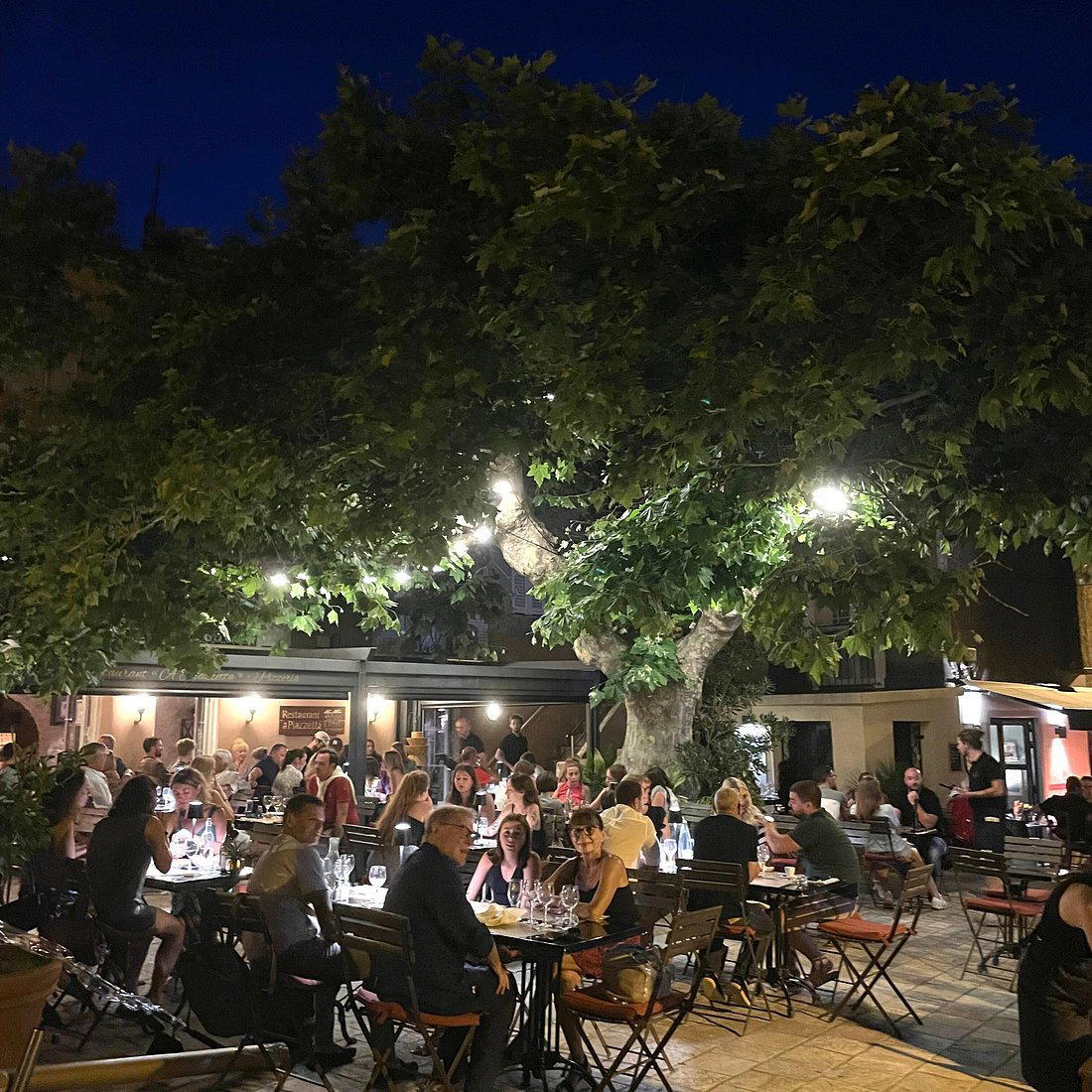
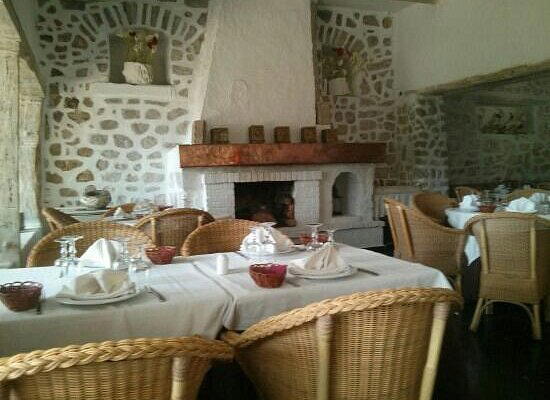
Traditional and tranquil interior with a Japanese garden entrance featuring pines, maples, and cherry trees; counter seating from a single slab of Kiso cypress in a relaxing space.