Rooster's Ballantyne
Rooster's Ballantyne operates in Charlotte's southernmost dining corridor, where suburban scale meets a growing expectation for neighbourhood-anchored restaurants with genuine character. Located at 15110 Bowl St in the Ballantyne district, it draws from a residential catchment that increasingly demands more than chain-format dining. For visitors and locals tracking Charlotte's dining evolution, it belongs on the itinerary alongside the city's broader south-side scene.
Pearl is the En Primeur Club membership app — saves, bookings, and concierge access live there. Same editors, same standards.
- Address
- 15110 Bowl St #101, Charlotte, NC 28277
- Phone
- +19803661010
- Website
- roosterskitchen.com
- Directions
- Get directions
 Saves & bookings on Pearl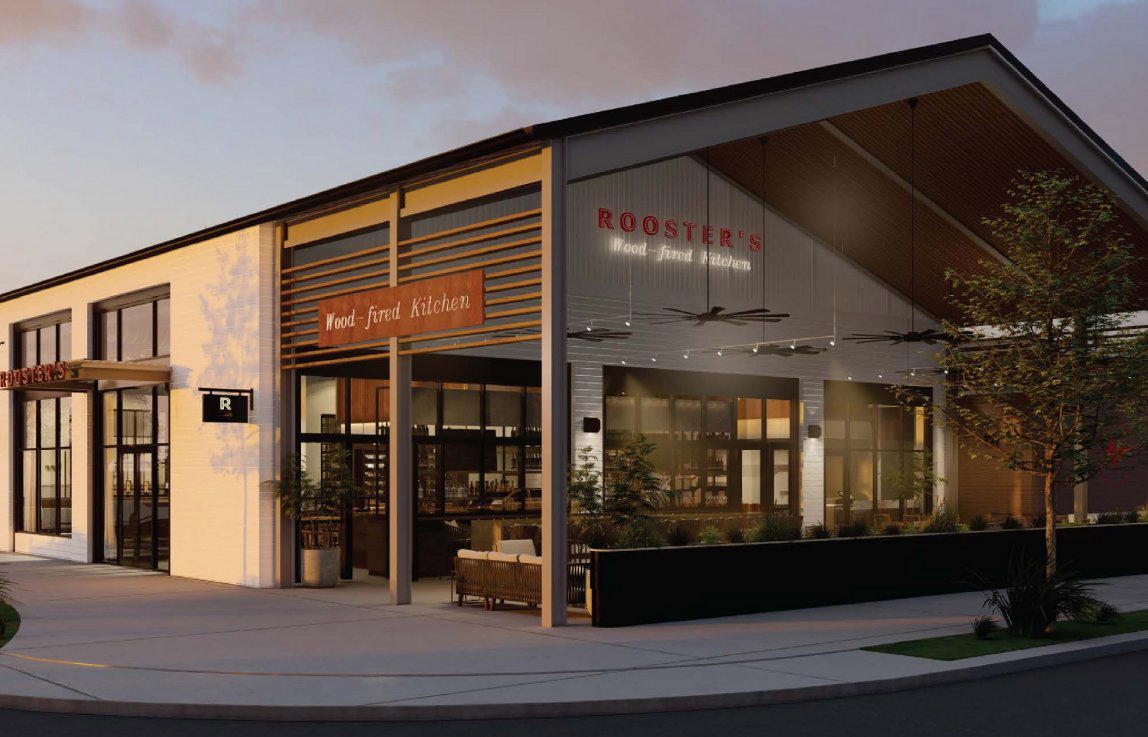
Ballantyne's Dining Corridor and What It Signals
Charlotte's restaurant map has been redrawn from the centre outward over the past decade. The energy that once concentrated entirely in Uptown and South End has pushed further south, and Ballantyne, once synonymous with corporate campuses and chain restaurants, has become a district where neighbourhood-first dining concepts are finding durable footing. Rooster's Ballantyne, at 15110 Bowl St, sits inside that southward shift, occupying a position in a corridor that now draws diners who would previously have driven north for anything worth the trip.
That migration matters editorially. In cities where dining culture has historically centralised, the credibility of an outer-district restaurant depends almost entirely on whether it can hold its own against the pull of established neighbourhoods. Ballantyne's residential density gives venues here a committed local base; the question is always whether a concept has the depth to retain those diners over time rather than serving as a novelty. The broader Charlotte dining scene, tracked in our full Charlotte restaurants guide, shows that the south-side corridor is producing a cohort of venues built for repeat visits rather than occasion dining.
The Physical Setting and Approach
Arriving at Bowl St, the built environment is characteristic of Ballantyne's mixed-use development pattern: retail-anchored ground floors, parking structured for suburban volume, and a streetscape that prioritises access over atmosphere. Within that context, a restaurant earns its character from the interior rather than the approach. Venues in comparable suburban-adjacent corridors across American cities have learned that the physical room carries more weight when the street does less work, a lesson that shapes how the better Ballantyne operators have calibrated their spaces.
The Ballantyne district's growth has also introduced a specific diner profile: professionals with disposable income and limited patience for restaurants that underdeliver on execution. That demographic drives demand for places that feel considered rather than convenient, and it positions Rooster's Ballantyne within a local competitive set that includes 204 North Kitchen & Cocktails and the Southern-inflected formats that have proliferated across the city's outer districts.
Where Rooster's Sits in Charlotte's Broader Dining Conversation
Charlotte's dining scene stratifies in ways that are instructive for placing any individual venue. At the upper register, tasting-menu formats and chef-driven destination restaurants compete for the same diner who might otherwise consider a flight to Le Bernardin in New York City or a reservation at Alinea in Chicago for a special occasion. Below that tier, the mid-market in Charlotte is where the real density of activity sits, and Ballantyne participates in that mid-market conversation with a growing number of operator-run neighbourhood concepts.
The comparison set nationally points to a pattern: suburban dining districts in Sun Belt metros have developed faster than equivalent zones in legacy coastal cities, partly because land costs allow larger footprints and partly because the demographic base skews toward households with high dining frequency. Charlotte fits that pattern. For context, Charlotte's south side occupies a similar developmental position to suburban San Diego corridors where Addison in San Diego has demonstrated that outer-district fine dining can achieve national recognition when the execution matches the ambition.
Closer to home, the Charlotte venues worth tracking as reference points for quality benchmarking include Angeline's, the Southern steakhouse format represented by venues like 1897 Market, and the rooftop dining category anchored by Aura Rooftop. Afternoon Tea at Ballantyne represents a different occasion format within the same district.
The Neighbourhood Logic of Booking Here
One of the more practical editorial points about Ballantyne as a dining destination is timing. Unlike Uptown Charlotte, where parking pressure, event calendars, and hotel-adjacent foot traffic compress reservation availability, Ballantyne operates on a more predictable cadence. Diners staying in the south Charlotte area, or arriving via the I-485 corridor, will find the logistics markedly more manageable than venues positioned closer to Bank of America Stadium or the Uptown core. That logistical ease is not a concession; it is, for a certain kind of dinner, an advantage.
The district's growth has tracked with broader American patterns of suburban densification, where mixed-use development creates walkable nodes within otherwise car-dependent fabric. Bowl St sits within one of those nodes, which means the pre- and post-dinner experience is more layered than the suburban format might initially suggest. Diners planning a Ballantyne evening have adjacent retail, hotel accommodation, and green space within the same precinct, a configuration that makes Rooster's viable for both local regulars and visitors based in the south Charlotte hotel corridor.
How This Venue Fits a Charlotte Itinerary
For visitors building a multi-day Charlotte programme, the city's dining geography rewards deliberate planning. Uptown and South End handle the density of bars, contemporary American formats, and occasion dining. The south corridor, anchored by Ballantyne, handles a different register: neighbourhood frequency, accessible logistics, and a residential character that keeps the energy grounded rather than performative. Venues positioned within destination-dining frameworks nationally, from Lazy Bear in San Francisco to Blue Hill at Stone Barns in Tarrytown, serve a specific function in their local dining ecosystems. Rooster's Ballantyne serves a different but equally legible function: the dependable neighbourhood anchor in a district where such things are harder to sustain than they appear.
The longer arc of Charlotte dining, visible across venues from Emeril's in New Orleans to Providence in Los Angeles in their respective cities, shows that outer-district restaurants earn their place through consistency and local loyalty rather than through the review cycle that sustains Uptown flagships. That is the standard Ballantyne's better operators are measured against, and it is the right frame for approaching Rooster's.
How Rooster's Ballantyne Charlotte compares with similar nearby venues.
| Venue | Cuisine |
|---|---|
| Gallery Restaurant | Southern American |
Continue exploring
More in Charlotte
Restaurants in Charlotte
Browse all →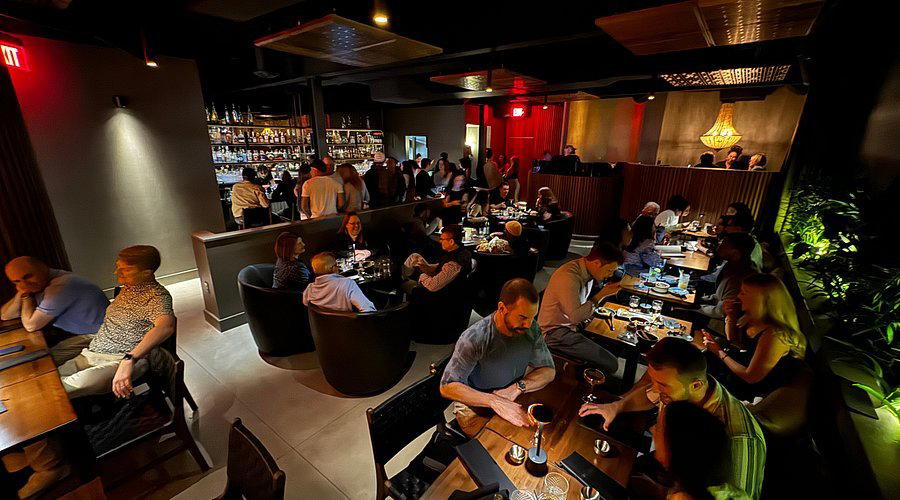


Bars in Charlotte
Browse all →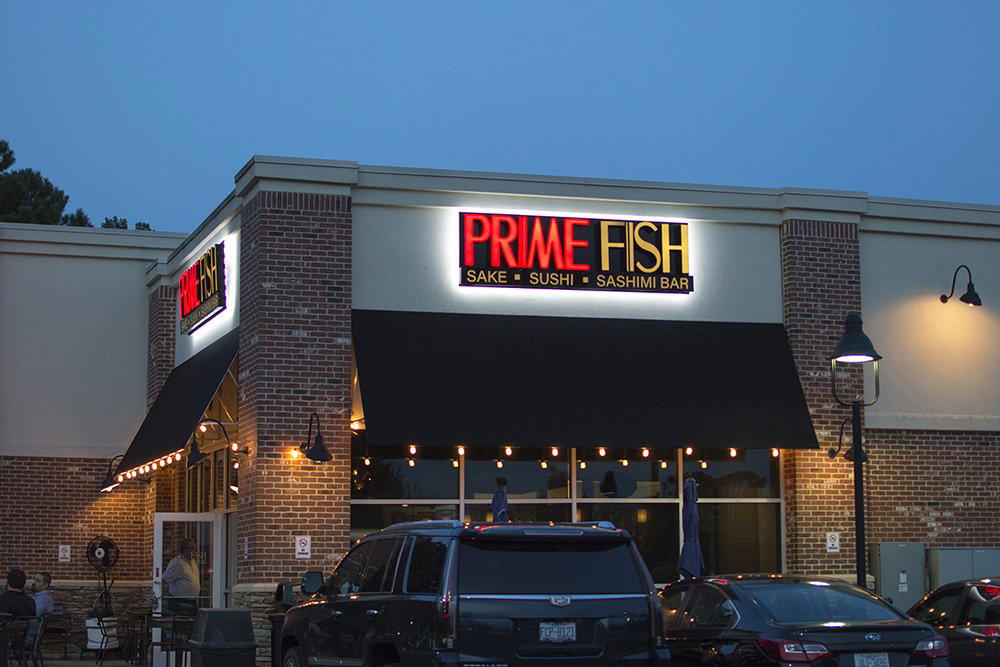
At a Glance
- Cozy
- Elegant
- Classic
- Group Dining
- Brunch
- Open Kitchen
- Extensive Wine List
- Local Sourcing
Current opening hours
- Monday
- 11 AM–10 PM
- Tuesday
- 11 AM–10 PM
- Wednesday
- 11 AM–10 PM
- Thursday
- 11 AM–10 PM
- Friday
- 11 AM–11 PM
- Saturday
- 11 AM–11 PM
- Sunday
- 11 AM–10 PM
Hours can change for holidays and private events. Last verified .
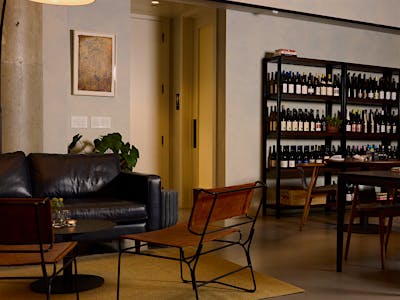
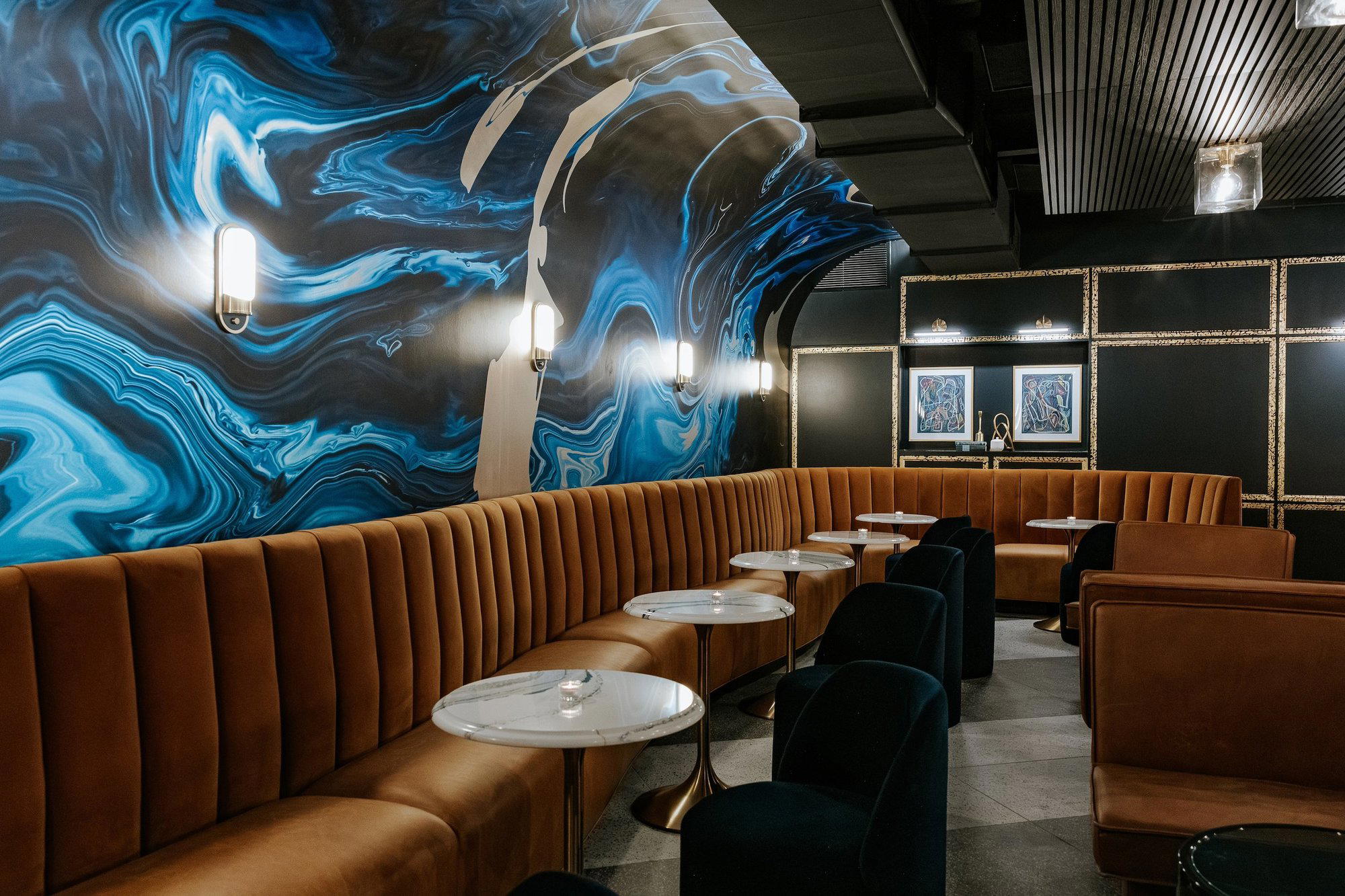
Warm and inviting with an updated fresh aesthetic, moderate noise, and comfortable upscale casual atmosphere featuring wine bar and covered patio.
Know Before You Go
- Getting there
- 15110 Bowl St #101, Charlotte, NC 28277