
A Michelin Plate-recognised address in the Pyrenean village of Nestier, Relais du Castéra serves traditional French cuisine at an accessible €€ price point that reflects the region rather than performing for it. With a 4.5 Google rating across 147 reviews, it occupies the role that the best rural auberges always have: an honest kitchen anchored to local produce and a dining room that feels earned rather than designed.
Pearl is the En Primeur Club membership app — saves, bookings, and concierge access live there. Same editors, same standards.
- Address
- Place du Calvaire, 65150 Nestier, France
- Phone
- +33 5 62 39 77 37
- Website
- hotel-castera.com
 Saves & bookings on Pearl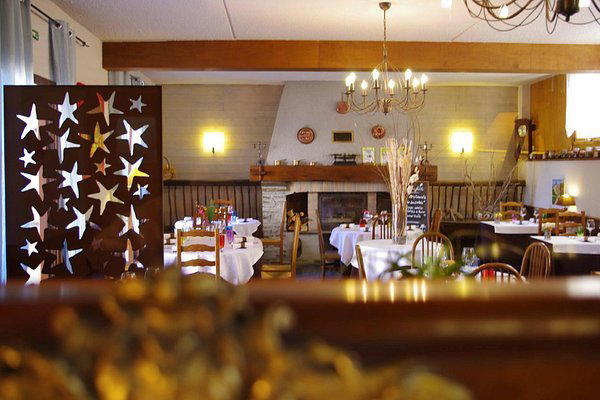
Where the Pyrenees Come to the Table
The village of Nestier sits in the Hautes-Pyrénées, a department that France's restaurant industry largely passes over when assembling its prestige map. The grands maisons, Flocons de Sel in Megève, Mirazur in Menton, Bras in Laguiole, draw the critical attention, while the rural southwest continues feeding people the way it always has: from what grows nearby, what is raised on the hillside, and what has been cooked this way for several generations. Relais du Castéra belongs to that second tradition, and it does so with enough consistency to have earned a Michelin Plate in 2024. That designation, which signals a kitchen worth noting without the theatrical expense of star-seeking, is exactly the right calibration for a restaurant at this address and price point.
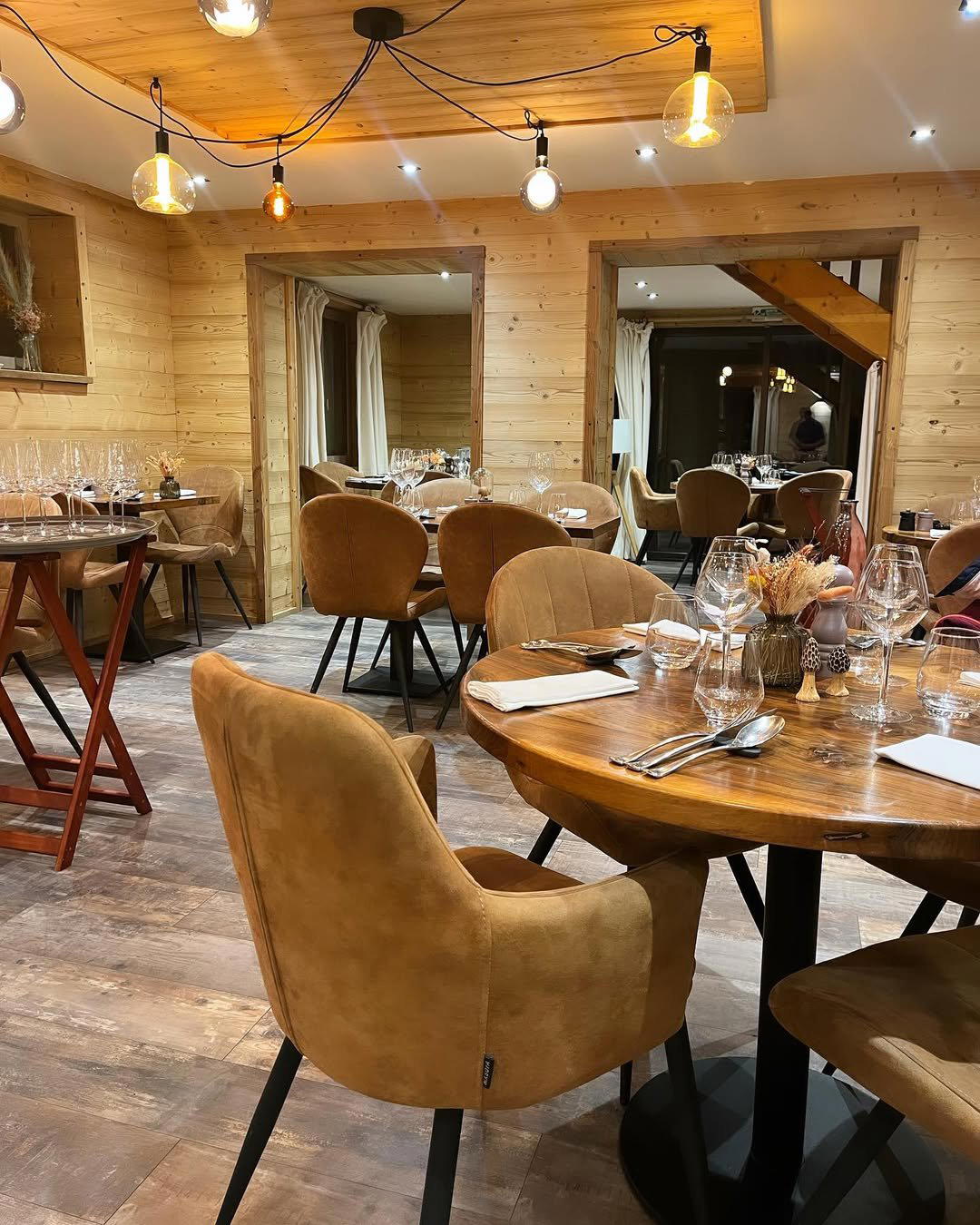
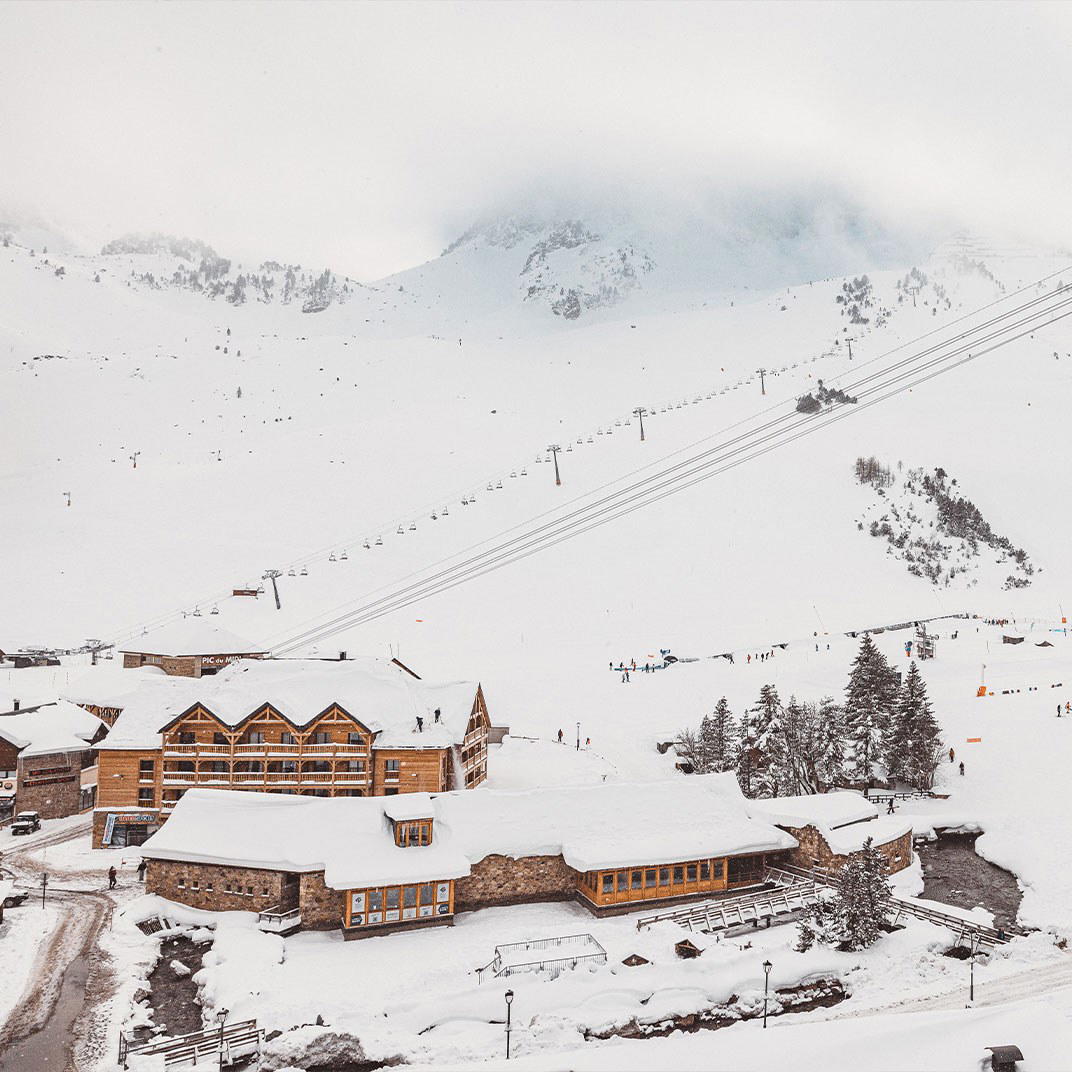
Approaching the Place du Calvaire on which the restaurant sits, the architectural register is immediately that of the Pyrenean village square: stone, scale, and a quietness that has nothing performative about it. This is not the curated rusticity that urban restaurants spend money replicating. It is the real thing, which means the dining room earns its atmosphere without trying, and what arrives on the table is asked to speak for the surrounding territory rather than for a chef's personal statement.
Traditional Cuisine and What That Actually Means Here
The category label "Traditional Cuisine" is applied by Michelin to restaurants that cook within a defined regional or national vernacular rather than innovating away from it. In the southwest of France, that vernacular is specific and deeply regional: duck in many preparations, lamb from the mountain pastures, river fish from the Garonne basin, charcuterie with Gascon roots, and vegetables shaped by the microclimate running along the Pyrenean foothills. These are not abstract ingredients. They are the produce of farms and smallholders within a geography that has its own clear culinary logic.
This is the framework within which the Michelin Plate carries meaning. It is not awarded for ambition alone; it requires a kitchen operating at a standard that, in this category, means the sourcing and the execution of traditional forms are done correctly. For the diner, this distinction matters most when comparing Relais du Castéra against the tier of casual regional restaurants that use similar language but deliver inconsistent results. The Google rating of 4.5 across 147 reviews, a meaningful sample for a village this size, suggests the kitchen holds its standard across repeat visits and across different types of tables.
The broader context for understanding this kitchen is not the starred restaurants of Paris, though the contrast is instructive. Alléno Paris au Pavillon Ledoyen and its counterparts operate in a register of transformation and invention where ingredient origin is a point of intellectual architecture. Here, the sourcing is the point in a more direct sense: what is grown close by, prepared in the manner the region understands, and presented without the abstraction layer that high-modernist French cooking requires of its audience. Both approaches are serious. They are not in competition; they are different answers to different questions.
The Sourcing Logic of the Hautes-Pyrénées
For a kitchen at the €€ price tier in this part of France, the sourcing question is less about premium provenance marketing and more about proximity. The Hautes-Pyrénées is not a department that suffers from distance to good ingredients: the mountains provide lamb and dairy with a mineral profile shaped by altitude grazing, the valley floors support market gardens, and the pig culture of Gascony to the north runs directly into this territory. A traditional kitchen in Nestier is working with a supply chain that has existed for centuries, which is an advantage that no amount of creative technique can manufacture.
This is the same sourcing logic that defines the rural auberge tradition found across provincial France, from the Auberge de l'Ill in Illhaeusern to the Auberge du Vieux Puits in Fontjoncouse at a different price register, or Auberge Grand'Maison in Mûr-de-Bretagne as a direct stylistic parallel. The auberge model, when it works, is built on the discipline of not overreaching: cooking what the region produces at the moment it is at its finest, and charging for the quality of the material rather than the complexity of the transformation. At €€, Relais du Castéra sits in the accessible tier of that model.
Planning a Visit: Practicalities for the Hautes-Pyrénées
Nestier is not a destination you pass through without intention. It requires a detour from the main arterial routes of the Hautes-Pyrénées, which means the journey is part of the proposition. Visitors combining this with the wider region will find the department's natural geography, the Pyrénées National Park, the Vallée d'Aure, the thermal towns of Bagnères-de-Bigorre and Luchon, provides enough context to build a multi-day itinerary around a meal here.
The €€€ pricing means the financial commitment is moderate relative to most Michelin-recognised addresses in France; a comparable meal in Paris at venues such as Assiette Champenoise in Reims or Au Crocodile in Strasbourg would require a substantially different budget. That gap is part of the point: Relais du Castéra is a different category entirely, one where the value of the meal is measured in territorial integrity rather than creative distinction.
For reference beyond France, the model of the serious village restaurant anchored to regional sourcing has an equivalent in northern Spain, where addresses like Auga in Gijón occupy a similarly grounded position relative to their region's cooking traditions.
Comparison Snapshot
Comparable venues nearby, for context on price, style, and recognition.
| Venue | Cuisine | Price | Awards | Notes |
|---|---|---|---|---|
| Relais du Castéra | Regional French Cuisine | $$$ | Michelin Plate | Nestier |
| Le Viscos | Pyrenean French Gastronomic | $$$ | Michelin Plate | Saint-Savin |
| Les Planeurs | Franco-Japanese Fine Dining | $$$ | Michelin Plate | Minimes / Barrière de Paris / Ponts-Jumeaux / La Vache / Raisin / Fondeyre |
| Bistrot Constant | Classic French Bistro | $$$ | Michelin Plate | Montech |
| L'Instant... | Modern French Bistronomic | $$$ | Michelin Plate | Montrabé |
| La Table de l'Europe | Modern French Fine Dining | $$$ | Michelin Plate | Villeréal |
At a Glance
- Rustic
- Cozy
- Romantic
- Classic
- Special Occasion
- Date Night
- Historic Building
- Local Sourcing
Chaleureuse dining room with imposing fireplace, cozy and traditional rural French atmosphere.