Rams Head Southernmost
Our verdict
Rams Head Southernmost occupies a storied address on Whitehead Street, close to the southernmost point of the continental United States. The venue sits within a Key West dining scene that has shifted considerably over recent years, moving from casual conch-shack informality toward a more considered approach to Florida coastal cooking. Its position in the neighbourhood places it alongside some of the island's most established dining options.

Pearl is the En Primeur Club membership app, where members save venues, book tables and use the concierge.
The menu
What to order
- Southernmost Salad
- Bahamian Conch Fritters
- Pork Street Tacos
- Mile 0 Burger
At the Southern Edge of the American Table
Whitehead Street runs like a spine through Key West's historic district, connecting the Hemingway House at one end to the painted buoy marking the continent's southern tip at the other. The address at 804 Whitehead places Rams Head Southernmost squarely within this corridor, a stretch that draws a particular kind of visitor: one who has come to the island with intention rather than accident. The physical setting matters here in a way it does not in cities where dining destinations are scattered across wide grids. In Key West, proximity to the southernmost point is a statement of orientation, and the restaurants that hold addresses along this axis carry the weight of that geography whether they choose to or not.
Key West's dining character has never been fixed. The island has cycled through identities, fishing outpost, literary retreat, cruise-ship waypoint, boutique travel destination, and its restaurants have reflected each phase. The Floribbean movement that reshaped Florida cooking in the 1990s, blending Caribbean spice with Gulf seafood and Southern technique, left a lasting mark here. Venues like Louie's Backyard helped establish that register, and the island's better kitchens have continued to negotiate between that tropical-coastal template and whatever national dining trends have arrived by the time visitors book their flights.
How the Scene Has Shifted Around This Address
The evolution of Key West dining over the past decade is legible in the gap between its two dominant registers. On one side sits the deeply casual tradition: the fish counter, the open-air conch shack, the paper-plate institution. B.O.'s Fish Wagon is the benchmark of that category, where the cooking is secondary to the ritual and the setting is its own argument. On the other side, a tier of more considered dining has gradually consolidated, with kitchens applying more formal technique to local ingredients and expecting guests to meet them at least partway. Azur and Antonia's represent different expressions of that upward pull, with European-influenced menus and a pace that resists the island's default informality.
What has changed most sharply is the middle register. Key West now has fewer restaurants that sit comfortably between fish-shack and fine-dining without feeling unresolved. The venues that have endured in that middle space have done so either by leaning harder into locality, sourcing from Gulf waters, referencing Keys culinary tradition, anchoring menus to what the season actually offers, or by finding a hospitality format that is specific enough to be defensible. The venues that have tried to split the difference without a clear point of view have struggled to hold a consistent audience.
Rams Head Southernmost operates in this context. Its Whitehead Street address places it within easy reach of the island's highest foot-traffic zones, which creates a different set of pressures and opportunities than a restaurant positioned deeper in a residential pocket. The southernmost corridor attracts first-time visitors alongside repeat travellers, and the dining options along it have historically skewed toward the accessible end of the spectrum. A venue at this address that aspires to something more considered is swimming against a mild but persistent current.
Key West in the Broader Frame of American Coastal Dining
Placed against the national field of serious American restaurant cooking, Key West occupies a niche that is geographically extreme but not gastronomically so. The restaurants that define American fine dining at the highest tier, Le Bernardin in New York City, The French Laundry in Napa, Alinea in Chicago, Single Thread Farm in Healdsburg, operate in urban or wine-country contexts with deep supply chains and year-round professional audiences. Island cooking at the quality end works differently: it succeeds when it stops competing with those formats and instead makes the strongest possible argument for what a specific place and its waters can provide.
The Keys have genuine raw material to work with. Gulf pink shrimp, stone crab claws from October through May, hogfish from local reef waters, and the spiny lobster season that runs from August through March give any kitchen operating here a seasonal calendar worth following. The restaurants in Key West that have built lasting reputations have generally done so by treating these ingredients as the actual subject of the menu rather than as local colour dressing a generic kitchen's output. 7 Fish and Atlas Izakaya approach this from different angles, but both demonstrate that specificity of sourcing and technique creates a more durable identity than atmosphere or address alone.
For broader context on how Key West dining has positioned itself relative to American coastal cooking more widely, the programs at Providence in Los Angeles, Addison in San Diego, and Blue Hill at Stone Barns in Tarrytown each illustrate what a deep commitment to regional sourcing produces at the upper end of the scale. Key West kitchens are not operating at that tier of investment or recognition, but the underlying principle, that a restaurant's identity should be inseparable from its geography, applies regardless of price point.
Planning a Visit
Whitehead Street is walkable from most of Key West's central accommodation, and the southernmost corridor is generally accessible without a vehicle. Key West's dining scene compresses its serious options into a relatively small geographic area, which means that a well-planned evening can move between venues or neighbourhoods without logistical difficulty. The island's peak season runs from December through April, when cooler temperatures and lower humidity make outdoor dining viable and visitor numbers push reservation demand upward across all categories. The summer and early fall months bring heat, occasional storm activity, and a noticeably quieter local rhythm, conditions that shift both the availability of certain seafood species and the pace of service across the island's kitchens. For a fuller picture of where Rams Head Southernmost fits within the island's dining options, our full Key West restaurants guide maps the competitive set across categories and price tiers.
Frequently asked questions
Where do I go for Rams Head Southernmost?
Rams Head Southernmost is located at 804 Whitehead St, Key West, FL 33040, Key West.
Where exactly is Rams Head Southernmost located in Key West, and how easy is it to reach?
Rams Head Southernmost is at 804 Whitehead St, Key West, FL 33040, in the city's historic district. Whitehead Street is walkable from most central Key West accommodation, and the southernmost corridor does not require a vehicle. The street is also on the route many visitors take between the Hemingway House and the southernmost point buoy, making the address a natural stop on foot.
What should I order at Rams Head Southernmost?
That said, Key West's position at the end of the Florida Keys puts it squarely in Gulf and Atlantic crossover territory, where the strongest kitchen decisions typically follow local seafood supply. When you visit 804 Whitehead St, asking staff what came in that day is a more reliable guide than any static list.
Do they take walk-ins at Rams Head Southernmost?
Whitehead Street venues in Key West's historic district tend to see significant foot traffic, particularly in peak winter season when the island runs close to capacity. Contacting the venue directly before arrival is the practical approach, especially for evening sittings.
What has Rams Head Southernmost built its reputation on?
What the address does carry is context: 804 Whitehead St sits on the spine of Key West's historic district, a corridor that runs from the Hemingway House toward the southernmost point marker, giving it a geographic identity that few American dining addresses can match. Reputation in Key West's tighter dining scene tends to travel fast through repeat visitors and the island's year-round hospitality community.
Accolades, Compared
Comparable venues nearby, for context on price, style, and recognition.
| Venue | Cuisine | Price | Awards | Notes |
|---|---|---|---|---|
| Rams Head SouthernmostThis venue (the venue you are viewing) | Caribbean Fusion with Live Music | $20–30 | Not listed | Not listed |
| Blue Heaven | Caribbean | $30–50 | Michelin Plate | Bahama Village |
| Moondog Cafe | American Cafe | $20–30 | Michelin Bib Gourmand | Old Town |
| La Te Da | Classic American with Seafood | $30–50 | Not listed | Duval Street |
| The Stoned Crab | Fresh Local Seafood with Stone Crab Specialty | Not listed | Not listed | Stock Island |
| New York Pasta Garden | Italian Pasta & Seafood Garden | $20–30 | Not listed | Duval Square |
Continue exploring
More in Key West
Restaurants in Key West
All restaurants in Key West →
Bars in Key West
All bars in Key West →
Details
- Lively
- Energetic
- Well Known
- Trendy
- Brunch
- Casual Hangout
- Group Dining
- Celebration
- Live Music
- Terrace
- Craft Cocktails
- Beer Program
- A La Carte
- Craft Cocktails
- Beer Program
- Vegetarian Friendly
- Vegan Options
- Gluten Free Options
Current opening hours
- Monday
- 8 AM–10 PM
- Tuesday
- 8 AM–10 PM
- Wednesday
- 8 AM–10 PM
- Thursday
- 8 AM–10 PM
- Friday
- 8 AM–10 PM
- Saturday
- 8 AM–10 PM
- Sunday
- 8 AM–10 PM
Hours can change for holidays and private events. Hours as of .
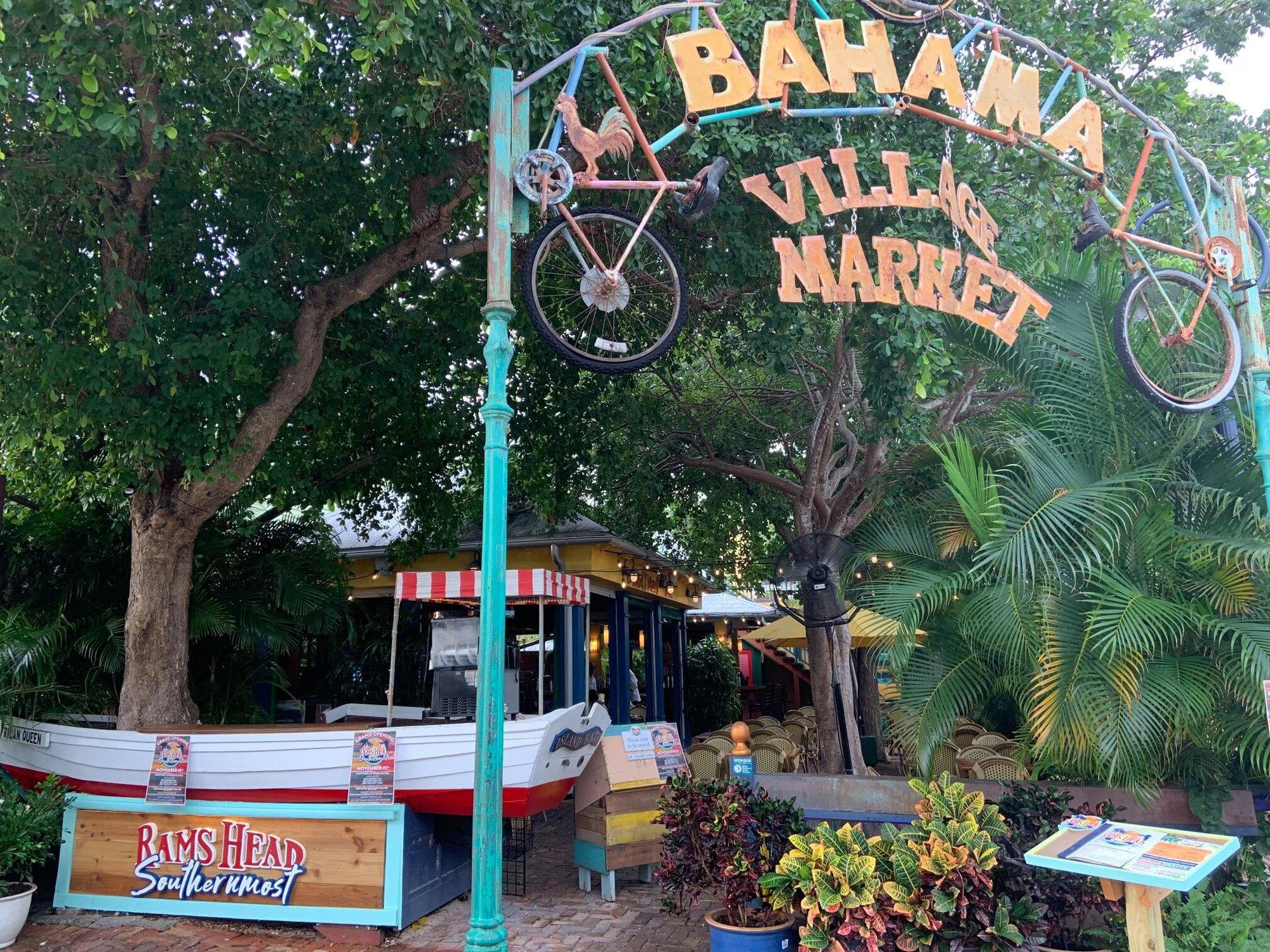
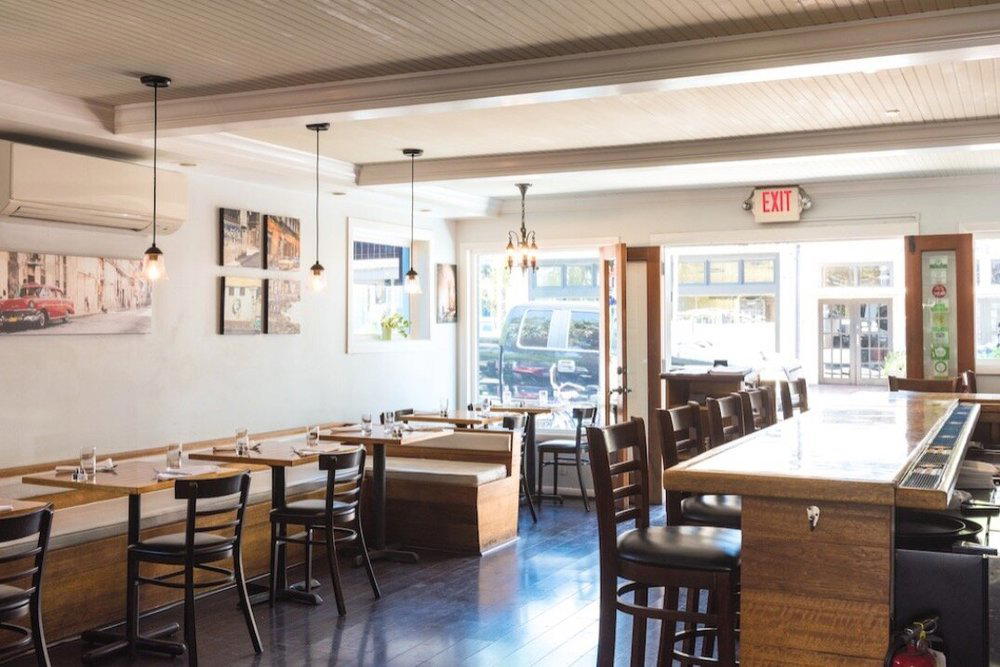
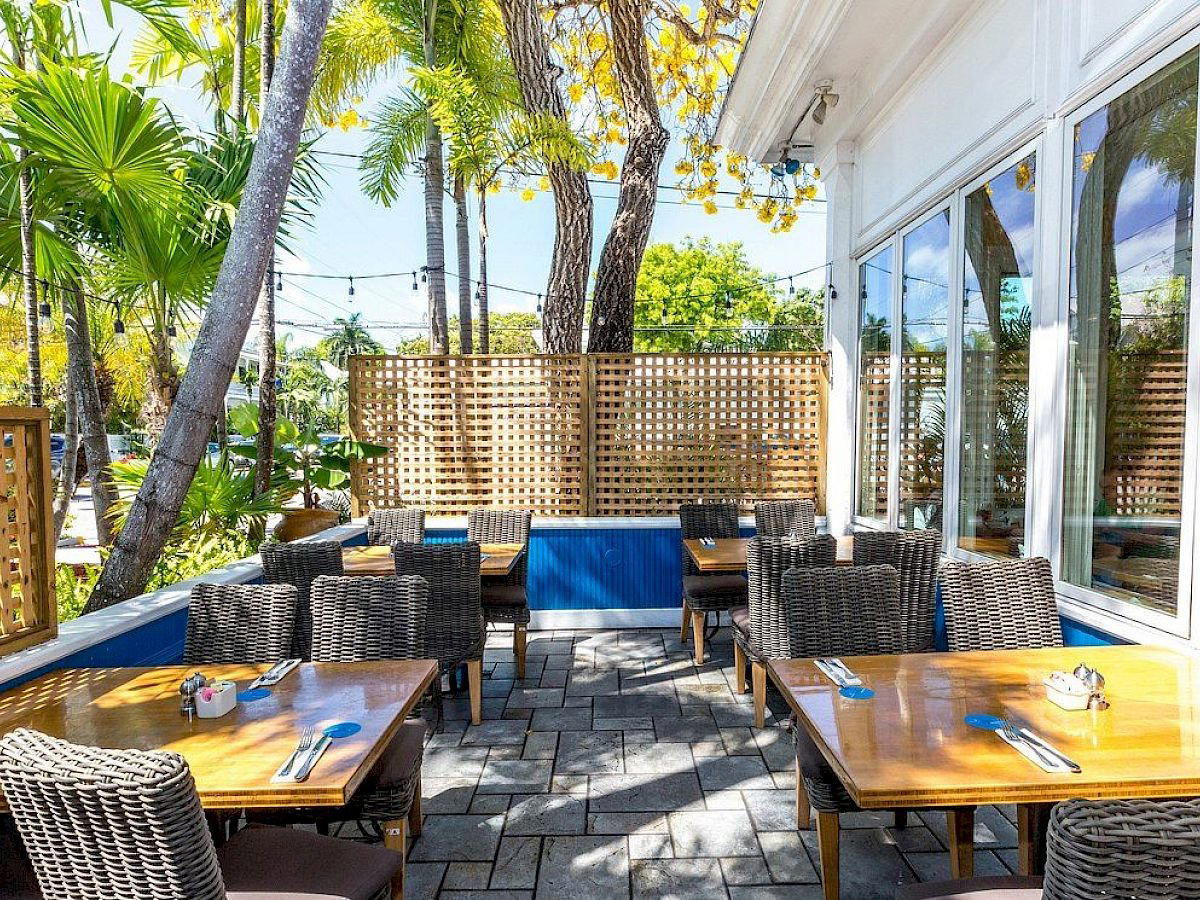
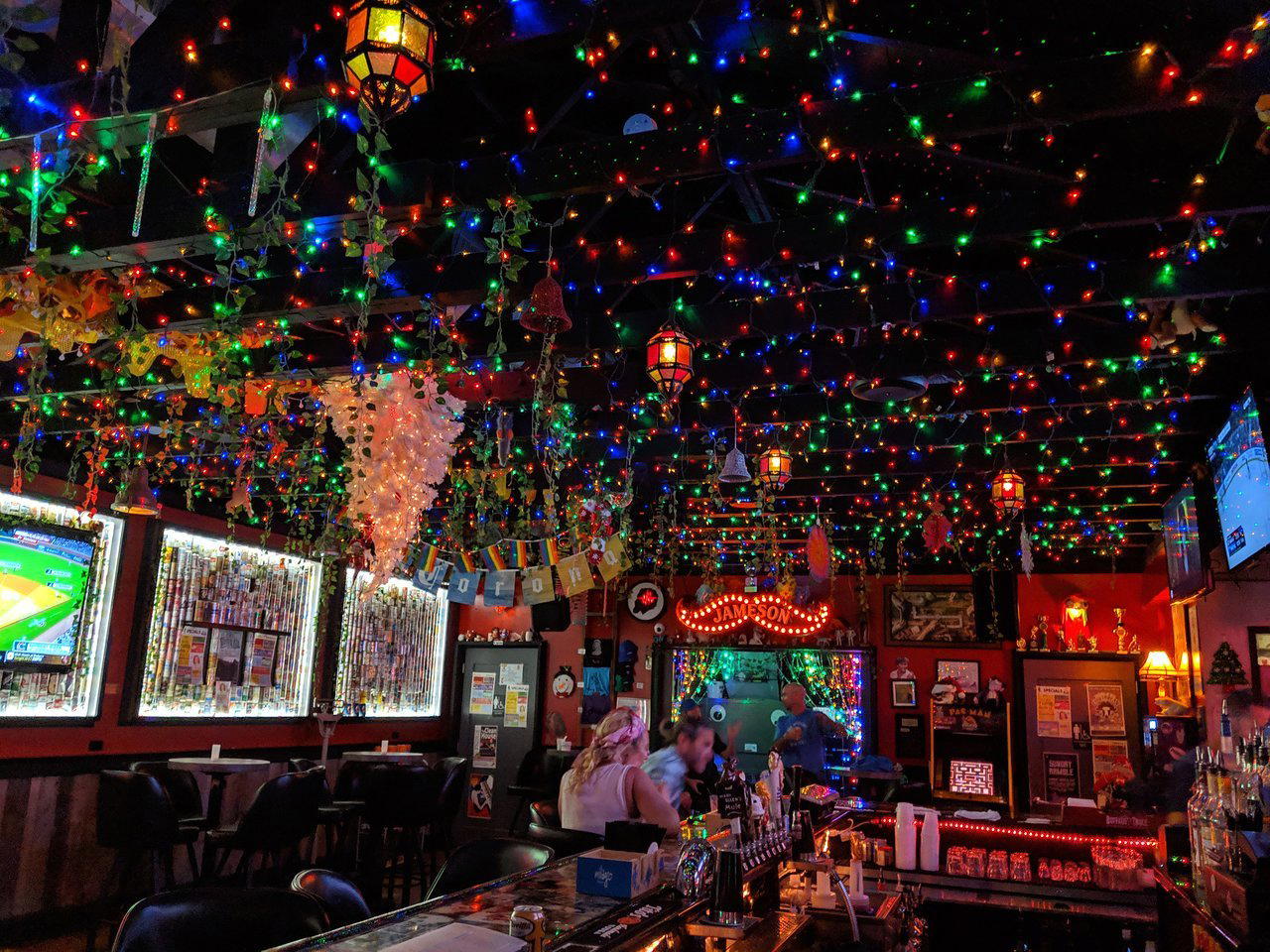
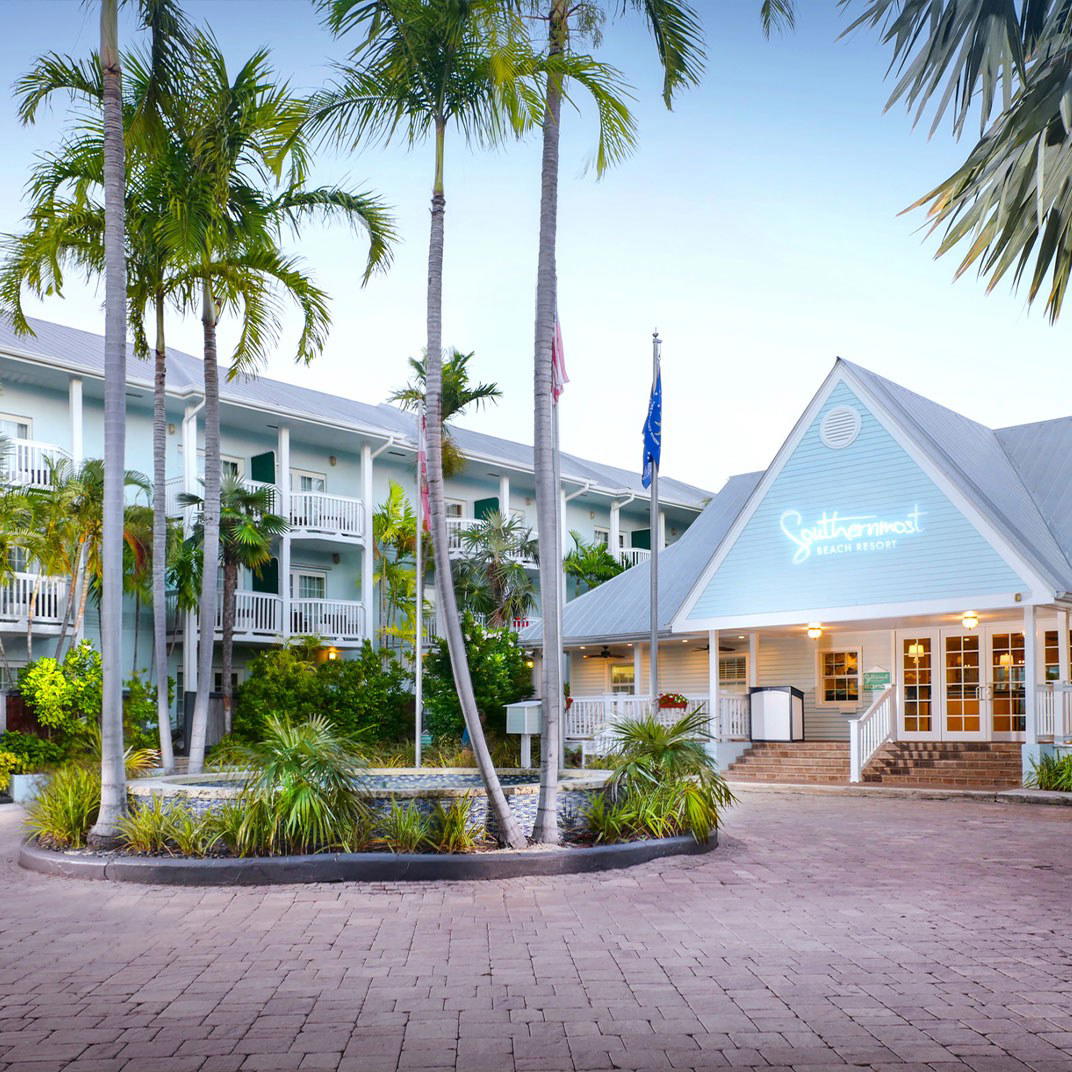
Lively tropical atmosphere with lush foliage, water fountains, sunshine, and electrifying live music creating energetic island vibes.