Pisco Peruvian Gastrobar - Lake Mary
Our verdict
Pisco Peruvian Gastrobar brings Lima's cevicherías and pisco bar culture to Lake Mary's West Lake Mary Boulevard strip, offering Central Florida one of the suburb's few dedicated windows into Peruvian cuisine. The gastrobar format, drinks-led, shareable plates, informal pacing, sits apart from the steakhouse and Mediterranean options that define most of the surrounding dining corridor.

Pearl is the En Primeur Club membership app, where members save venues, book tables and use the concierge.
The menu
What to order
- Causa Acevichada
- Croquetas de Aji de Gallina
- Ceviche
Where Lake Mary Meets Lima
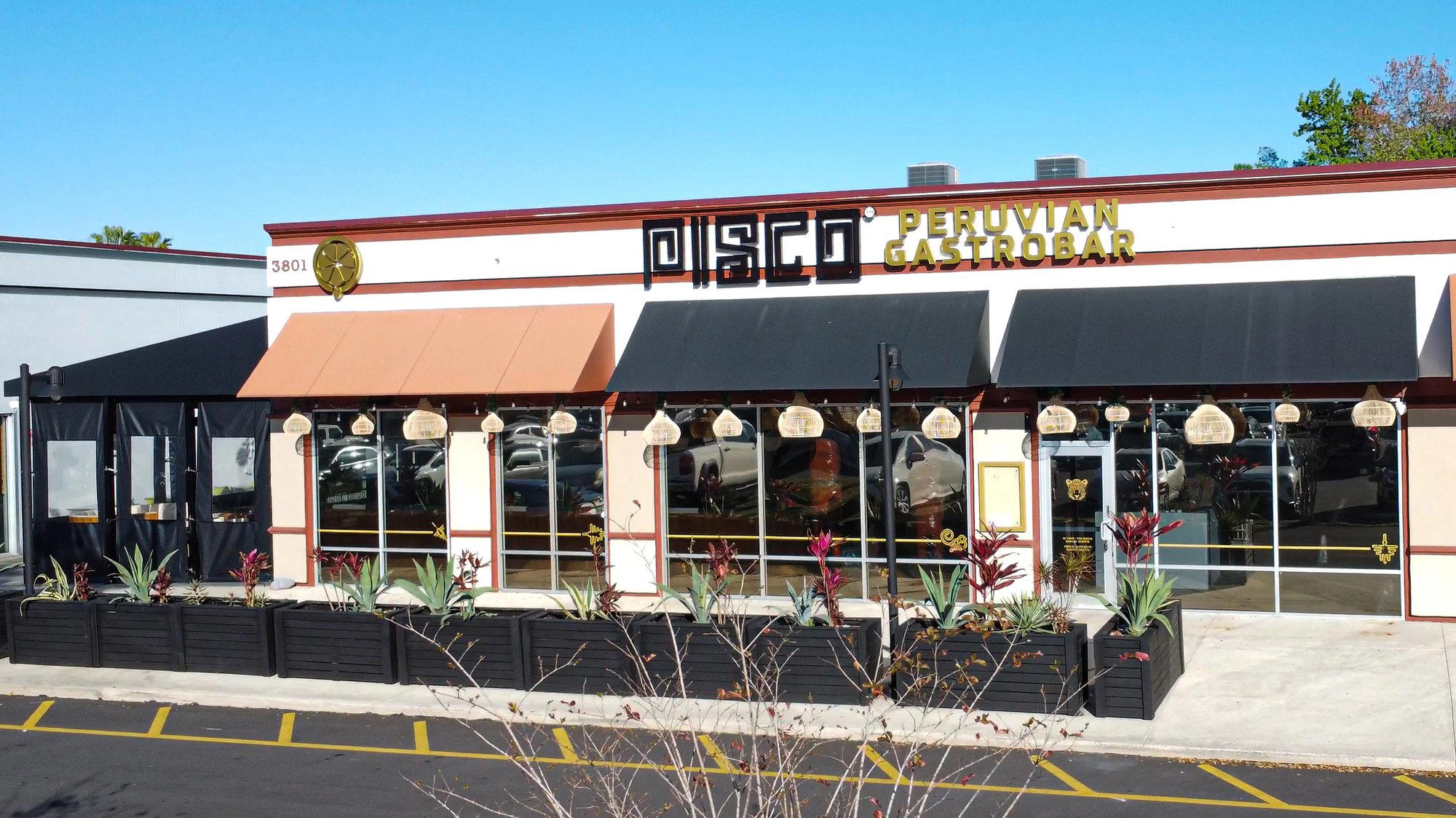
West Lake Mary Boulevard is a long commercial corridor built around convenience: strip malls, parking lots, chain anchors, and a handful of independent restaurants threading through the gaps. What the strip rarely offers is a genuinely specific regional cuisine, one with its own bar tradition, its own acid logic, and its own vocabulary of technique. Pisco Peruvian Gastrobar, at the 3801 end of that corridor, is an exception to that general pattern. Peruvian food has had a decade-long moment in American dining, driven in part by Lima's sustained presence near the best of Latin America's 50 Best lists, and the gastrobar format translates that tradition into something well-suited to a suburban Florida evening: drinks first, plates to share, no ceremony required.
The address, in a shopping center at 3801 W Lake Mary Blvd #155, places the restaurant inside Lake Mary's mixed-retail fabric rather than a dedicated dining district. That context matters. Lake Mary's dining scene, covered in detail in our full Lake Mary restaurants guide, runs heavily toward familiar formats: modern steakhouses like F&D Prime Modern Steakhouse, gastropubs like Grafton Street, and American-leaning independents like Boca.
What the Gastrobar Format Means in Practice
The gastrobar concept is not a Peruvian invention, but it maps onto Peruvian dining culture with particular coherence. Lima's food scene has long organized itself around two parallel institutions: the cevichería, where acid and fish do the heavy lifting, and the pisco bar, where the national spirit anchors cocktail culture. The gastrobar format, smaller plates, a drinks program that runs alongside rather than after the food, an informal pace, collapses those two traditions into a single sitting. You don't need to choose between a drinking evening and a dining one.
Pisco, the grape-based spirit produced in Peru and Chile (with Peruvians fiercely attached to their own denomination), is the obvious anchor for the drinks side of the equation. In its Peruvian form, pisco is unaged, distilled from specific grape varietals including Quebranta, Italia, and Torontel, and carries a range of aromatic profiles that cocktail programs can work with in different ways. The Pisco Sour, egg white, lime, simple syrup, Angostura bitters, is the canonical entry point, but a gastrobar format typically extends the program beyond that single signature into a broader range of pisco-led builds. That depth on the drinks side is part of what separates a gastrobar from a more conventional restaurant with a bar attached.
The Cuisine Tradition Behind the Menu
Peruvian cuisine's international reputation rests on a few structural advantages. The geography, Pacific coastline, Amazon basin, Andean altitude, produces an ingredient range that few national cuisines can match. The cultural history adds further complexity: Spanish colonial influence, significant Japanese immigration in the late nineteenth and early twentieth centuries, and Chinese culinary influence through the chifa tradition have all layered into what contemporary Peruvian cooking draws from. Ceviche, the technique of curing raw fish in citrus (the leche de tigre), is the most globally recognized output of that tradition, but it sits alongside tiraditos (the Japanese-influenced, sliced variant), causas (chilled potato terrine), anticuchos (marinated grilled skewers), and lomo saltado (a stir-fry that reads clearly as chifa influence). These are not fusion novelties, they are the standard vocabulary of a mature culinary tradition.
In Central Florida, Peruvian restaurants are concentrated in the greater Orlando metropolitan area rather than its northern suburbs. Lake Mary, largely residential and suburban in character, has more limited exposure to that tradition than areas closer to Orlando's denser immigrant community clusters. That geographic reality positions Pisco Peruvian Gastrobar as something closer to a specialist outpost than one of many competing options, which changes the calculus for diners willing to make the drive north from Orlando proper.
Lake Mary's Dining Context
For context on where Pisco Peruvian Gastrobar sits within the suburb's overall dining offer: Lake Mary's most recognized independent restaurants tend toward broad American formats. FishBones handles the seafood angle, F&D Cantina covers the casual Mexican-American space, and Boca leans into locally sourced American cooking. None of these occupy the same lane as a Peruvian gastrobar, which means Pisco operates with relatively little direct local competition for its specific offering.
This is a different situation from Miami's Brickell or Doral neighborhoods, where multiple Peruvian restaurants compete for the same audience, or from New York's larger Peruvian dining contingent. Lake Mary's suburban context means the comparison set is effectively the drive radius rather than a neighborhood cluster, and within that radius, the specificity of the Peruvian gastrobar format gives the venue a clear identity that generic Latin-American restaurants don't share.
For diners who want to benchmark Pisco Peruvian Gastrobar against what serious restaurant investment looks like elsewhere in the country, the contrast is instructive. Places like Le Bernardin in New York City, The French Laundry in Napa, or Alinea in Chicago represent a different tier of ambition and price point entirely. Closer to the gastrobar's informal register, but still operating at a higher level of culinary complexity, are venues like Lazy Bear in San Francisco or Blue Hill at Stone Barns in Tarrytown. The point isn't direct comparison, it's that the gastrobar format deliberately occupies a more accessible, drinks-anchored position in the dining spectrum, and Pisco fits that register in a suburb that skews toward the casual end of the dining range.
Planning Your Visit
The restaurant is located at 3801 W Lake Mary Blvd #155 in Lake Mary, FL 32746, in a shopping center with parking directly adjacent. Walk-in capacity during weekday service is typically more reliable, but gastrobar settings with a strong drinks program often see later-evening traffic build quickly.
Frequently asked questions
What part of town is Pisco Peruvian Gastrobar - Lake Mary in?
Pisco Peruvian Gastrobar - Lake Mary is located at 3801 W Lake Mary Blvd #155, Lake Mary, FL 32746, Lake Mary.
Is Pisco Peruvian Gastrobar in Lake Mary a good option for groups looking for Peruvian food near Orlando?
Lake Mary sits in Seminole County roughly 25 miles north of downtown Orlando, making Pisco Peruvian Gastrobar one of the few dedicated Peruvian venues accessible to the northern Orlando metro without a city-center drive. The gastrobar format, centered on shareable plates and cocktails, suits group dining structurally. For group reservations or minimum spend policies, confirming directly with the restaurant at 3801 W Lake Mary Blvd #155 is recommended.
What should I order at Pisco Peruvian Gastrobar - Lake Mary?
Peruvian gastrobars are built around sharing: ceviches, tiraditos, and causa are typically anchored at the center of the table, with grilled and braised proteins supporting. Pisco-based cocktails, including the pisco sour, are the natural pairing and the format the bar is named for. Without a current published menu from 3801 W Lake Mary Blvd, specifics will need to be confirmed at the venue directly.
Do they take walk-ins at Pisco Peruvian Gastrobar - Lake Mary?
No reservation policy is publicly documented for the Lake Mary location. The gastrobar format, which typically features bar seating and smaller shared plates, tends to accommodate walk-ins more readily than a formal dining room. Checking directly with the restaurant at 3801 W Lake Mary Blvd #155 before arriving on a weekend evening is advisable.
What's the standout thing about Pisco Peruvian Gastrobar - Lake Mary?
In a suburb dominated by chain restaurants and fast-casual anchors along West Lake Mary Boulevard, an independent Peruvian gastrobar occupies a distinct position. The gastrobar format, which Lima's dining scene has long used to make sophisticated cuisine accessible across price points, is underrepresented in Central Florida's suburbs. That combination of format and cuisine type makes Pisco an outlier in the Lake Mary dining corridor.
Is Pisco Peruvian Gastrobar - Lake Mary allergy-friendly?
Peruvian cuisine's reliance on fish, shellfish, and gluten-containing grains means diners with seafood or wheat allergies should communicate requirements clearly before ordering. No allergy-specific documentation is publicly available for the Lake Mary location, so contacting the restaurant at 3801 W Lake Mary Blvd #155 ahead of your visit is the most reliable approach.
The Essentials
Comparable venues nearby, for context on price, style, and recognition.
| Venue | Cuisine | Price | Awards | Notes |
|---|---|---|---|---|
| Pisco Peruvian Gastrobar - Lake MaryThis venue (the venue you are viewing) | Modern Peruvian Nikkei Gastrobar | $30–50 | Not listed | Not listed |
| Krazy Greek Kitchen | Authentic Greek & Mediterranean | $20–30 | Not listed | Lake Mary, Authentic Greek & Mediterranean |
| FishBones | Modern Seafood, Sushi & Steak | $50–100 | Wine Spectator Award of Excellence | Lake Mary, Modern Seafood, Sushi & Steak |
| Tamara Lake Mary- Indian, Thai, Chinese | Indian-Thai-Chinese Fusion | $20–30 | Not listed | Lake Mary, Indian-Thai-Chinese Fusion |
| Grafton Street | Modern Irish Pub | $20–30 | Not listed | Lake Mary, Modern Irish Pub |
| The Vineyard Wine Company | American Wine Bar | $30–50 | Star Wine List | Lake Mary, American Wine Bar |
Continue exploring
More in Lake Mary
Restaurants in Lake Mary
All restaurants in Lake Mary →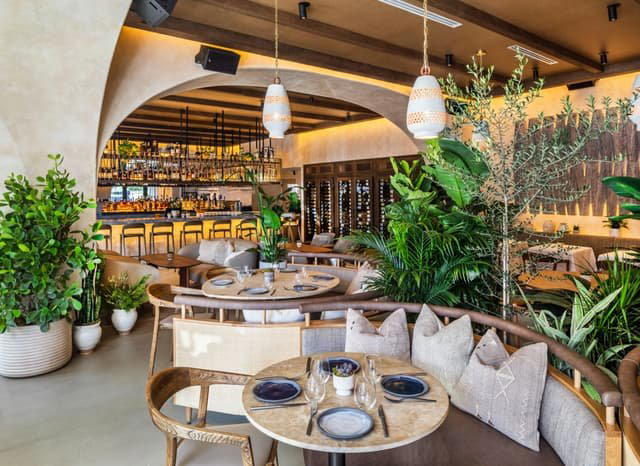
Bars in Lake Mary
All bars in Lake Mary →

Details
- Trendy
- Elegant
- Sophisticated
- Date Night
- Special Occasion
- Group Dining
- Open Kitchen
- Craft Cocktails
- A La Carte
- Small Plates
- Pisco Sour
- Peruvian Sangria
Current opening hours
- Monday
- 12–9 PM
- Tuesday
- 12–9 PM
- Wednesday
- 12–9 PM
- Thursday
- 12–9 PM
- Friday
- 12–10 PM
- Saturday
- 11 AM–10 PM
- Sunday
- 11 AM–9 PM
Hours can change for holidays and private events. Hours as of .
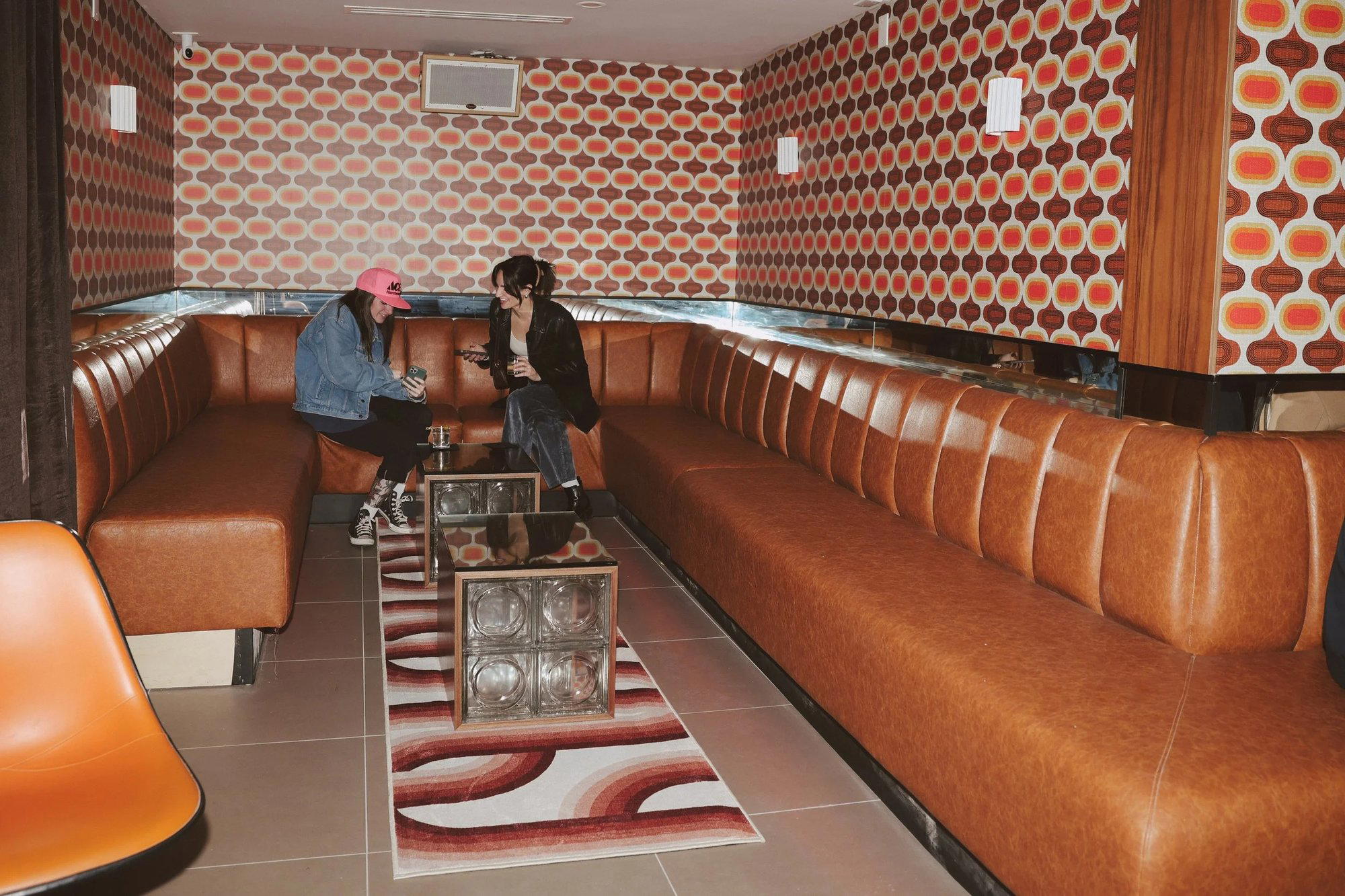
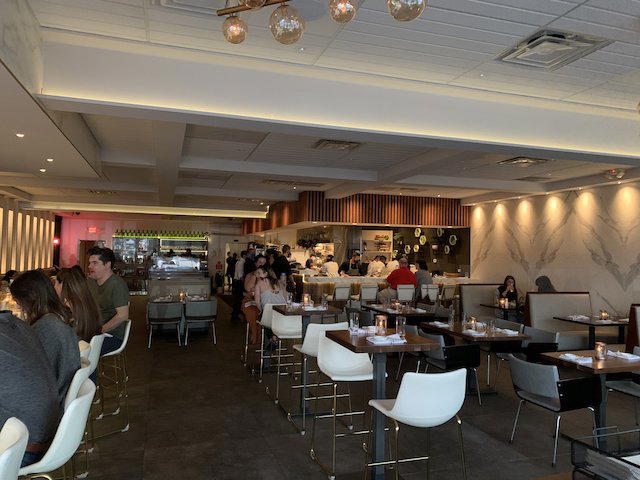
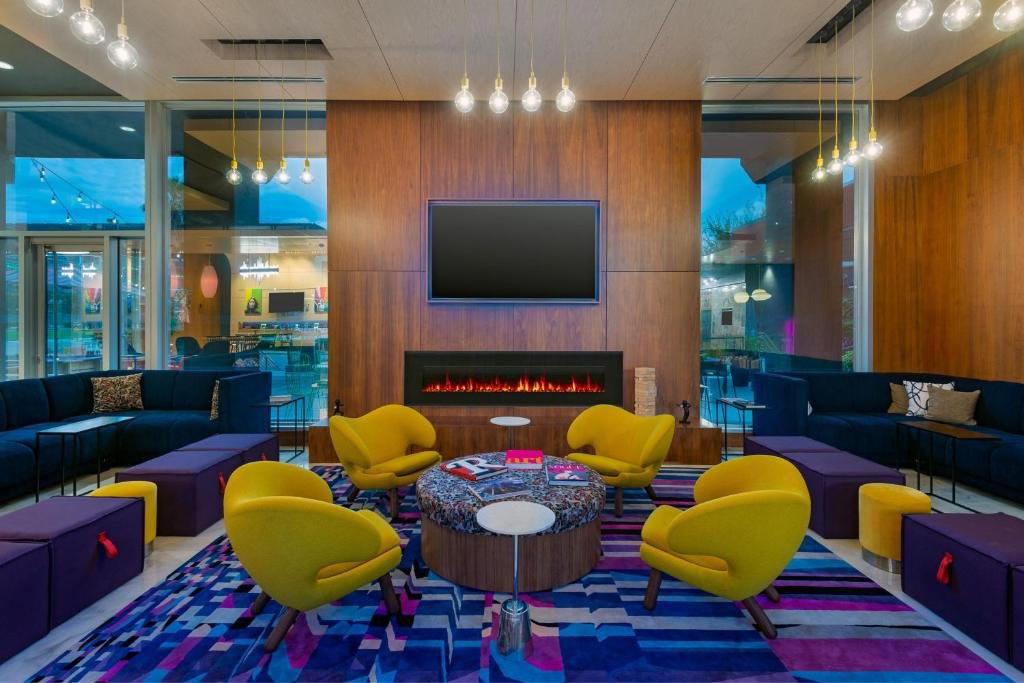
Warm jewel-toned space with upscale yet relaxed atmosphere and moderate noise levels.