Ping Pang Pong

Ping Pang Pong at 4000 W Flamingo Rd brings Chinese dining to the Gold Coast Hotel in Las Vegas, operating in a city where Asian restaurant programs have grown steadily more ambitious. The address places it on the western side of the Strip corridor, where hotel dining operates at a different register than the flagship rooms on Las Vegas Boulevard itself.
Pearl is the En Primeur Club membership app — saves, bookings, and concierge access live there. Same editors, same standards.
- Address
- 4000 W Flamingo Rd, Las Vegas, NV 89103
- Phone
- +1 702 247 8136
- Website
- pingpangpong.net
- Directions
- Get directions
 Saves & bookings on Pearl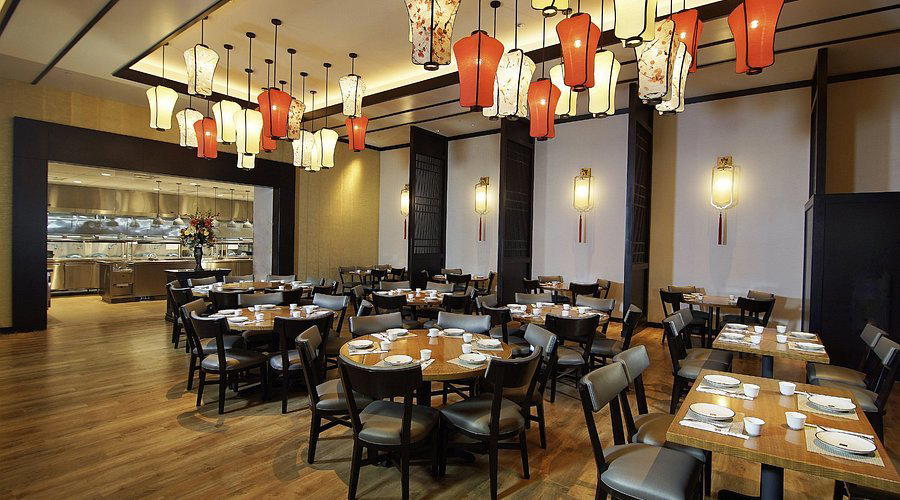
West of the Strip, Where the Dining Operates Differently
The Gold Coast Hotel sits on West Flamingo Road, a few blocks removed from the concentrated spectacle of Las Vegas Boulevard. That distance is not incidental to how a restaurant like Ping Pang Pong functions. Properties in this corridor serve a more locally rooted clientele alongside visitors who seek out Chinese dining with some deliberateness, rather than stumbling past a branded steakhouse on the way to the casino floor. In a city where hotel restaurants are often built around maximizing walk-in volume, the geography here tends to produce a different kind of dining room: one where the regulars know the menu and the kitchen has developed its own rhythms accordingly.
Las Vegas has spent the past decade building a Chinese restaurant scene that goes well beyond the buffet tradition. Venues across the valley now cover regional Chinese cooking with varying degrees of seriousness, and the question worth asking of any Chinese restaurant in this city is where it sits on that spectrum. Ping Pang Pong, at 4000 W Flamingo Rd, occupies a segment of that scene that has historically been less visible to visitors oriented around the Boulevard but more consistent in serving the local Cantonese and dim sum appetite that sustains Chinese restaurants across North American cities.
The Structure of a Chinese Meal and What It Reveals
The editorial angle worth applying to Chinese dining, particularly in the dim sum and Cantonese register, is the progression of the meal itself. Unlike the tasting-menu format that structures so much conversation around places like The French Laundry in Napa or Smyth in Chicago, or the quiet course-by-course precision of Atomix in New York City, Chinese restaurant dining operates through a different kind of narrative arc. The meal does not unfold in a fixed sequence handed down by the kitchen. Instead, the table assembles its own progression through a combination of shared dishes, ordered in layered waves that move from lighter preparations toward richer ones, from delicate to roasted, from tea-paired dim sum to full entrée service.
This structure places the knowledge burden partly on the diner. A table that understands the logic of a Cantonese meal will eat very differently from one that orders without that framework. At a dim sum service, the early rounds typically prioritize steamed preparations: har gow, siu mai, rice noodle rolls filled with shrimp or beef. These are the cleanest expressions of the kitchen's technique, where the wrapper texture and the balance of filling reveal whether the kitchen is working carefully or on autopilot. From there, the progression moves toward baked and pan-fried items, then toward the heavier roasted proteins and noodle dishes that bring a long lunch toward its close. The sequence is social and cumulative rather than prescribed, which is precisely what makes it resistant to the kind of formal criticism applied to prix-fixe restaurants like Le Bernardin in New York City or Blue Hill at Stone Barns in Tarrytown.
Ping Pang Pong in the Las Vegas Chinese Dining Context
Within Las Vegas, Chinese restaurants serving the local community have maintained a distinct identity from the tourist-facing dining rooms on the Strip. The Gold Coast is a casino property that has historically drawn a significant Chinese-American clientele, which has shaped the restaurant's positioning over time. That community orientation tends to produce menus with breadth across regional preparations and a kitchen calibrated to the expectations of diners who eat this cuisine regularly rather than occasionally.
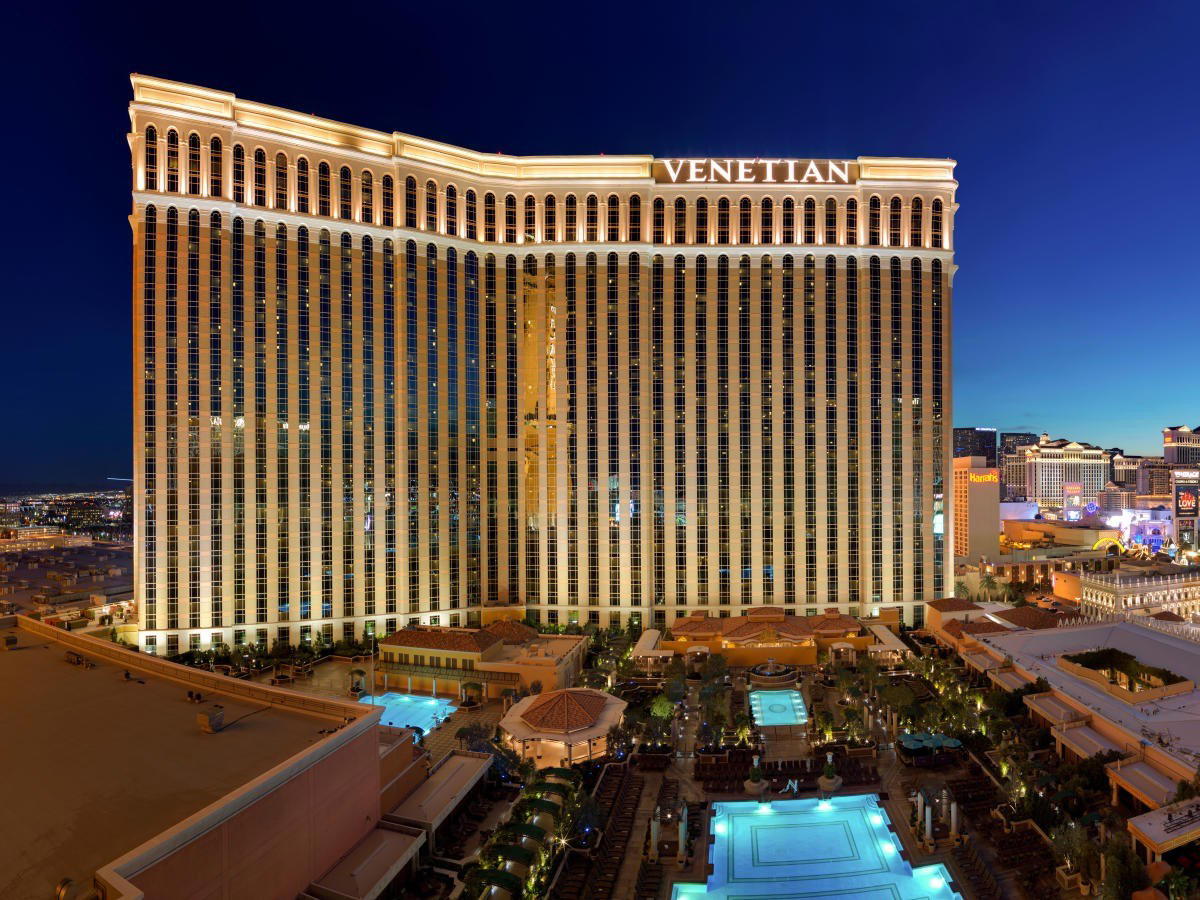
The contrast with Strip-oriented dining is worth stating plainly. A restaurant like Bouchon at The Venetian is priced and positioned for a visitor economy, where the dining room experience is partly about the hotel brand and partly about Thomas Keller's name. Alizé operates at the top of the Palms with a view as part of the proposition. Ping Pang Pong is operating in a different register entirely, where the value proposition is built around the food itself and the regulars who return for it. That is a meaningful distinction in a city that has developed a layered restaurant scene extending well beyond its Boulevard address points. Our full Paradise restaurants guide maps that range across price tiers and neighborhood anchors.
For a broader picture of how specialist Chinese dining fits into the American restaurant scene, the contrast with places like Providence in Los Angeles or Addison in San Diego is instructive. Those venues are working in the fine-dining register that generates Michelin attention and national press coverage. Chinese restaurants serving a community clientele rarely enter that conversation, not because of quality, but because the critical infrastructure for evaluating them operates on different terms. Restaurants like Lazy Bear in San Francisco, Single Thread Farm in Healdsburg, and Emeril's in New Orleans each built reputations through the kind of critical and award infrastructure that Chinese community dining has historically sat outside of. That gap is closing in some markets, but it remains a feature of how Chinese restaurants are assessed across the United States.
Planning a Visit
The address at 4000 W Flamingo Rd places Ping Pang Pong inside the Gold Coast Hotel, reachable by car or rideshare from the Strip in under ten minutes. Weekend dim sum service at venues of this type in Las Vegas tends to draw the heaviest traffic between 10am and 1pm, when the cart or order-sheet format runs at full speed. Arriving early in that window typically means shorter waits and the freshest rotation of steamed preparations. Visitors coming from the Boulevard should factor in that parking at Gold Coast is self-contained and free, unlike the paid structures attached to most Strip properties. Specific hours and reservation policies are best confirmed directly with the venue before visiting, as service formats at Chinese restaurants of this type can vary between weekday and weekend operations. For additional context on where Ping Pang Pong sits relative to other dining options in the area, the Craft + Community listing and the broader Paradise restaurant guide offer useful orientation across categories and price points.
How Ping Pang Pong Paradise compares with similar nearby venues.
| Venue | Cuisine |
|---|---|
| Vetri Cucina | Italian |
Recognition history
Dated appearances from independent guides and award organizations, with the underlying list record or original source where available.
Michelin Plate
Michelin

At a Glance
- Lively
- Classic
- Late Night
- Casual Hangout
- Hotel Restaurant
Current opening hours
- Monday
- 10 AM–3 AM
- Tuesday
- 10 AM–3 AM
- Wednesday
- 10 AM–3 AM
- Thursday
- 10 AM–3 AM
- Friday
- 10 AM–3 AM
- Saturday
- 10 AM–3 AM
- Sunday
- 10 AM–3 AM
Hours can change for holidays and private events. Last verified .
Know Before You Go
- Getting there
- 4000 W Flamingo Rd, Las Vegas, NV 89103