Osteria Rossa
On Monroe Center in the heart of downtown Grand Rapids, Osteria Rossa occupies a position in Michigan's growing Italian dining conversation, a room where the red-sauce tradition meets a more considered regional approach. It draws a local crowd that returns with regularity, placing it in the tier of neighborhood anchors that shape a city's culinary identity more quietly than their press clippings suggest.
- Address
- 16 Monroe Center St NE, Grand Rapids, MI 49503
- Phone
- +1 616 988 9350
- Directions
- Get directions
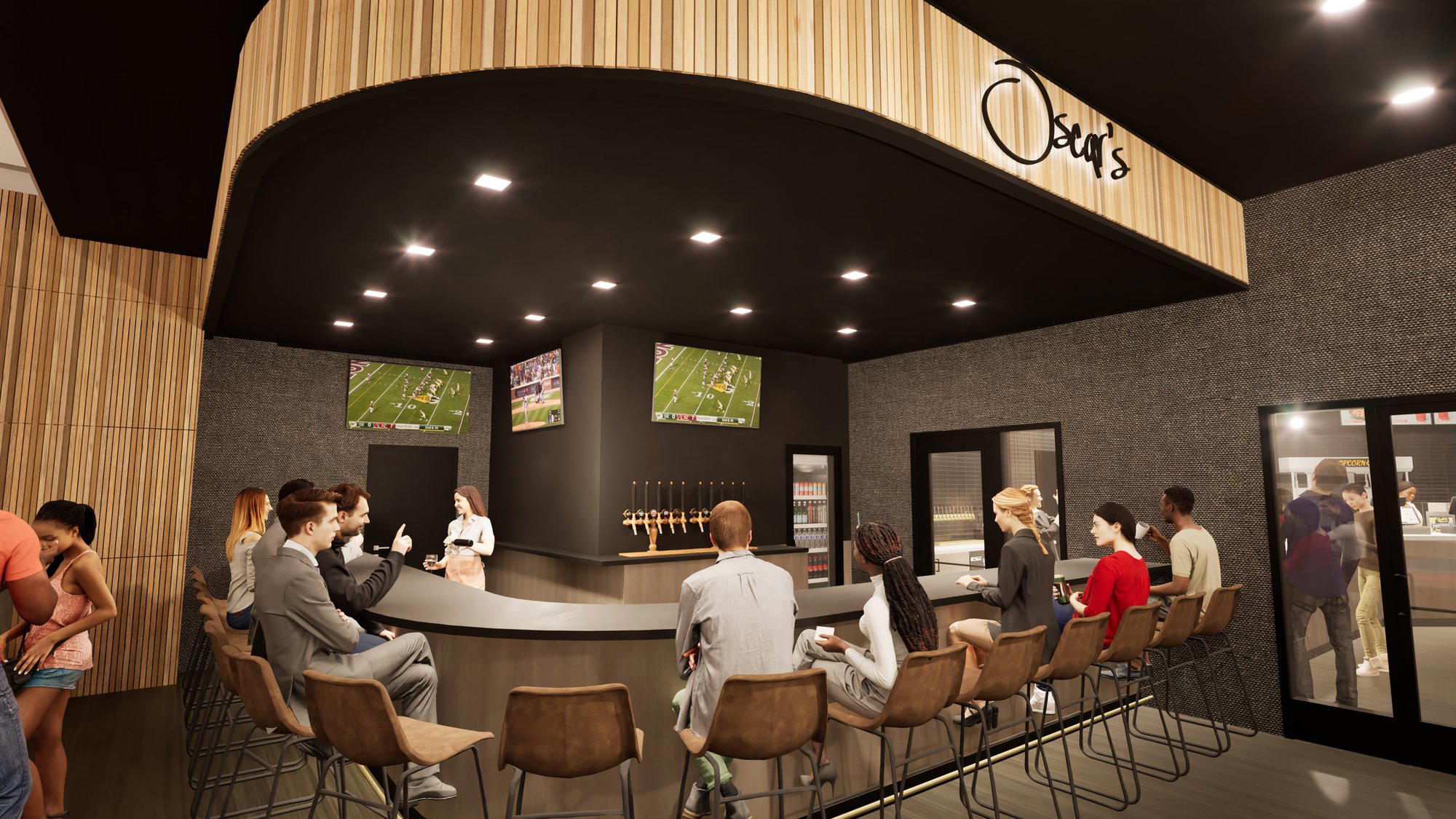
Monroe Center and the Italian Dining Shift in Grand Rapids
Osteria Rossa is a restaurant in Grand Rapids, Michigan, serving Italian Trattoria cuisine at a price tier of 2. Downtown Grand Rapids has spent the better part of two decades sorting itself into a more legible dining city. The transformation along Monroe Center NE reflects that arc: what was once a corridor of casual options has gradually absorbed venues with sharper editorial identities, places that position themselves within a regional conversation rather than simply against a local one. Osteria Rossa at 16 Monroe Center St NE sits inside that shift, operating at an address that carries more foot traffic and ambient expectation than most blocks in western Michigan.
The Italian osteria format has a specific cultural weight in the American Midwest that differs from its coastal counterpart. Where New York or San Francisco Italian dining tends to cluster around either red-sauce institution or modernist reinvention, the Midwest version often occupies a middle register: familiar enough to draw broad audiences, considered enough to hold a returning clientele. Grand Rapids has developed several venues working this register, with Bistro Bella Vita and spots like Blue Water each staking out distinct positions in the city's dining tier. Osteria Rossa's name, the red osteria, signals a specific aesthetic commitment, one that references warmth, informality, and the trattoria tradition without being bound to any single Italian region.
How the Room Reads Before the Menu Arrives
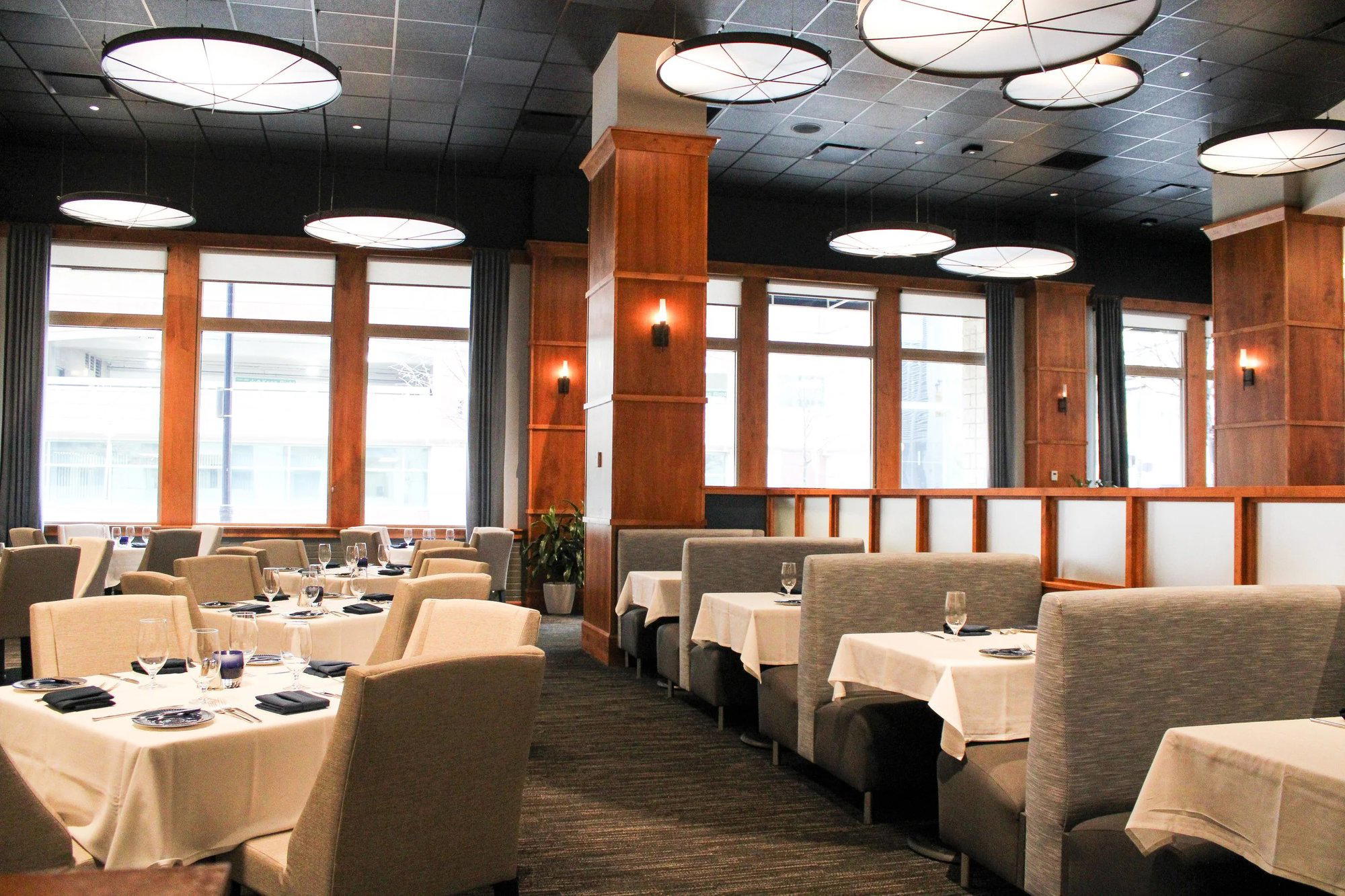
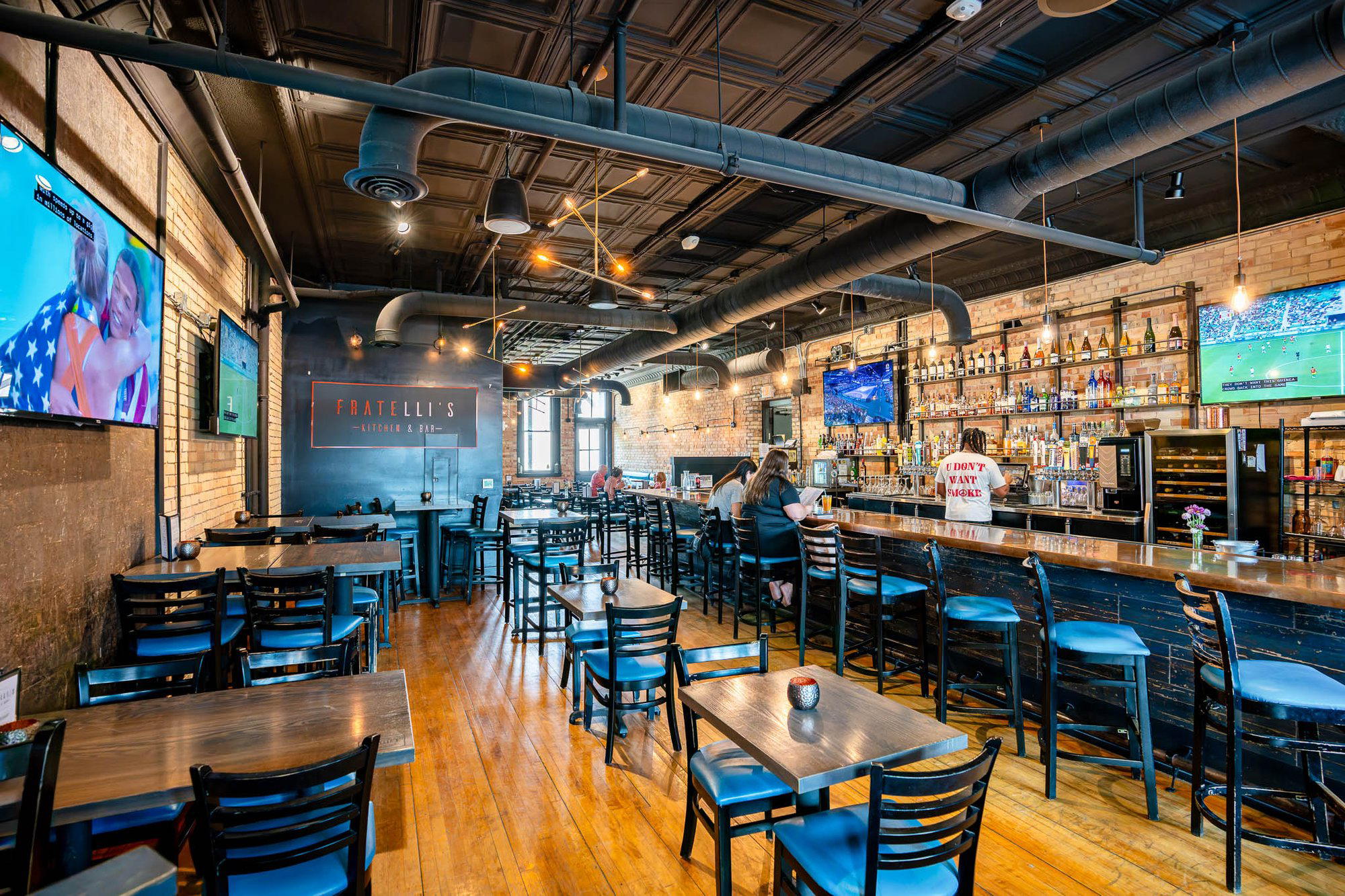
The osteria model in Italy was never about ceremony. It was about regularity: the same tables, the same wine poured without theater, a menu that shifted with season and supplier rather than with editorial ambition. American interpretations of that format have varied widely, from the stripped-back to the overwrought. What the format rewards, when it works, is a room that communicates its intentions before the first dish lands, the kind of space where the light, the noise level, and the pace of service tell you how to sit and how long to stay.
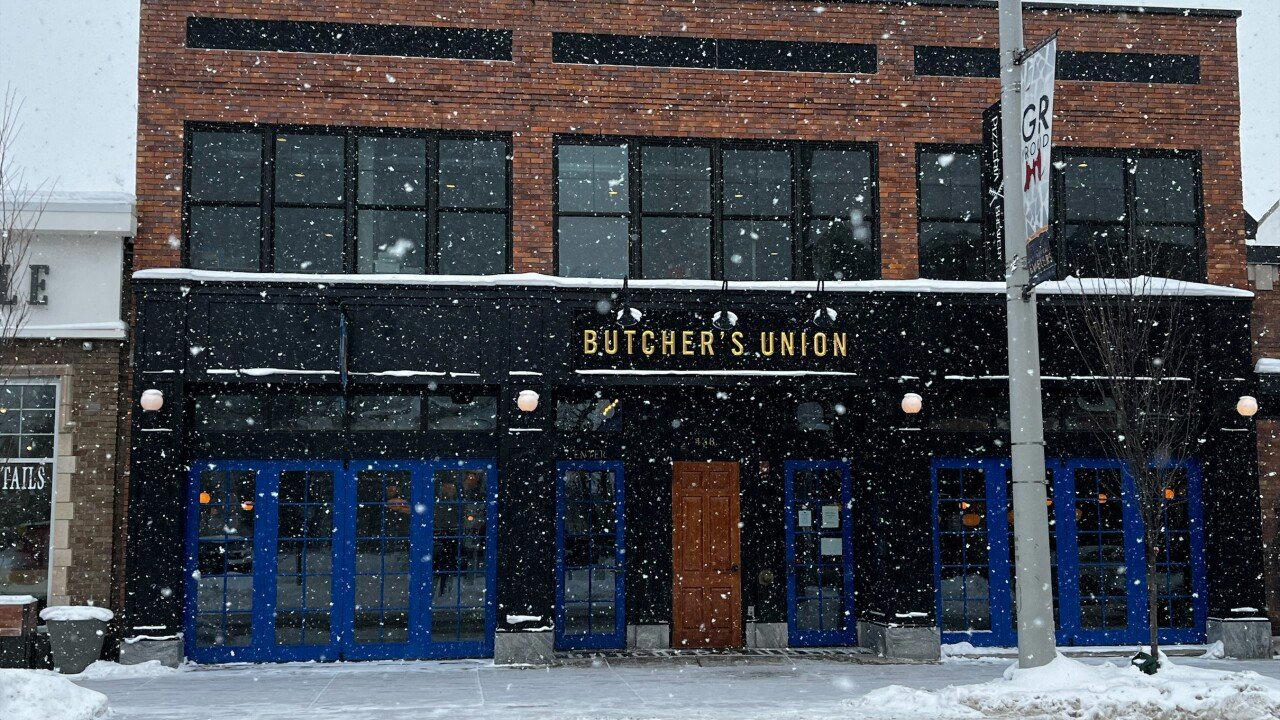
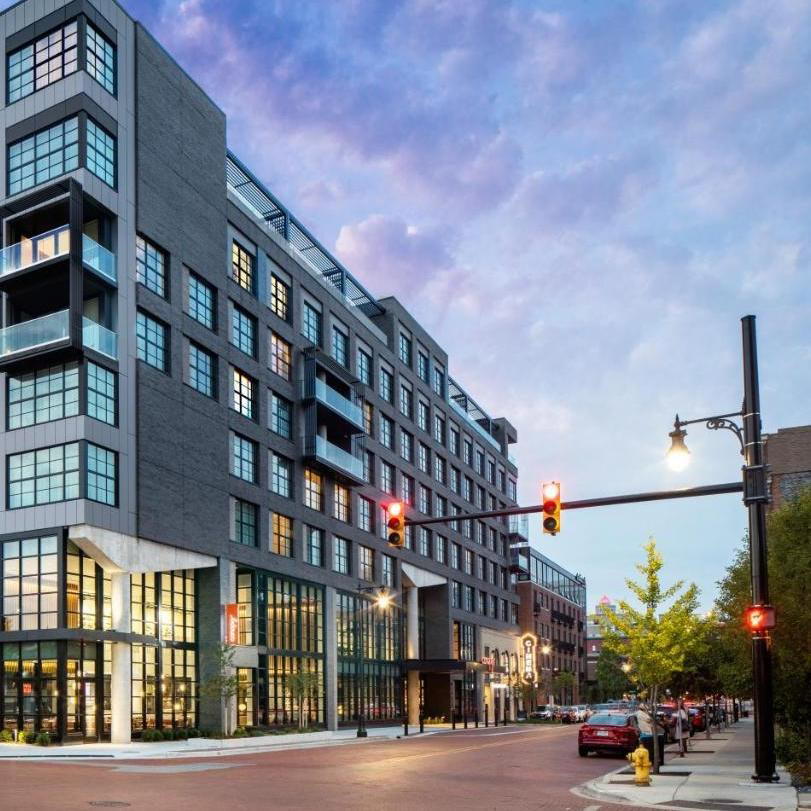
On Monroe Center, that environmental legibility matters because the block carries significant pedestrian traffic from the surrounding business district and the entertainment venues nearby. A restaurant that reads clearly from the street, and that delivers on the implied promise once you're inside, holds an advantage in a dining environment where first impressions drive a substantial share of walk-in decisions. Grand Rapids visitors comparing options along this stretch have several alternatives, Bobarino's among them, but the osteria format, with its lower threshold for formality, tends to convert browsers into diners more reliably than tasting-menu or fine-dining formats at a comparable price point.
Reinvention as a Constant: The Evolution of Italian Dining in Mid-Size American Cities
The Italian restaurant category in American cities the size of Grand Rapids has undergone three recognizable phases since the 1990s. The first was the dominance of the red-sauce institution, Americanized, portion-heavy, built on familiarity. The second was the farm-to-table inflection point, which pushed menus toward seasonal sourcing and lighter preparations regardless of cuisine type. The third, still underway, is a return to specificity: regional Italian cooking that draws distinctions between Emilian pasta traditions, Ligurian olive oil cultures, Neapolitan pizza orthodoxy, and Sicilian sweet-sour combinations, rather than treating Italy as a monolithic flavor set.
The restaurant's position in that arc matters when understanding what kind of restaurant it is trying to be. The name gestures toward the earlier, warmer registers of Italian-American dining without committing to nostalgia. In that sense it operates in the same conceptual space that venues like Emeril's in New Orleans navigated in their respective cities: recognizable enough to anchor a neighborhood, precise enough to hold the attention of a more demanding audience. The comparison is not one of scale or profile but of strategic positioning within a city's dining identity.
For context on how this positioning plays out at the national level, consider that venues such as Le Bernardin in New York City, The French Laundry in Napa, and Smyth in Chicago define upper reference points in American fine dining, but they occupy a separate category entirely. The productive comparison for the restaurant is within its own tier and city, where 1001 Lake Dr SE and 1345 Lake Dr SE represent other dining options competing for the same discretionary dining spend across Grand Rapids.
What the Format Demands of Its Kitchen
The osteria format is deceptively demanding. Without the theatrical scaffolding of tasting menus or the nostalgia buffer of a century-old institution, the food has to carry the room on its own terms. Pasta consistency, sauce depth, protein sourcing, and wine list coherence become the operative variables. Diners who frequent osteria-format restaurants in mid-size American cities are often more technically literate than their equivalents in tourist-heavy coastal markets, they've traveled, they've eaten in Italy, and they notice when the pasta is extruded rather than hand-rolled or when the olive oil is generic rather than regional.
That context is worth holding when reading any Grand Rapids Italian venue. The local dining audience has matured alongside the city's own transformation, and the venues that retain loyal local followings tend to be those that have raised their technical standards incrementally rather than coasting on an early reputation. Across the American restaurant category, venues like Providence in Los Angeles, Lazy Bear in San Francisco, and Blue Hill at Stone Barns in Tarrytown illustrate how format discipline and ingredient sourcing together define a venue's competitive durability. At the restaurant's tier, the same logic applies on a smaller scale.
Planning Your Visit
The restaurant is located at 16 Monroe Center St NE in downtown Grand Rapids, within walking distance of the city's main cultural and hotel district. Given the venue's position on a high-traffic block, weekday evenings tend to carry a business-dinner profile while weekends skew toward couples and small groups.
Awards and Standing
Comparable venues nearby, for context on price, style, and recognition.
| Venue | Cuisine | Price | Notes |
|---|---|---|---|
| Osteria RossaThis venue — the venue you are viewing | Italian Trattoria | $$ | Not listed |
| Graydon's Crossing | English Gastropub with Indian Influences | $$ | Creston |
| Cantina | Classic Mexican Grill | $$ | East Paris/28th Street |
| Donkey Taqueria | Authentic Mexican Taqueria | $$ | Wealthy Street |
| Z's Bar & Restaurant | American Bar & Pub | $$ | Downtown |
| Noto's Old World Italian Dining | Southern Italian Trattoria | $$$ | Cascade Township |
Continue exploring
More in Grand Rapids
Restaurants in Grand Rapids
Browse all →
Bars in Grand Rapids
Browse all →


At a Glance
- Cozy
- Rustic
- Intimate
- Date Night
- Special Occasion
- Open Kitchen
- Local Sourcing
Laid-back vibe with warm yellow lights and wood-fired pizza oven aroma.