




Michelin Plate · Star Wine List · Forbes Recommended
Our verdict
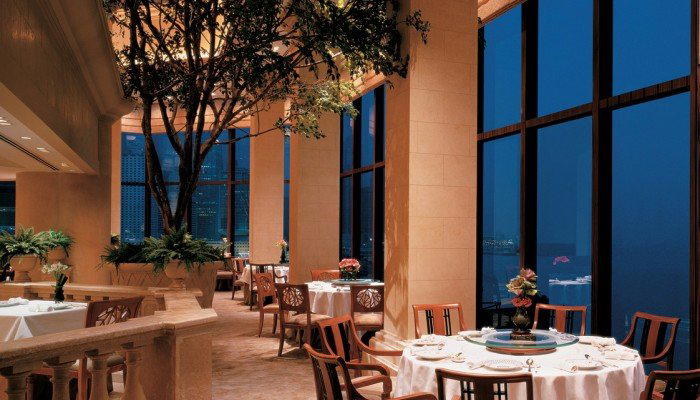
On the eighth floor of the Grand Hyatt Hong Kong, One Harbour Road has held its position among Wan Chai's most serious Cantonese tables for decades, earning a Michelin Plate and a rank of #330 on Opinionated About Dining's 2025 Asia list. The room faces Victoria Harbour, the cooking follows traditional technique with considered seasonal updates, and the lunch dim sum program runs seven days a week.

Pearl is the En Primeur Club membership app, where members save venues, book tables and use the concierge.
The menu
What to order
- BBQ pork
- Crispy suckling pig
- Steamed toothfish
- Peking duck
- Dim sum platter
Wan Chai From the Eighth Floor
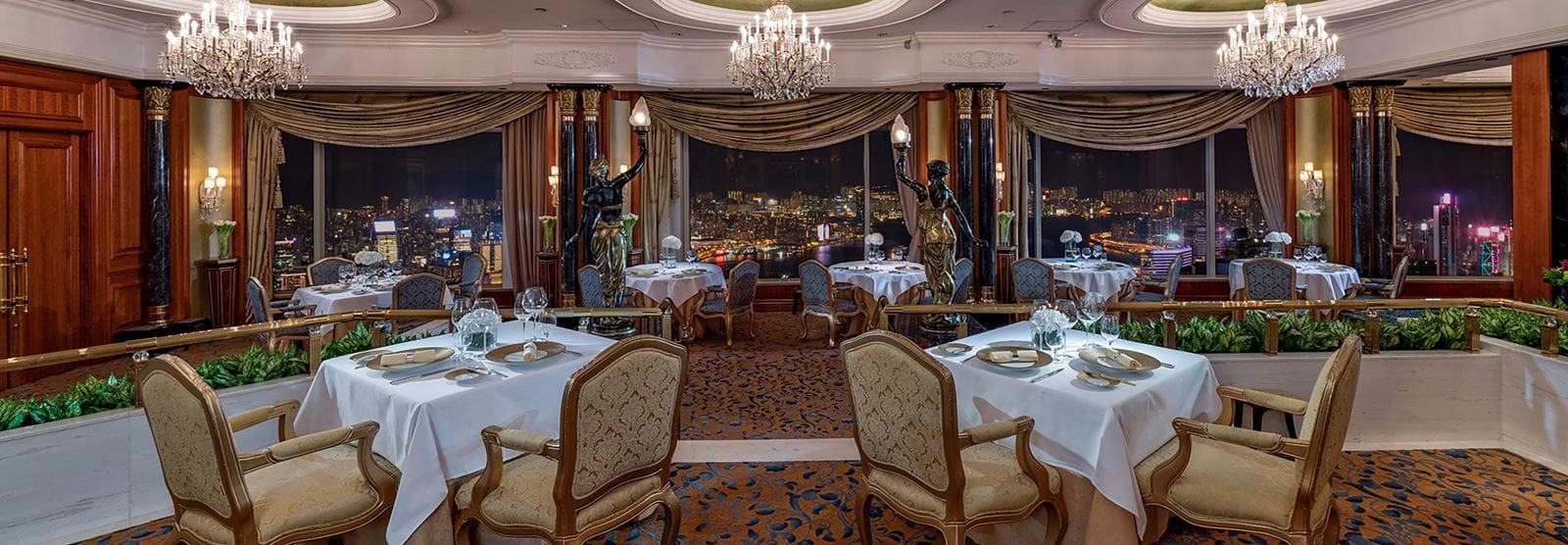
Approaching One Harbour Road means taking a lift to the eighth floor of the Grand Hyatt Hong Kong and stepping into a room that was designed to frame a view before it was designed to feed you. The windows face Victoria Harbour, and the skyline beyond them, Kowloon's towers on one side, the South China Sea opening on the other, functions as a constant backdrop to every course. The room itself reinforces this sense of deliberate occasion: handmade carpets, eclectic floral china imported from Italy for a considered mix-and-match effect, and a formality in the service posture that signals you are eating somewhere that takes its own history seriously. The dress code makes this explicit. Smart-casual is the floor, but dinner excludes shorts for men and open shoes, and the overall expectation aligns with the pre-handover era of Hong Kong hotel dining that the room is quietly referencing.
That reference is not nostalgic decoration. Wan Chai's restaurant corridor has shifted considerably over the past two decades, and the hotels along Harbour Road now compete with a generation of street-level Cantonese specialists that have their own critical attention and considerably lower price points. One Harbour Road has maintained its position in the upper bracket by doing something different from its harbour-view peers: it argues for the continued relevance of grand hotel Cantonese, and it does so with enough culinary consistency to earn a Michelin Plate in both 2024 and 2025 and a ranking of #330 on Opinionated About Dining's Leading Restaurants in Asia list for 2025, up from #321 in 2024. For context on where that places it within Hong Kong's broader Cantonese scene, see our full Hong Kong restaurants guide.
The Arc of the Meal: Dim Sum at Lunch, a Full Cantonese Progression at Dinner
The structure of eating here divides cleanly between its two services, and the distinction matters. Lunch is a dim sum program that runs daily, Monday through Friday until 2:30 pm, Saturday and Sunday until 3 pm, and it is conceived as a rotating menu rather than a fixed list. Certain signatures persist: char siu barbecue pork, har gow shrimp dumplings, and baked chicken and mushroom in puff pastry appear regularly. But the rotation means repeat visitors encounter new preparations, which is not the default approach at many hotel dim sum rooms where the menu calcifies around safe bestsellers. The kitchen here treats the daily lunch as live programming rather than a static offering.
Dinner is where the multi-course logic of traditional Cantonese service becomes most apparent. The à la carte menu is extensive, but the tasting menu provides the cleaner narrative arc: a sequence that moves through the kitchen's range and allows the wine pairing program to do its work course by course. The cooking follows Cantonese technical tradition, traditional seasonings and techniques are the foundation, but applies them with what the Michelin inspectors described as artful presentations and seasonal ingredients. Signature dinner dishes include stir-fried prawns in Sichuan sauce, crispy Loong Kong chicken, and a combination platter of roasted meats. Desserts close the progression conventionally: mango sago pudding, fried sesame balls, and coconut milk with red bean jelly. These are not reinventions; they are accurate executions of forms that Hong Kong diners measure against a lifetime of reference points.
The chef's table inside the kitchen offers an alternative to the main dining room. The format is a surprise tasting menu prepared directly for the table, with full visibility into the kitchen during service. This is an option worth considering for occasions where the meal itself is the event, though availability requires advance arrangement through the venue.
The Wine Pairing as Part of the Sequence
One of the more notable characteristics of the dinner service is how seriously the wine pairing program engages with the question of what actually works alongside Cantonese flavours. The sommelier attends each course individually rather than presenting a fixed pairing list, which allows for adjustment based on what is being eaten. The reference points cited by Michelin inspectors include dry Rieslings, full-bodied Burgundy, and sparkling wines from Grace Vineyards in Shanxi, the last of these being a signal that the program is not defaulting to European-only solutions when Chinese wine has reached a standard worth including. For a Cantonese restaurant at this price point, that kind of curation places the wine program closer to what you would find at Hong Kong's dedicated wine-focused dining rooms than at a typical hotel Chinese restaurant. The venue was also listed on Star Wine List in August 2024 with a White Star designation, which adds another reference point for those who approach Hong Kong's wine scene as seriously as its food.
Where One Harbour Road Sits in Hong Kong's Cantonese Tier
Hong Kong's Cantonese fine dining upper tier currently contains restaurants at different levels of critical recognition and different approaches to the cuisine. At the leading, Lung King Heen and Lai Ching Heen carry three and two Michelin stars respectively and operate with the booking pressure that comes with that recognition. T'ang Court at the Langham sits in a comparable hotel-dining position with three Michelin stars. One Harbour Road at Michelin Plate level occupies a tier below those, but in a segment where the harbour view, the grand room, and the quality of the overall experience make direct star-count comparison slightly reductive.
Among Hong Kong's other hotel dining rooms operating at the $$$ price range, One Harbour Road's Cantonese identity is a differentiator. Peers like Feuille at the same price tier pursue contemporary French frameworks, while the $$$$-tier rooms at properties like the Four Seasons skew toward European fine dining. One Harbour Road sits at the intersection of Cantonese tradition, hotel-calibre service, and harbour views in a way that has no direct equivalent at the same price point in Wan Chai. You can also compare the approach here against Cantonese fine dining in other major cities: T'ang Court in Hong Kong, Jade Dragon and Chef Tam's Seasons in Macau, Le Palais in Taipei, or Summer Pavilion in Singapore for a regional calibration. For those tracking the Cantonese scene in Shanghai, 102 House, Bao Li Xuan, Canton 8 (Huangpu), and Imperial Treasure Fine Chinese Cuisine represent the comparable tier on the mainland.
Wan Chai itself has other notable restaurants worth considering alongside a visit here. Forum and Rùn are both in the district and offer different positions within the local Cantonese and Chinese fine dining conversation.
Planning the Visit
One Harbour Road opens for lunch and dinner seven days a week. Reservations are not required but are recommended, particularly for dinner and weekend lunch when the room fills. The chef's table requires advance booking. The dress code runs smart-casual for lunch and moves stricter for dinner, no shorts for men, no open shoes.
| Venue | Cuisine | Price | Booking Lead Time | Lunch Available |
|---|---|---|---|---|
| One Harbour Road | Cantonese | $$$ | Recommended, not required | Daily dim sum |
| Lung King Heen | Cantonese (3 Michelin stars) | $$$$ | Weeks to months ahead | Yes |
| Lai Ching Heen | Cantonese (2 Michelin stars) | $$$$ | Weeks ahead | Yes |
| T'ang Court | Cantonese (3 Michelin stars) | $$$$ | Weeks ahead | Yes |
| Forum | Cantonese | $$$ | Recommended | Yes |
For hotels near Wan Chai, see our full Hong Kong hotels guide. For bars in the area, the Hong Kong bars guide covers the current cocktail and wine bar landscape. The Hong Kong experiences guide and wineries guide round out the city coverage for extended visits.
What to Eat at One Harbour Road
For lunch, the rotating dim sum program means the selection shifts, but a few signatures hold their place regularly: har gow shrimp dumplings, char siu barbecue pork, and the baked chicken and mushroom in puff pastry are reliable starting points. At dinner, the tasting menu provides the most considered progression through the kitchen's range. Among à la carte anchors, the crispy Loong Kong chicken and the combination roasted meat platter reflect the kitchen's Cantonese technique most directly. The wine pairing at dinner is worth taking: the sommelier works course by course and brings in both European references and Chinese producers, which gives the pairing more range than the standard hotel wine list approach. The chef's table inside the kitchen, available for special occasions, adds an interactive dimension to the tasting menu format that the main dining room cannot replicate. Desserts follow Cantonese convention closely, with mango sago pudding and fried sesame balls as the dependable closers.
Frequently asked questions
When is One Harbour Road open?
Hours at One Harbour Road: Hours: Monday 12–2:30 pm, 6 pm–12 am Tuesday 12–2:30 pm, 6 pm–12 am Wednesday 12–2:30 pm, 6 pm–12 am Thursday 12–2:30 pm, 6 pm–12 am Friday 12–2:30 pm, 6 pm–12 am Saturday 12–3 pm, 6 pm–12 am Sunday 12–3 pm, 6 pm–12 am.
Similar Picks
| Venue | Cuisine | Price | Awards | Notes |
|---|---|---|---|---|
| One Harbour RoadThis venue (the venue you are viewing) | Authentic Cantonese Fine Dining | Not listed | Michelin Plate · Star Wine List | Not listed |
| 8 1/2 Otto e Mezzo Bombana (Hong Kong) | 3 Michelin-Star Italian Fine Dining | $200–300 | 3 Michelin Stars · World's 50 Best #94 | Italian |
| Ta Vie | Modern French-Japanese Fine Dining | $300–500 | 3 Michelin Stars · World's 50 Best #68 | Japanese - French, Innovative |
| Caprice | Contemporary French Fine Dining | $200–300 | 3 Michelin Stars · World's 50 Best #35 | French, French Contemporary |
| Feuille | Modern Vegetable-Forward French | $200–300 | 1 Michelin Star · World's 50 Best #93 | French Contemporary |
| Neighborhood | Modern French with Asian Influences | $50–100 | 1 Michelin Star · World's 50 Best #24 | International, European Contemporary |
Recognition history
Dated appearances from independent guides and award organizations, with the underlying list record or original source where available.
Michelin Plate
Michelin
Star Wine List
Star Wine List
Forbes Recommended
Forbes
Opinionated About Dining Top Restaurants in Asia Recommended
Opinionated About Dining
SCMP 100 Top Tables Restaurants
SCMP 100 Top Tables
Full recognition history (11 entries)
Forbes Recommended
Forbes
Michelin Plate
Michelin
Opinionated About Dining Top Restaurants in Asia Ranked #330
Opinionated About Dining
Michelin Plate
Michelin
Opinionated About Dining Top Restaurants in Asia Ranked #321
Opinionated About Dining
Opinionated About Dining Top Restaurants in Asia Recommended
Opinionated About Dining
Continue exploring
More in Hong Kong
Restaurants in Hong Kong
All restaurants in Hong Kong →
Bars in Hong Kong
All bars in Hong Kong →
Hotels in Hong Kong
All hotels in Hong Kong →
Wineries in Hong Kong
All wineries in Hong Kong →
Details
- Elegant
- Sophisticated
- Classic
- Scenic
- Special Occasion
- Business Dinner
- Date Night
- Celebration
- Waterfront
- Hotel Restaurant
- Panoramic View
- Extensive Wine List
- Waterfront
- Skyline
- A La Carte
- Family Style
- Vegetarian Friendly
- Gluten Free Options
Current opening hours
- Monday
- 12–2:30 PM, 6 PM–12 AM
- Tuesday
- 12–2:30 PM, 6 PM–12 AM
- Wednesday
- 12–2:30 PM, 6 PM–12 AM
- Thursday
- 12–2:30 PM, 6 PM–12 AM
- Friday
- 12–2:30 PM, 6 PM–12 AM
- Saturday
- 12–3 PM, 6 PM–12 AM
- Sunday
- 12–3 PM, 6 PM–12 AM
Hours can change for holidays and private events. Hours as of .
Elegant high-ceilinged split-level room with nostalgic 1930s mansion decor, indoor fountain for serenity, and panoramic harbour views.