Milk & Honey
Under chef Walter Mayen, the kitchen works within a tradition that prizes locality and restraint over spectacle.
Pearl is the En Primeur Club membership app — saves, bookings, and concierge access live there. Same editors, same standards.
- Address
- 214 11th Ave S, Nashville, TN 37203
- Phone
- (615) 712-7466
- Website
- milkandhoneynashville.com
- Directions
- Get directions
 Saves & bookings on Pearl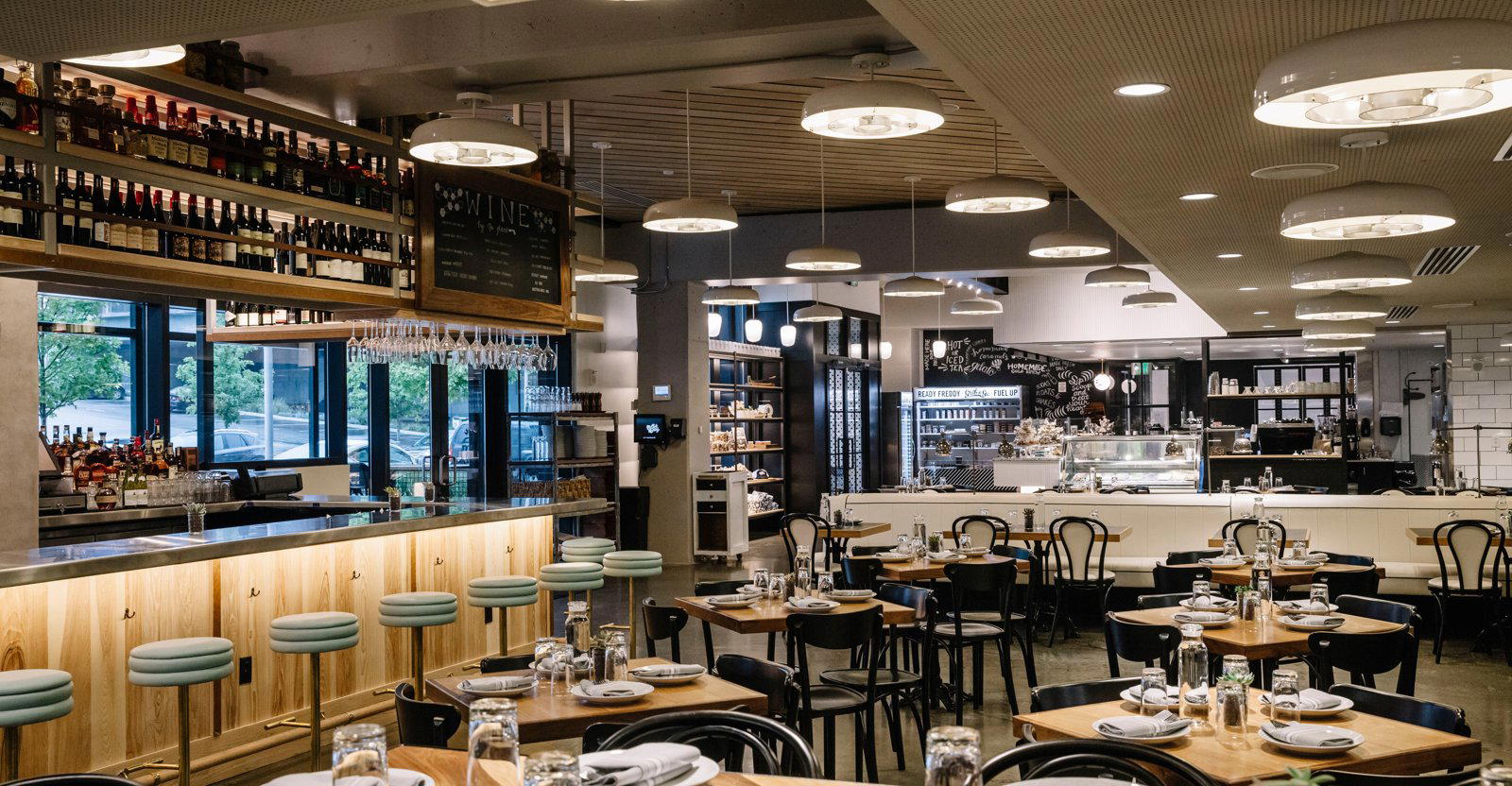
Southern Cooking and the Sourcing Question
Nashville's Southern food scene has always run on two parallel tracks: the legacy houses that predate the city's recent growth, and a newer generation of kitchens rethinking what the tradition owes to the land it draws from. Milk & Honey, at 214 11th Ave S in Nashville, belongs to the second cohort.
What distinguishes this tier of Southern restaurant from the broader category is a visible orientation toward sourcing discipline. The American South has a deep agricultural tradition, and the kitchens that take that seriously tend to shape menus around what growers and producers actually have, rather than building a fixed menu and sourcing backward. That approach has environmental consequences worth noting: shorter supply chains, less cold-chain reliance, and a closer alignment between seasonal output and kitchen output. Milk & Honey operates in this register, with chef Walter Mayen directing the kitchen.
The Physical Approach and What to Expect
The stretch of 11th Avenue South between Demonbreun and Division sits at the edge of Nashville's Arts District, a neighbourhood that has absorbed considerable development pressure over the past decade without entirely losing the low-rise, workshop-era character that made it interesting in the first place. Arriving on foot from the Gulch or from the parallel corridors of 12th South, you pass a mix of converted spaces and newer infill. Milk & Honey occupies a space that reads as deliberate rather than decorated, the kind of room where the design decisions point toward the food.
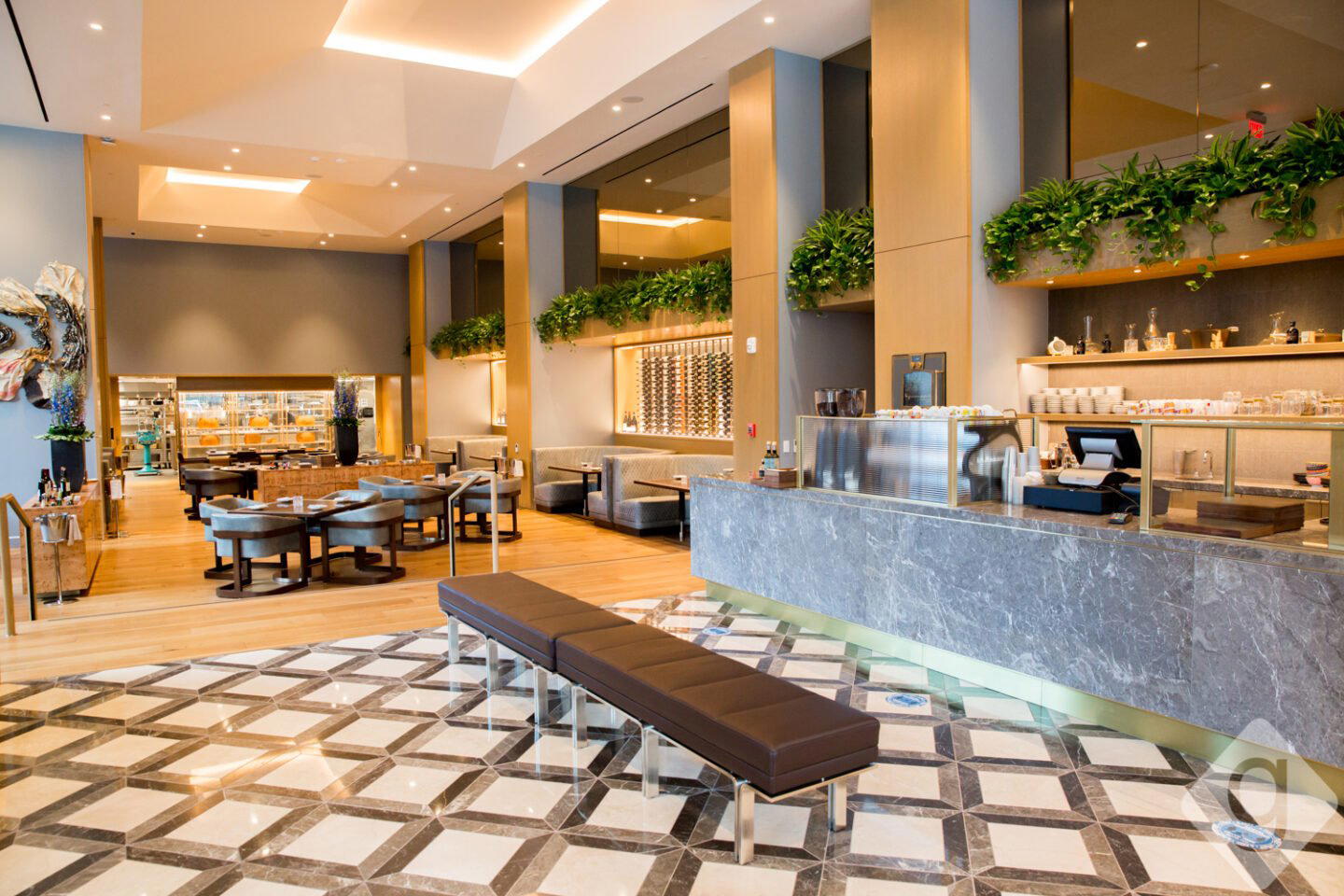
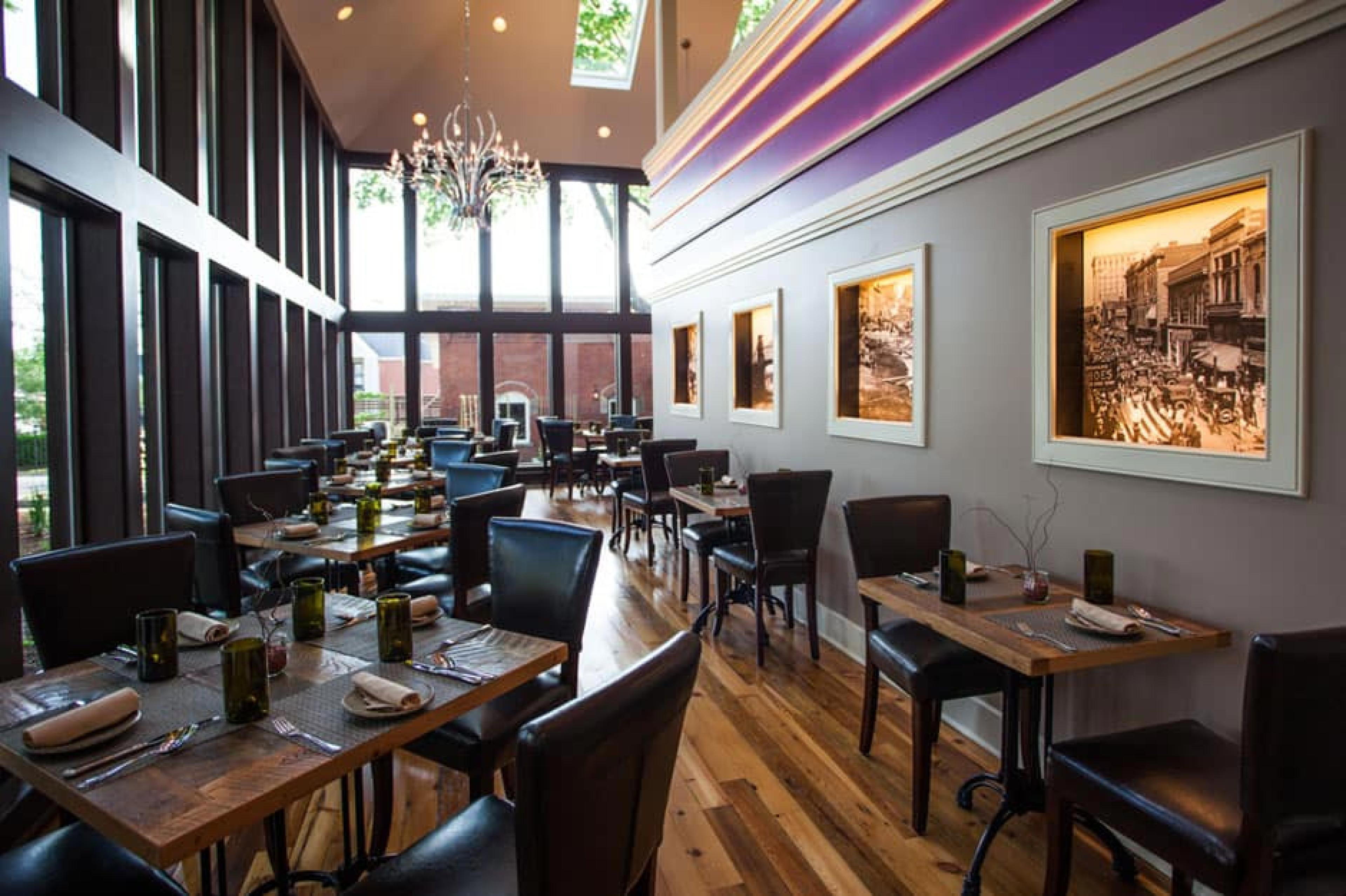
Inside, the atmosphere carries the warmth that American Southern dining does well: a setting where the food is the main event and the room supports it without competing. This is a different proposition from the theatrical Southern experiences that have proliferated in tourist-adjacent Nashville, and that distinction matters for how the restaurant fits into the city's broader dining map.
Situating the Kitchen in Nashville's Southern Tradition
Any account of Nashville's Southern food needs to reckon with the full range of the tradition. At one end sits The Loveless Cafe, a decades-old institution whose biscuits and country ham function as a kind of baseline reference for the region's cooking. At the other, you have the more technically ambitious formats: The Catbird Seat and Bastion ($$$$ · Contemporary) sit in Nashville's leading tasting-menu tier, where Southern ingredients enter a different frame of reference entirely.
Milk & Honey occupies the territory between those poles. It is not a legacy operation defined by a single dish or a decades-old recipe, nor is it attempting the kind of abstraction that a tasting-menu counter demands. Chef Mayen's kitchen works with the Southern pantry in a way that reads as honest rather than nostalgic, a meaningful distinction in a city where both directions have their devoted followings.
For national context, Southern cooking that takes sourcing seriously has found its most discussed practitioners in cities like Charleston, where Harken Cafe operates with a similar ethos, and in Los Angeles, where Honor Bar applies Southern-inflected American cooking to a different demographic context. Nashville's version of this conversation is younger but moving quickly.
Sustainability as Kitchen Logic, Not Marketing
The sustainability argument in restaurant dining is often reduced to a label: local, seasonal, farm-to-table. These words have been used so promiscuously that they have lost most of their descriptive value. What matters operationally is whether sourcing decisions actually shape what a kitchen cooks, or whether they are applied selectively to justify a premium.
In Southern cooking specifically, the case for ethical sourcing is not a new idea imported from coastal fine dining. It is a return to an older logic. Before refrigerated trucking homogenized American food supply, Southern kitchens operated on strict seasonality and hyper-local sourcing by necessity. The ingredients that define the tradition, field peas, sorghum, heritage pork, stone-ground grains, are all products of small-scale, often independent producers who benefit directly from restaurants that buy deliberately. A kitchen oriented this way is also, almost by definition, reducing its environmental footprint relative to a comparable operation drawing from national distributors.
This is the frame through which Milk & Honey makes most sense as a choice for a visitor thinking carefully about where their spending lands.
Planning Your Visit
Milk & Honey sits at 214 11th Ave S, Nashville, TN 37203, in a part of the city that is walkable from several hotel corridors and accessible by rideshare without difficulty. For visitors building a broader Nashville food itinerary, the EP Club's full Nashville restaurants guide maps the city across all price tiers and formats. Those exploring beyond food will find complementary resources in the Nashville hotels guide, the Nashville bars guide, and the Nashville experiences guide. The Nashville wineries guide covers the city's growing regional wine presence for those extending into Tennessee's wine country.
For those comparing American Southern across other major American cities, the EP Club profiles Emeril's in New Orleans as a point of comparison at the fine-dining end of Southern-influenced cooking, while the farm-integration model reaches its most documented expression in venues like Single Thread Farm in Healdsburg and Lazy Bear in San Francisco. The tasting-menu ceiling of American cooking as a whole is represented by Le Bernardin in New York City, Alinea in Chicago, and The French Laundry in Napa, a useful frame for understanding how far Nashville's current ambitions reach, and how much room remains.
Price Lens
Comparable venues nearby, for context on price, style, and recognition.
| Venue | Cuisine | Price | Notes |
|---|---|---|---|
| Milk & HoneyThis venue — the venue you are viewing | American Southern | $$ | Not listed |
| Modern Love | Not listed | $$ | Printer's Alley, Retro-Inspired American Gastropub |
| Fido | Midtown, American All-Day Cafe | $$ | Not listed |
| Midtown Cafe | Music Row, American with Southern Flair | $$ | Not listed |
| Dukos | East Germantown, Wood-Fired Pizza | $$ | Not listed |
| Martin's Bar-B-Que Joint | Downtown, West Tennessee Whole-Hog BBQ | $$ | Not listed |
Continue exploring
More in Nashville
Restaurants in Nashville
Browse all →
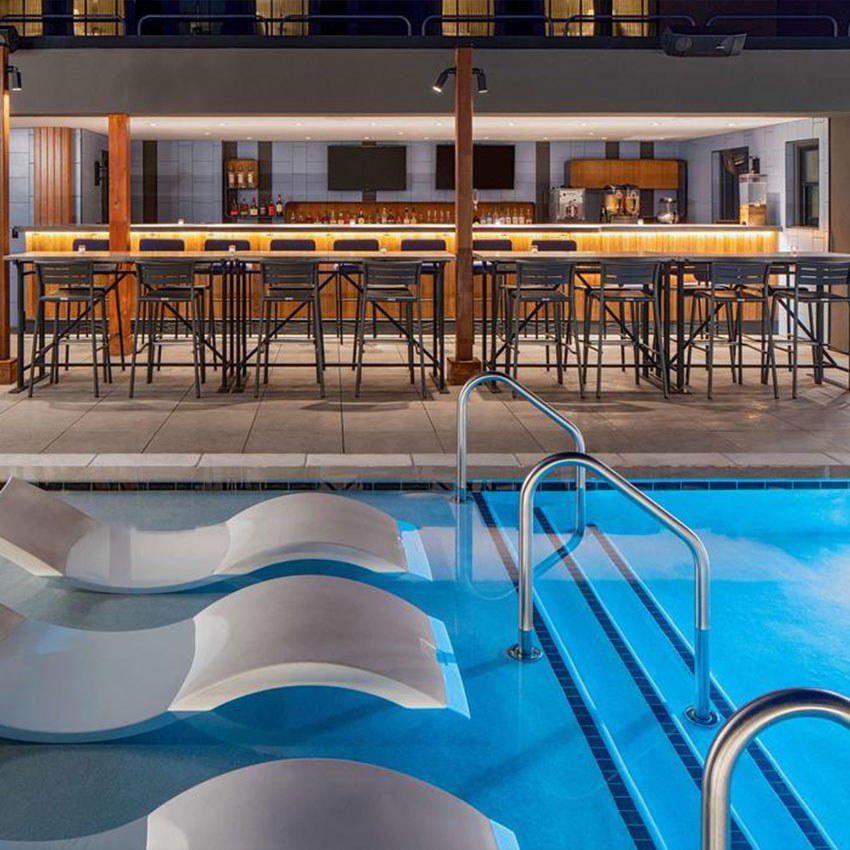
Bars in Nashville
Browse all →
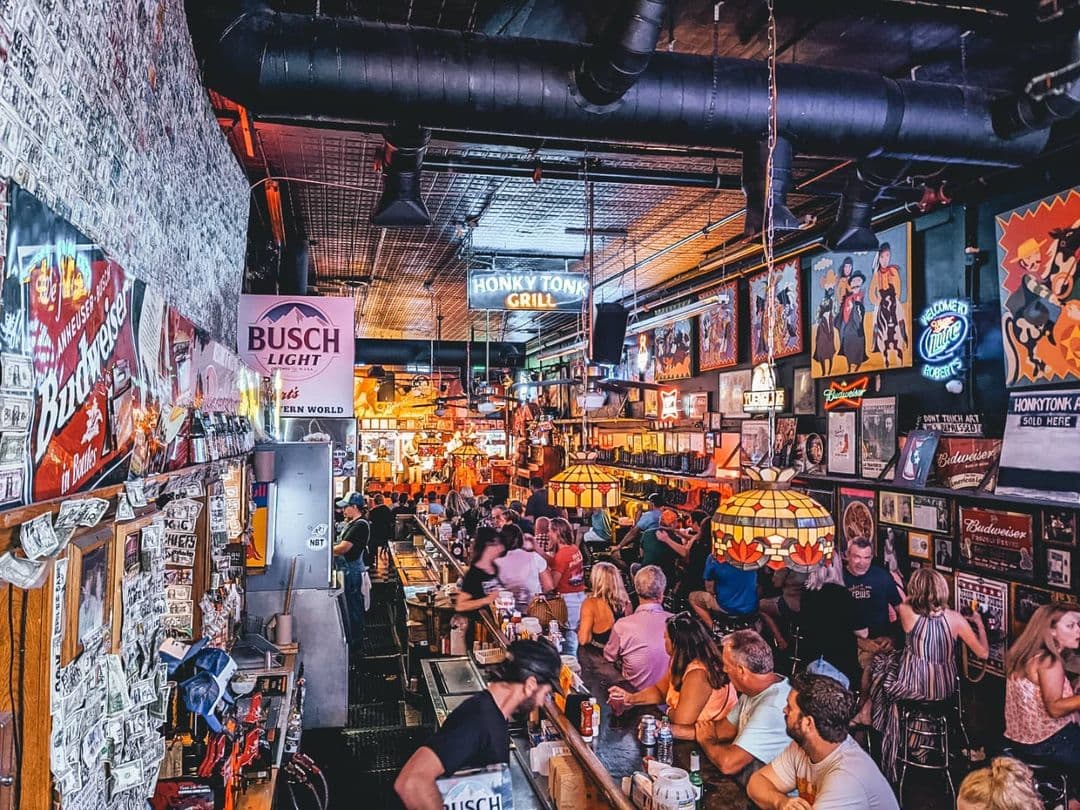
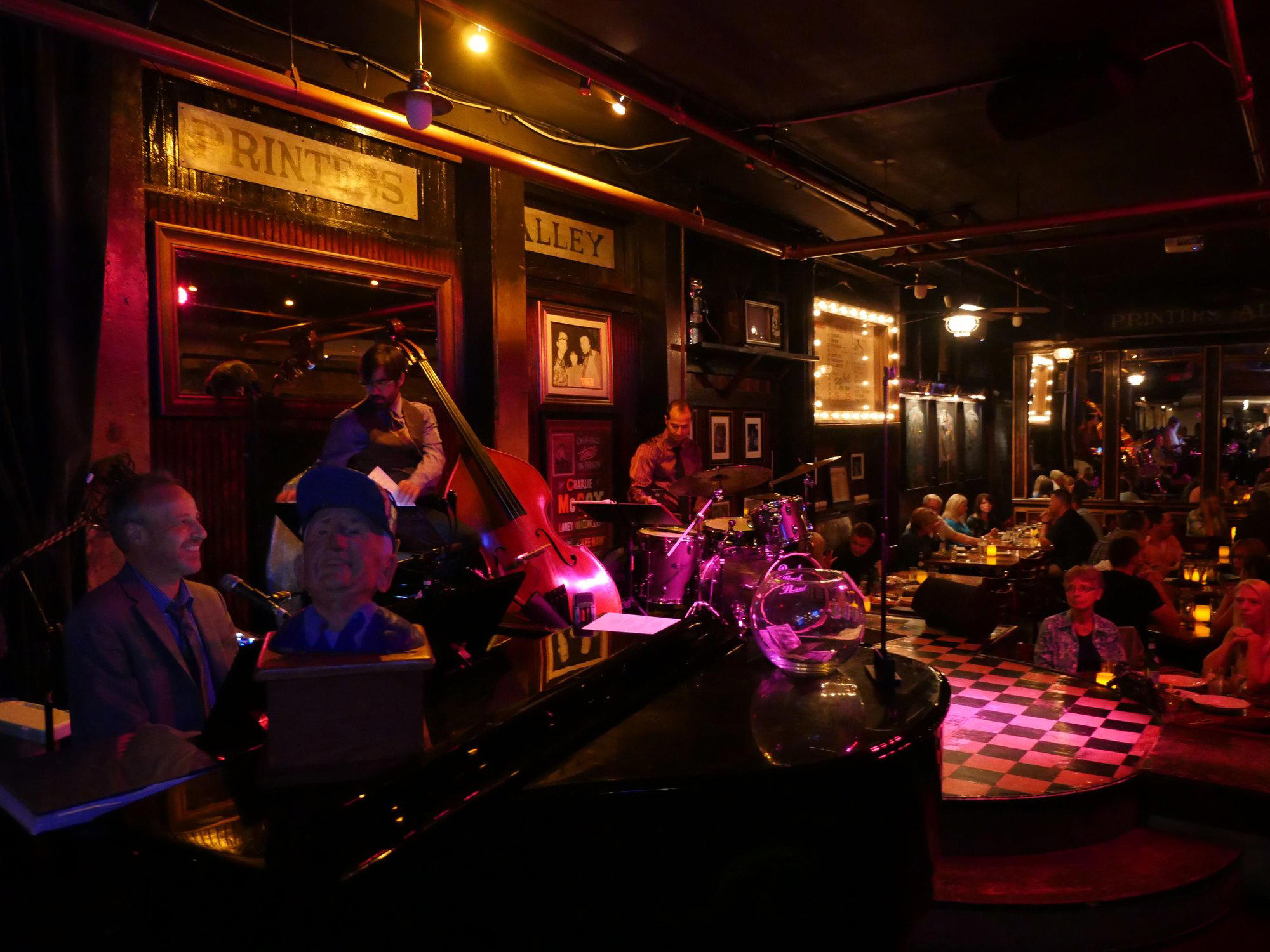
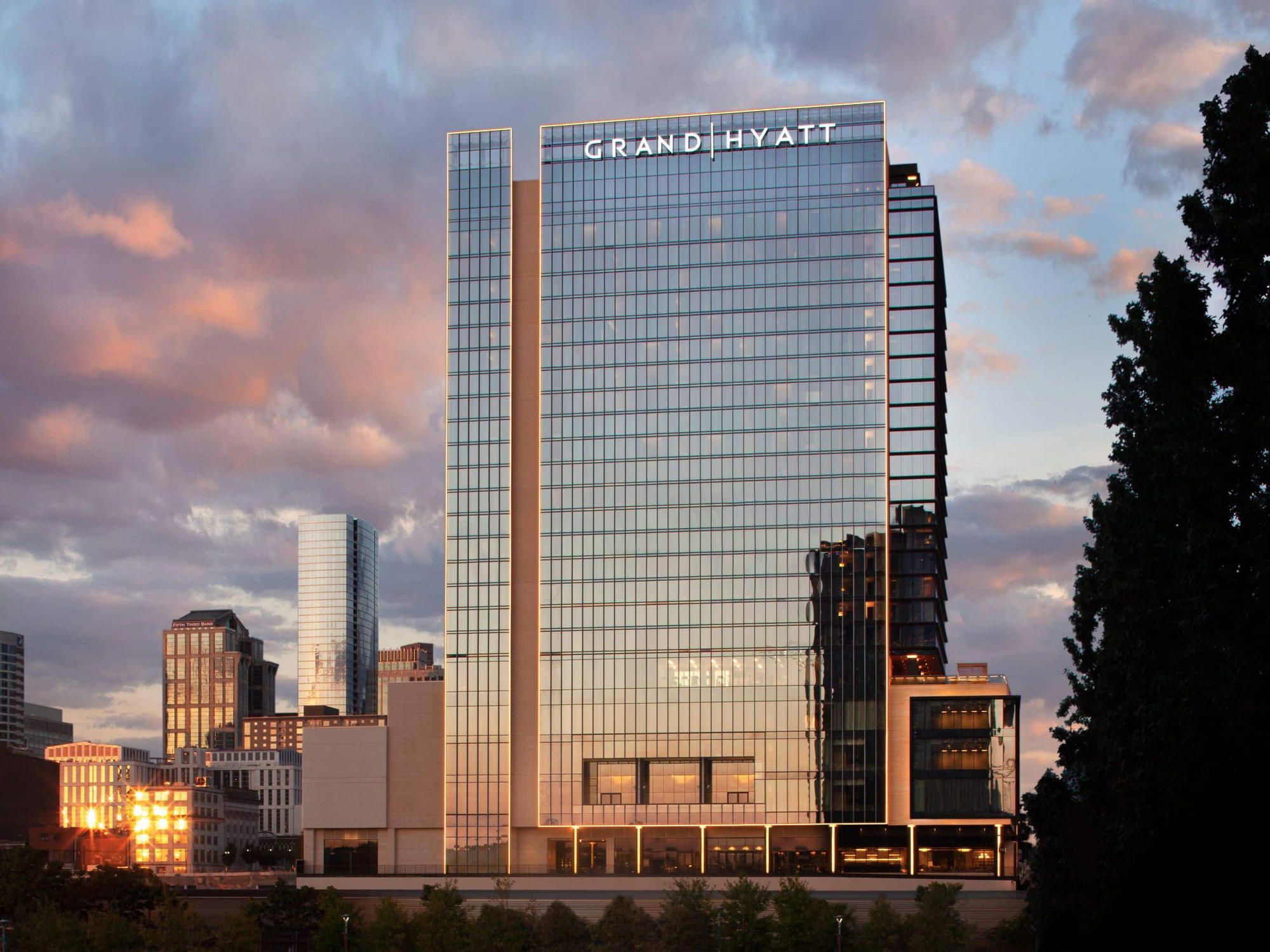
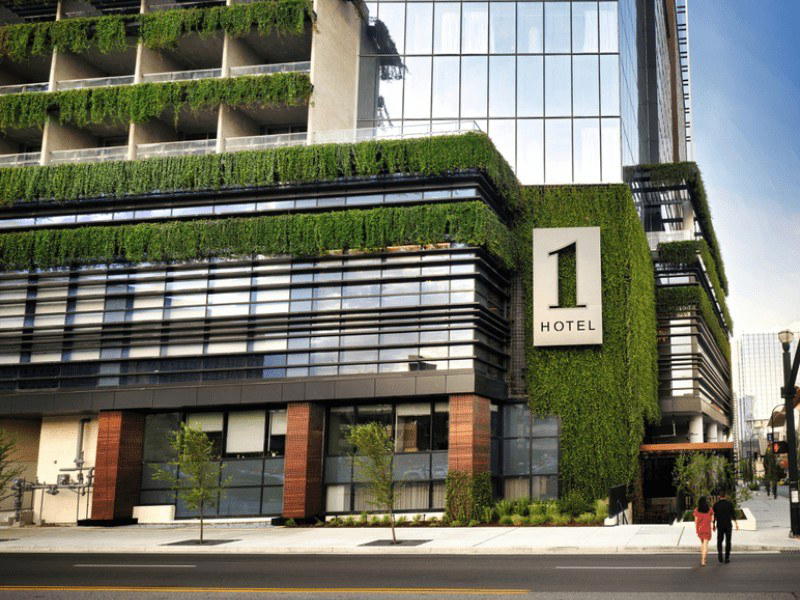
Hotels in Nashville
Browse all →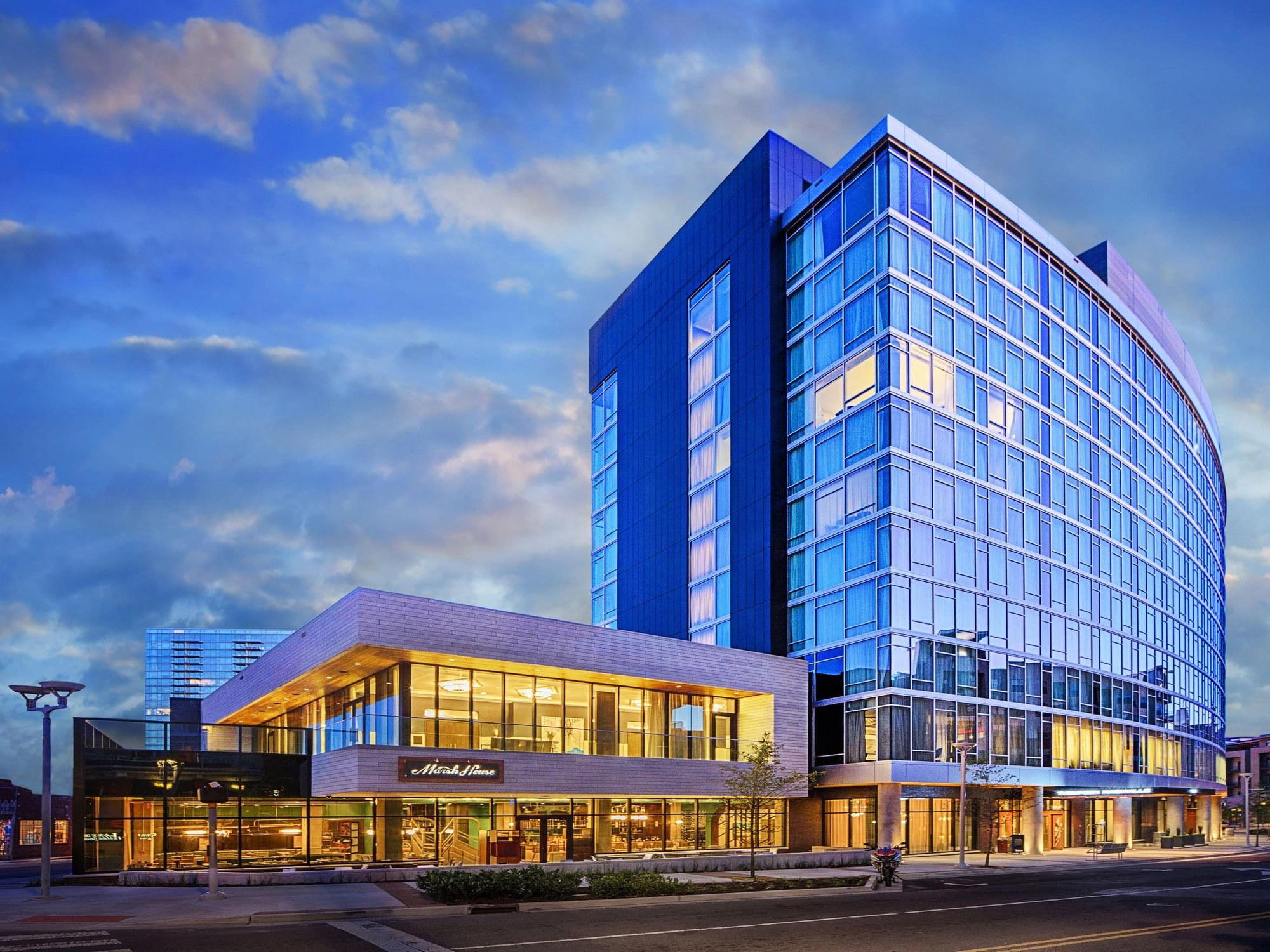
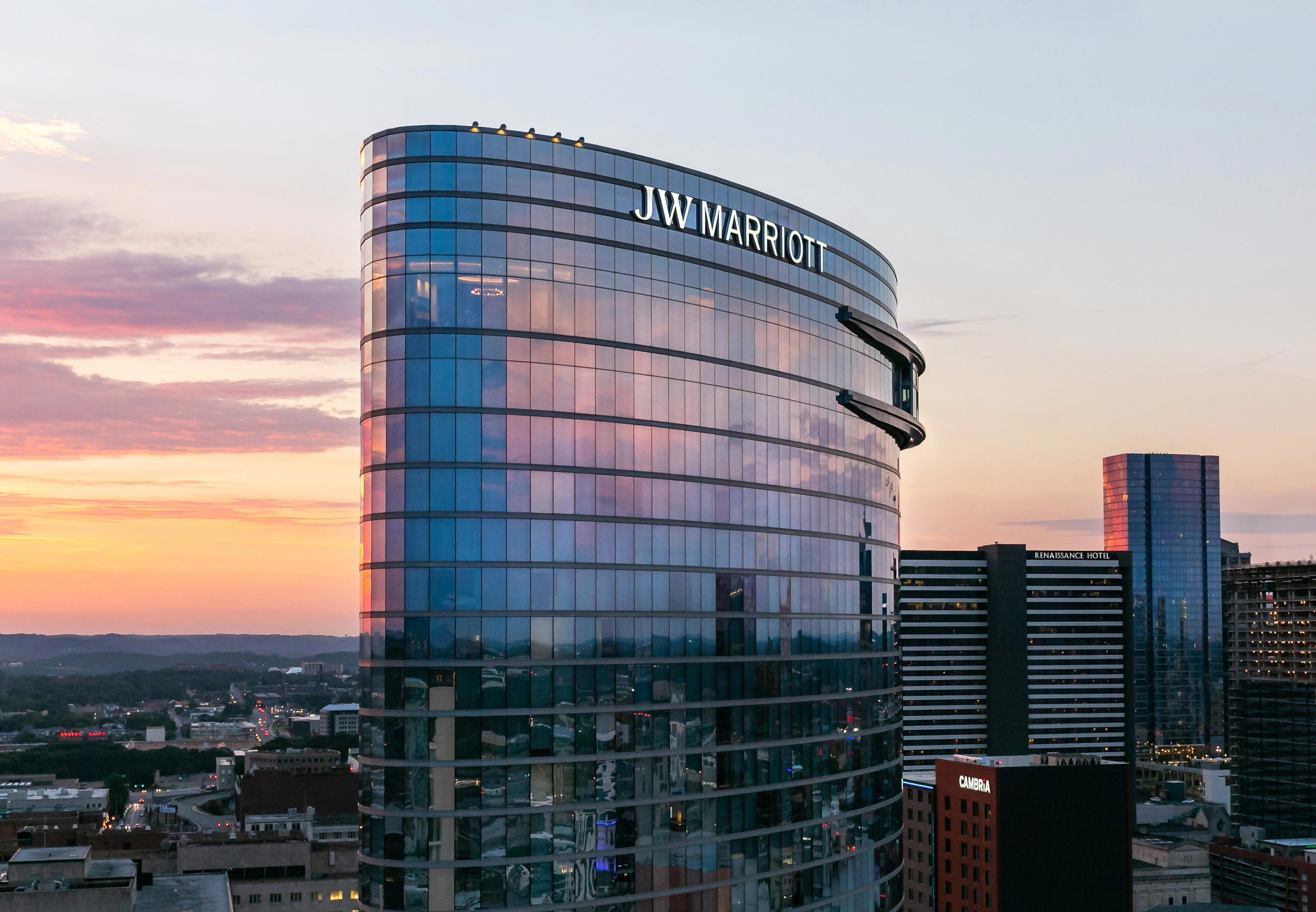
Wineries in Nashville
Browse all →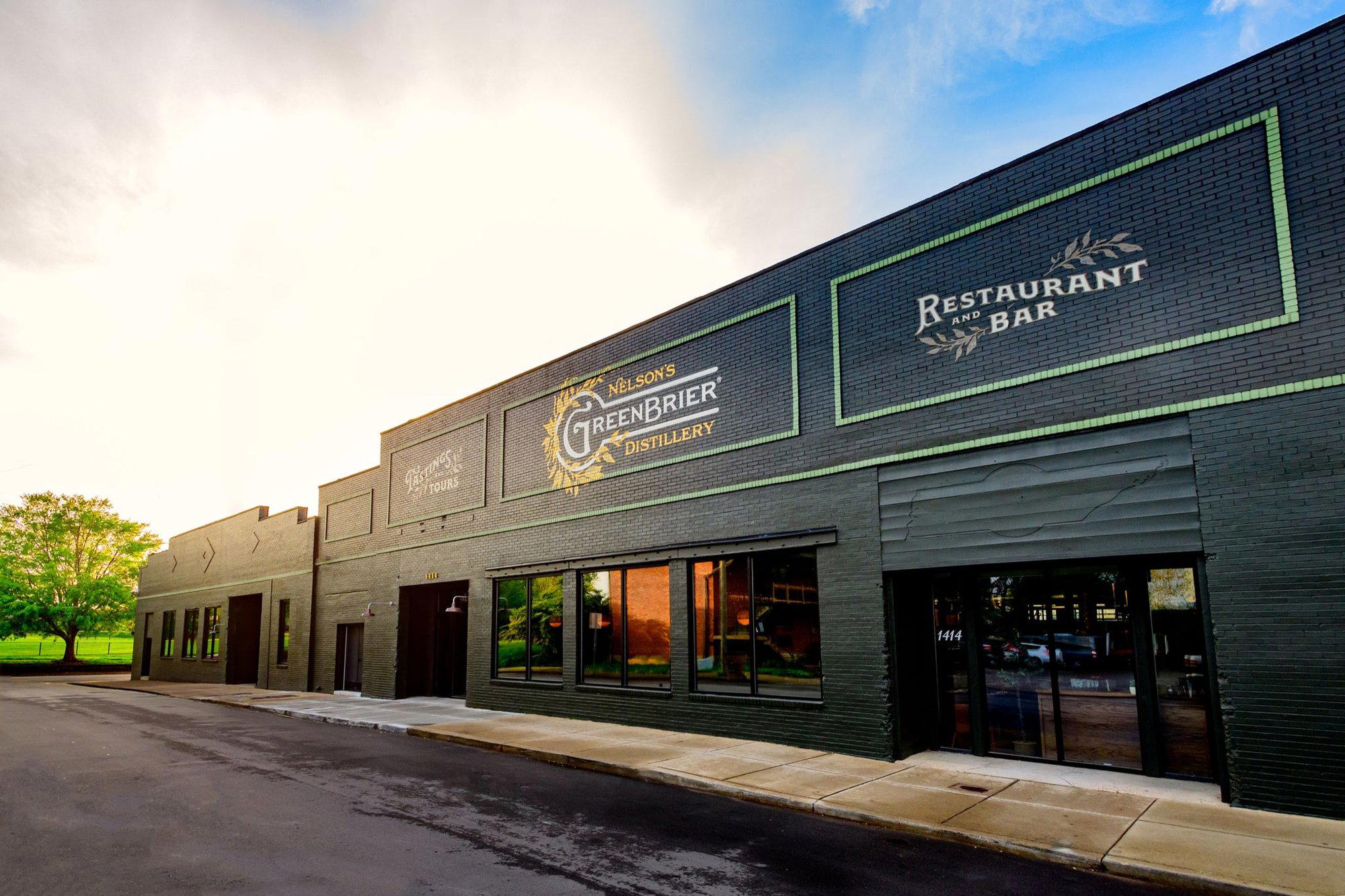
At a Glance
- Lively
- Trendy
- Cozy
- Brunch
- Casual Hangout
- Family
- Open Kitchen
- Craft Cocktails
- Local Sourcing
Current opening hours
- Monday
- 6 AM–3 PM
- Tuesday
- 6 AM–3 PM
- Wednesday
- 6 AM–3 PM
- Thursday
- 6 AM–3 PM
- Friday
- 6 AM–3 PM
- Saturday
- 6 AM–3 PM
- Sunday
- 6 AM–3 PM
Hours can change for holidays and private events. Last verified .
Casual and lively with an open, cafeteria-esque dining room and inviting warmth.