
Michelin Plate
Our verdict
This smartly dressed Poznań dining room doubles as a wine shop and offers a direct line to Italian tradition. The Polish owners run a farm in Tuscany, and that connection shows in ingredient-led dishes built around homemade pasta and produce flown in from their own land. Service is informed, and the wine list reflects the same sourcing rigor that defines the kitchen.

Pearl is the En Primeur Club membership app, where members save venues, book tables and use the concierge.
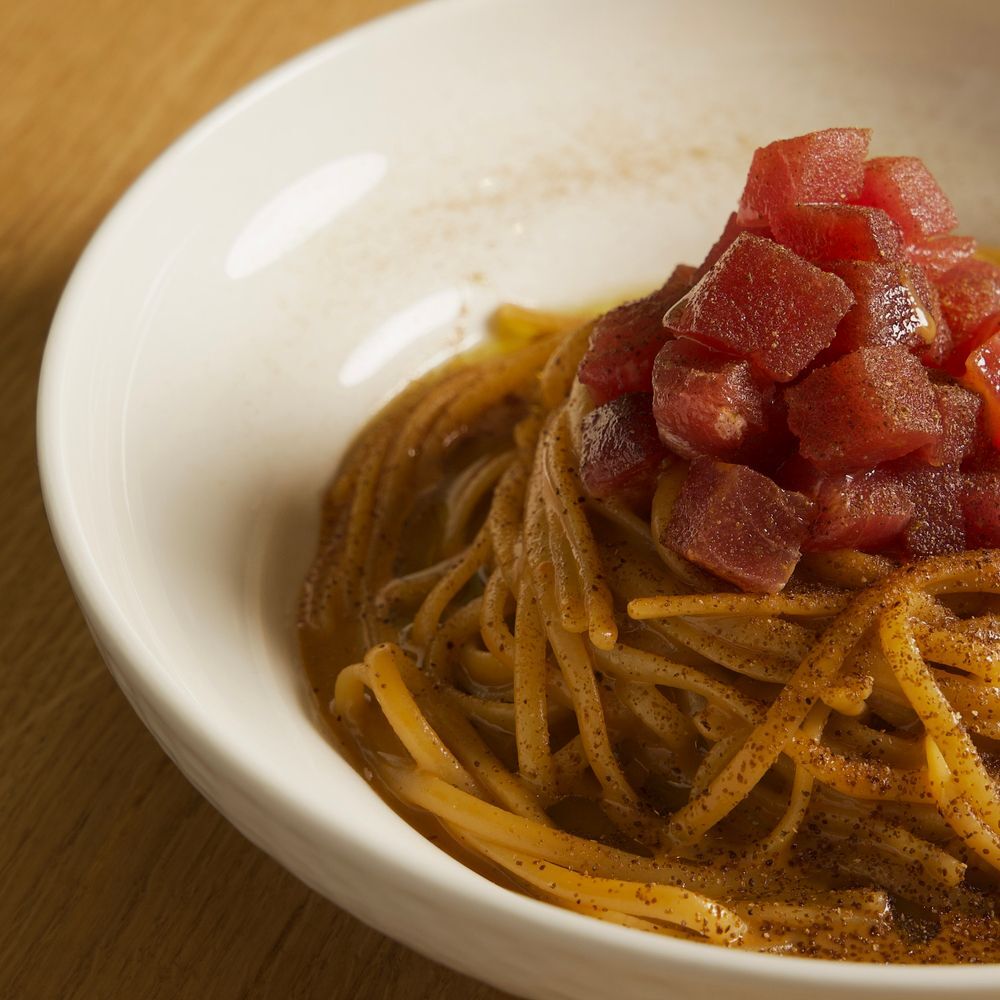
Walk into Maremma and the first clue is spatial: the dining room shares its footprint with a wine shop, bottles stacked floor-to-ceiling along one wall. The second is on the plate, homemade pasta, produce sourced from the owners' farm in Tuscany, and a kitchen approach that treats Italian cooking as craft rather than cliché. Poznań's restaurant scene has grown more specialized in recent years, with venues splitting between regional Polish tradition and imported formats that hinge on supply-chain discipline. Maremma sits in the latter camp, its menu dependent on a farm-to-table model that crosses borders twice a week.
Farm-Direct Sourcing and What It Means for the Menu
The Polish ownership group behind Maremma operates a working farm in Tuscany, and that dual footprint shapes the ingredient list. Vegetables, olive oil, and certain proteins arrive by courier from their own land, a logistical arrangement that narrows the menu but tightens quality control. The kitchen favors simplicity, dishes built around two or three components, minimal intervention, and techniques that let the raw material speak. Homemade pasta anchors the menu, with shapes and sauces that follow seasonal availability in Tuscany rather than Polish growing cycles. This creates an unusual dynamic: a restaurant in western Poland whose produce calendar mirrors central Italy, not the Greater Poland Voivodeship.
For diners used to imported Italian ingredients filtered through Polish distributors, the difference registers in texture and flavor intensity. Tomatoes, for example, taste closer to what you'd find in a Tuscan market than in a Poznań supermarket, and the kitchen relies on that baseline quality to avoid over-seasoning. The trade-off is flexibility, menu items shift with farm output, and certain dishes appear only when specific crops are ready. If you're booking a table weeks ahead, expect the current menu to be a draft.
Wine Shop Integration and What It Does for the List
The wine shop isn't incidental décor; it's the other half of the business model. The list runs deep in Italian bottles, with a strong Tuscan bias and a sommelier who treats the dining room as an extension of the retail floor. That setup offers two advantages: first, pricing tends to track closer to retail than standard restaurant markup, and second, the sommelier can pull from shop inventory for rare or limited-production bottles not listed on the menu. The service team is knowledgeable and willing to walk through regions, producers, and pairing logic without upselling.
Most tables lean into wine-forward dining, and the format rewards it. If you're ordering pasta and want to explore beyond Chianti, the sommelier can guide you toward lesser-known appellations, Bolgheri, Montecucco, or Carmignano, with the kind of context that suggests firsthand farm visits rather than distributor training. The shop also means you can take a bottle home if something clicks, a useful option in a city where Italian wine retail leans generic.
Room and Service Dynamics
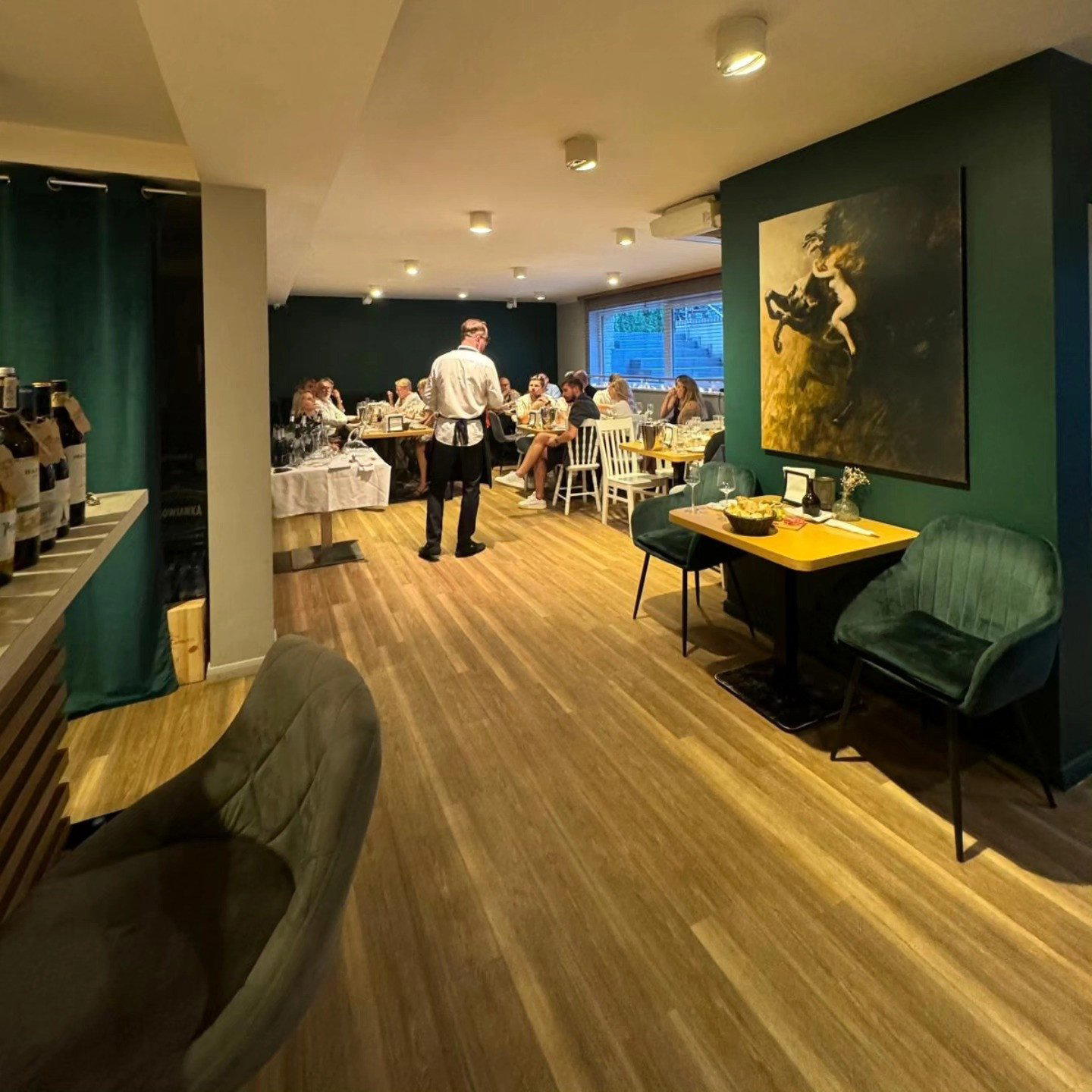
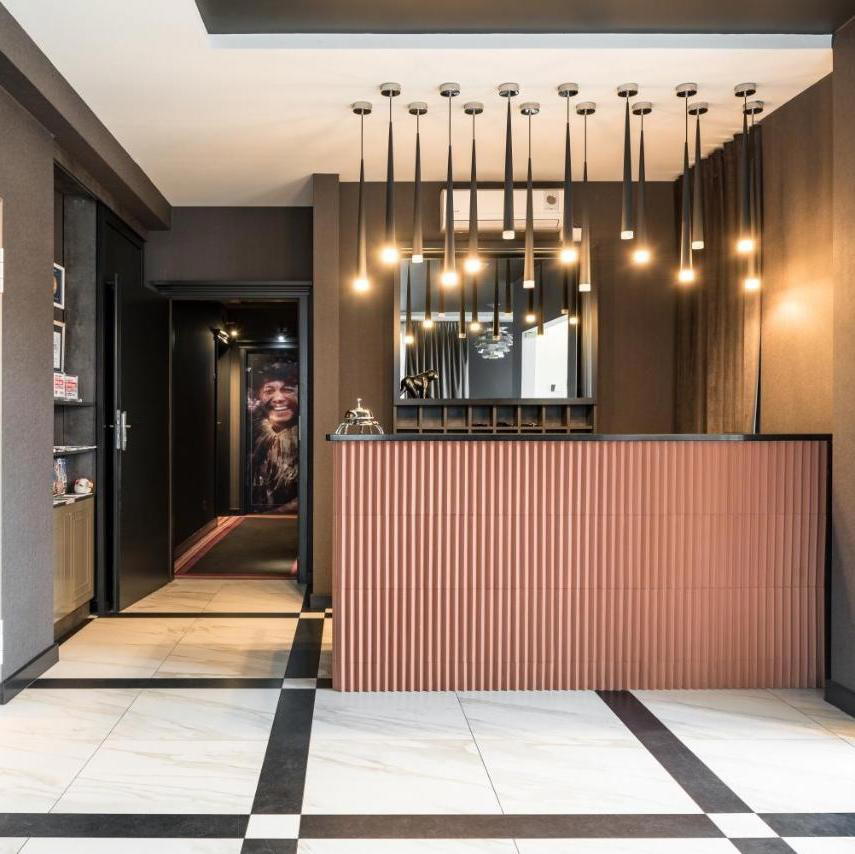
The space is compact and dressed in neutral tones, wood tables, minimal art, good lighting. It reads as thoughtful rather than showy, and the acoustics work better than most Poznań dining rooms of similar size. Service is attentive without hovering, and the sommelier's presence at the table feels natural rather than forced. The pace is unhurried, which suits the wine-pairing format but may frustrate diners looking for a quick in-and-out.
Seating is limited, and the room fills quickly on weekends. If you're planning a Friday or Saturday visit, book ahead. Weeknight availability is better, and the atmosphere shifts slightly, fewer groups, more solo diners and couples working through the list methodically.
How Maremma Fits Poznań's Italian Dining Tier
Poznań has several Italian restaurants, but most operate in the casual-trattoria or pizza-focused lanes. Maremma occupies a narrower niche: ingredient-driven, wine-serious, and reliant on a sourcing model that few competitors attempt. It sits closer in format to Cucina in Kraków than to neighborhood pasta spots, and the pricing reflects that positioning. This isn't a 30-złoty carbonara; it's a 70-złoty dish built around farm-direct eggs and guanciale flown in from Tuscany.
For context, other Poznań venues like arte and Concordia Taste Poznań operate in different price and format tiers, with broader menus and less supply-chain specificity. Maremma's closest peer is probably Fromażeria, which also leans Mediterranean and ingredient-forward, though the latter skews French-Italian hybrid rather than strictly Tuscan.
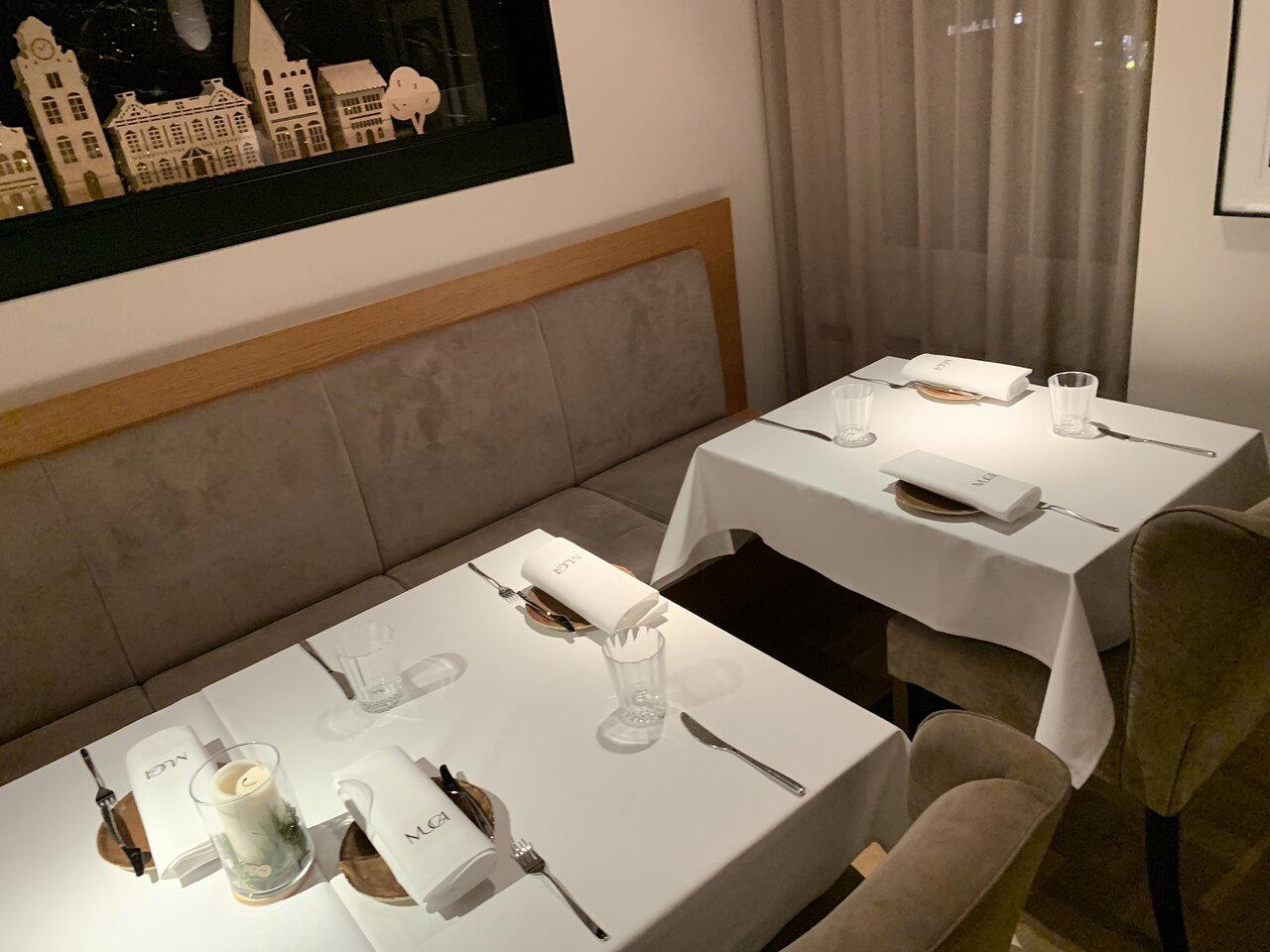
The venue doesn't chase recognition in the same way that Muga does, it's not angling for Michelin attention or top-50 rankings. Instead, it operates as a specialist format for diners who prioritize sourcing transparency and are willing to pay for it. If you're comparing it to other Italian spots in the Poznań dining scene, think of it as the farm-to-table bookend rather than the middle-market default.
The location on ul. Wujka sits outside the Old Town core, in a residential-commercial stretch that requires a taxi or tram ride from most hotels. It's not a walk-by discovery, which means the clientele skews intentional, people who've heard about the place or who prioritize wine and sourcing over central-location convenience. For visitors staying near Poznań's main hotel clusters, plan 10–15 minutes by car.
If you're building a Poznań food itinerary, Maremma works well paired with A nóż widelec or Delicja for regional Polish cooking, or with Poznań's emerging cocktail and wine bar scene if you want to extend the evening. The wine shop means you can stock up for later nights in, a practical detail if you're renting an apartment or staying somewhere with a kitchenette.
Frequently asked questions
Is Maremma a family-friendly restaurant?
The restaurant accommodates families, though the compact dining room and wine-shop integration create a quieter, more focused atmosphere than a typical trattoria. The homemade pasta and ingredient-led menu work well for children, but the overall tone leans toward couples and wine-focused diners rather than large family groups.
What's the vibe at Maremma?
Wood tables, neutral tones, and controlled acoustics give the dining room a calm, thoughtful feel rather than a high-energy one. The wine shop occupies part of the space, reinforcing the serious Italian list and sommelier presence. It reads as smart and ingredient-focused, without showiness.
Does Maremma have a Michelin star or similar recognition?
Maremma has received recognition including: Stepping into this smartly dressed restaurant is like being transported directly to Italy. The Polish owners also have a farm in Tuscany and their true understanding of Italian cuisine is clear to see across dishes that are simple, ingredie….
What part of town is Maremma in?
Maremma is located at ul. Wujka 9, Poznań, Wielkopolskie, 61-581, POL, Poznań.
Is Maremma reservation-only?
Maremma does not publish a walk-in policy in available materials. Given the compact room size at ul. Wujka 9 and the restaurant's focus on ingredient-driven service, advance booking is advisable, particularly for weekend evenings when the sommelier-led wine service attracts oenophile crowds.
A Quick Peer Check
Comparable venues by cuisine and price in the same metro.
| Venue | Cuisine | Price | Awards |
|---|---|---|---|
| MaremmaThis venue (the venue you are viewing) | Modern Italian with Tuscan influences and a serious wine focus | $50–100 | Michelin Plate |
| NOOKS | Modern Surf & Turf Seafood Grill | $30–50 | Michelin Plate |
| arte | Modern European Fine Dining | Not listed | Falstaff Restaurant - 94 Falstaff Points · The Best Chef One Knife |
| Figaro | Classic Italian | Not listed | Not listed |
| Muga | Modern European Fine Dining | $100–150 | 1 Michelin Star · La Liste Top Restaurants |
| Fromażeria | Modern Cheese Bar with Polish and French Influences | $30–50 | Michelin Bib Gourmand |
Recognition history
Dated appearances from independent guides and award organizations, with the underlying list record or original source where available.
Michelin Plate
Michelin
Continue exploring
More in Poznań
Restaurants in Poznań
All restaurants in Poznań →
Bars in Poznań
All bars in Poznań →
Maremma
The wine
- Wine program
- Deep wine list
- Extensive wine list
- Sommelier-led
- Natural wine
- Craft cocktails
Details
- Modern
- Elegant
- Cozy
- Lively
- Sophisticated
- Date Night
- Business Dinner
- Group Dining
- Celebration
- Special Occasion
- After Work
- Wine Cellar
- Design Destination
- Standalone
- Private Dining
- Extensive Wine List
- Natural Wine
- Craft Cocktails
- Sommelier Led
- Local Sourcing
- Organic
- Natural Wine
- Sustainable Seafood
- A La Carte
- Wine
- Natural Wine
- Cocktails
- Vegetarian Friendly
A modern, pared-back Italian setting with relaxed but polished service, warm lighting and an intimate, lively dining room that emphasizes the wines and ingredient‑led plates rather than flashy design.