Our verdict
On a quiet Toowoomba street, Loulaki arrives as part of a broader shift in regional Queensland dining, where provenance and place are increasingly the point. The restaurant sits at 14 Duggan Street in the city centre, drawing on the Darling Downs agricultural belt that surrounds it. For a city better known for its garden festivals than its food scene, Loulaki signals something changing.

Pearl is the En Primeur Club membership app — saves, bookings, and concierge access live there. Same editors, same standards.
The menu
What to order
- Lamb ribs
- Melitzanosalata
- Cheese saganaki
A Regional Dining Room with Something to Say
Toowoomba sits on the edge of the Darling Downs, one of Australia's most productive agricultural regions. Wheat, beef, stone fruit, dairy, and market vegetables move through this plateau in quantities that most Australian cities only receive as freight. What has changed in the past decade, in Toowoomba as in regional centres across Queensland and New South Wales, is that a growing number of restaurants have begun treating that proximity to primary production not as logistical convenience but as the actual subject of the food. Loulaki, at 14 Duggan Street in the city centre, belongs to that movement.
The address places it inside a walkable strip of Toowoomba City that has quietly accumulated a more considered dining culture than the city's horticultural festival reputation might suggest. For an overview of how the broader scene has developed, see our full Toowoomba restaurants guide. Nearby, Cork & Lever has anchored the area's more casual end, and the two venues together sketch the range that Toowoomba's dining centre now covers.
Where the Produce Comes From, and Why That Changes What You Eat
The Darling Downs argument for regional sourcing is not rhetorical. This is a region where the growing season, soil type, and scale of production allow a kitchen to work with ingredients at a different stage of their life than a Sydney or Melbourne restaurant typically can. Vegetables harvested within two hours of service, beef raised within the same catchment, and stone fruit from Stanthorpe, an hour to the south, at genuine peak ripeness rather than at commercial shelf-life tolerance. These are material differences that show up on the plate in texture and intensity.
Broader Australian conversation about provenance has been shaped by restaurants like Brae in Birregurra, which has operated its own farm as part of the kitchen's supply chain, and Attica in Melbourne, which has used native and foraged ingredients as a framework for repositioning what Australian cooking means. Those restaurants operate at a price point and profile that puts them in a different competitive tier. What is interesting about the emergence of similar thinking in Toowoomba is that it is happening at a regional scale, without the critical infrastructure of a major city food media, and largely driven by the practical reality of what is available nearby.
Rockpool in Sydney built part of its reputation on relationships with specific Australian producers, treating the supply chain as a credential. That approach has since filtered down through the industry. At the regional level, the same logic applies with less intermediary distance: the producers are not names on a menu header, they are often people who deliver in person.
The Room and How It Reads
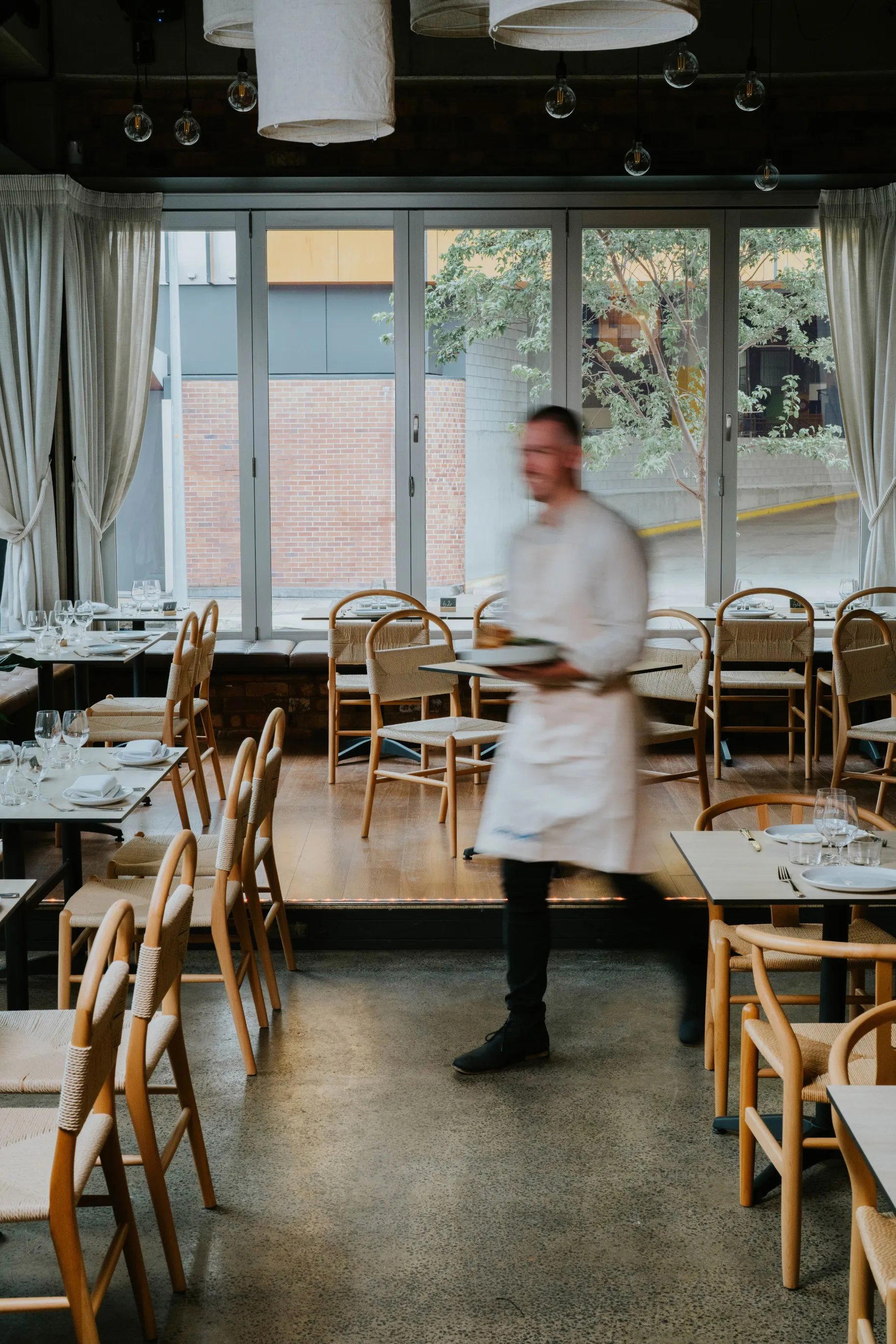
Duggan Street in the Toowoomba city centre is not a destination strip in the way that Brisbane's Fortitude Valley or Sydney's Surry Hills function. It is a working urban street where a restaurant has to earn attention without the ambient foot traffic that capital city venues rely on. That tends to self-select the clientele: people who are there because they have made a decision to be there, rather than because they were walking past. The dining rooms that work in this context tend to reward that intentionality with a quieter, more focused atmosphere than you find in high-density urban precincts.
Interiors in this tier of regional Queensland dining have generally moved away from the self-consciously rustic aesthetic that dominated Australian provincial restaurants through the 2000s and toward something cleaner, with the produce itself doing the visual and sensory work that decorative elements used to carry. The dining experience, in terms of pacing and engagement, reflects the shorter supply chain: there is less performance required when the ingredients are making the case themselves.
Where Loulaki Sits in the Broader Picture
Regional Australian dining operates in a different commercial reality from the metropolitan tier. Without the review infrastructure, tourist volume, or corporate dining spend that sustains Sydney and Melbourne's upper-middle restaurant bracket, venues in cities like Toowoomba, Ballarat, and Wollongong have to build loyalty from a smaller local base. Jaani Street Food in Ballarat and Kulcha Restaurant Wollongong represent versions of this challenge in their respective cities, finding audiences in places where the dining culture is still consolidating.
What distinguishes the more thoughtful operators in this tier is a willingness to work with what is structurally available rather than importing a metropolitan template. The ingredient-sourcing angle at Loulaki is not a marketing position adopted because provenance is fashionable in food media. It is a rational response to being three minutes from some of the leading growing land on the continent.
For comparison, consider the direction being explored at the metropolitan end of Australian modern cooking. Bar Carolina in South Yarra, Barry Cafe in Northcote, and Akasiro in Collingwood all operate in neighbourhoods with dense food cultures and competitive peer sets. Carlton Wine Rooms in Carlton has built an audience around wine-led dining in a way that requires a certain critical mass of engaged consumers. Toowoomba does not have that mass yet, but it has the agricultural foundation that those metropolitan venues spend significant effort and money trying to access.
Further afield, the sourcing-first argument extends internationally. Le Bernardin in New York City built a reputation around the quality and specificity of its fish sourcing, treating provenance as the primary discipline. Atomix in New York City positions its Korean cooking through the lens of specific ingredient relationships. In both cases, the supply chain is the editorial position. Regional Australian restaurants operating on the same logic are working in a different register but with an argument that has international precedent.
Planning Your Visit
Loulaki is at 14 Duggan Street, Toowoomba City QLD 4350, accessible from the city centre on foot. Toowoomba is roughly 130 kilometres west of Brisbane, a 90-minute drive via the Warrego Highway or a short regional flight. Given the limited public booking data available, direct contact via the venue's current channels is advisable for reservations, particularly for weekend evenings when regional dining rooms at this level tend to fill from local repeat business. Visiting during the Darling Downs growing peak, broadly spring through early autumn, aligns your visit with the widest range of locally sourced produce on the menu. Comparable regional venues at this price positioning typically run without formal dress codes, leaning toward smart casual, though confirming current format before arrival is sensible. For context on other Toowoomba options, including the more casual Cork & Lever, see our full Toowoomba guide.
For those arriving from further afield and comparing the regional Queensland dining proposition against other Australian cities, Bayly's Bistro in Kirribilli, bills in Bondi Beach, Hungry Wolfs Italian Restaurant in Newcastle, Johnny Bird in Crows Nest, and Lenzerheide Restaurant in Adelaide each represent how regional and suburban venues outside the CBD core are building credible dining identities on their own terms.
Frequently asked questions
Is Loulaki okay with children?
Loulaki is a sit-down dining room at 14 Duggan Street in the Toowoomba city centre, which suggests a considered atmosphere more suited to older children or adults. The room reads as a focused regional restaurant rather than a casual family venue. Contacting the restaurant directly before booking with young children is advisable.
How would you describe the vibe at Loulaki?
Duggan Street sits away from Toowoomba's main retail strip, which gives Loulaki a quieter, more deliberate character than venues on a high-traffic restaurant row. The dining room is oriented around the food rather than spectacle. Expect a setting where the produce sourced from the surrounding Darling Downs region does the talking.
Does Loulaki focus on local produce, and where does it come from?
Loulaki's position in Toowoomba places it directly adjacent to the Darling Downs, one of Australia's most productive agricultural zones. The region supplies beef, wheat, stone fruit, dairy, and market vegetables at a volume and variety that supports genuine farm-proximity sourcing. That geographical relationship is the clearest differentiator between Loulaki and comparable dining rooms in metropolitan Queensland.
What's the must-try dish at Loulaki?
Specific menu details are not published online, so the safest approach is to ask the floor staff about whatever is in season from the Darling Downs that week. The region produces wheat, beef, stone fruit, and dairy at a scale that gives the kitchen genuine options across seasons. Dishes built around that local supply chain are likely to reflect what the restaurant does most distinctively.
Comparison Snapshot
Comparable venues nearby, for context on price, style, and recognition.
| Venue | Cuisine | Price | Notes |
|---|---|---|---|
| LoulakiThis venue — the venue you are viewing | Modern Greek Mediterranean | Not listed | Not listed |
| Cork & Lever | Tapas & Wine Bar | Not listed | Toowoomba CBD |
| Black Hide Steak & Seafood by Gambaro | Modern steak & Queensland seafood fine dining | $50–100 | Queen's Wharf |
| Sara Dining | Farm-to-Table Fusion | Not listed | Berry |
| Centonove | Contemporary Italian | $100–150 | Kew |
| Noma | Australian Native Nordic Fusion | Not listed | Barangaroo |
Continue exploring
More in Toowoomba
Restaurants in Toowoomba
All restaurants in Toowoomba →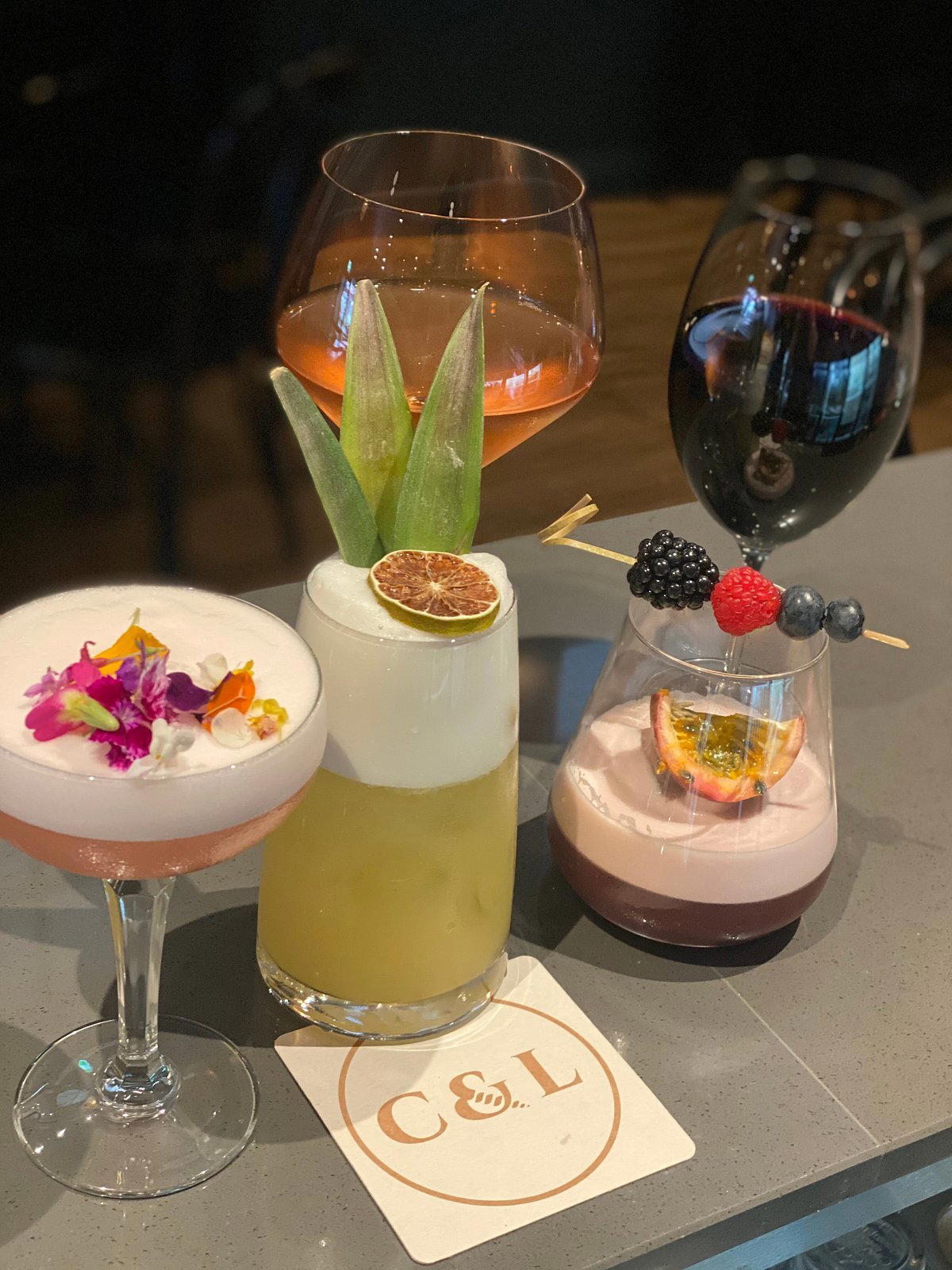
Details
- Cozy
- Rustic
- Modern
- Elegant
- Group Dining
- Date Night
- Casual Hangout
- Open Kitchen
- Terrace
- Local Sourcing
- Small Plates
Current opening hours
- Monday
- Closed
- Tuesday
- 6:30–11 AM, 12–2:30 PM, 5–9 PM
- Wednesday
- 6:30–11 AM, 12–2:30 PM, 5–9 PM
- Thursday
- 6:30–11 AM, 12–2:30 PM, 5–9 PM
- Friday
- 6:30–11 AM, 12–2:30 PM, 5–9 PM
- Saturday
- 6:30–11 AM, 12–9 PM
- Sunday
- Closed
Hours can change for holidays and private events. Last verified .
Cozy dining room with soft glow of festoon lights and shade beneath olive trees, blending modern and rustic charm.