Les Tables de Gaspard

Michelin Plate
Our verdict
Les Tables de Gaspard belongs to the small-village Alpine dining tradition where the room, the produce, and the pace matter more than spectacle. In Saint-Crépin, a 16th-century former stable gives the restaurant its frame, while the wider Queyras and Durance valley context points toward mountain ingredients, seasonal restraint, and a quieter register than resort dining.

Pearl is the En Primeur Club membership app, where members save venues, book tables and use the concierge.
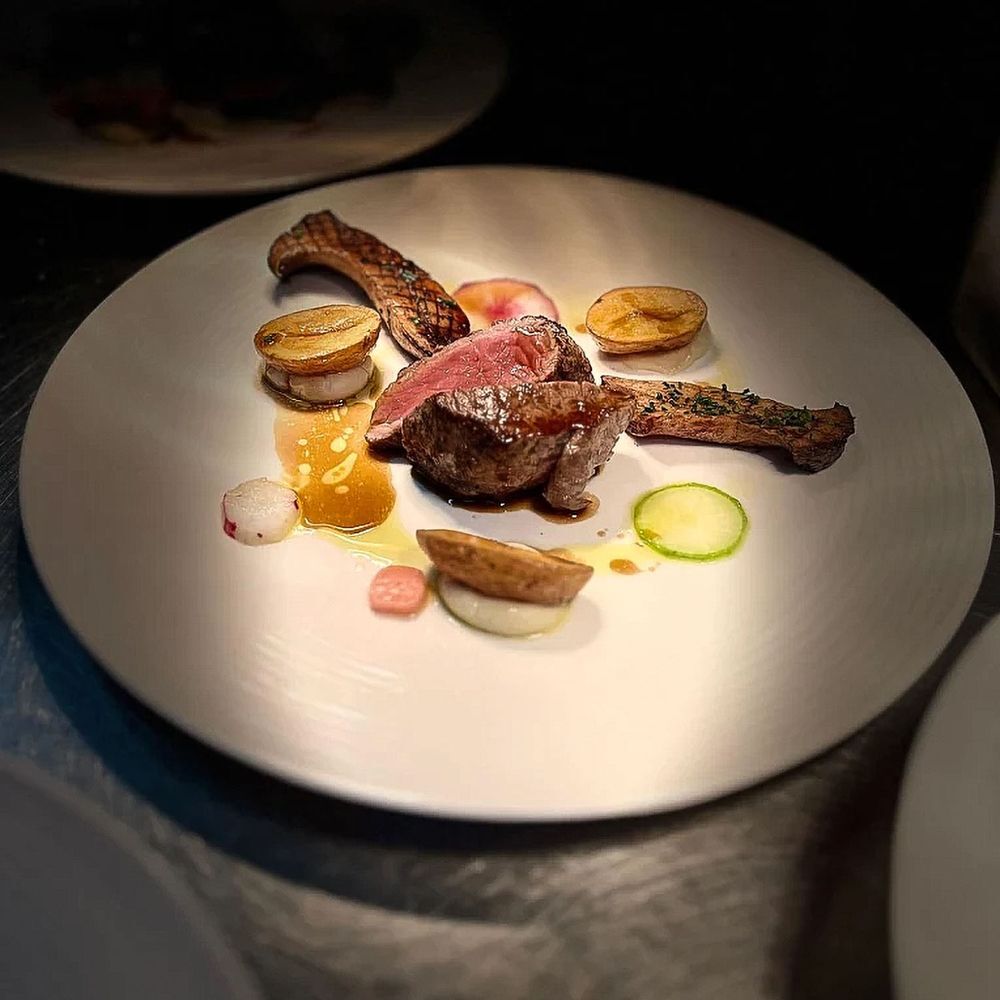
The menu
What to order
- Shrimp ravioli
- Fish of the day
- Lemon tart
- Empanada façon maison
Approaching dining in Saint Crepin means entering a different rhythm from busier travel circuits elsewhere in the region. Village scale and local pace set the tone before a menu is even considered. Les Tables de Gaspard belongs to that quieter register, where the surrounding place matters as much as any formal restaurant language. The setting already carries weight: small-scale movement, rural calm, and a dining culture that makes more sense when read through Saint Crepin rather than through big-city expectations.
The useful way to read this table is not as a grand destination restaurant transplanted into a village, but as part of a smaller category where context is the argument. In Saint Crepin, a meal does not need to behave like it would in a resort hub or a major city. The experience is shaped by a slower local rhythm, by the scale of the place, and by the expectation that dinner should feel connected to where it is served. When this style works, the restaurant has less to prove. It gives attention to atmosphere, timing, and the kind of meal that feels grounded rather than staged.
Mountain sourcing gives the table its logic
Ingredient-led dining in this part of France is often misunderstood by travellers who arrive expecting either rustic inn cooking or a formal gastronomic script. The stronger village tables sit between those poles. They use local context not as decoration, but as a constraint that sharpens the restaurant’s choices. Saint Crepin is the essential point of reference here, and that distinction is the key to understanding the appeal.
The village context also changes the economics of attention. In a large city, a restaurant can signal ambition through a tasting-menu format, chef biography, or design budget. In a mountain village, credibility comes from coherence: whether the room, the welcome, and the meal belong to the same place. Les Tables de Gaspard is best read through that lens. It places the experience in a Saint Crepin context rather than a polished resort shell, and that makes the sense of place feel less like branding and more like common sense.
Among nearby country and village options, the comparison is not only about cuisine labels. Names such as Le Pêché Gourmand, Le Campagnol, L’Alcôve, La table de l’Establou, and Les Gardettes suggest the broader out-of-metro field in which restaurants compete for locals, second-home owners, hikers, and travellers passing through. Les Tables de Gaspard fits the more place-bound end of that field: a table whose appeal depends on whether the visitor wants Saint Crepin in the meal, not just a meal while in Saint Crepin.
A village room rather than a resort performance
The room’s strongest signal is restraint. In a place like Saint Crepin, the value is in letting scale and setting do part of the work. That matters where hospitality can split between comfort, practicality, and seasonal polish. Saint Crepin offers a calmer register. The pleasure is not in theatrical arrival, but in the sense that dinner has remained attached to the village around it.
This is also where the local angle becomes practical for the diner. Village dining rewards patience with timing and expectation. Different seasons can change the mood of a meal, and the surrounding pace shapes the evening as much as the table itself. Without relying on named dishes or fixed formats, the sensible expectation is a restaurant shaped by its Saint Crepin setting rather than by a permanent luxury checklist. That makes it more compelling for travellers who care about regional logic than for those chasing a predictable signature plate.
The absence of a public chef narrative is not a weakness here. In many rural French dining rooms, the chef-as-personality model tells only part of the story. The more interesting question is whether the restaurant can translate its geography without turning it into folklore. Les Tables de Gaspard is strongest when judged through that frame: a village setting, a Saint Crepin context, and a dining culture where place carries more weight than spectacle.
How to place it in a Saint Crepin itinerary
Saint Crepin is not a city built around restaurant-hopping, and that is part of the appeal. Dining here belongs to a slower itinerary: village time, changing light, and evenings that reward planning rather than improvisation. Travellers using Saint Crepin as a base should think in terms of a regional table rather than a late-night urban option. The smarter move is to pair the meal with time in and around the village, then let dinner carry the local thread rather than trying to force a city-style crawl onto a village map.
For broader planning, start with Our full Saint Crepin restaurants guide, then cross-check the wider stay through Our full Saint Crepin hotels guide, Our full Saint Crepin bars guide, Our full Saint Crepin wineries guide, and Our full Saint Crepin experiences guide. Readers mapping French dining beyond Saint Crepin can also compare the country’s many registers through other dining rooms across France and, more broadly, through restaurants in other international cities.
Frequently asked questions
Is Les Tables de Gaspard suitable for children?
The Saint Crepin setting makes it feel more like a quiet dining room than a casual café. That suits older children and unhurried family meals better than restless group dining.
What's the overall feel of Les Tables de Gaspard?
The room is shaped by its Saint Crepin context. That gives it a grounded village feel rather than a polished resort atmosphere.
Is Les Tables de Gaspard award-winning?
Les Tables de Gaspard is recognised in the MICHELIN Guide with a MICHELIN Plate distinction.
What's the address for Les Tables de Gaspard?
Saint Crepin.
Do they take walk-ins at Les Tables de Gaspard?
The venue sits in Saint Crepin, so flexibility may be limited by room size and local rhythm. For a place like this, arriving without a plan is a gamble.
What's Les Tables de Gaspard best at?
Its strength is the setting: Saint Crepin. That kind of village frame gives the meal more context than a standard dining room can.
Side-by-Side Snapshot
Comparable venues by cuisine and price in the same metro.
| Venue | Cuisine | Price | Awards | Notes |
|---|---|---|---|---|
| Les Tables de GaspardThis venue (the venue you are viewing) | Seasonal French fine dining in a 16th‑century vaulted room | $50–100 | Michelin Plate | Not listed |
| L'Alcôve | Modern French Bistronomy | $30–50 | Michelin Bib Gourmand | Not listed |
| Le Pêché Gourmand | Modern French Fine Dining | $50–100 | Michelin Plate | Modern Cuisine |
Recognition history
Dated appearances from independent guides and award organizations, with the underlying list record or original source where available.
Michelin Plate
Michelin
Continue exploring
More in Saint Crepin
Restaurants in Saint Crepin
All restaurants in Saint Crepin →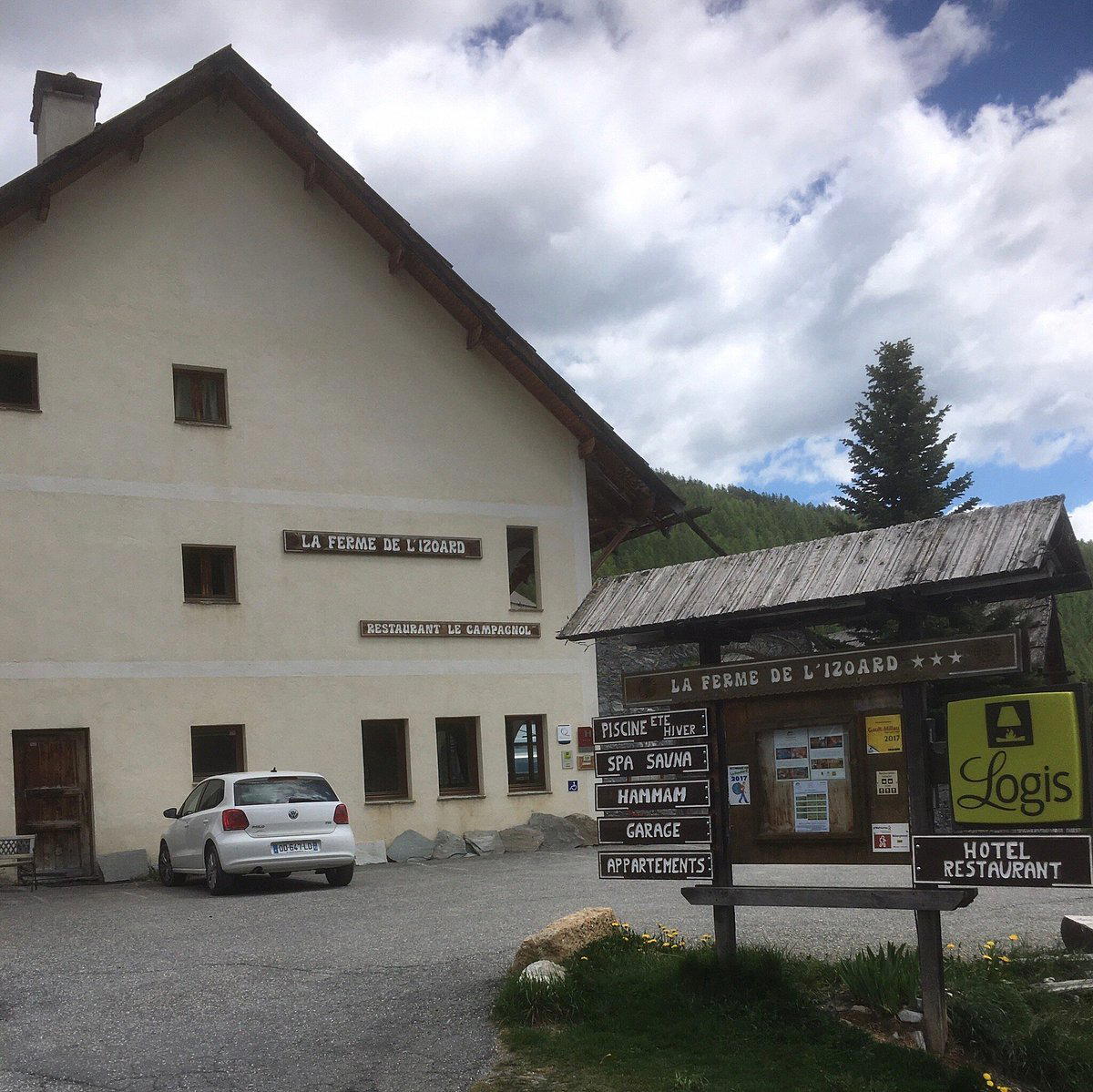
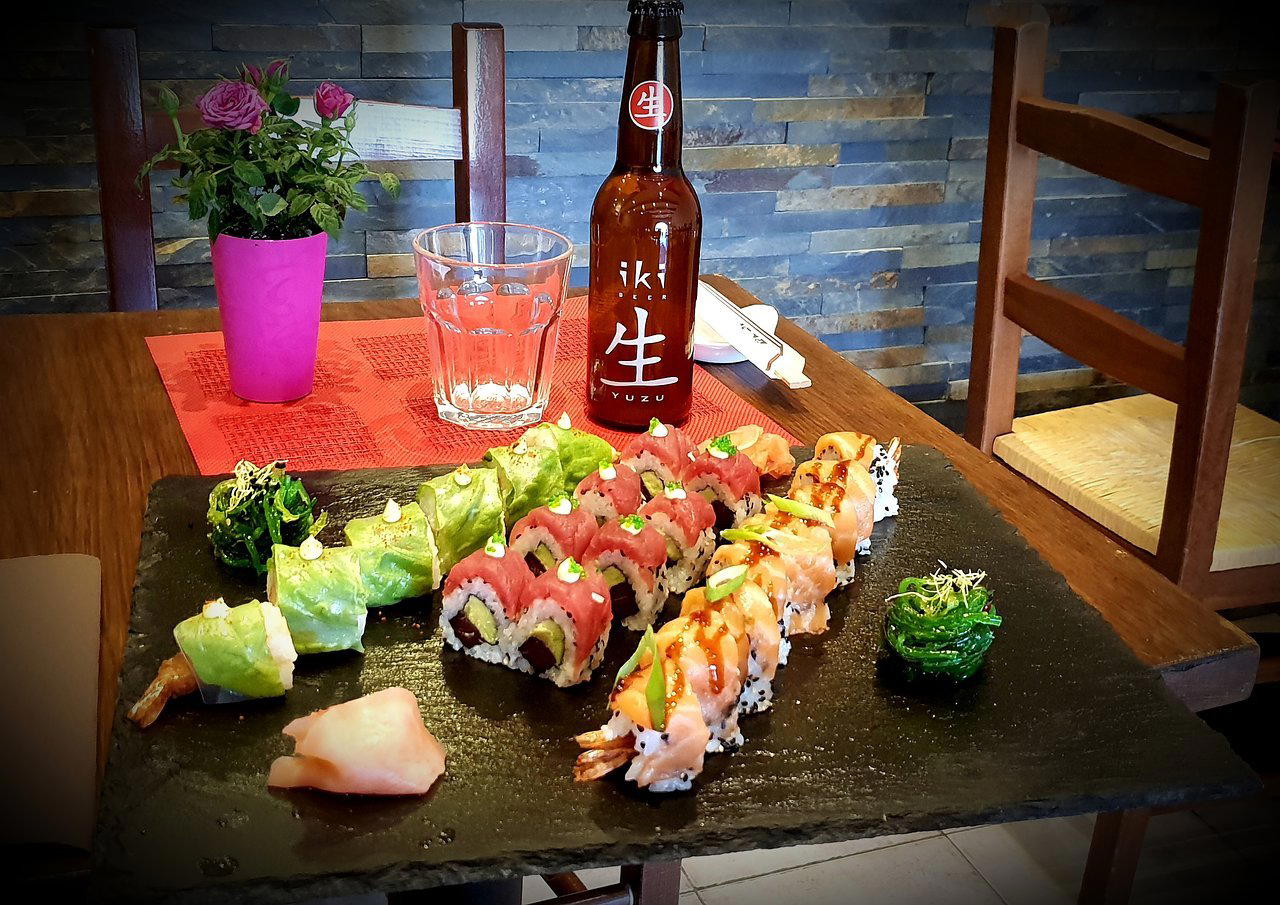
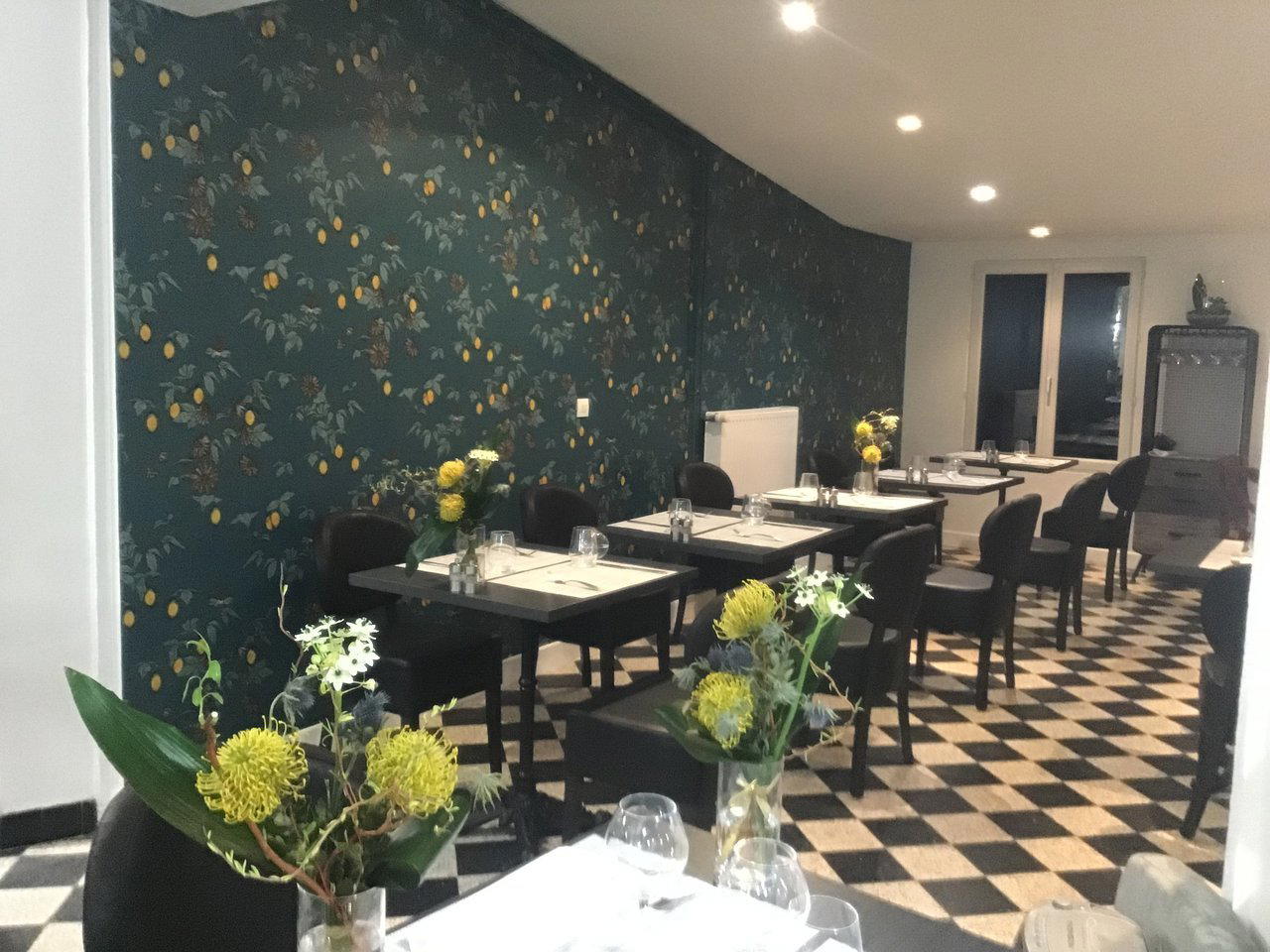
Bars in Saint Crepin
Browse all →
Details
- Romantic
- Cozy
- Elegant
- Rustic
- Intimate
- Date Night
- Special Occasion
- Celebration
- Business Dinner
- Solo
- Historic Building
- Standalone
- Extensive Wine List
- Farm To Table
- Local Sourcing
- Tasting Menu
- A La Carte
- Prix Fixe
- Wine
- Vegetarian Friendly
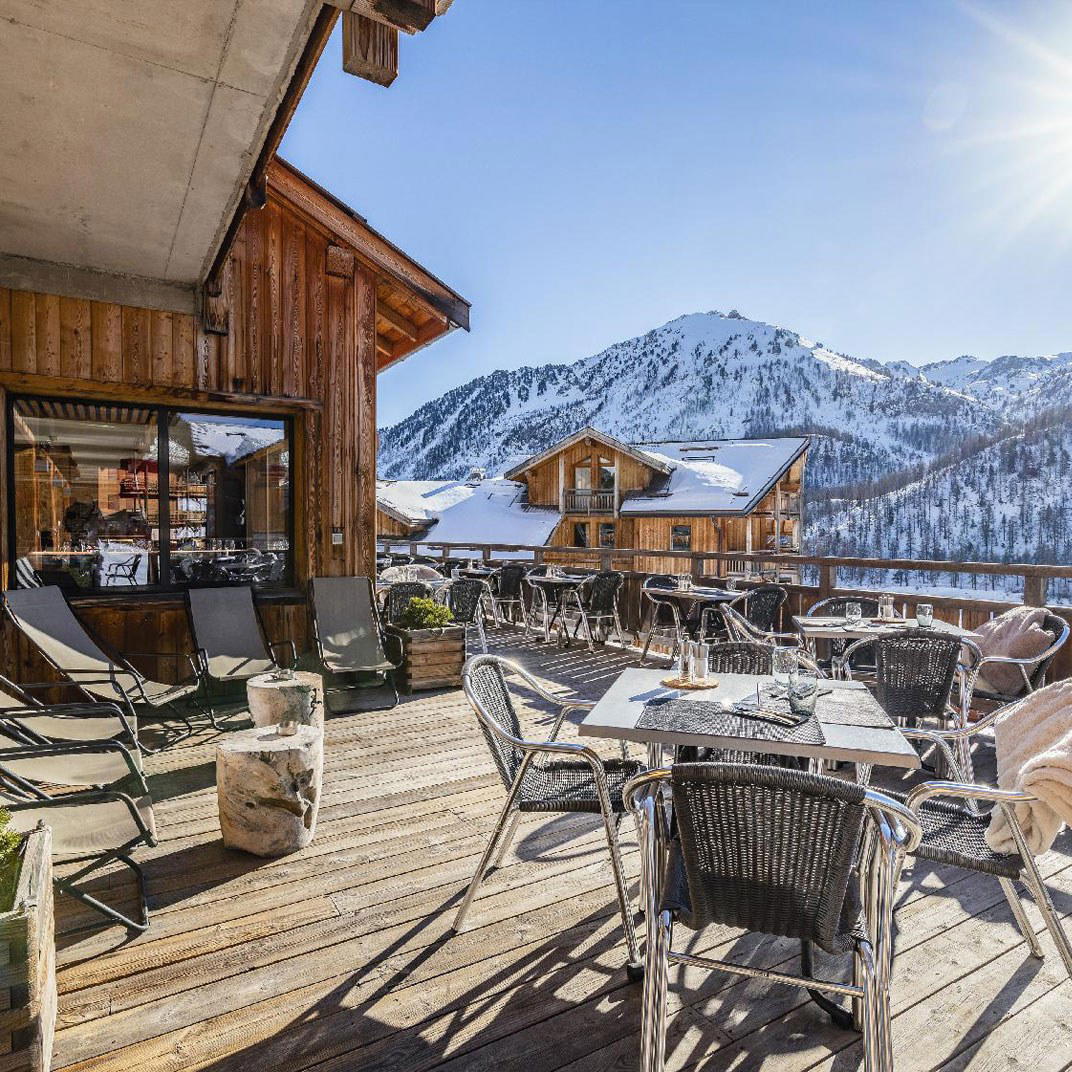
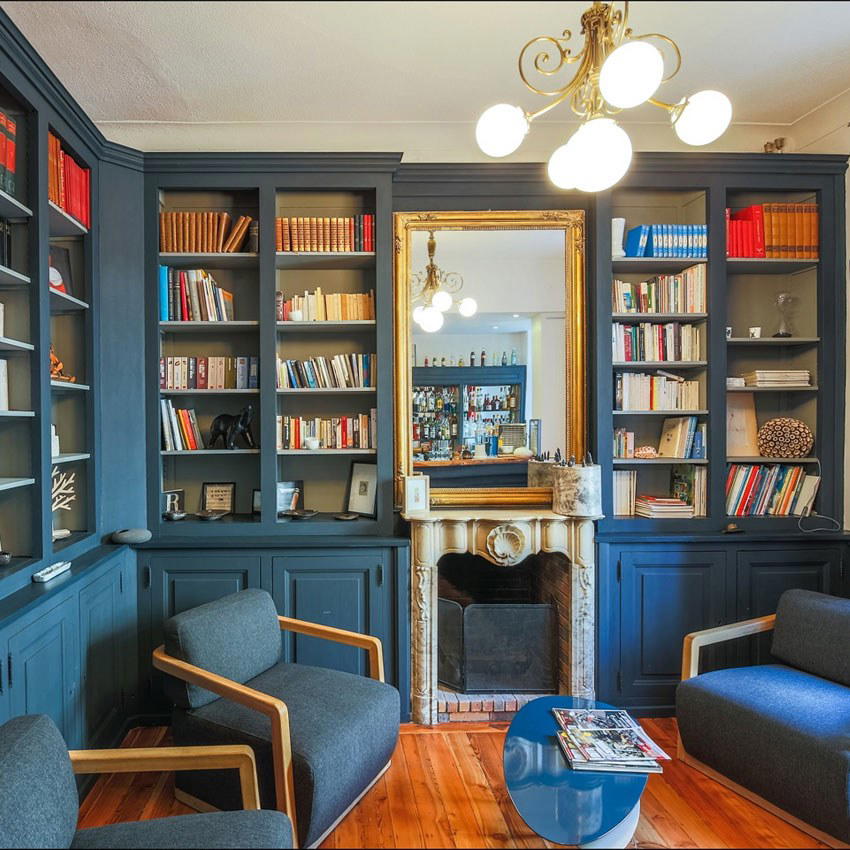
Warm, low‑lit and intimate dining room with stone vaults and historic 16th‑century character, combining rustic architecture with refined table settings for a quiet, romantic atmosphere focused on a leisurely gourmet experience.